Europe’s Cyber Wake-Up: Consensus on the Gap, Panic Over the Clock
While the EU remains technologically dependent on third parties, AI advances at a pace institutions can barely keep up with.

While the EU remains technologically dependent on third parties, AI advances at a pace institutions can barely keep up with.

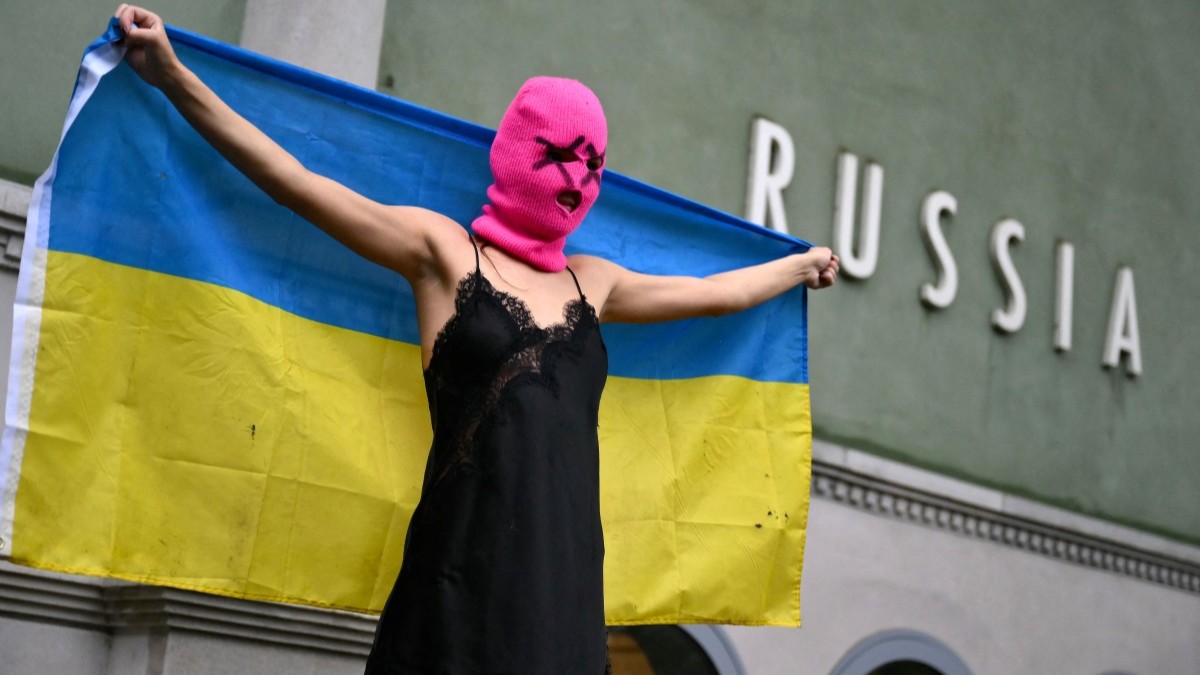
The European Commission says it will cancel a €2 million grant unless the Russian pavilion is excluded from the exhibition, while the Biennale argues art cannot be subjected to political censorship.

Brussels officials insist the penalty imposed on X is about compliance, not restricting free speech.

As the youth is shifting towards the Right, Brussels is ramping up their limitations to online information.

Eurocrats and politicians are desperately trying to convince us that there is no censorship crisis.

As EU officials defend the Digital Services Act, a deeper concern emerges: the quiet convergence of state and corporate power in policing digital discourse.

The EU elite is doubling down on social media censorship in the wake of Trump’s inauguration by equipping its legal toolbox to remove content around the clock.

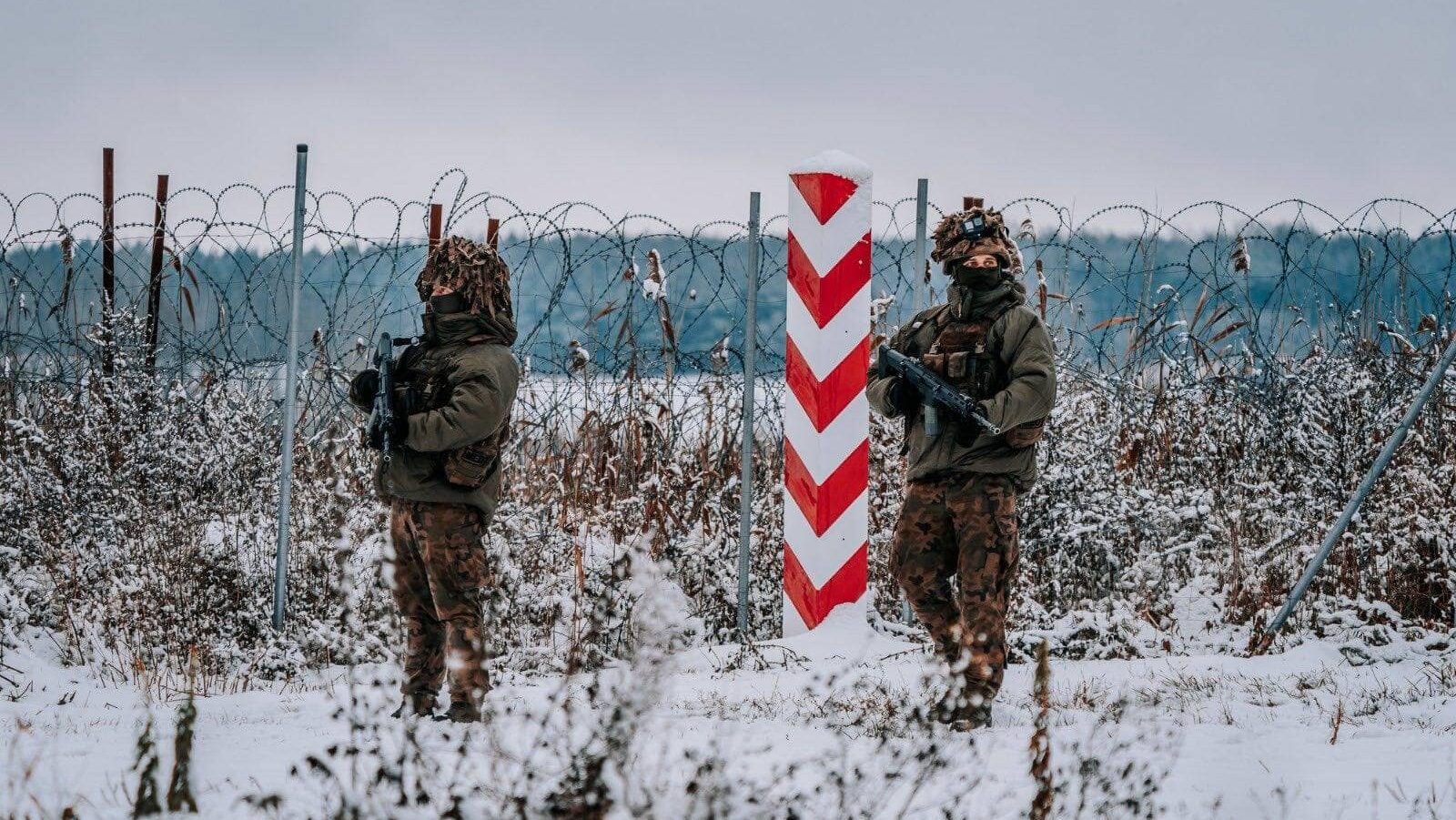
Returning migrants to the other side of a national border is still not allowed, so it’s unclear how the new rules would work in practice.