

Learn To Love the High Interest Rates
Either we live with high-interest rates today, or we put our very prosperity in stagflation-driven jeopardy.

Either we live with high-interest rates today, or we put our very prosperity in stagflation-driven jeopardy.

When you get less money on long-term investments than on short-term ones, it is good news for the economy.

Energy price inflation is tapering off, but when it comes to food, the news is not so good.

Hungary is one of Europe’s major economic success stories. Bringing the current inflation episode to an end would only reinforce the country’s position as a role model for the rest of Europe.

Barring any rebounds in January, inflation has evidently peaked in 24 of the 27 EU member states.

Increasing numbers of Swedes, mainly with children and poor pensioners, are having to turn to charitable organizations in order not to starve.

Although some countries have recovered, overall economic activity has been disappointing. To make matters worse, a closer look at capital formation—a.k.a., business investments—and consumer spending suggest that a recession is in fact just around the corner.
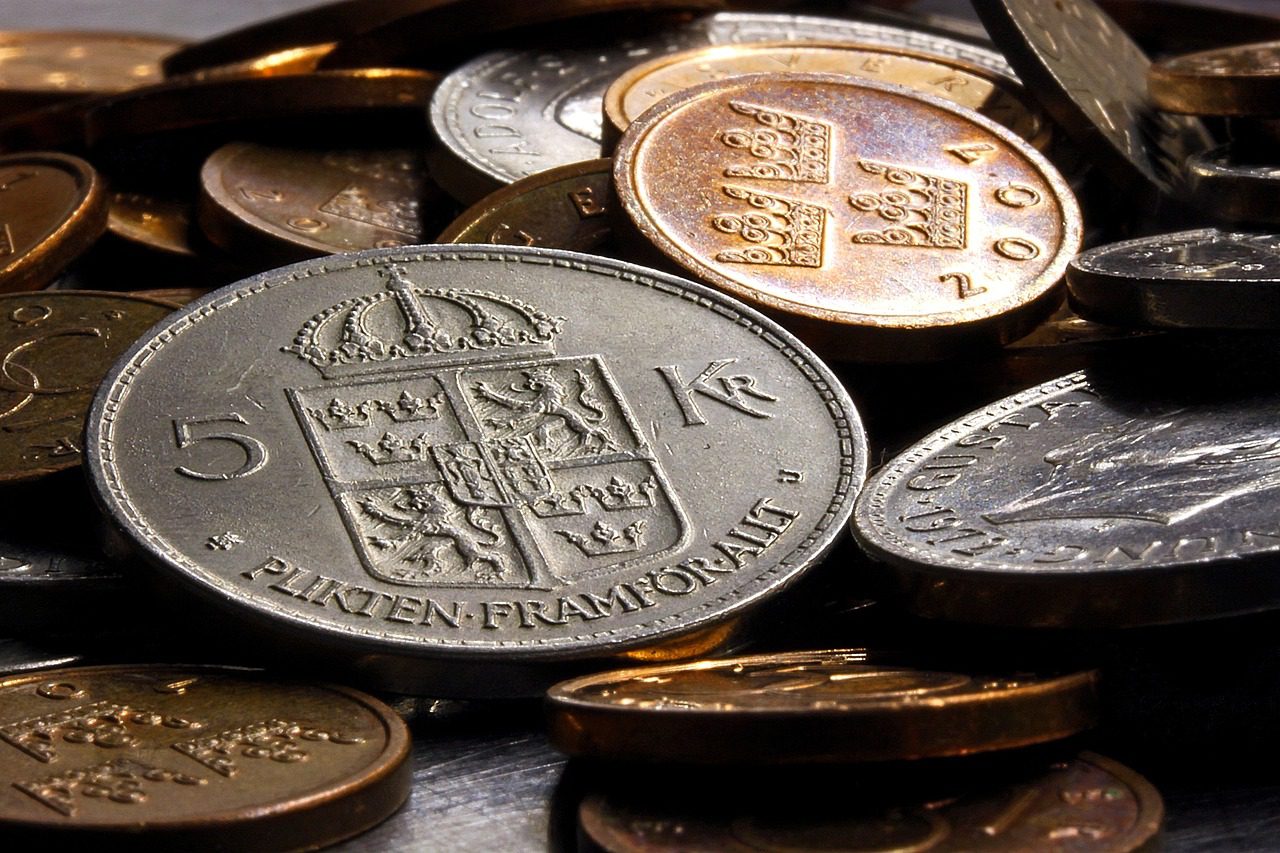
The Riksbank warns of further increases, predicting a lead interest rate at 3% early next year.

Some forecasters believe that inflation will persist for an extended period of time. I disagree, and if the signs of an inflation peak are as strong as I believe they are, then Europe could be out of this inflation episode before next summer.

After Belgium, France, and Greece, England could be the next country hit by strikes.