
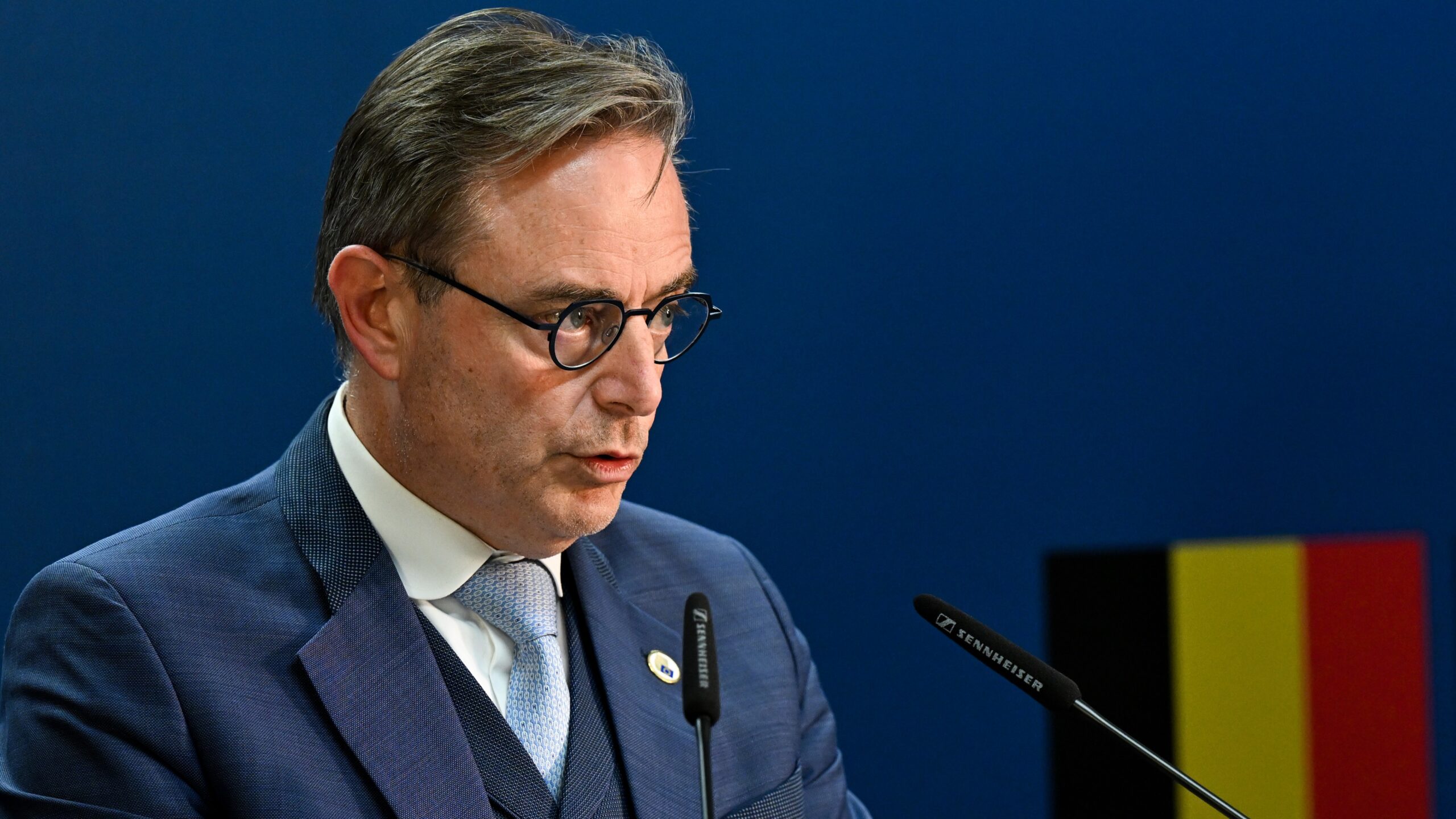
Belgium Says It Has “No Money” Left for Another Energy Crisis
As oil and gas prices surge again, Belgium has become the first European country to openly admit it can no longer sustain another round of large-scale aid.

As oil and gas prices surge again, Belgium has become the first European country to openly admit it can no longer sustain another round of large-scale aid.
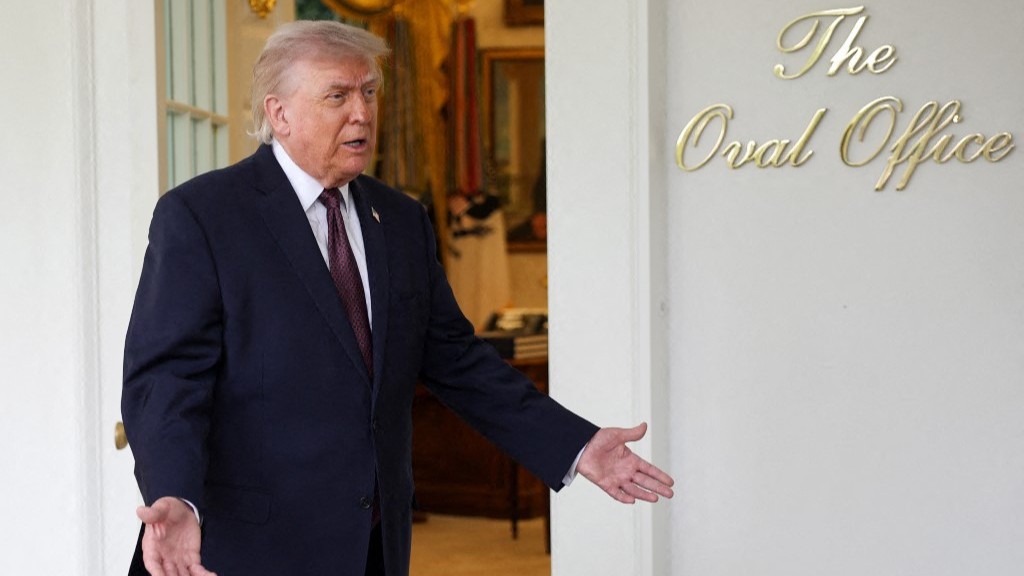
U.S. President Donald Trump expressed deep disappointment in his ally, claiming he was “wrong” about Italian Prime Minister Giorgia Meloni’s courage.
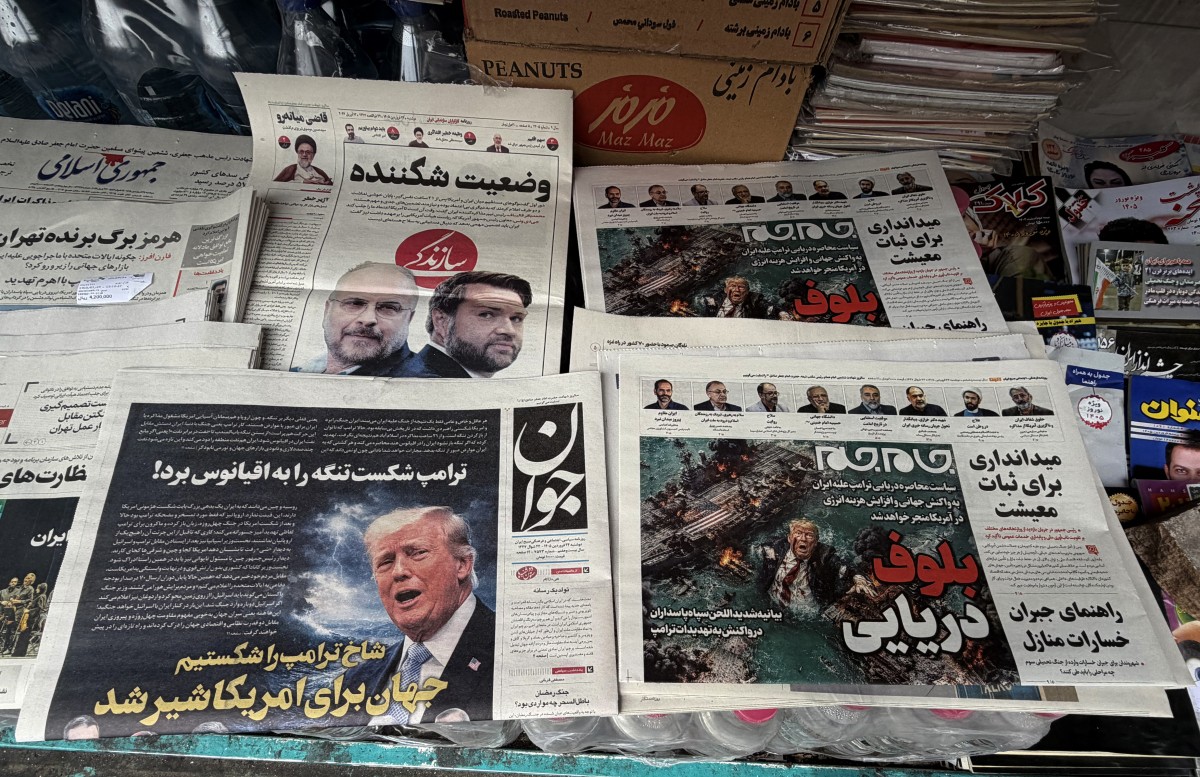
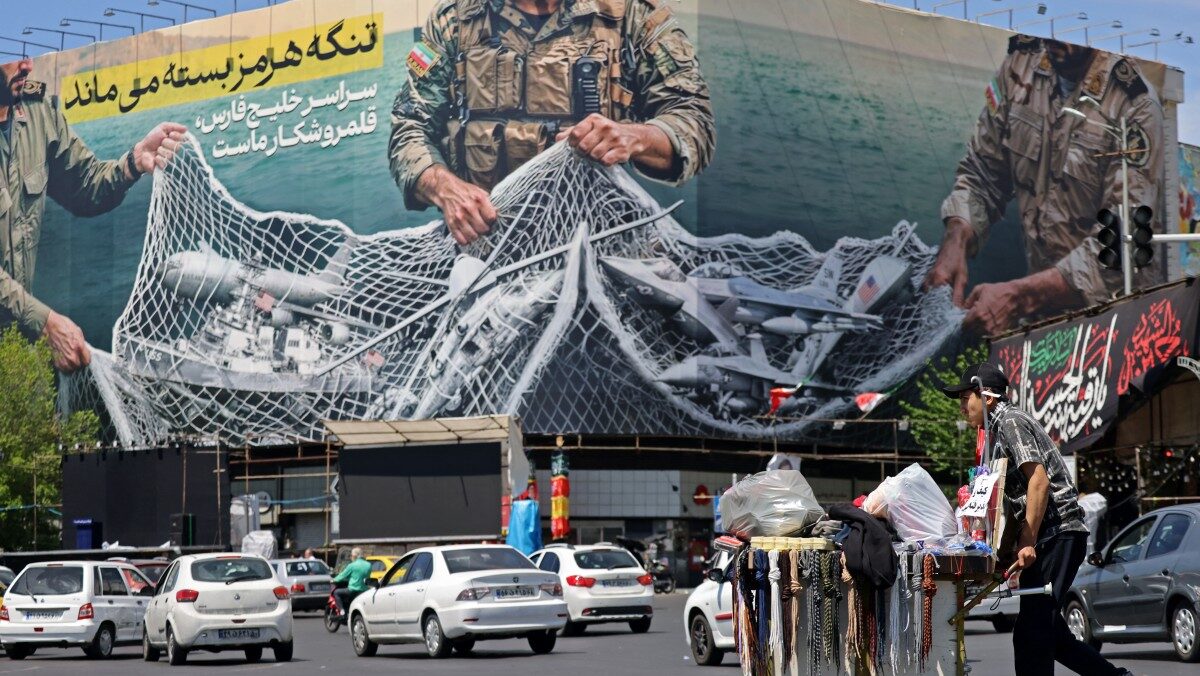
The White House has issued a stern warning to Tehran, stating that U.S. forces are authorized to destroy any Iranian vessels attempting to bypass his newly imposed naval blockade.
Trump also warned China, threatening to impose a 50% tariff on its exports to the United States if it provides military support to Tehran.
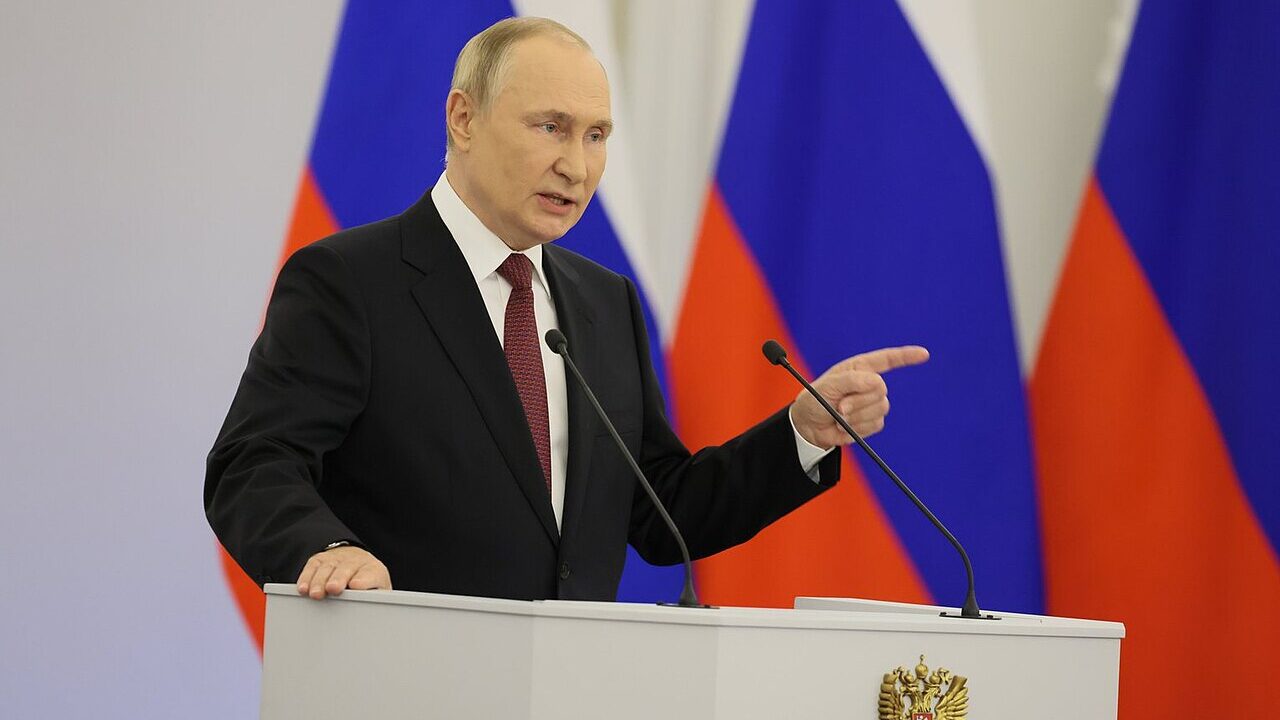
Russia signals readiness to play a diplomatic role as Moscow steps up engagement with Tehran amid escalating regional tensions.
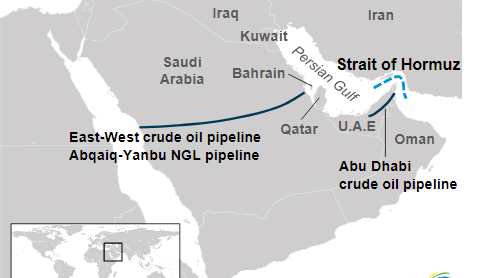
The pipeline, which has a capacity of seven million barrels a day, is up and running again after suffering damage from the Iran conflict on April 8.

Protests in Ireland and early fuel shortages in France point to mounting pressure as costs begin to feed through the economy.
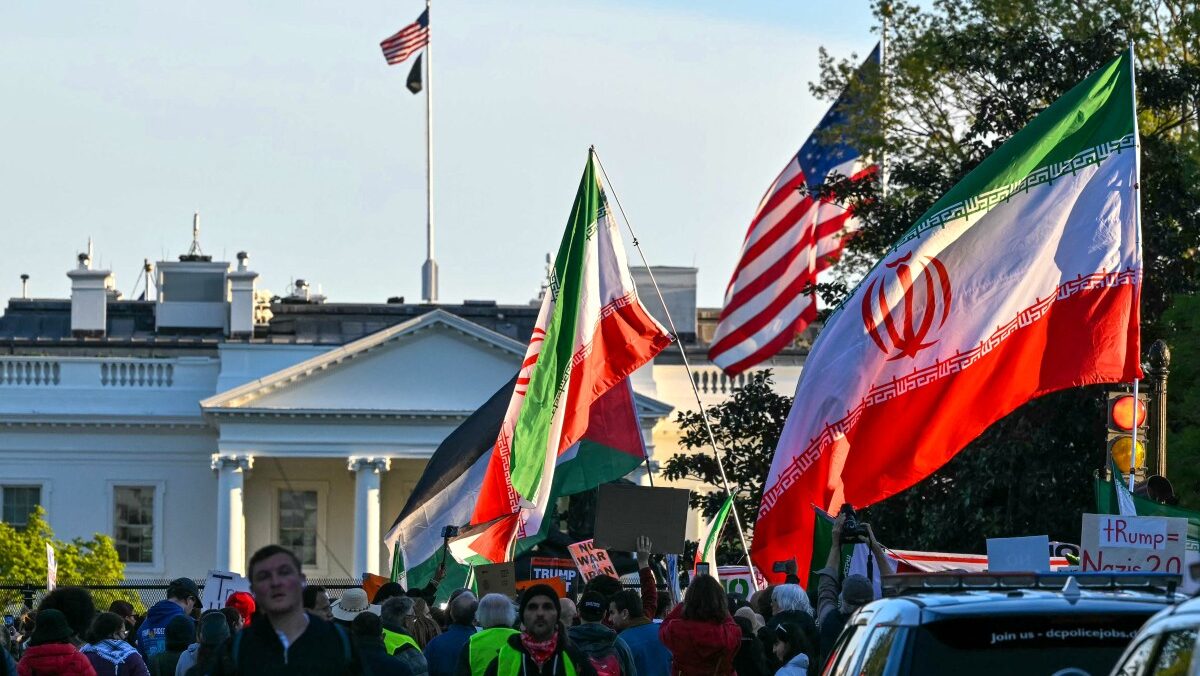
Pakistani negotiators managed to ward off a threatened Tuesday night attack on Iranian infrastructure by the United States.
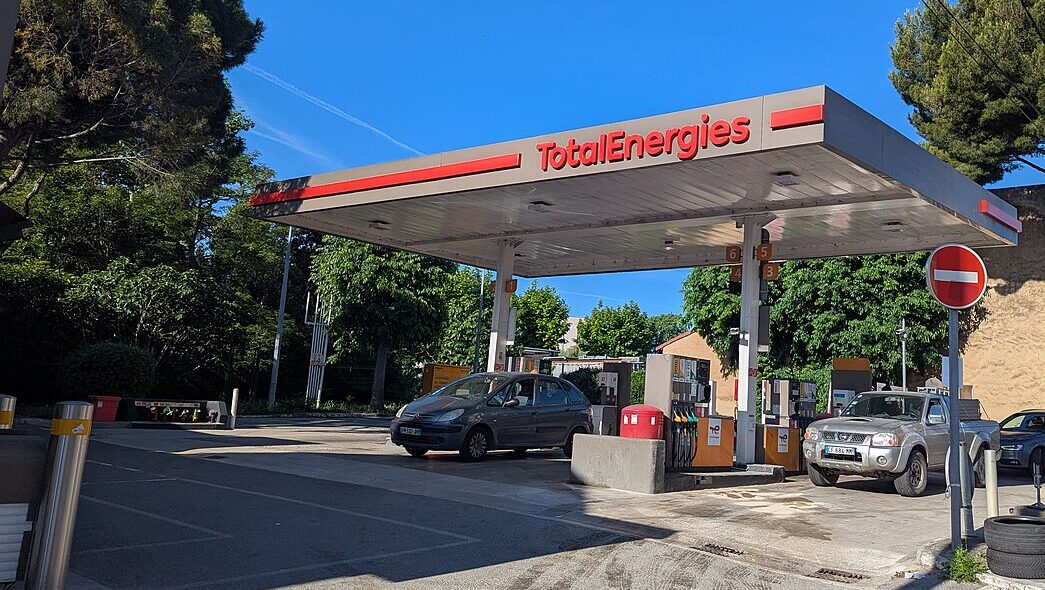
Three years after reducing its dependence on Russian gas, Europe is still heavily dependent on imported oil and on strategic routes. The supplier may have changed. The dependence has not.

The former adviser to the World Bank and the IDB believes the crisis will normalize within weeks, but will leave Europe weaker and more dependent.