
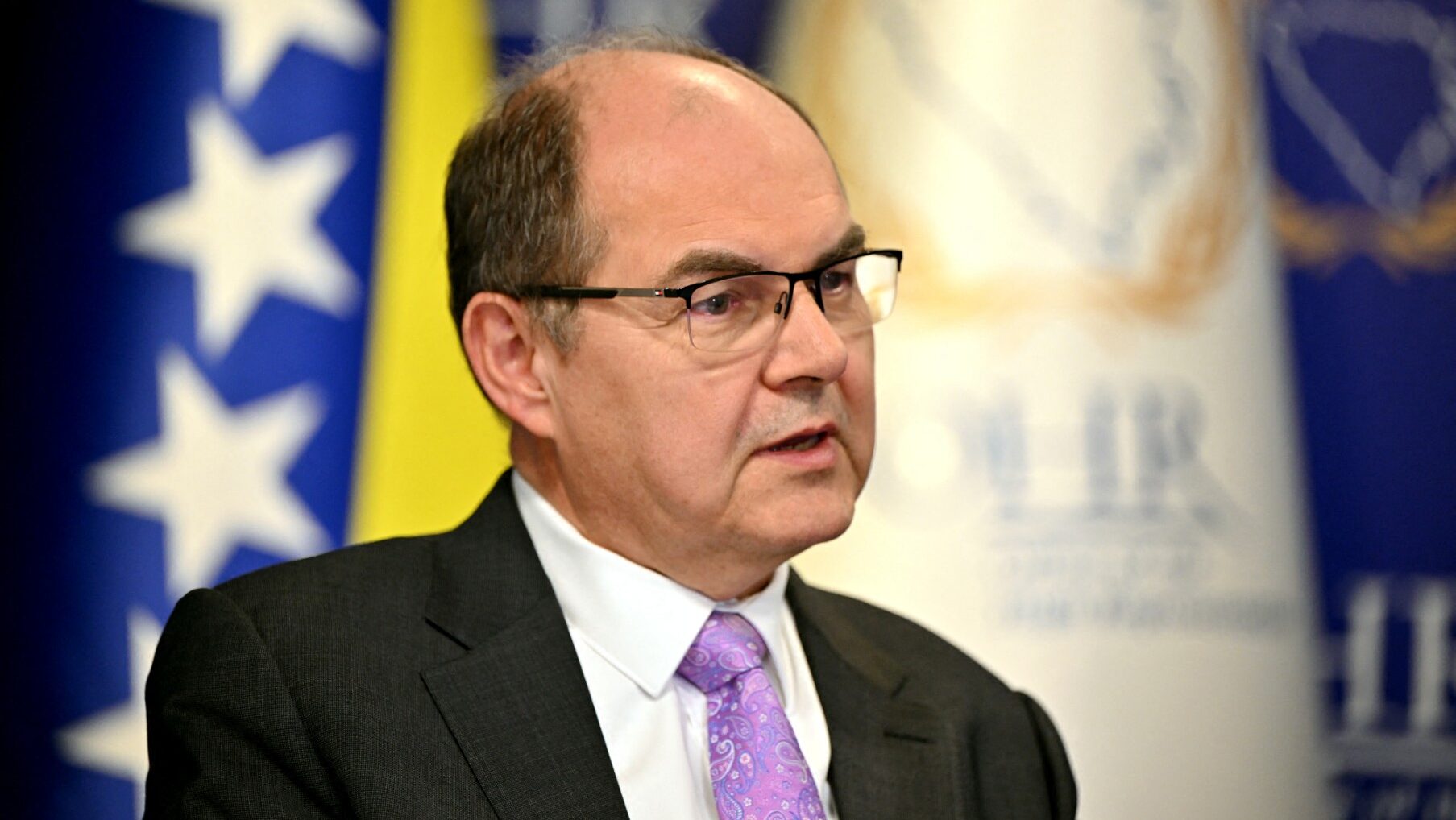
Bosnia: Where Unelected Foreigners Rule, Override Elections, and Call It Peace
As an experiment in globalist technocracy, Bosnia and Herzegovina has had a far wider influence than many care to acknowledge.

As an experiment in globalist technocracy, Bosnia and Herzegovina has had a far wider influence than many care to acknowledge.
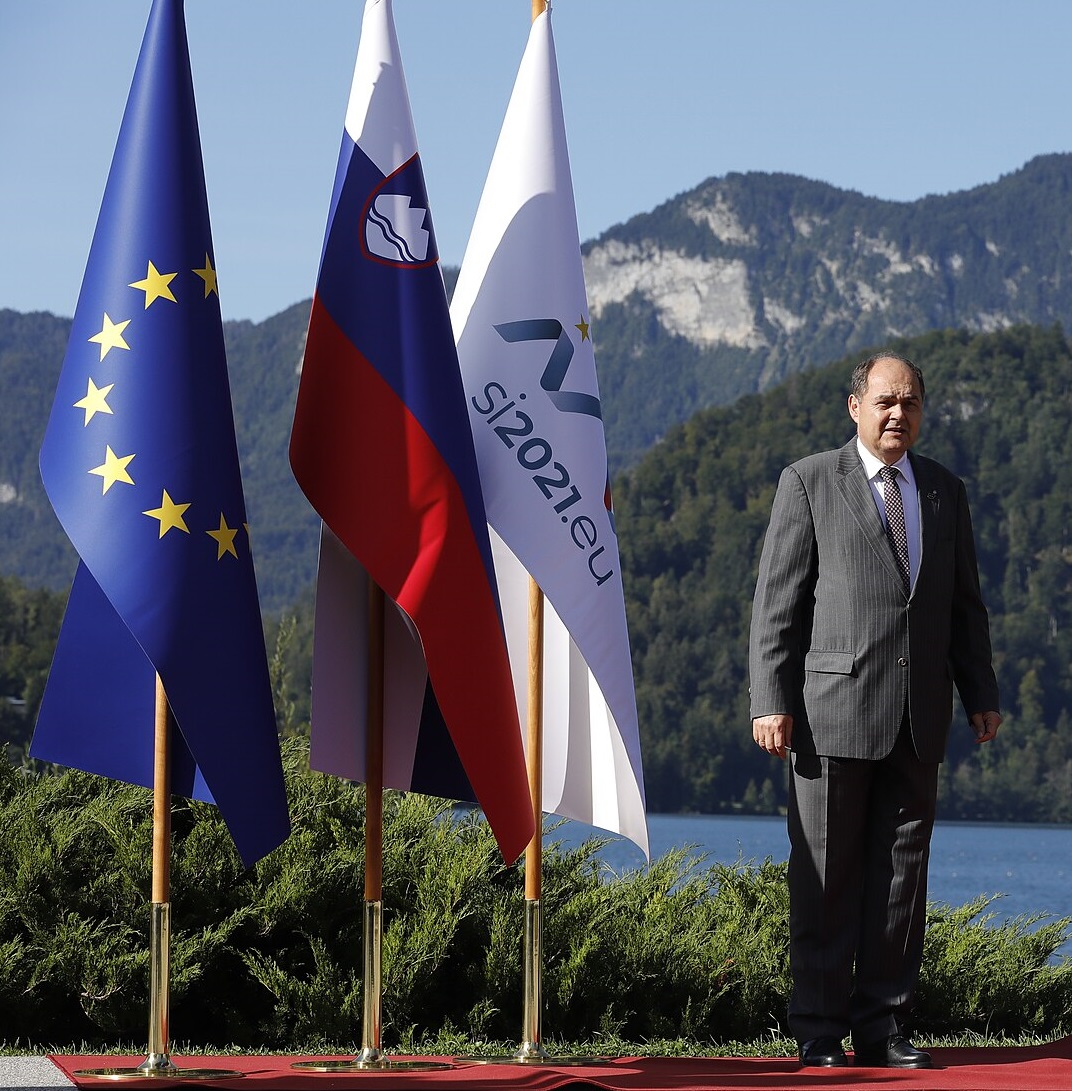
The outgoing UN high representative predicted that the multi-ethnic state he governed for years could be pushed towards fragmentation under external pressure from both the U.S. and Russia.
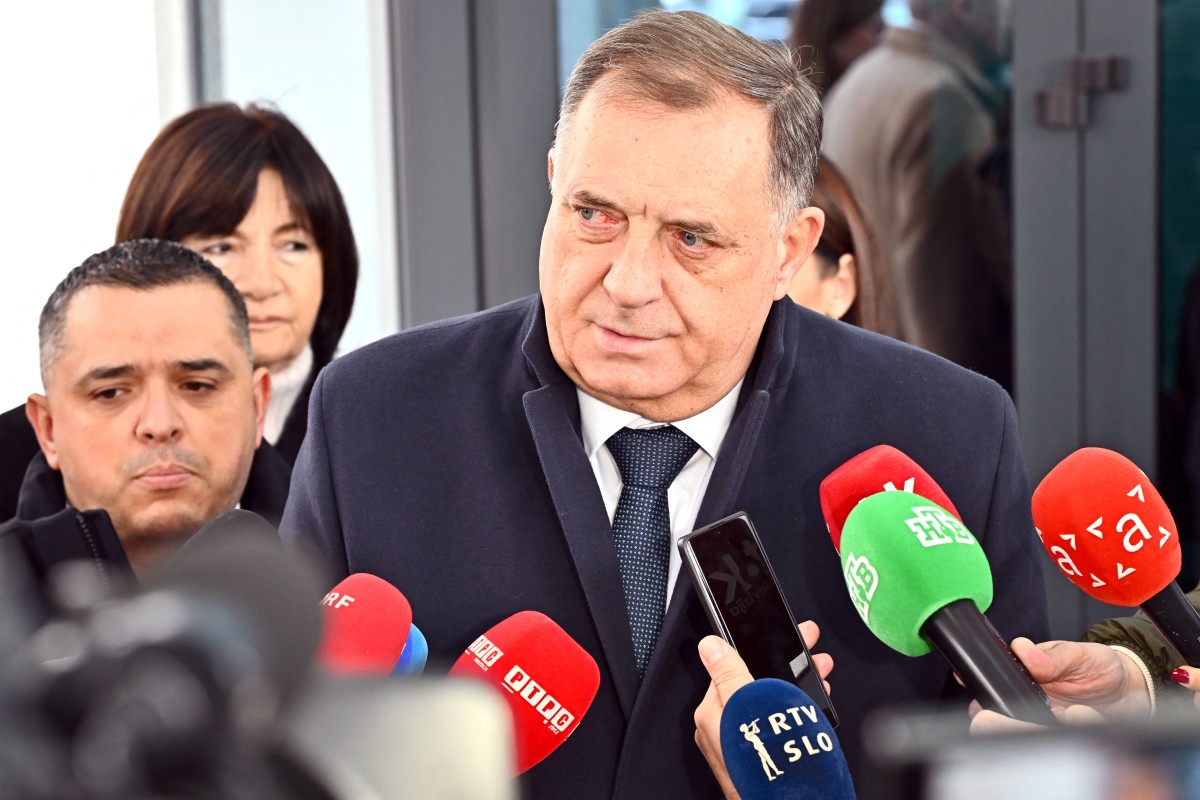
As a top Republika Srpska official, Milorad Dodik repeatedly condemned LGBT activities in schools—leading to a recent criminal conviction.

The extraordinary election had to be held after a court stripped former president Milorad Dodik of his position.

The Bosnian Minister of Foreign Trade and Economic Relations taunted his Balkan panjandrum with a relic from Hitler’s Germany.

Following a court conviction, the Republika Srpska leader is attempting to ensure political continuity for the Bosnian Serb entity.
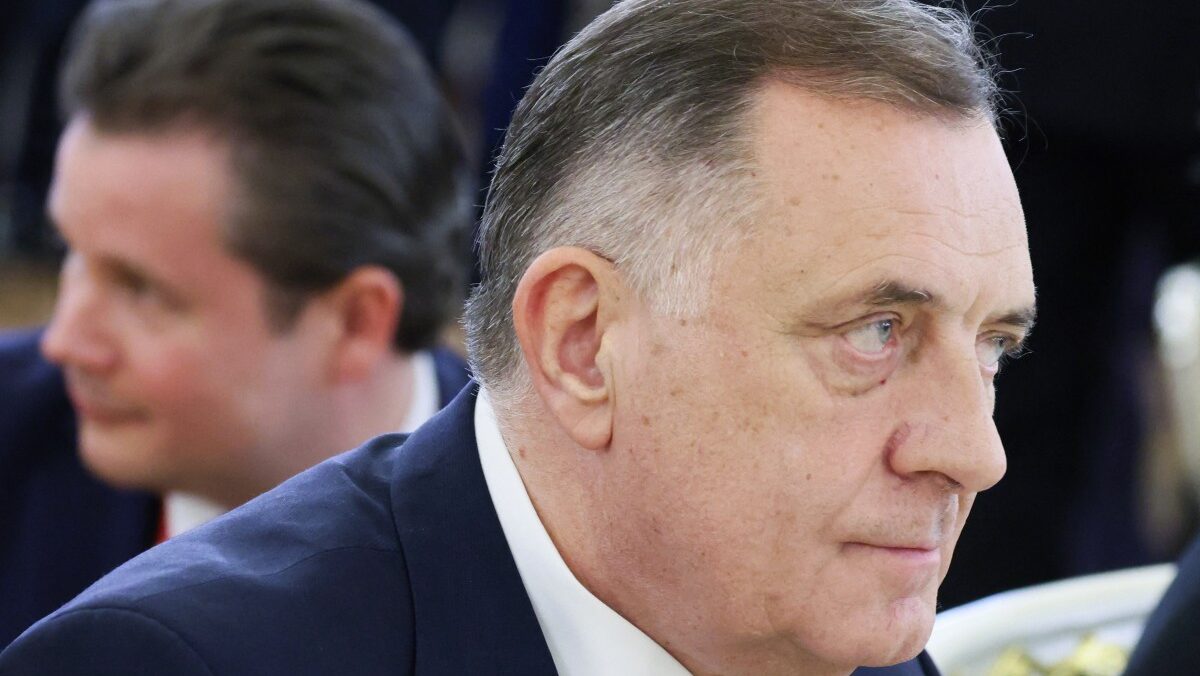
With the Bosnian legal system continuing their fight against Milorad Dodik, his support in Republika Srpska is not weakening.

President Milorad Dodik, whose removal by Bosnian authorities remains contested, does not view the Central Election Commission as legitimate and has vowed to resist central institutions and said he will stage referendums.
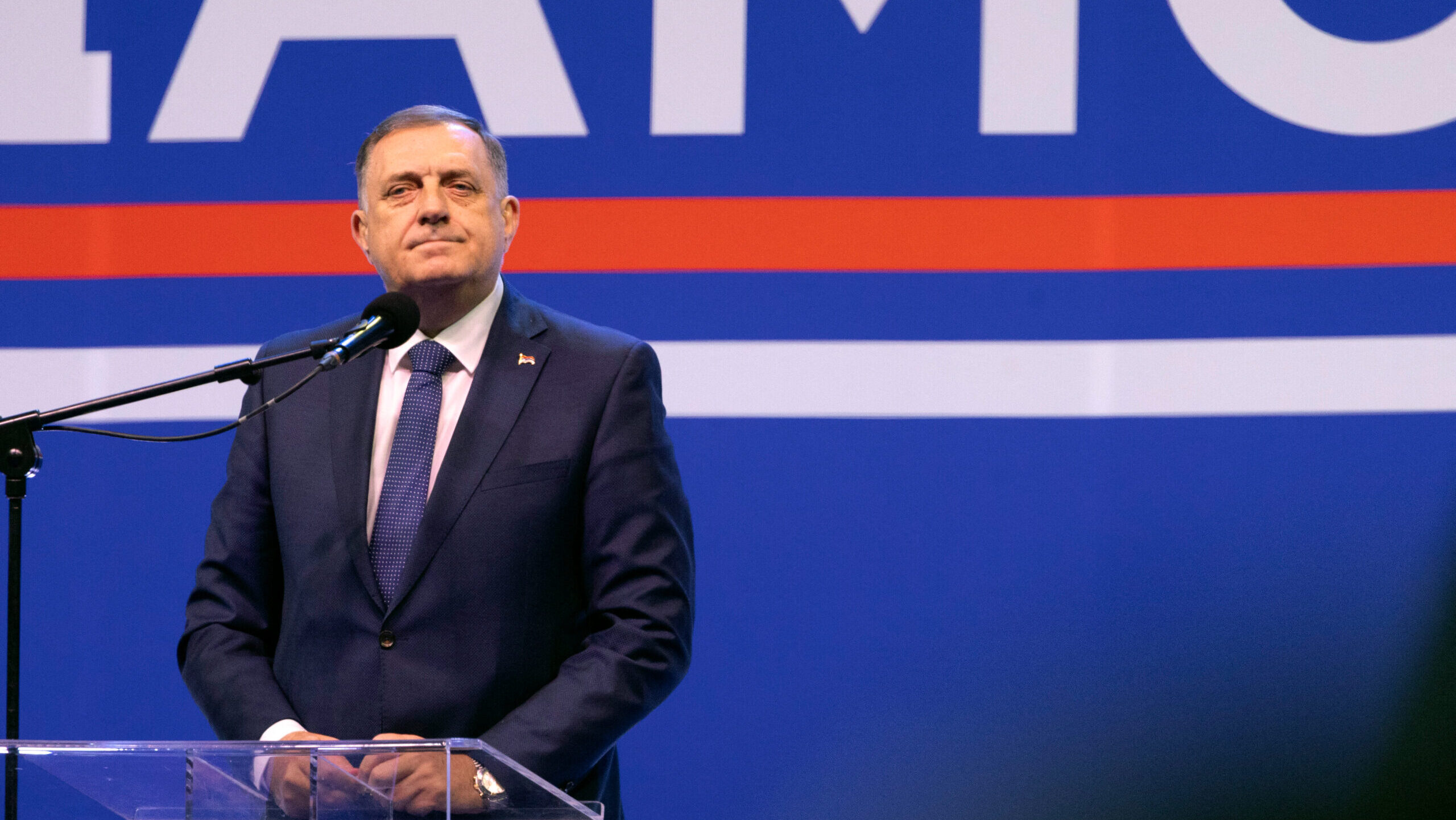
Lawmakers in Republika Srpska approved an October ballot rejecting rulings that stripped their president of office.
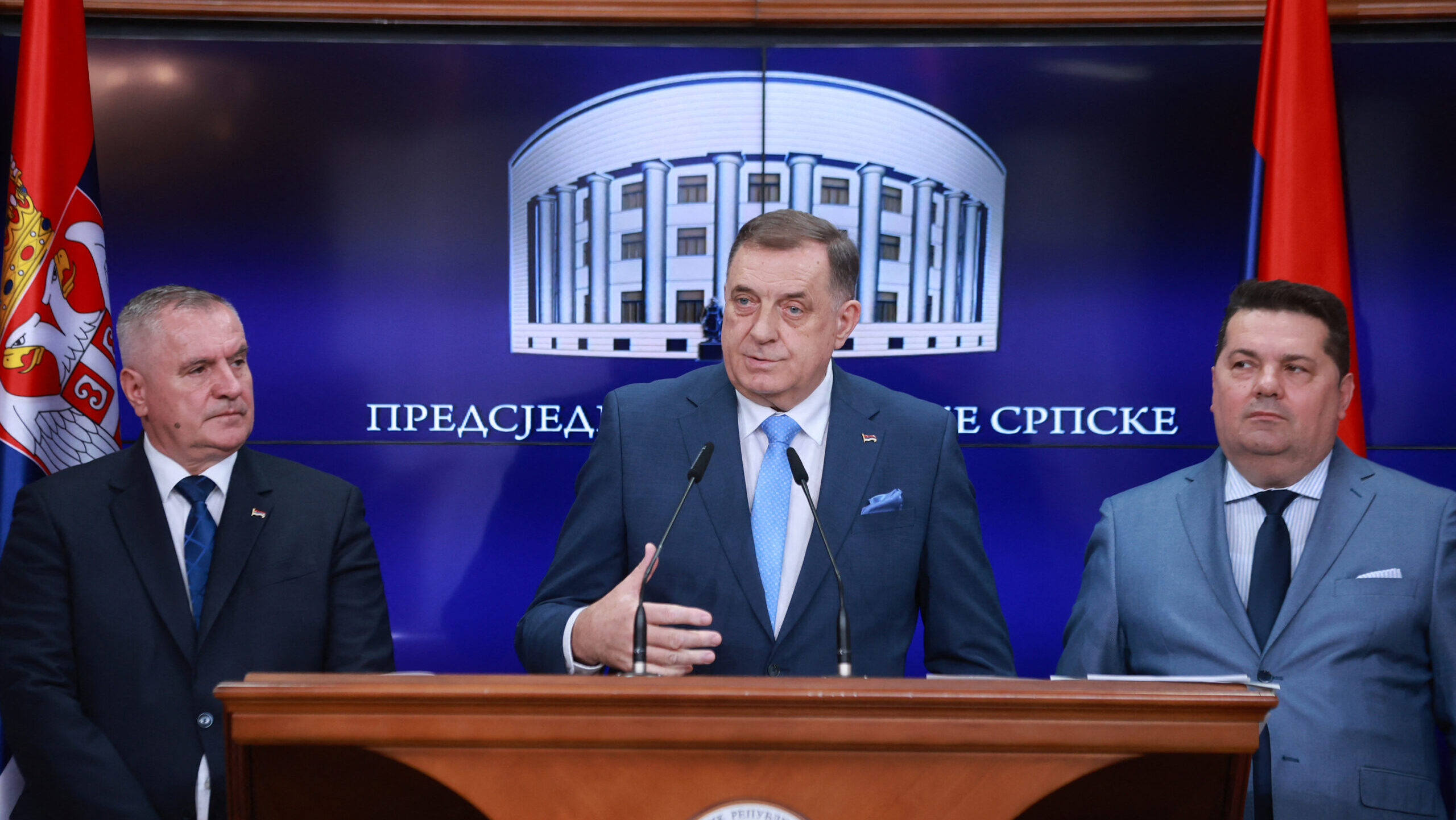
Republika Srpska faces early elections—but Dodik insists only referendums will decide its future.