

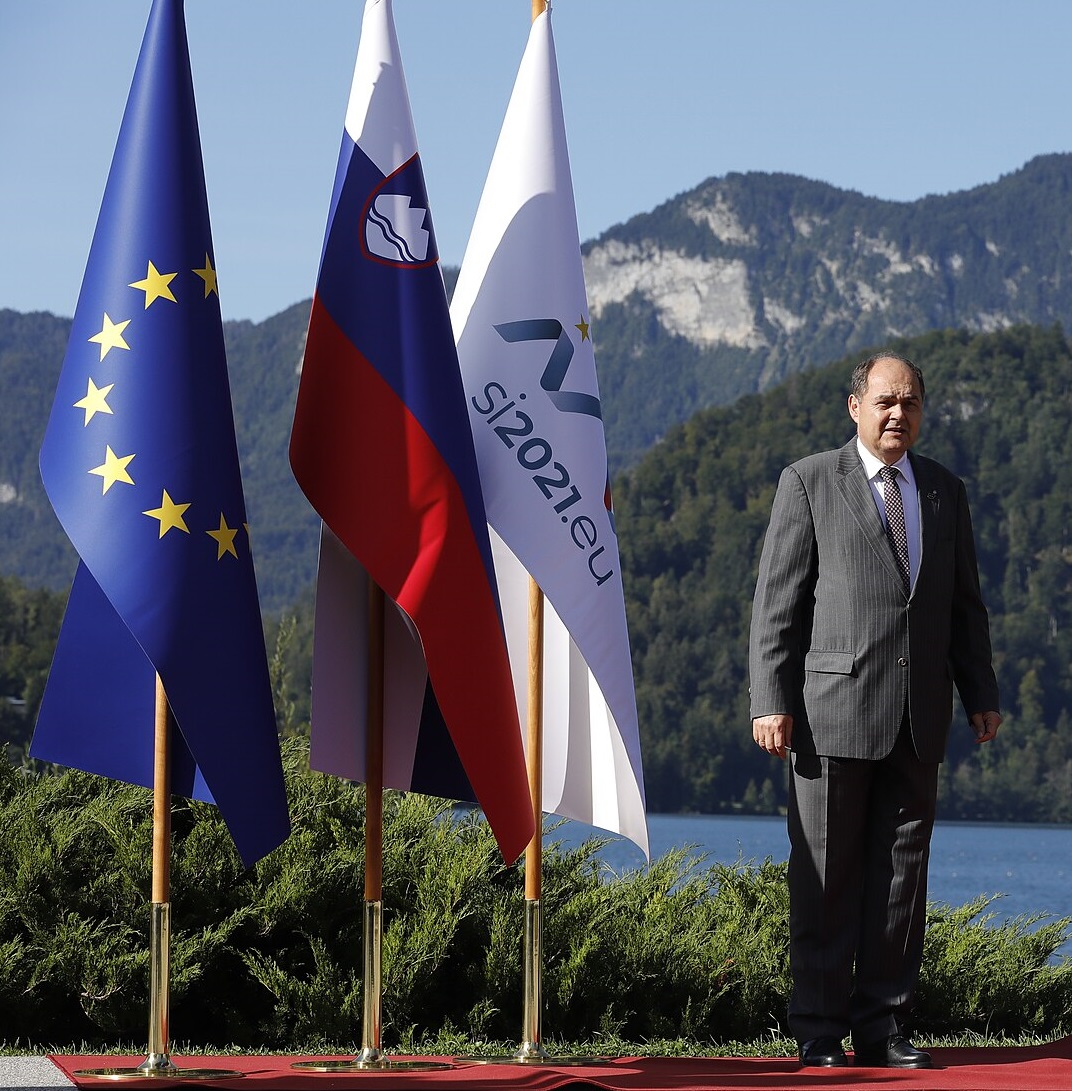
Flagging enthusiasm: bleak predictions from erstwhile ‘King of Bosnia’ Christian Schmidt (pictured)
Bosnia and Herzegovina is facing renewed warnings over its political stability amid growing policy divisions between the United States and the international actors overseeing the country’s post-war governance, according to unelected Balkan panjandrum Christian Schmidt.
CSU politician and soon to be ex-UN high representative for Bosnia and Herzegovina Schmidt said his multi-ethnic state could be pushed towards fragmentation as external pressures increase from both the U.S. and Russia. Addressing the UN Security Council in New York, he warned that Bosnia remains highly fragile decades after the 1995 Dayton peace agreement, which ended a three-year war that killed more than 100,000 people.
Schmidt, who has served as high representative for five years, said he believes the post should be maintained and that he will remain in office until a successor is appointed. Although overseen by an international board, the role—created under the Dayton framework—granted him wide powers over Bosnia’s governance, including the ability to amend laws. Tensions have intensified over the political future of Republika Srpska, the Serb-majority entity within Bosnia and Herzegovina.
Former Republika Srpska president Milorad Dodik has been a central figure in the dispute, clashing with Schmidt after defying constitutional court rulings. Dodik welcomed reports of Schmidt’s resignation, arguing that he lacked legitimacy and international backing.
Last year, Dodik’s close ally Siniša Karan won the presidency of Republika Srpska following extraordinary elections triggered after a court removed Dodik from office.



.jpg)