
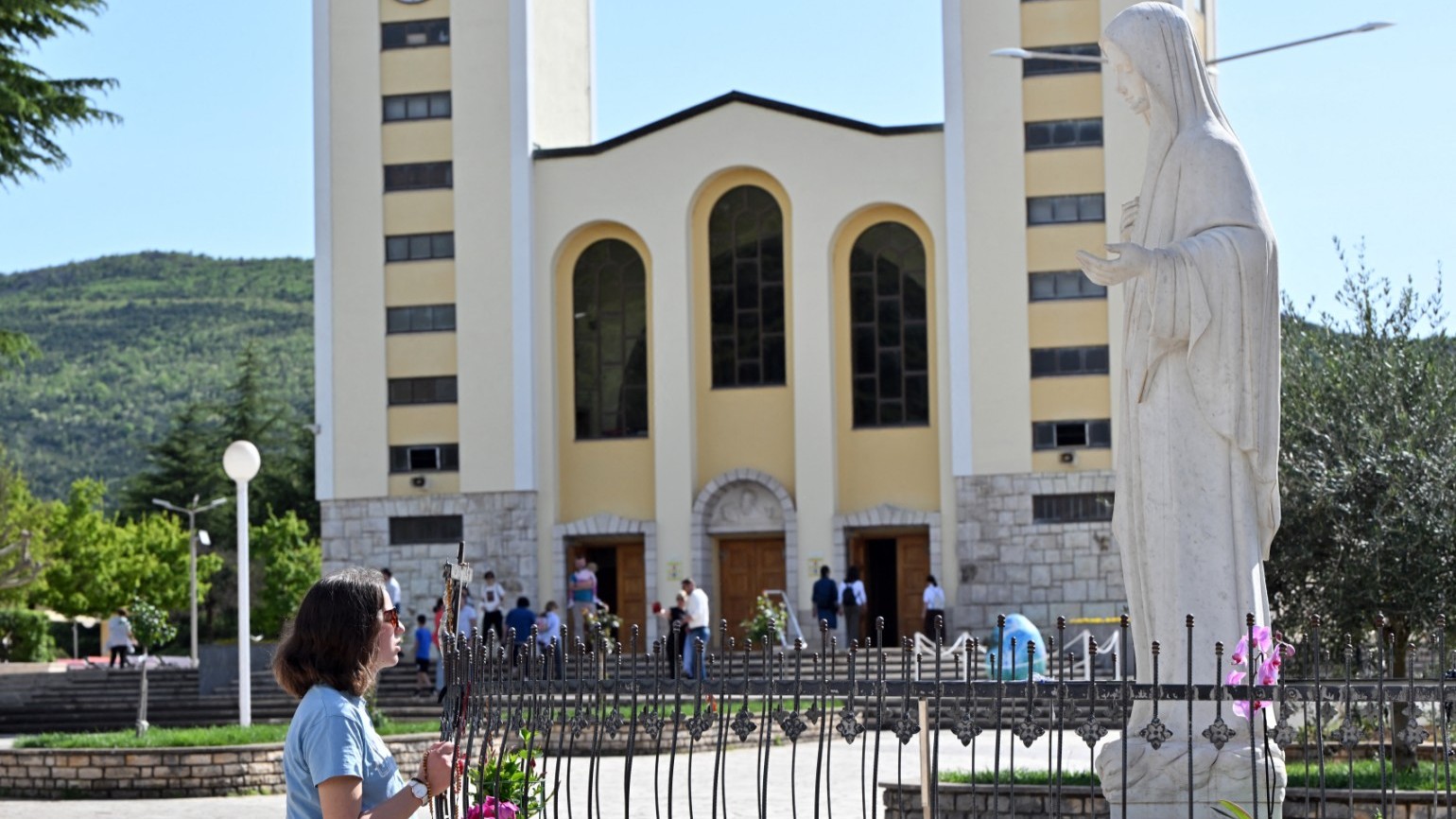
Polish National Arrested for Medjugorje Vandalism
A 31-year-old Polish man has been arrested in Bosnia and Herzegovina after defacing religious statues and setting fire to an outdoor altar at the Medjugorje pilgrimage site.

A 31-year-old Polish man has been arrested in Bosnia and Herzegovina after defacing religious statues and setting fire to an outdoor altar at the Medjugorje pilgrimage site.
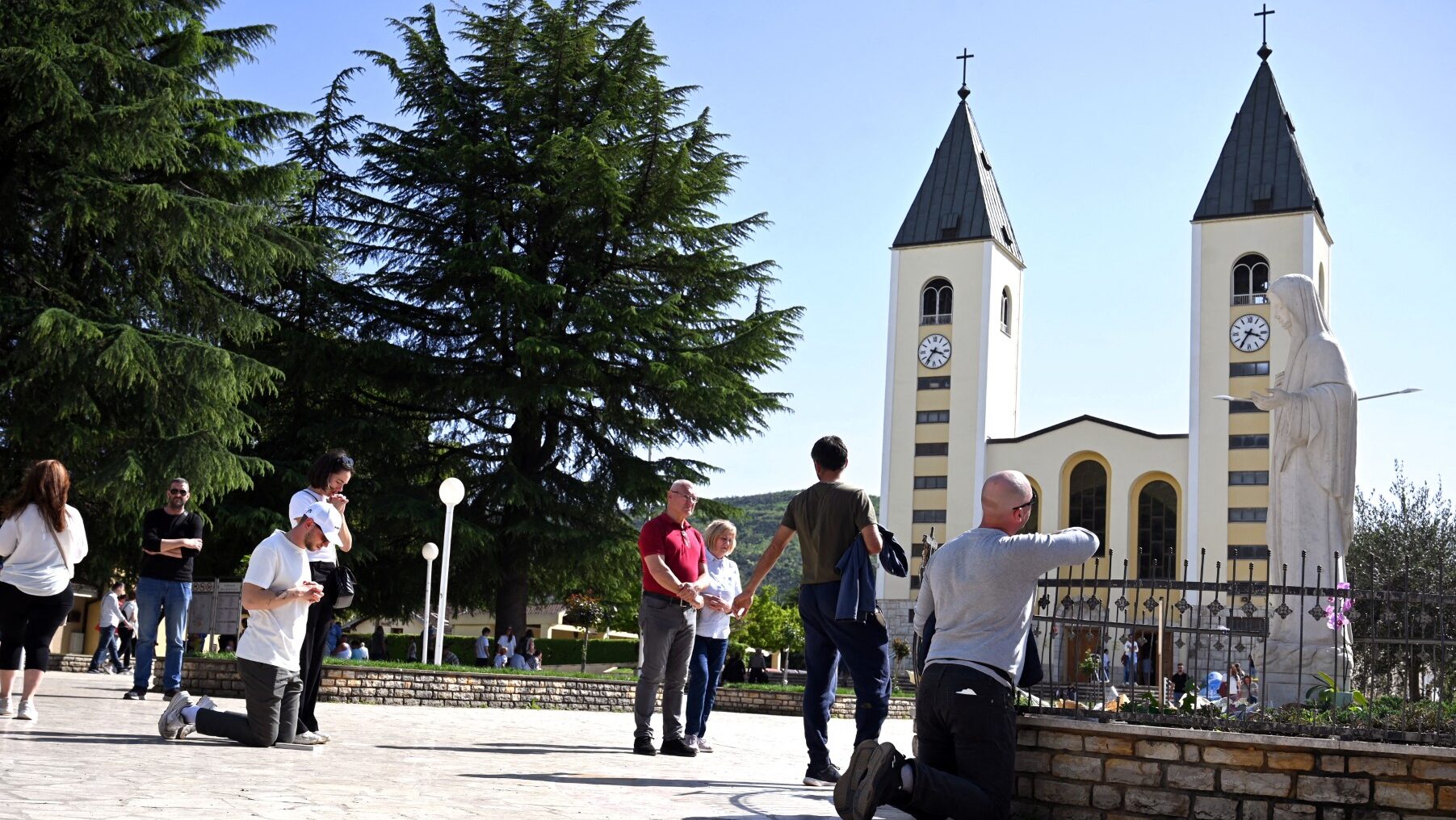
The suspect was reportedly held by local residents until police arrived in a nearby village.
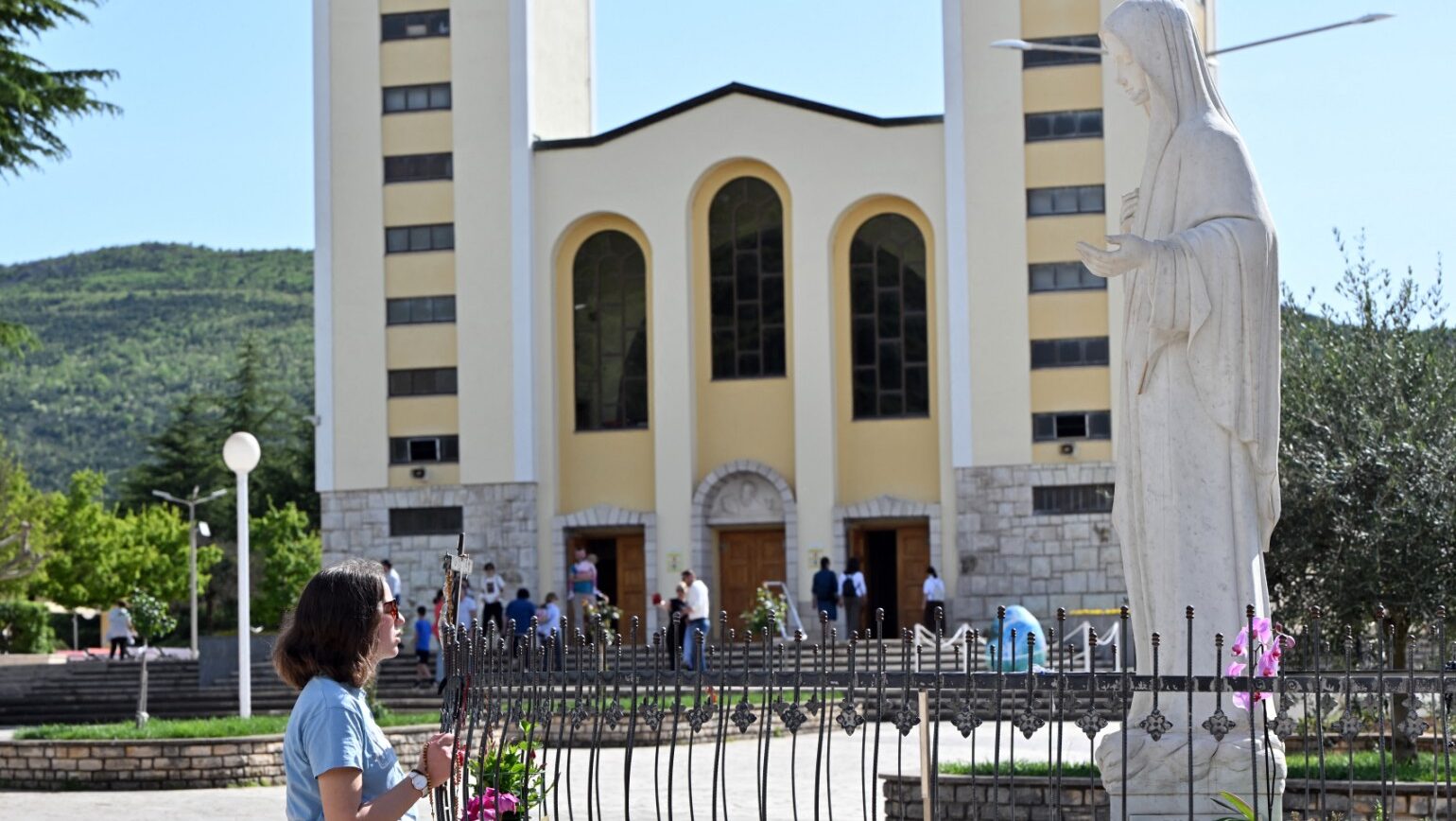
Police arrested a man after a statue of the Virgin Mary was defaced and an outdoor altar set on fire at Medjugorje.
As an experiment in globalist technocracy, Bosnia and Herzegovina has had a far wider influence than many care to acknowledge.
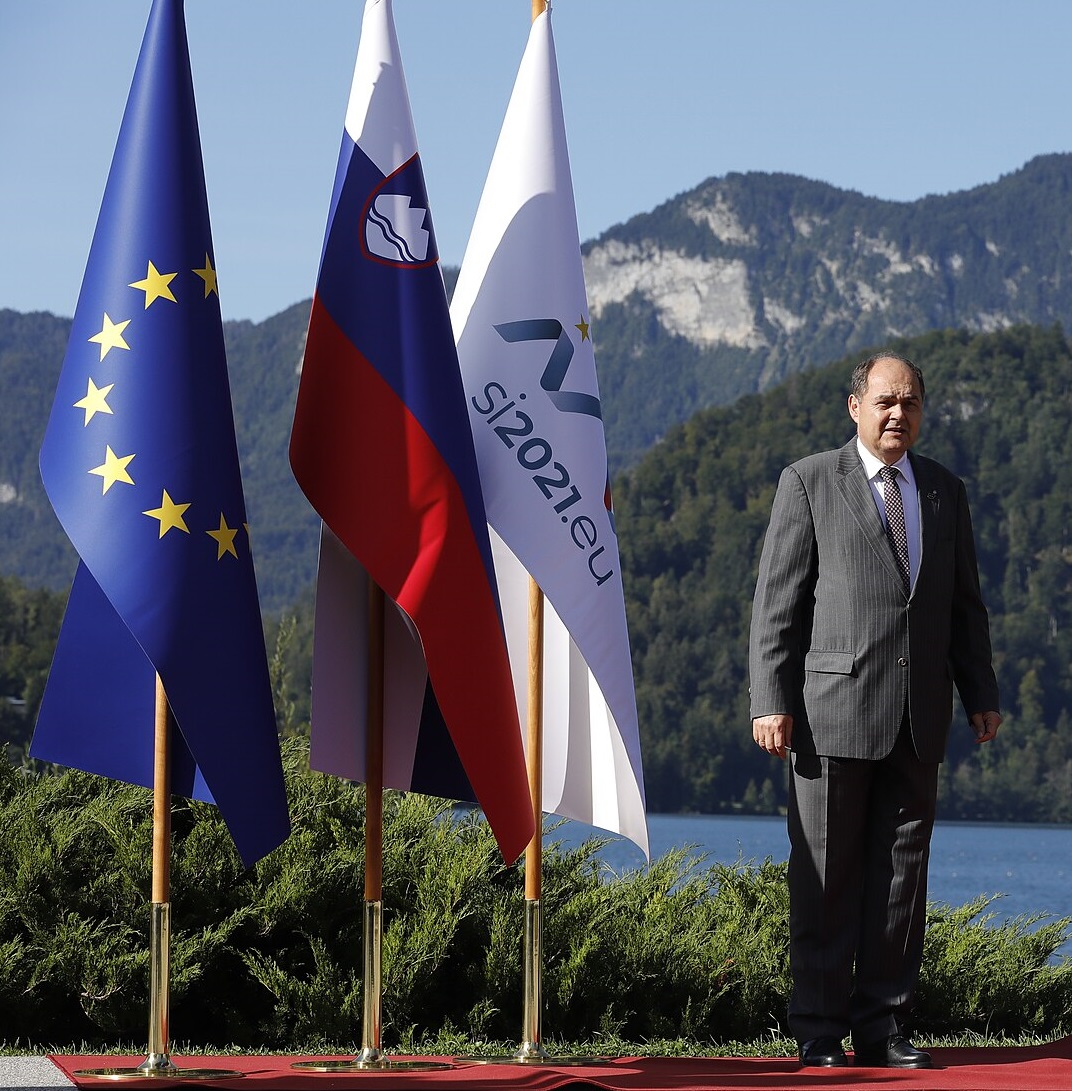
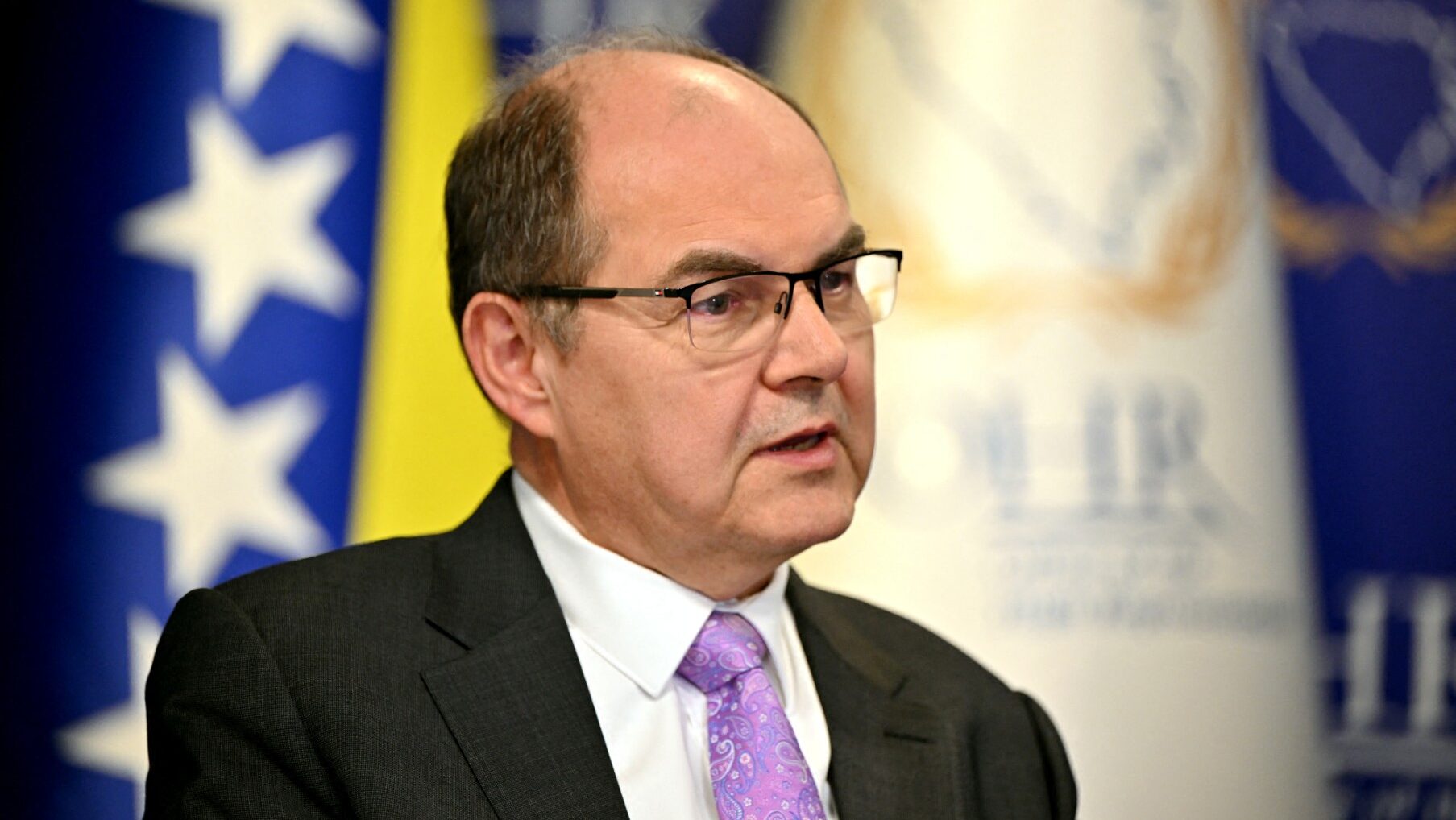
The outgoing UN high representative predicted that the multi-ethnic state he governed for years could be pushed towards fragmentation under external pressure from both the U.S. and Russia.

The extraordinary election had to be held after a court stripped former president Milorad Dodik of his position.

The Bosnian Minister of Foreign Trade and Economic Relations taunted his Balkan panjandrum with a relic from Hitler’s Germany.

With the Bosnian legal system continuing their fight against Milorad Dodik, his support in Republika Srpska is not weakening.

Around 6,000 drivers stopped goods deliveries, demanding changes to travel restrictions and better support for their industry.

President Milorad Dodik, whose removal by Bosnian authorities remains contested, does not view the Central Election Commission as legitimate and has vowed to resist central institutions and said he will stage referendums.