
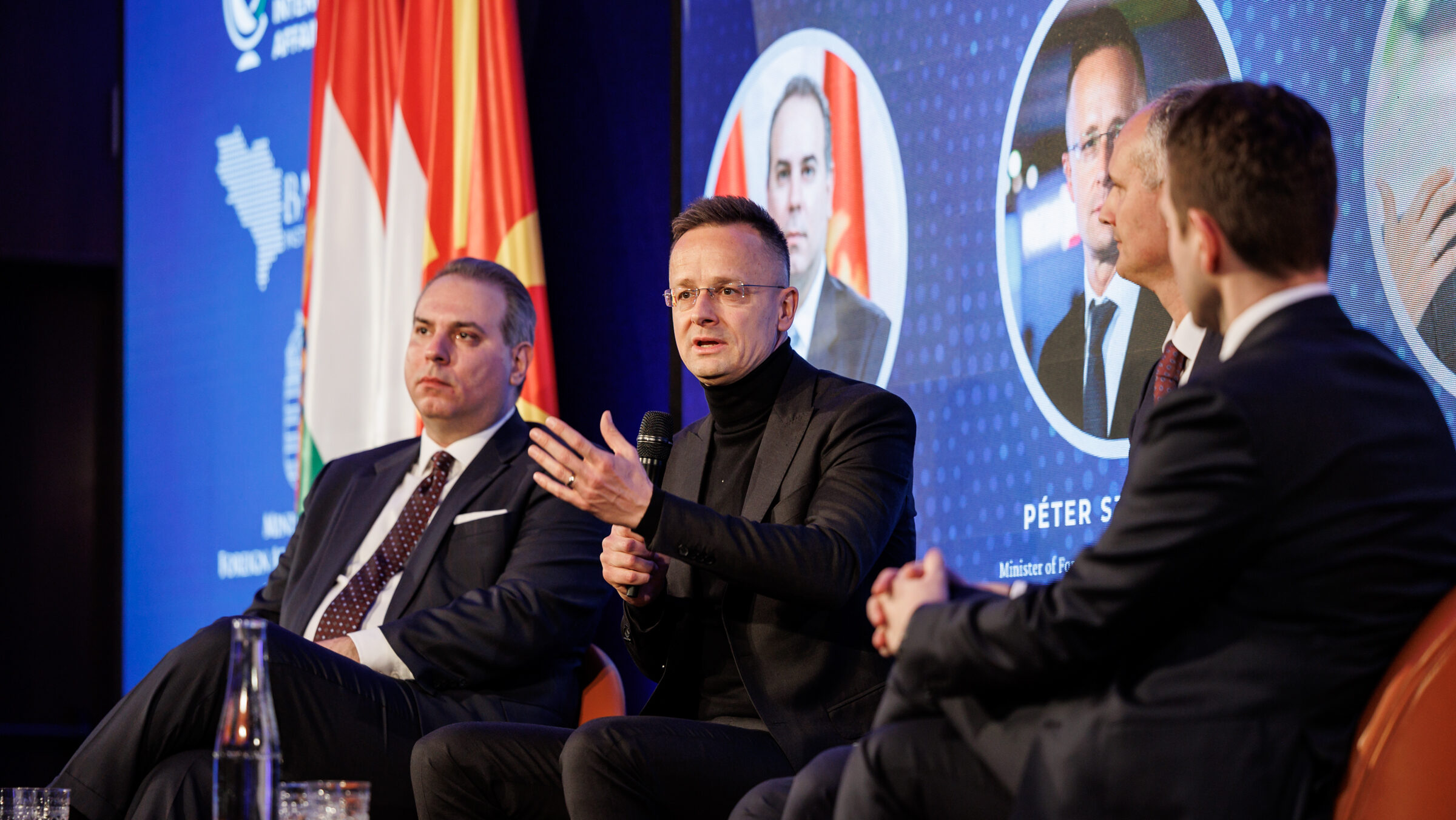
Western Balkans Nations Voice Frustration Over EU Accession Delays
Speakers at the Budapest Balkans Forum warned that the EU’s enlargement policy lacks credibility and clarity.

Speakers at the Budapest Balkans Forum warned that the EU’s enlargement policy lacks credibility and clarity.

The small Balkan state has been waiting to be allowed into the European Union for over 15 years, whereas a country currently at war claims it could join in 2027.
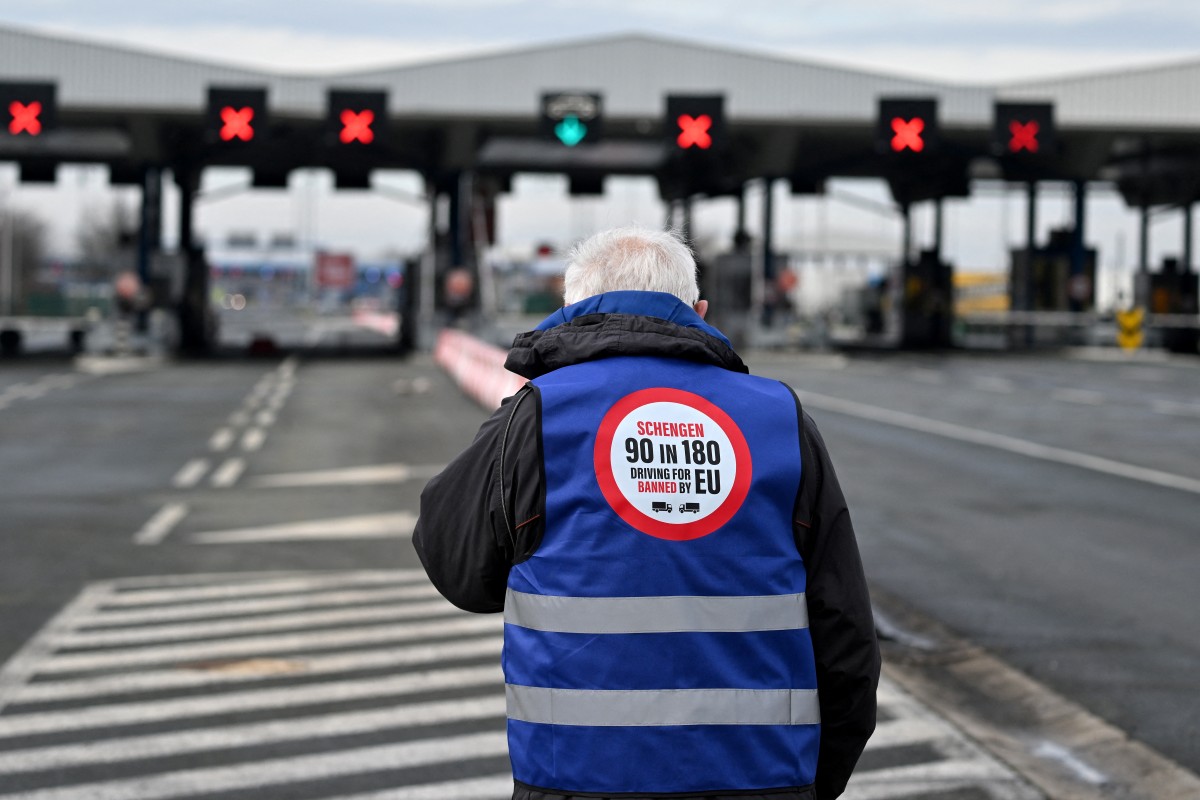
Checkpoints across Bosnia, Montenegro, and North Macedonia are blocked, with Serbian crossings also affected.
An influx of Turks raises concerns about radicalization, sectarian divides, and political shifts.

Enlargement commissioner Marta Kos said Ukraine “has demonstrated its commitment to its EU path,” but warned against further “backsliding.”
The law notably broadens the authority of the domestic intelligence agency and allows for the collection of citizens’ personal data without requiring judicial oversight.
For the first time, a non-EU member will join an EU military project—albeit with training and not fighting as its brief.

Montenegro has been stumbling from crisis to crisis since 2020 following the loosening of the Democratic Party of Socialists’ grip on power. Today, the invasion of Ukraine has fast-tracked its EU membership.
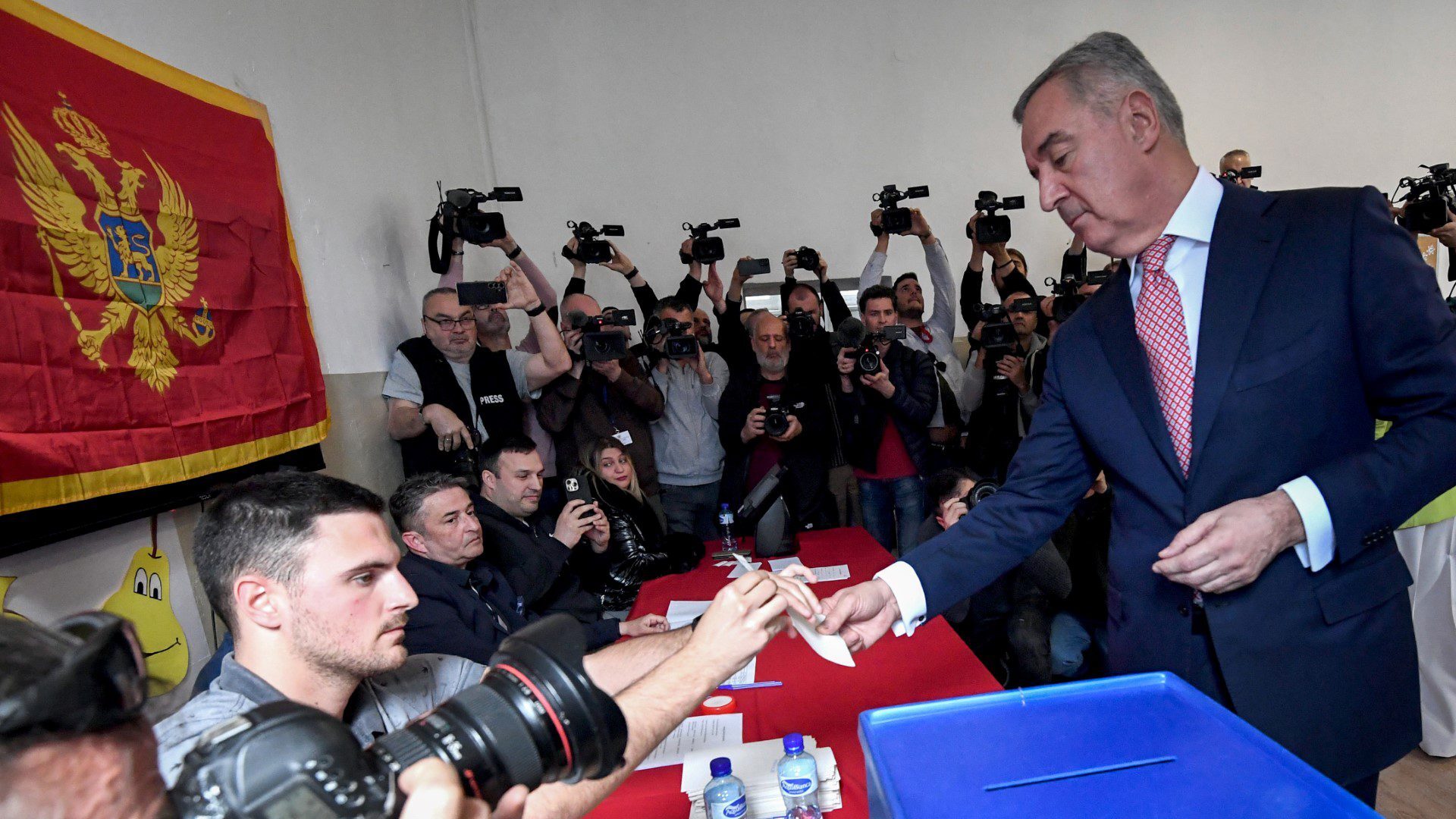
Incumbent President Đukanović received his lowest result to date, and in the face of a united opposition, Montenegro’s strongman leader could be on the ropes.
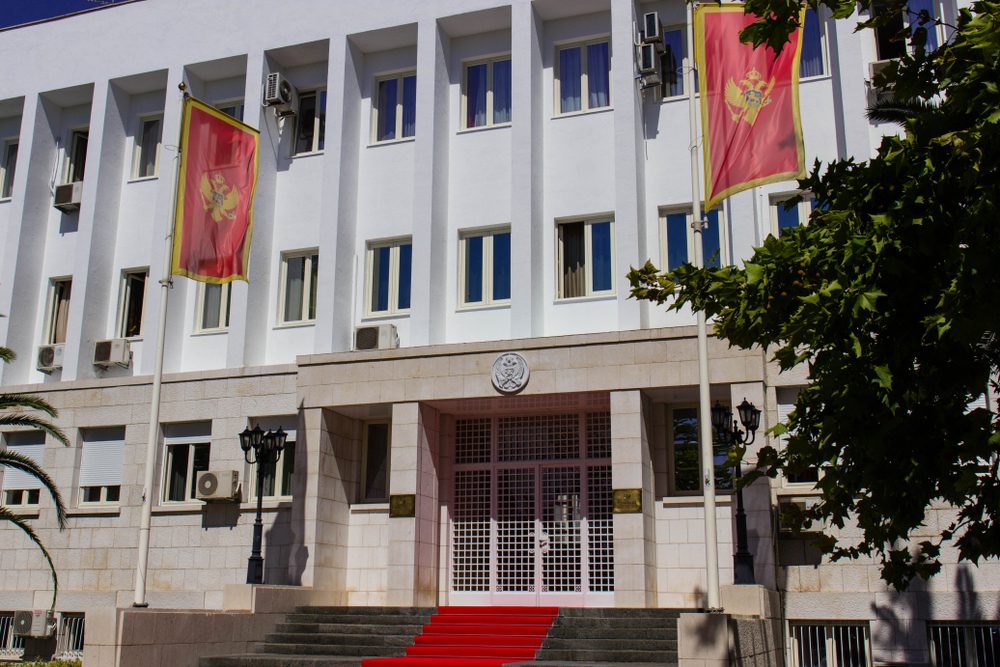
Experts describe Montenegro as being divided along pro-Russian and pro-Western lines, with a long running dispute over the status of the Serbian Orthodox Church.