100 years of Portugal’s National Revolution
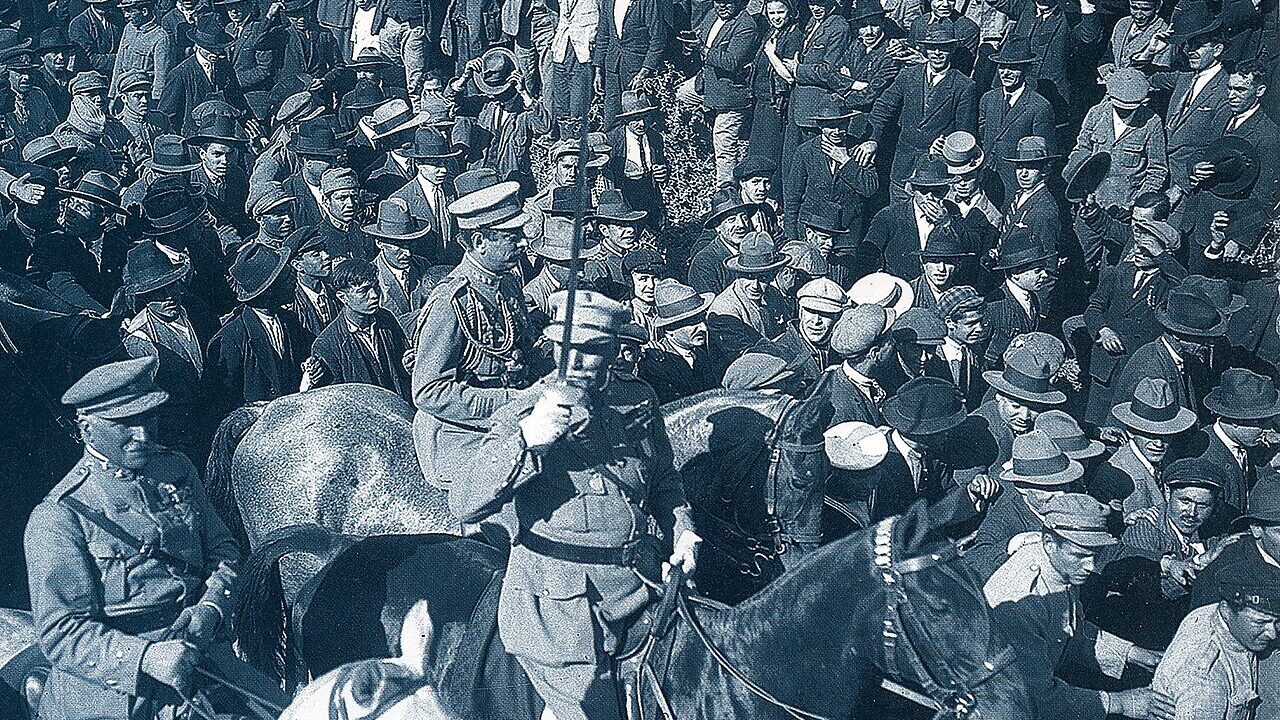
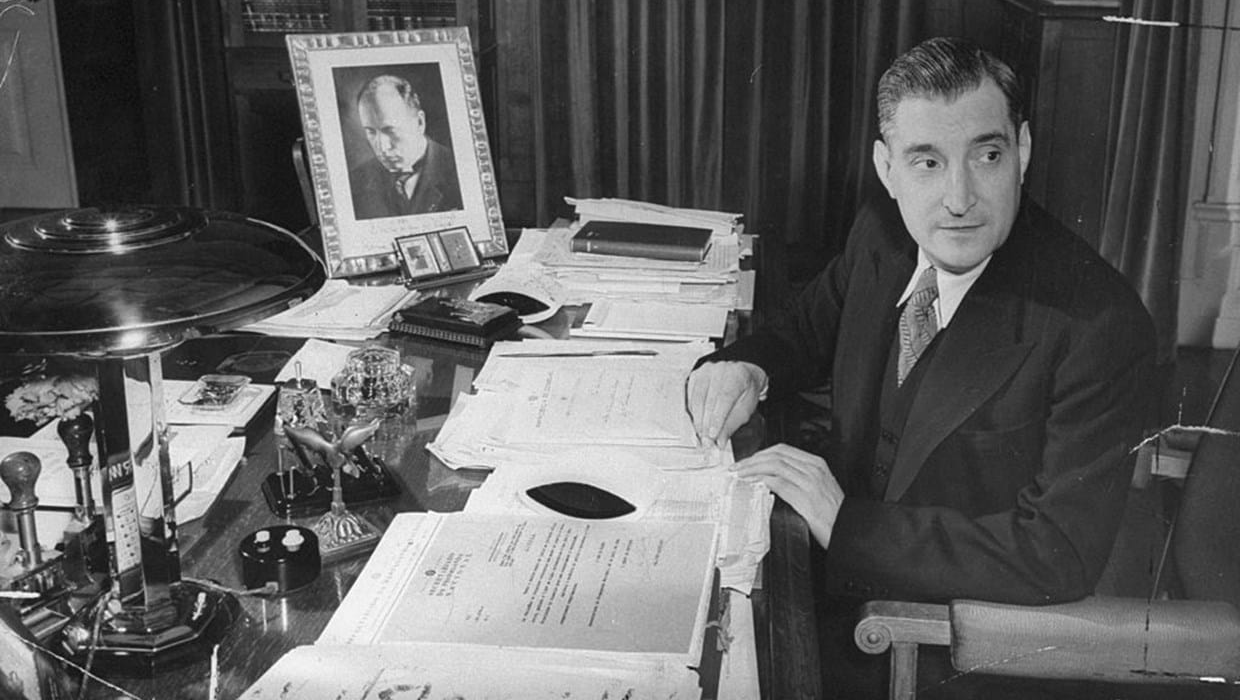
One hundred years ago, a crumbling nation took hold of its destiny, restored trust in politics, and called on the Right and the patriotic Left to join hands in a grand project of national salvation.

One hundred years ago, a crumbling nation took hold of its destiny, restored trust in politics, and called on the Right and the patriotic Left to join hands in a grand project of national salvation.

Europe’s elites have turned a powerhouse into a punchline, then give themselves medals for the collapse.

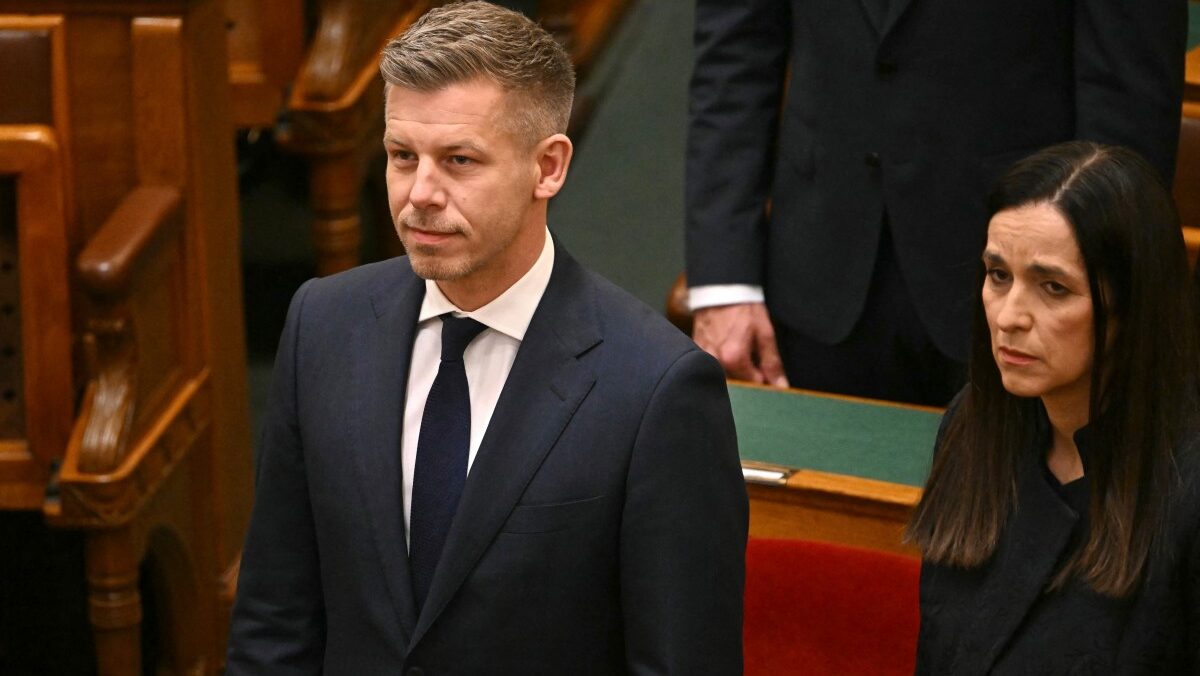
The Tisza leader campaigned as ‘Orbán 2.0,’ but days into office, he launched a Tusk-style parliamentary coup, purging conservatives, shutting down state media, and surrendering to Brussels on migration and foreign policy.

Portugal has been denationalised, deconstructed as a national community, and converted into a confusing, shifting ethnic puzzle. This is no longer a recipe for disaster—it is an existing one.

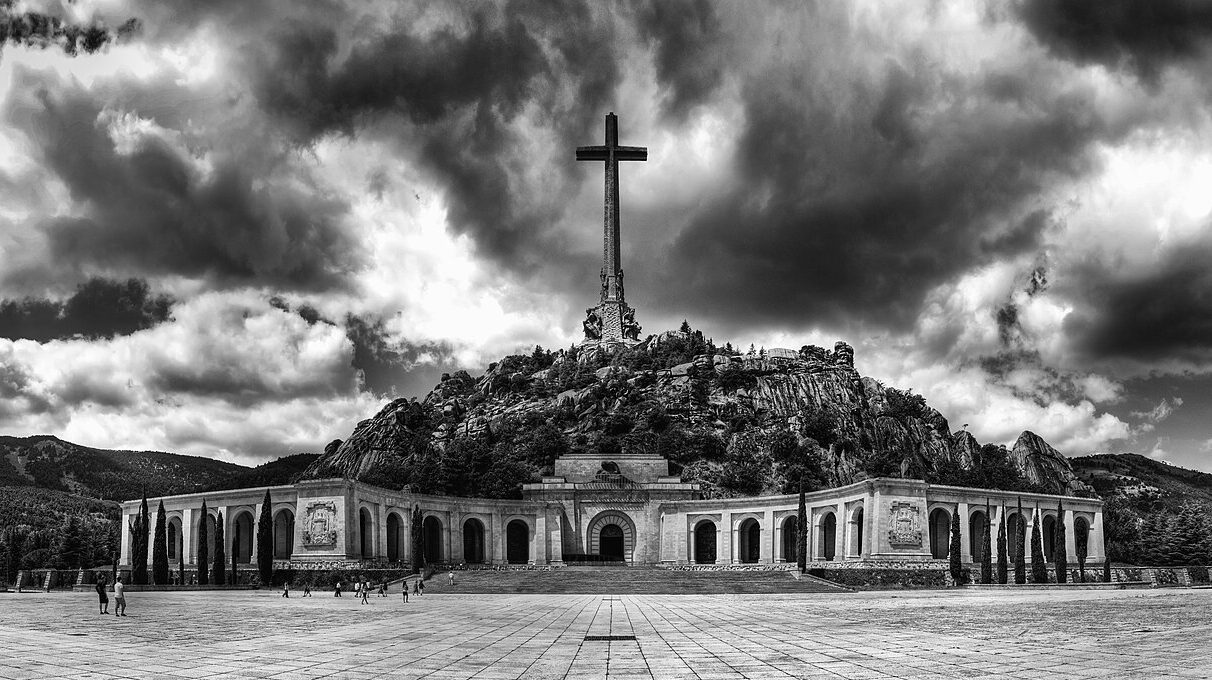
The timing of the new recognitions suggests Leo is paying attention to what is happening in Spain—and signalling that neither the anti-Catholic abuses of the past nor those of the present will be ignored.

“António Salazar was distrustful of the terms ‘right’ and ‘left’ and took his stand around a position of steady but unspectacular nationalism.”

Perfectly legal acts of political opposition to the establishment can lead an individual to suffer real, painful measures of state coercion.

On April 12, Hungarians will be called to choose between adherence to the national interest in governance and the same sort of Brusselian occupation that has led so many other European nations to decay.

“The West cannot champion human rights while ignoring the slow destruction of one of the world’s oldest Christian communities, the Assyrians.”

There is something decidedly grim beneath the normalisation of the Damascus regime: a tacit acknowledgement that violence, waged successfully enough, will eventually translate into legitimacy.