

Budapest Opens Door to EU Sanctions on Russia’s Patriarch Kirill
EU officials are preparing a “mini” sanctions package targeting about ten individuals, including figures previously shielded by the Orbán government.

EU officials are preparing a “mini” sanctions package targeting about ten individuals, including figures previously shielded by the Orbán government.
While Brussels promises to cut Moscow’s energy dependence, countries like France and Spain continue buying Russian gas as if nothing had changed.
Three years after reducing its dependence on Russian gas, Europe is still heavily dependent on imported oil and on strategic routes. The supplier may have changed. The dependence has not.
PM Robert Fico accused Kyiv of failing to allow the pipeline to resume operations despite assurances that repairs were possible.
The words of Belgian Prime Minister Bart De Wever reflect a shift in mood in Europe amid the escalating crisis in the Middle East
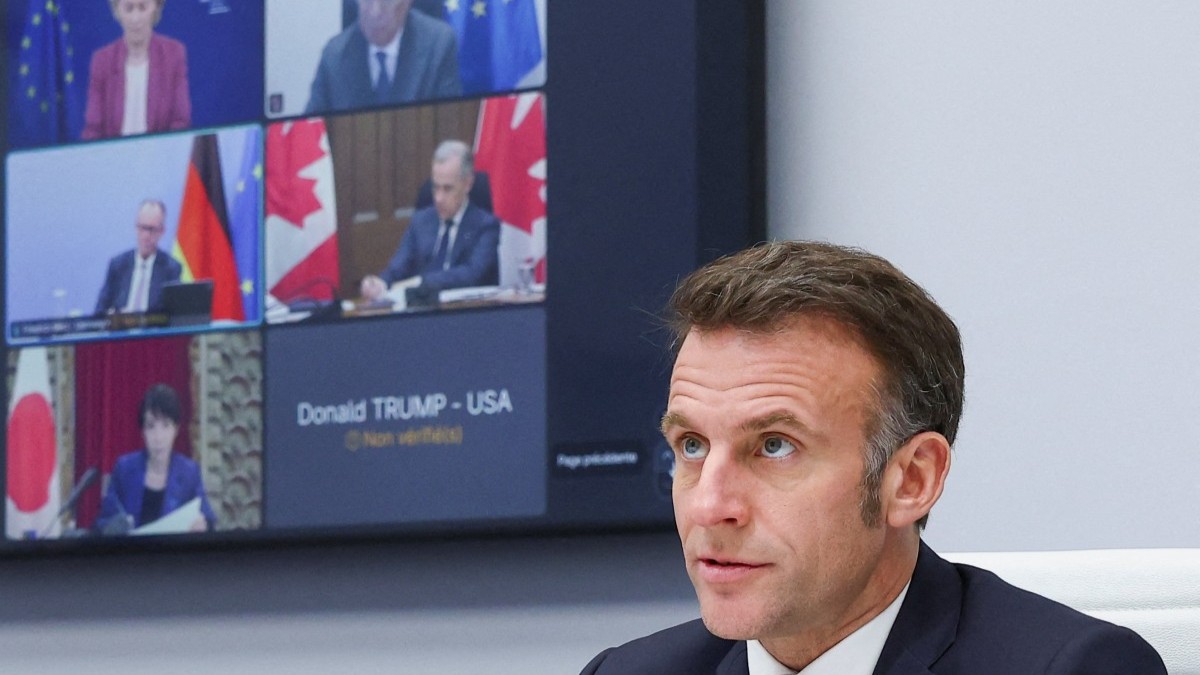
The French president also said there is “no confirmation” of mines being deployed in the Strait of Hormuz.
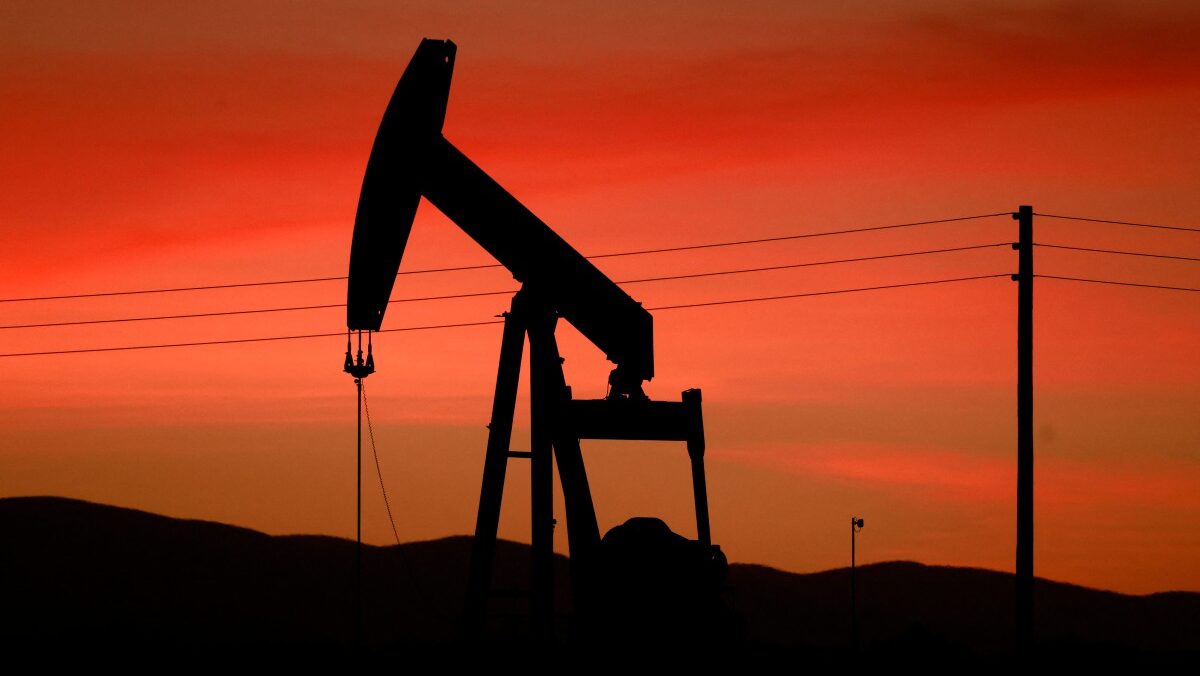
Washington has adjusted its sanctions policy to stabilise global energy markets, exposing a growing divide with European governments.
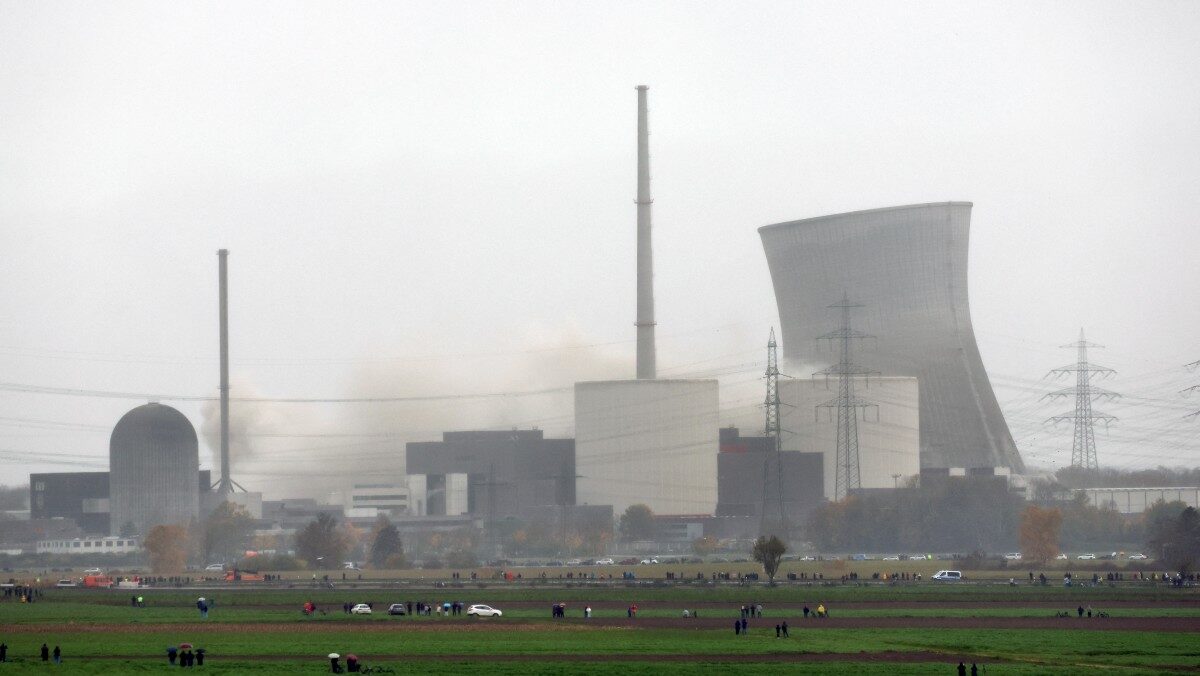
To simultaneously obliterate Germany’s nuclear sector and to cut off energy ties with Russia wasn’t simply foolish—it was self-sabotage of the highest and most unforgivable order.
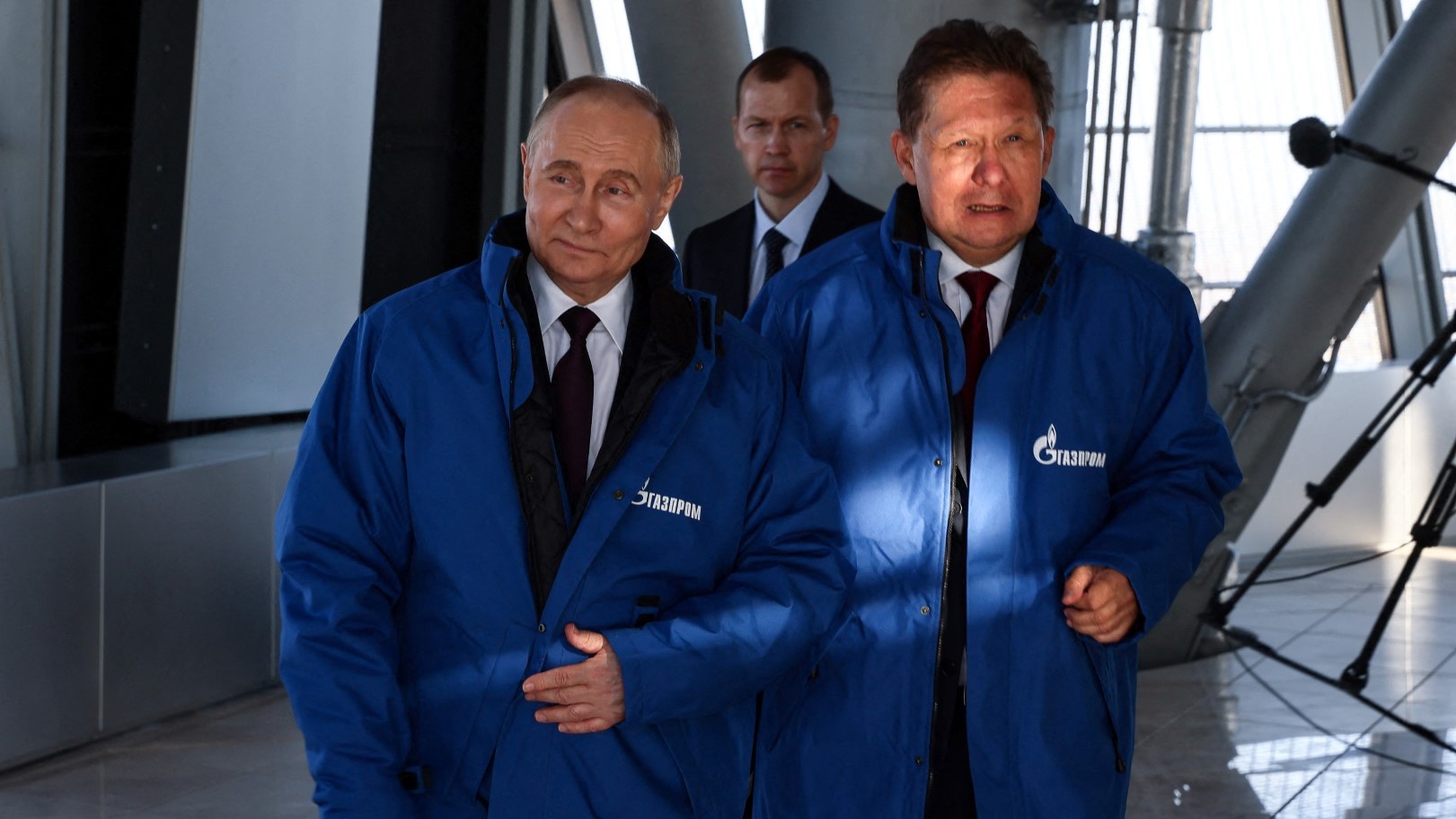
Sanctions have reduced the Kremlin’s margins, but they have neither curbed its exports nor eased Europe’s energy crisis.
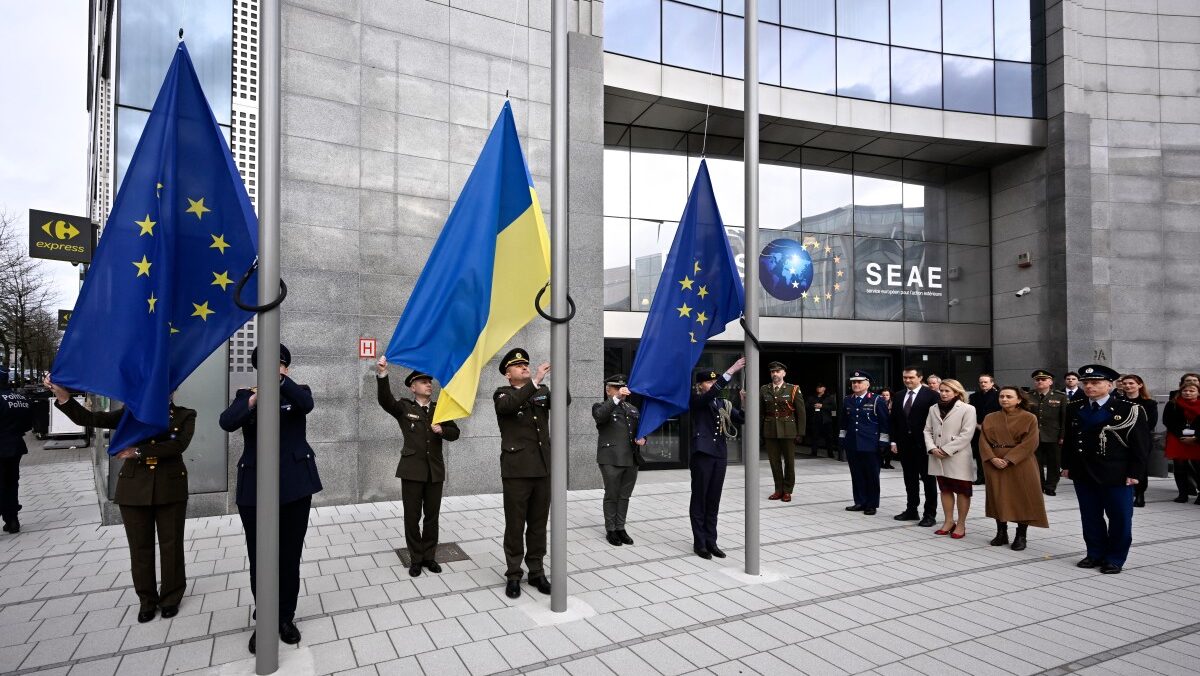
Hungary and Slovakia halt the twentieth package of sanctions, highlighting the increasing political fatigue within the bloc.