
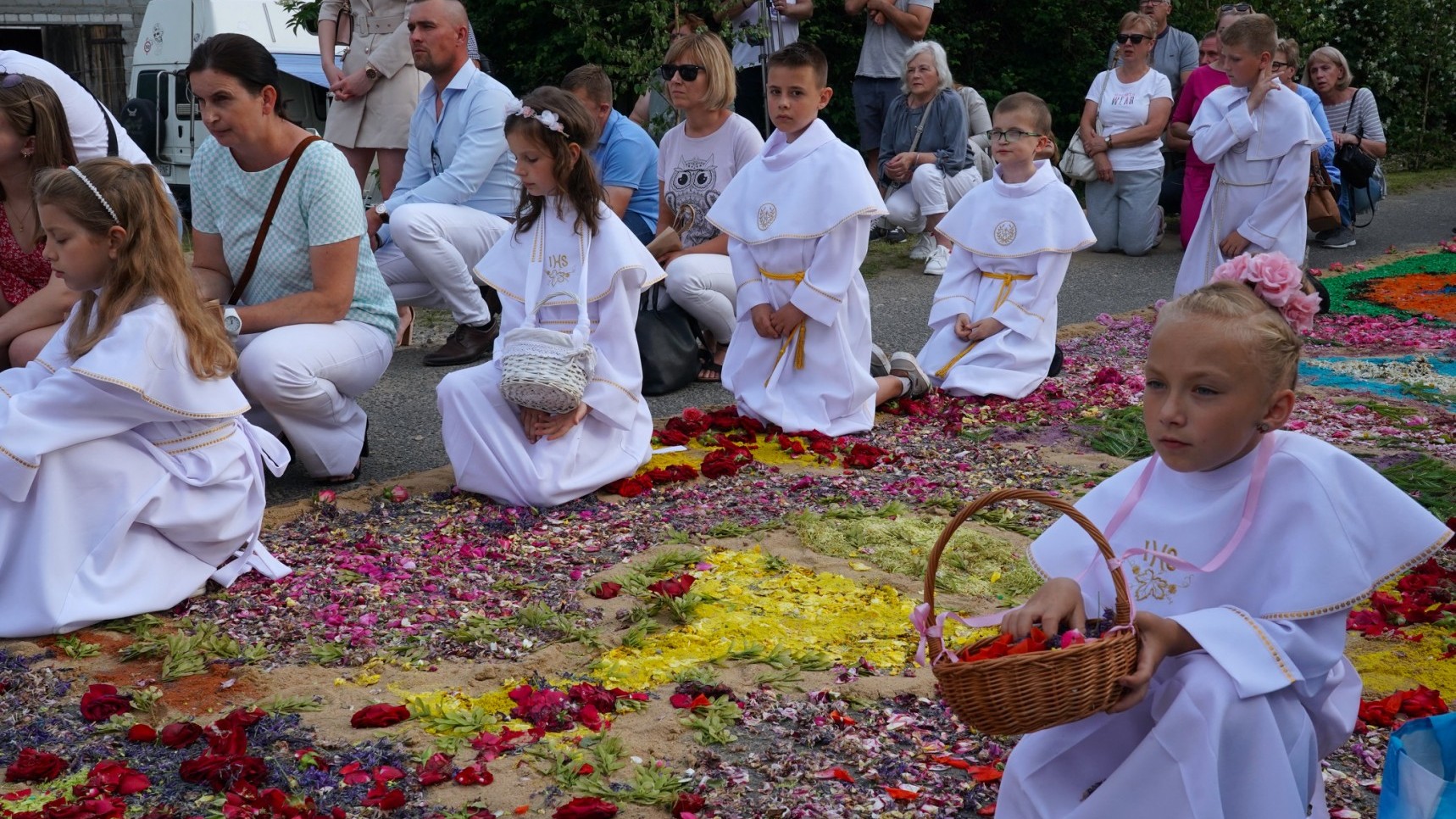
Poland Shows How Religion Can Be Removed from Public Life Without Being Banned
Administrative secularisation is quiet by design. Its instruments are technical; its consequences are not.

Administrative secularisation is quiet by design. Its instruments are technical; its consequences are not.

“We must lovingly safeguard the grandeur of humanity bestowed upon us and revealed in its fullness in Christ, the splendor of which no machine can ever replace,” the American pontiff wrote in his first encyclical.

An end-of-school-year ceremony in a Church of Sweden sanctuary exposed children and parents to Pride flags, free condoms, and a speech on ‘everyone’s equal value.’
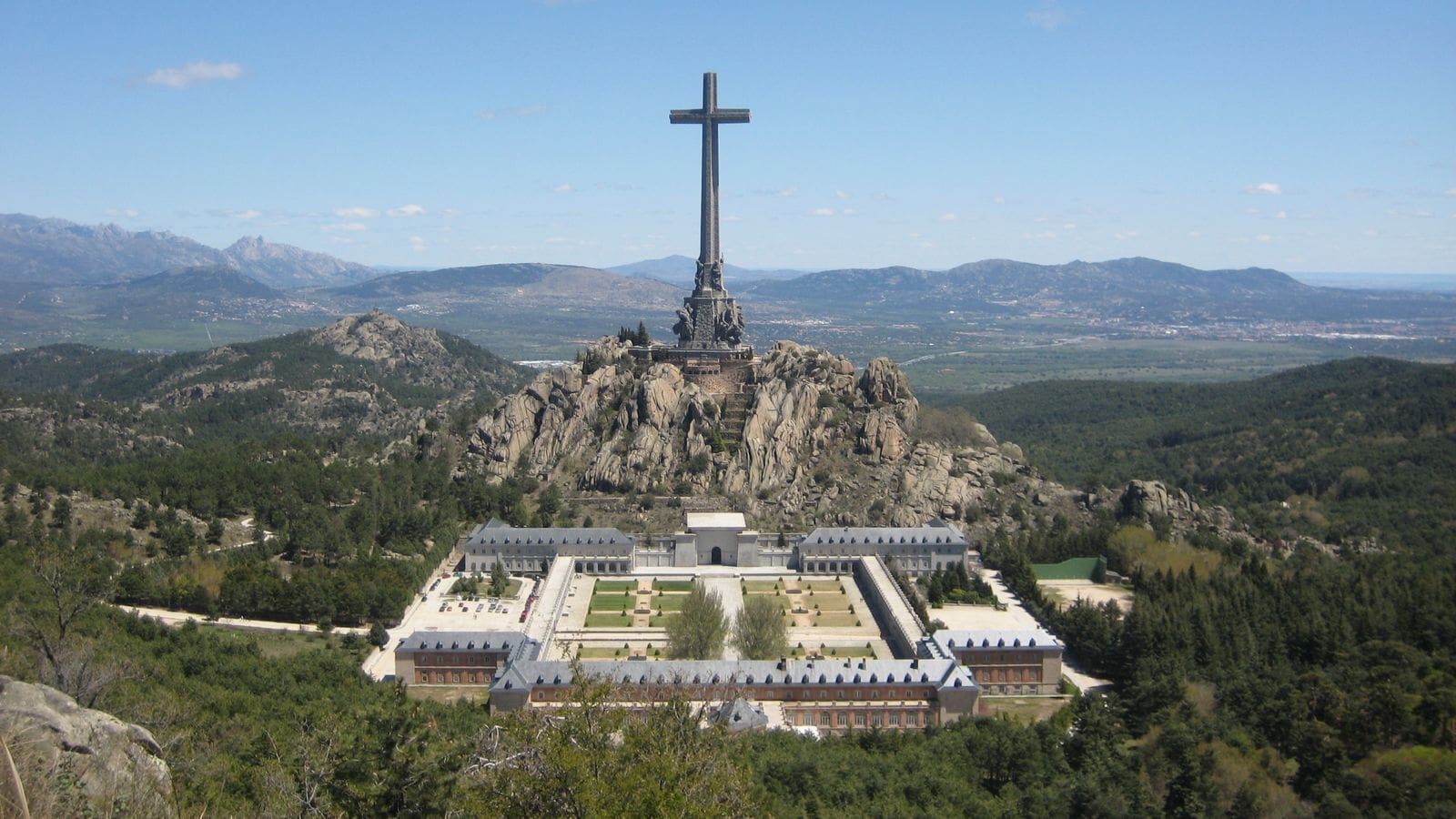
PM Sánchez wants to turn the sacred resting place of 33,000 Civil War dead into a secular museum touting his ‘official version’ of history.

The former Dutch prime minister and his wife chose to receive lethal injections simultaneously.

The litany of defeats and errors would make you think the football team was cursed. Maybe they are.
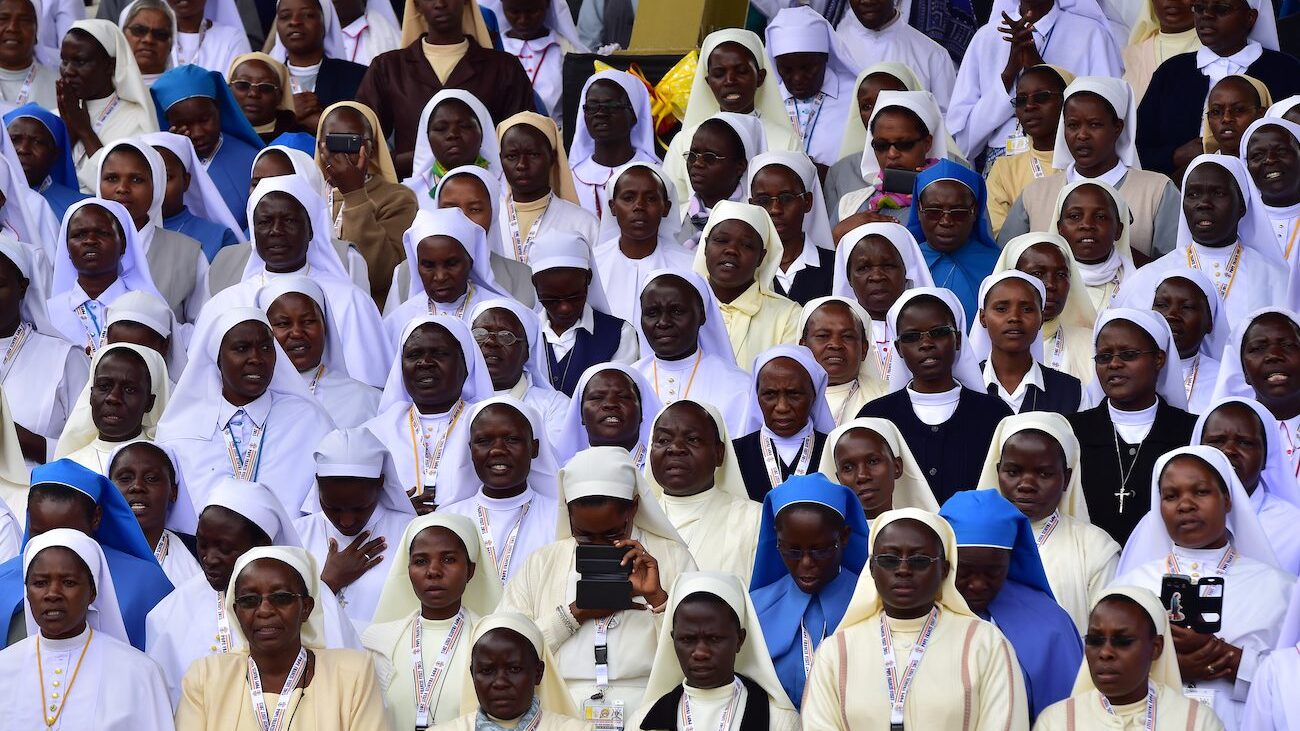
What more can the declining European Church do to assist the rising African Church to bolster the long-term future of Christendom?
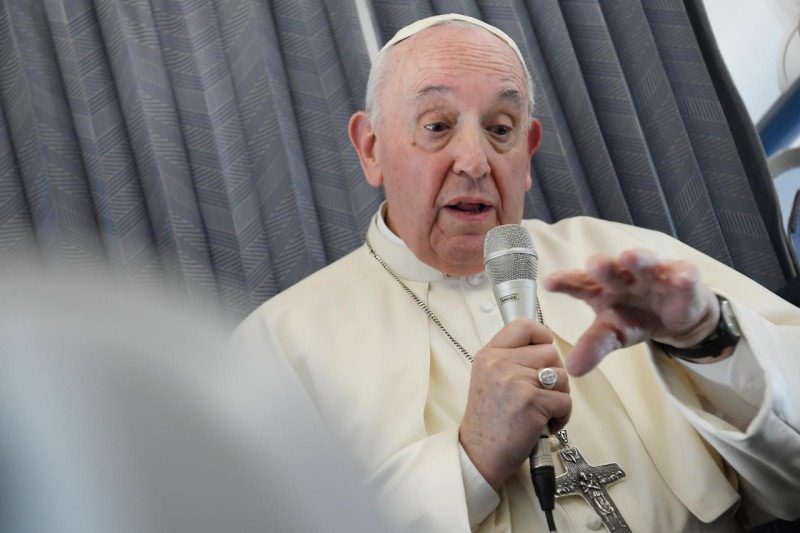
Pope Francis’ comments on the anachronistic and watered-down secularism of the modern EU suggest that the globalization of liberal ideology is little more than a form of ‘ideological colonisation’ that neither respects the cultural particularity of individual nations nor protects the openness of the public sphere to the worship of God.

Deep-rooted internal divisions among the Catholic Church’s upper echelons have been revealed as Scandinavian and Polish prelates have expressed deep concern over the radical, secularly progressive direction of Germany’s ‘Synodal Way.’