

250 Years After Independence: Experts Examine Current Transatlantic Tensions
Academics, philosophers, and political figures analyzed the legacy of the American Revolution and the future of the U.S-Europe relationship at an MCC Brussels event.

Academics, philosophers, and political figures analyzed the legacy of the American Revolution and the future of the U.S-Europe relationship at an MCC Brussels event.
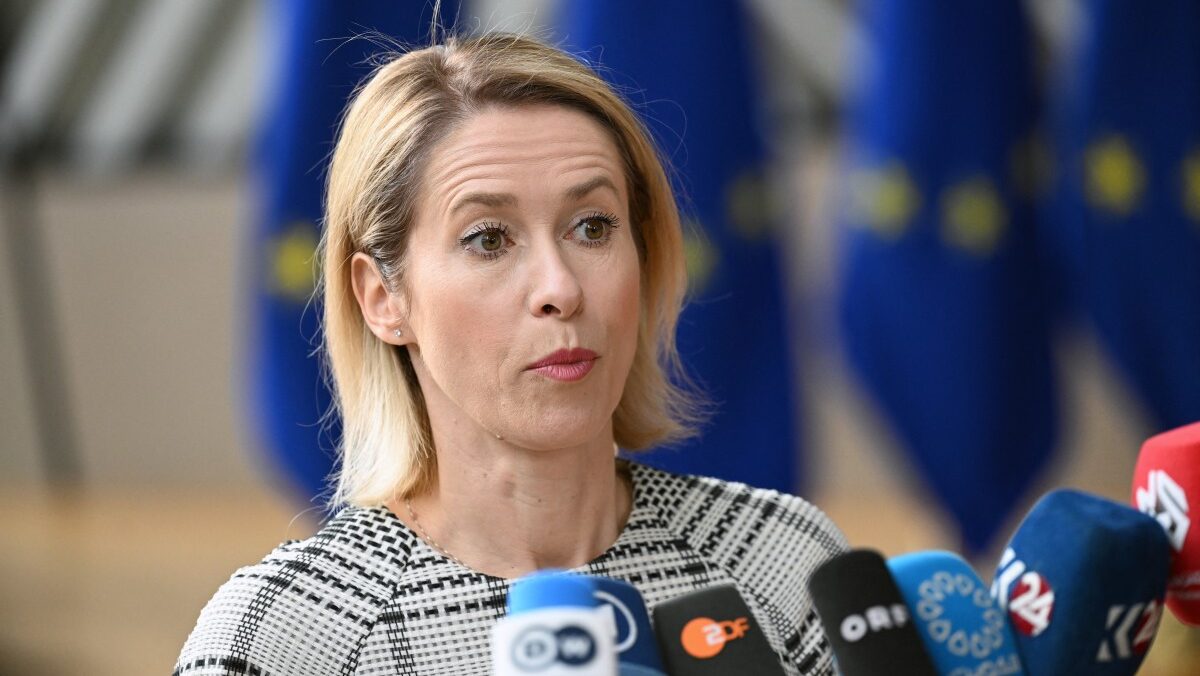
Sovereign states coordinating defence by consent, in preference to an emergency federalism that issues handbooks because it cannot field divisions: that is the only direction worth defending.

A stable Hungarian government under Orbán—whose political consistency has made him one of the most recognisable advocates of national prerogatives inside the EU—contributes to a more balanced institutional environment.

Transatlantic tensions increasingly stem from conflicting views on democracy and sovereignty, Peek says.
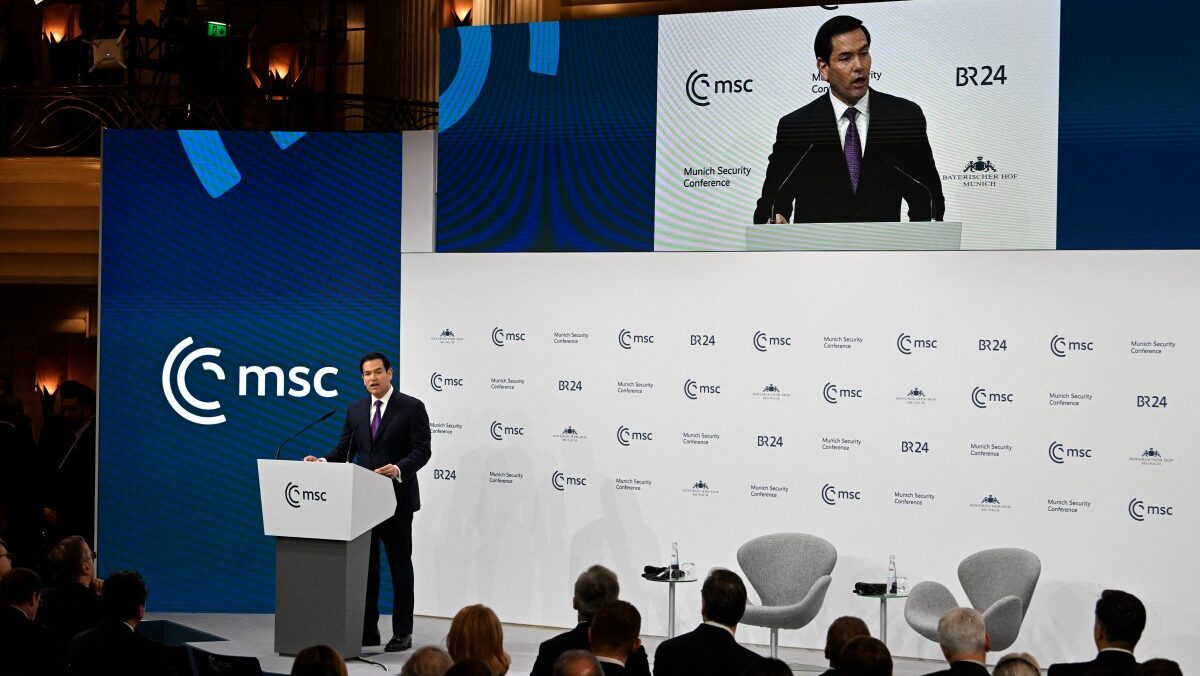
As the U.S. courts Central Europe, the battle over who defines ‘the West’ moves to the center of transatlantic politics.

Speaking at the Munich Security Conference, the German Chancellor stressed that NATO remains a strategic advantage for both Europe and the United States.
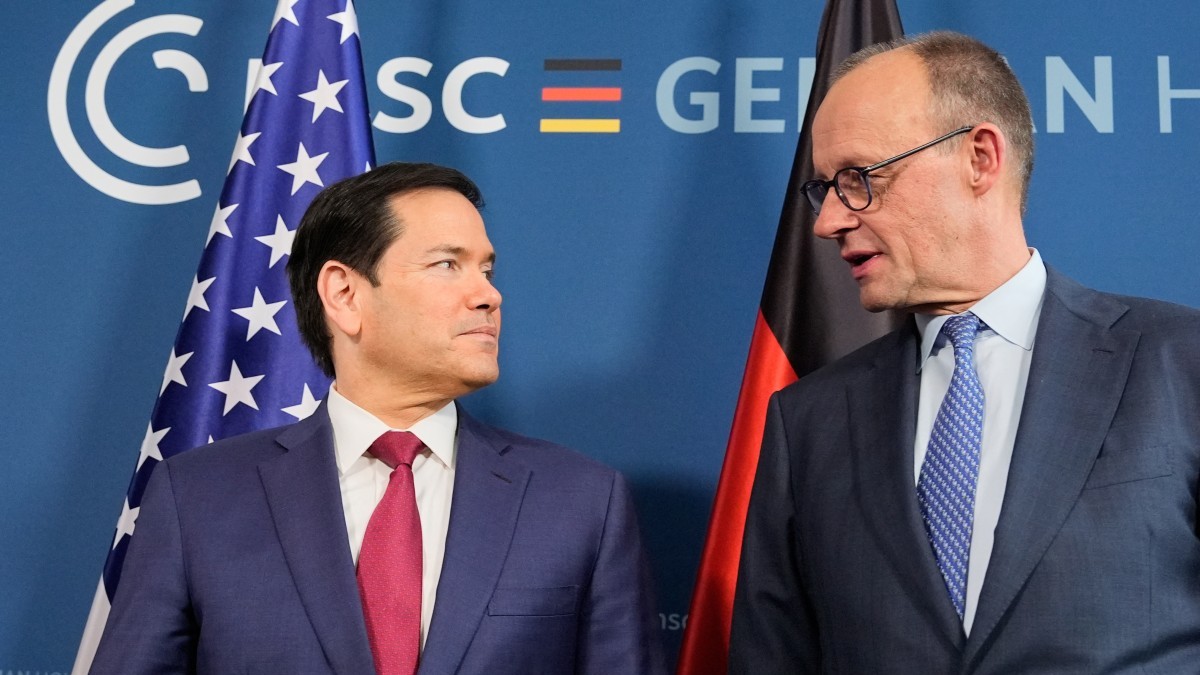
The U.S. secretary of state declared in Washington that “the old world is gone.”
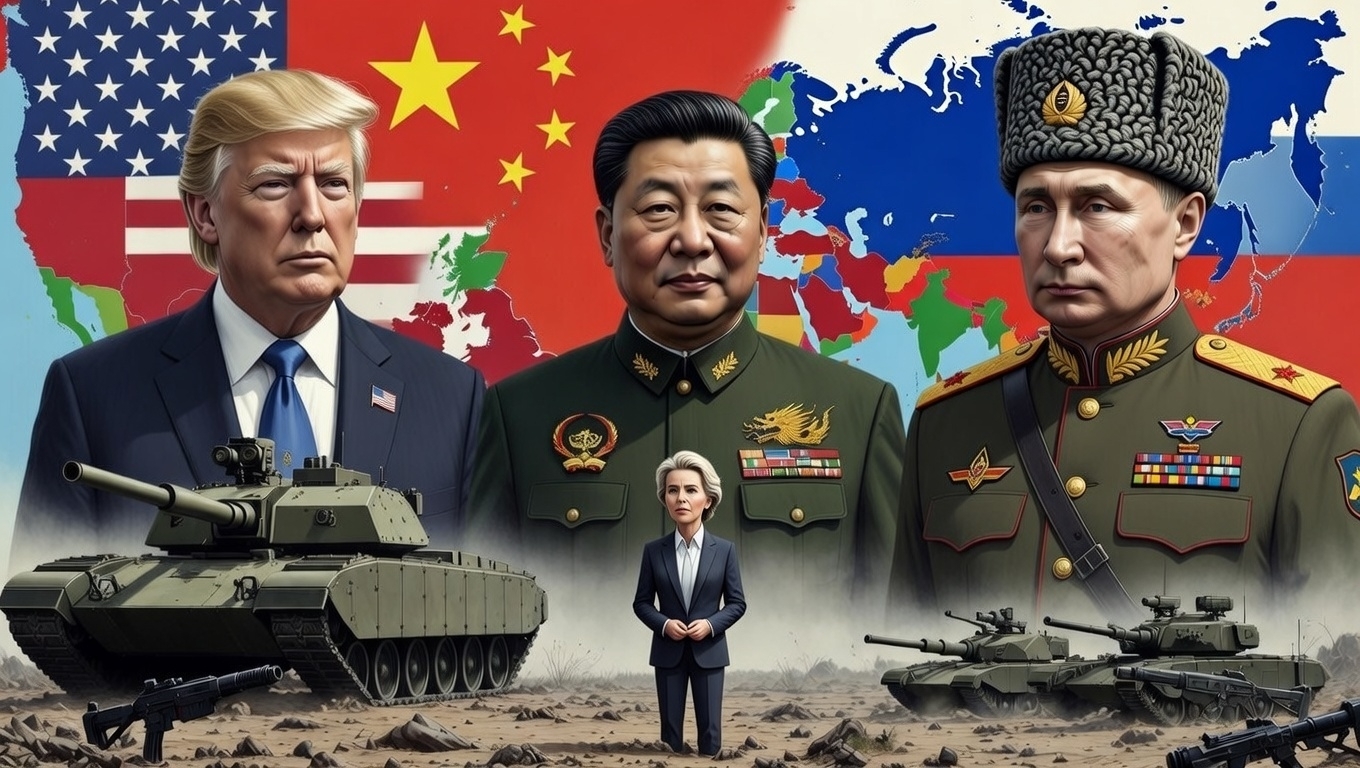
The weakening of the transatlantic bond and China’s strategic advance are forcing Europe to make decisions it can no longer postpone.

In security policy, ‘commitment issues’ are measured in capabilities, not flowers, and Europe must choose between relying on U.S. reassurance and building the capacity to stand on its own.
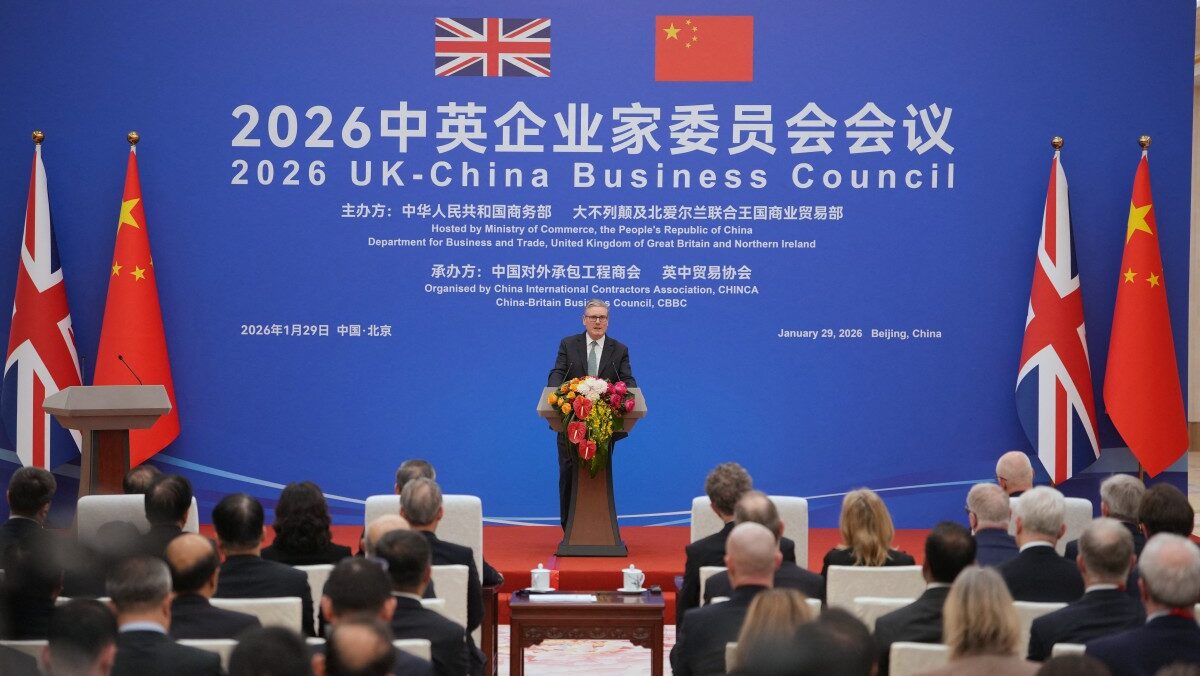
European leaders are quietly re-engaging Beijing to protect trade and supply chains, underscoring how hard China is to replace for a competitiveness-strained Europe.