
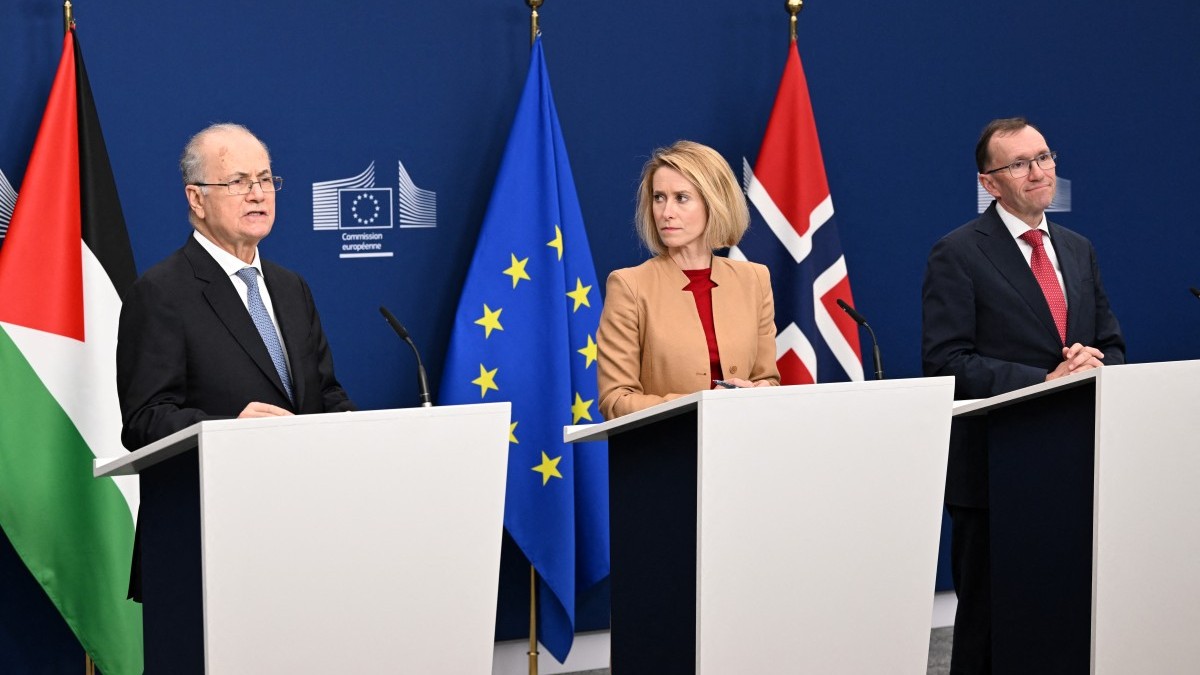
Divided on Israel, Brussels Struggles to Stay Relevant in Middle East Policy
A Monday meeting in Brussels was supposed to reorder the European position on Lebanon, the Palestinian Authority, and the two-state solution.

A Monday meeting in Brussels was supposed to reorder the European position on Lebanon, the Palestinian Authority, and the two-state solution.

The terrorist organization that perpetrated the October 7 pogrom welcomed the decision by Britain, Canada, and Australia, saying it will lead to a sovereign Palestinian state “with Jerusalem as its capital.”
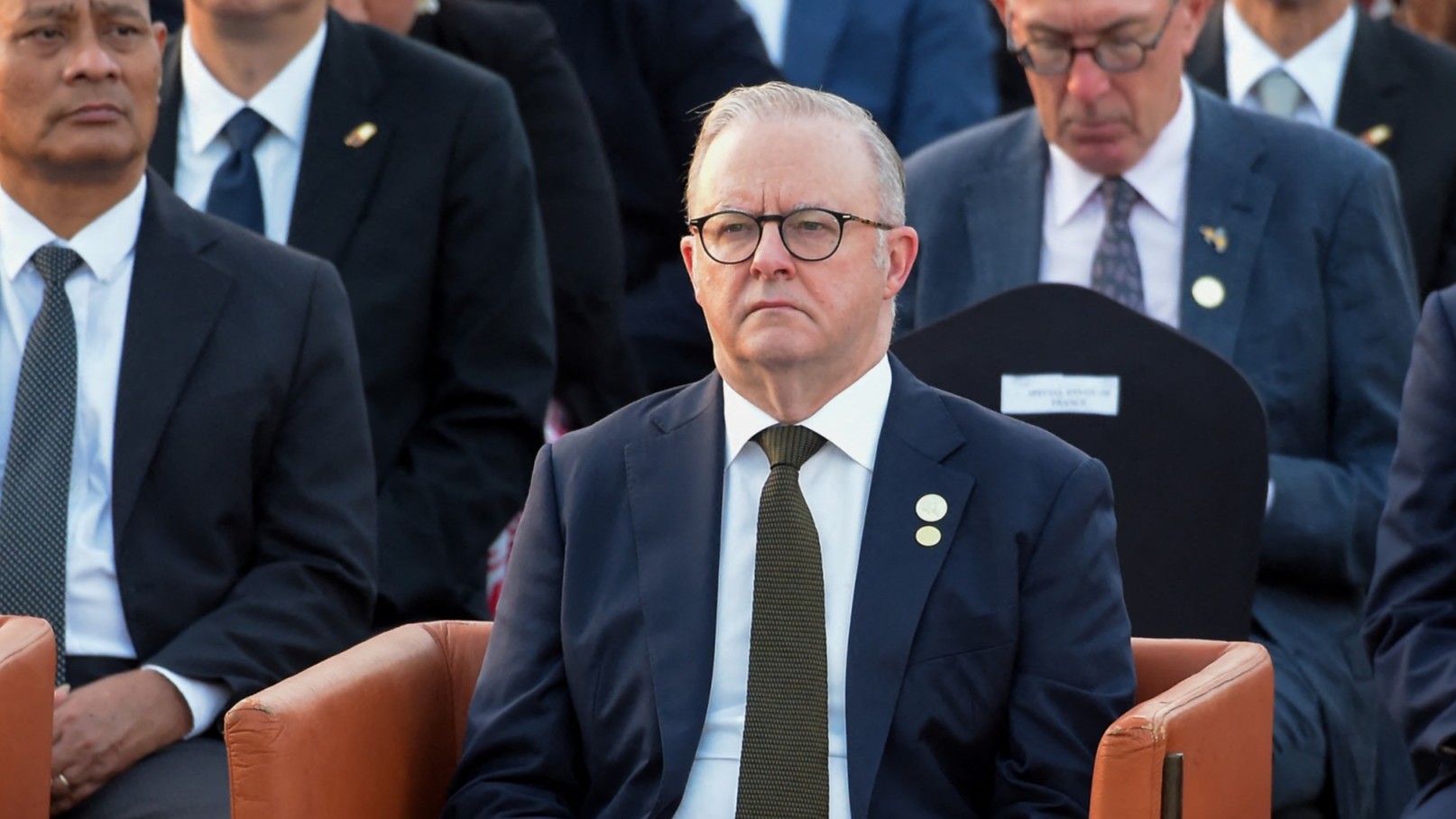
Australia has now joined Western countries like Canada and the UK in turning their backs on Israel.
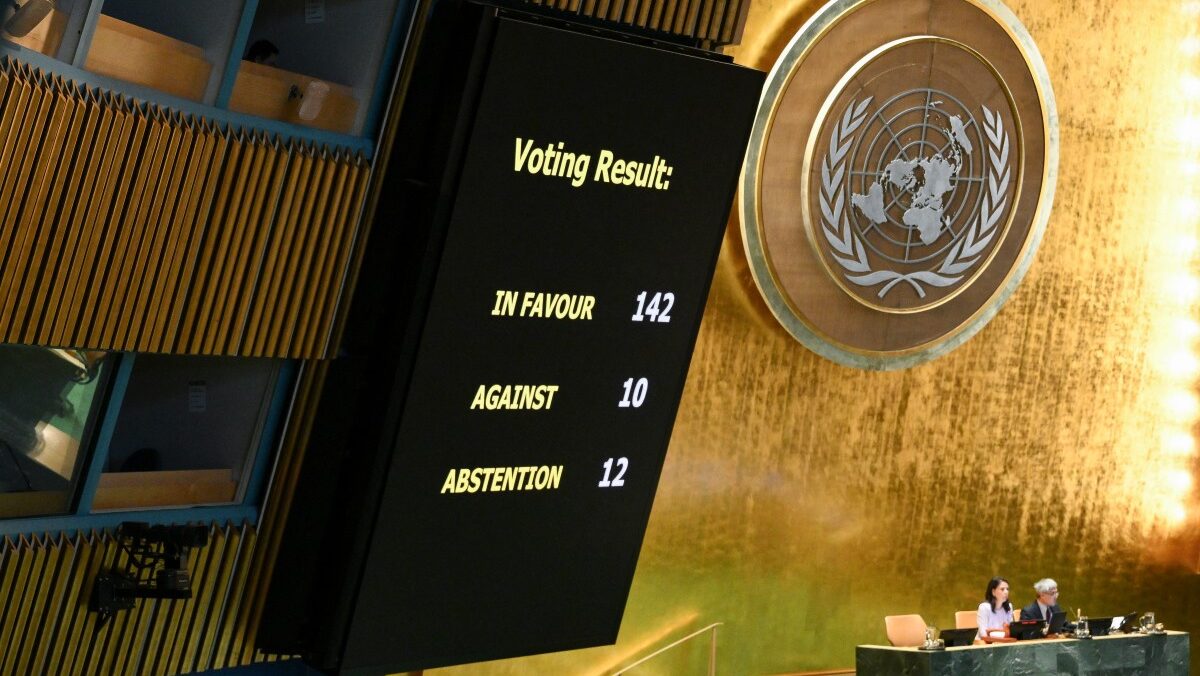
With 142 votes in favor, the UN for the first time officially condemned Hamas, marking a historic step in international response to the October 7th attacks.

A real solution can only come through the marginalization and neutralization of religious extremist forces, both Islamic and Jewish.
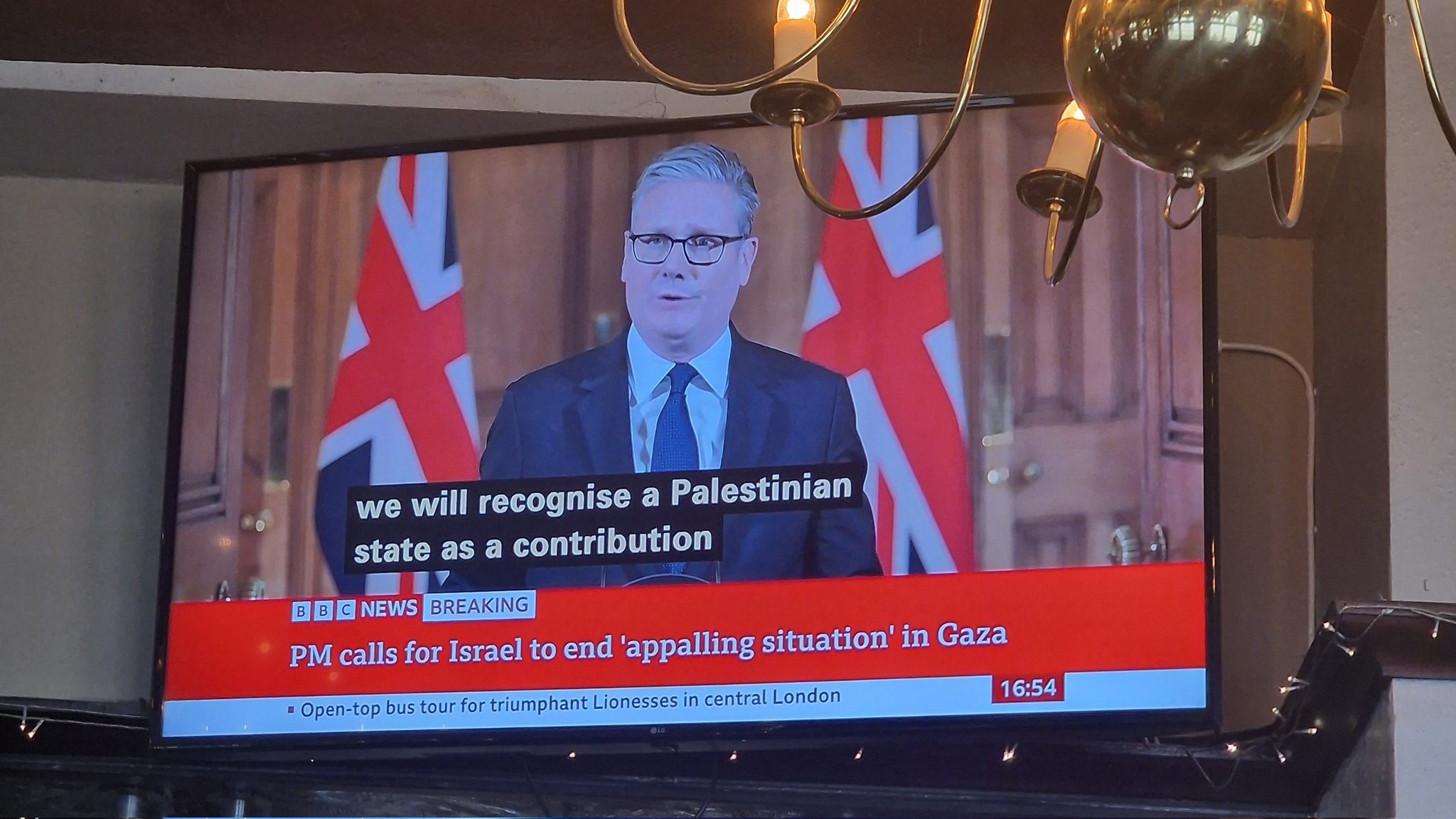
Israel said the shift in British policy “constitutes a reward for Hamas.”

Peace will not come from the obsession with creating a second state where the first is still denied.
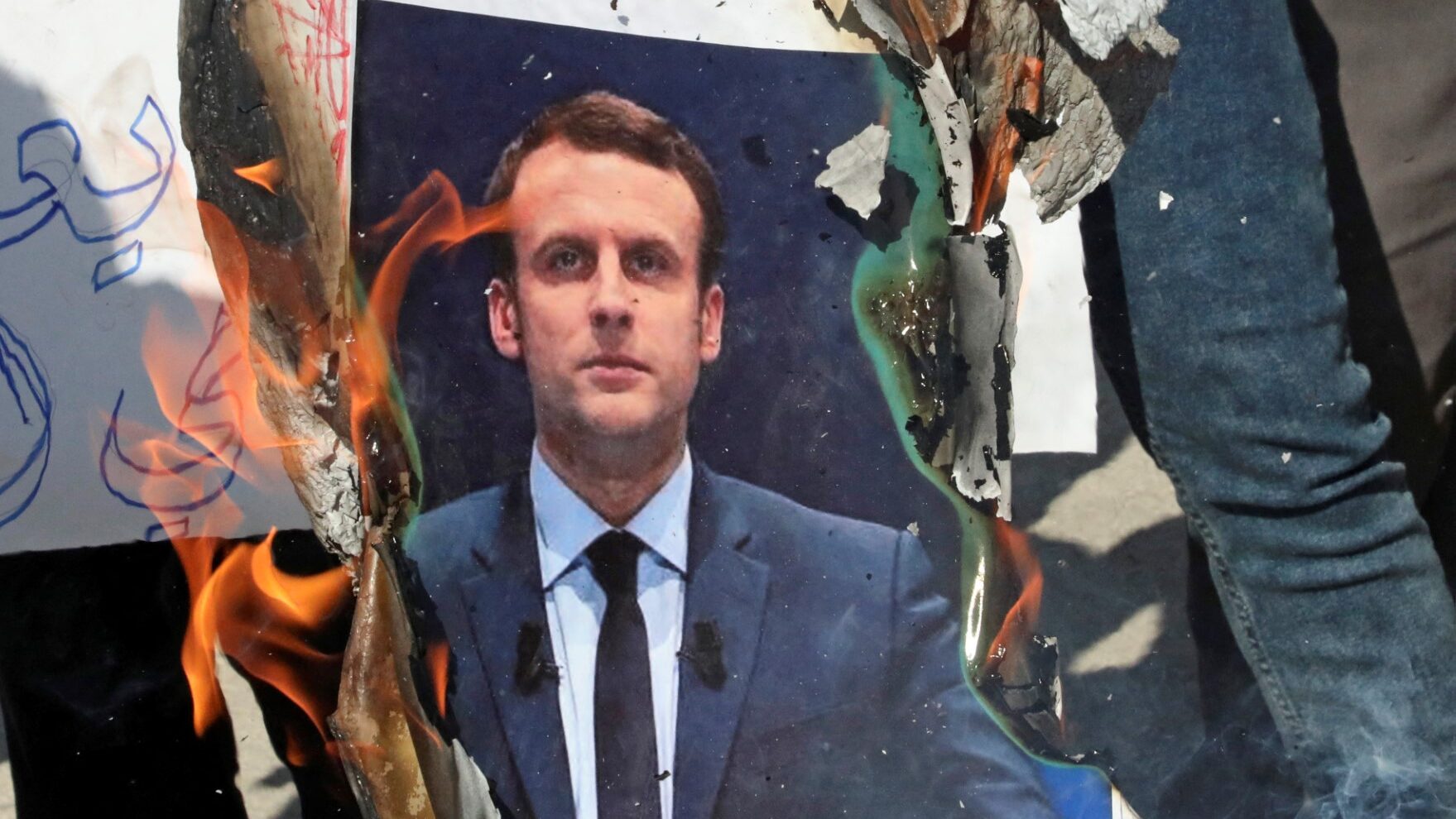
Many see electoral motives behind Macron’s move, given France’s large Muslim population and widespread protests over the war in Gaza.
The top diplomat of the embattled Spanish Socialist government is going nuclear on Israel while his administration might soon fall.
The upcoming session is aimed to address a proposed two-state solution to the Palestine conflict, a proposal the U.S. is fighting fiercely.