
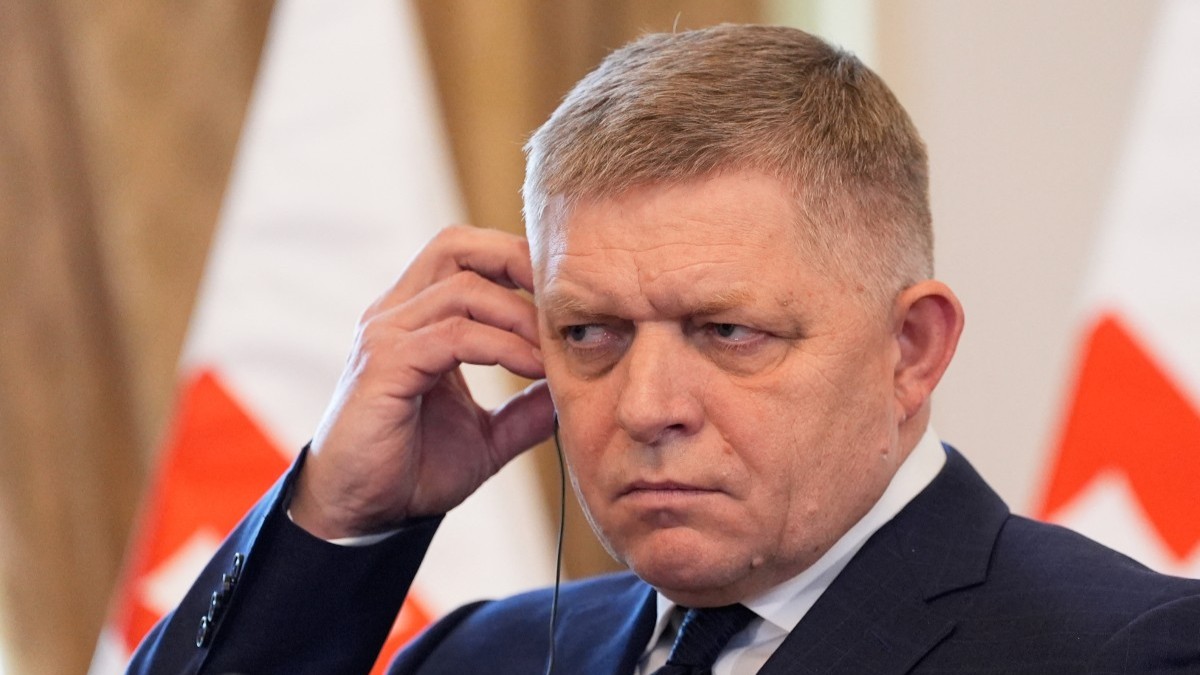
Slovakia Ready To “Take Over Baton” from Hungary of Blocking €90 Billion Loan to Ukraine
Robert Fico said on Sunday he is prepared to block the European Union’s loan package to Ukraine should Budapest’s position shift after the elections.

Robert Fico said on Sunday he is prepared to block the European Union’s loan package to Ukraine should Budapest’s position shift after the elections.
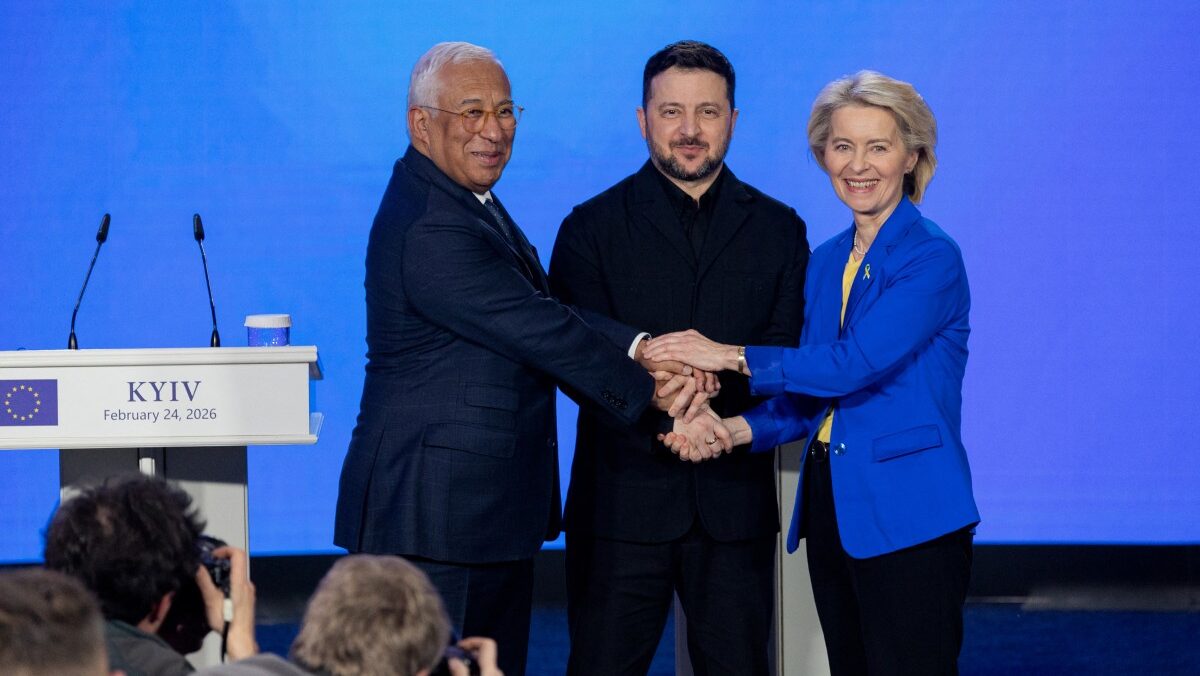
Plans in Brussels to fast-track Ukraine’s membership are running into resistance, as several EU governments insist Kyiv must meet the bloc’s full entry conditions first.
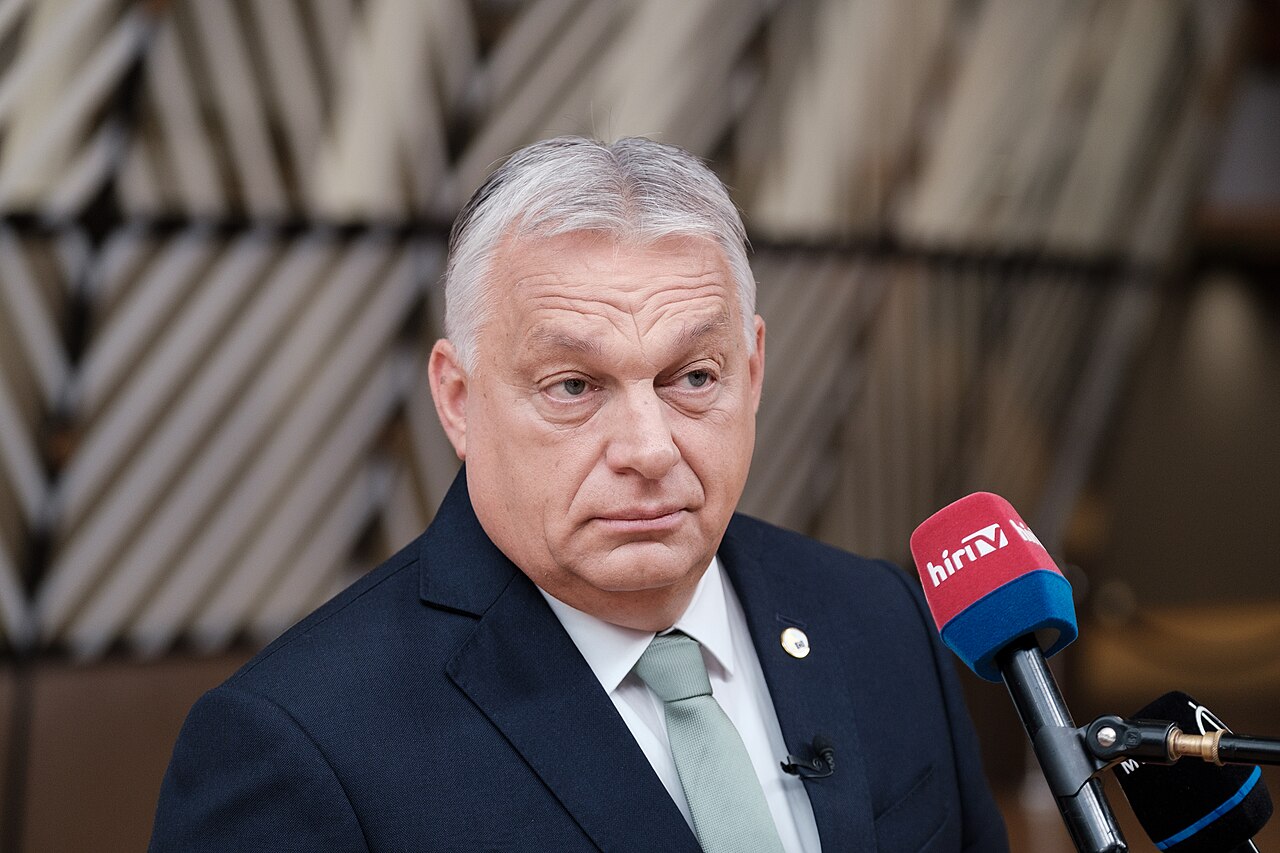
PM Orbán of Hungary emphasized that his country will not support Brussels decisions favoring Kyiv while the pipeline dispute continues.
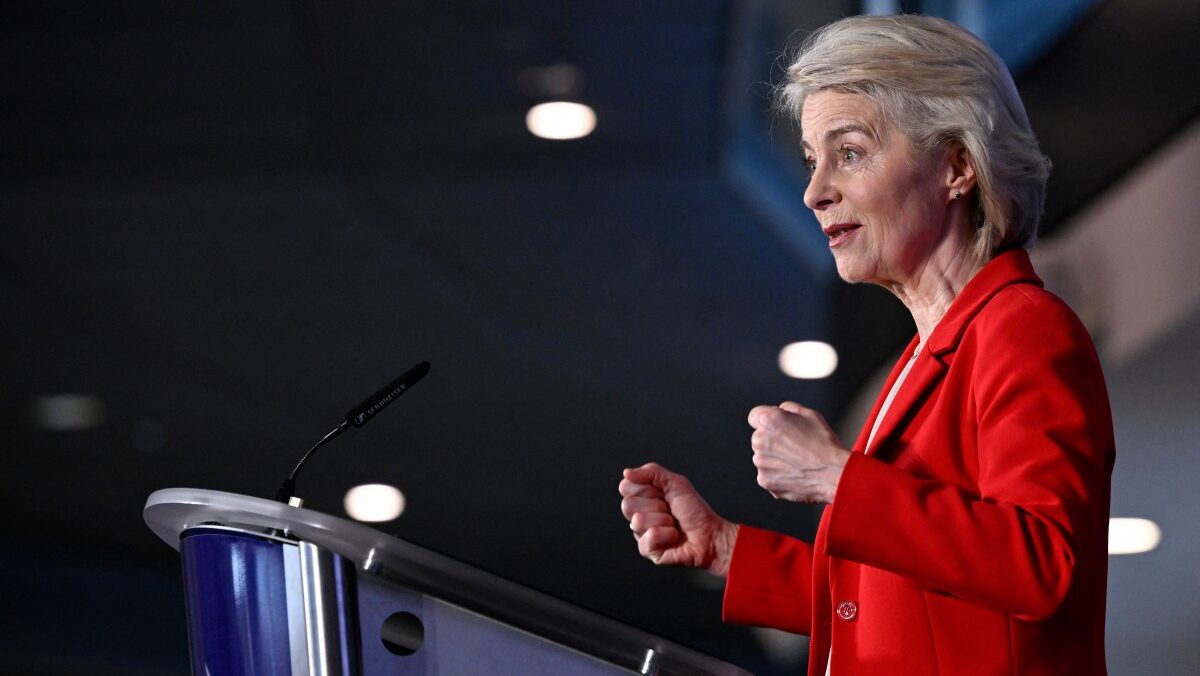
From pledges of “European solidarity” to a hastily convened security meeting, Brussels’ top official is accused of mistaking publicity for power.
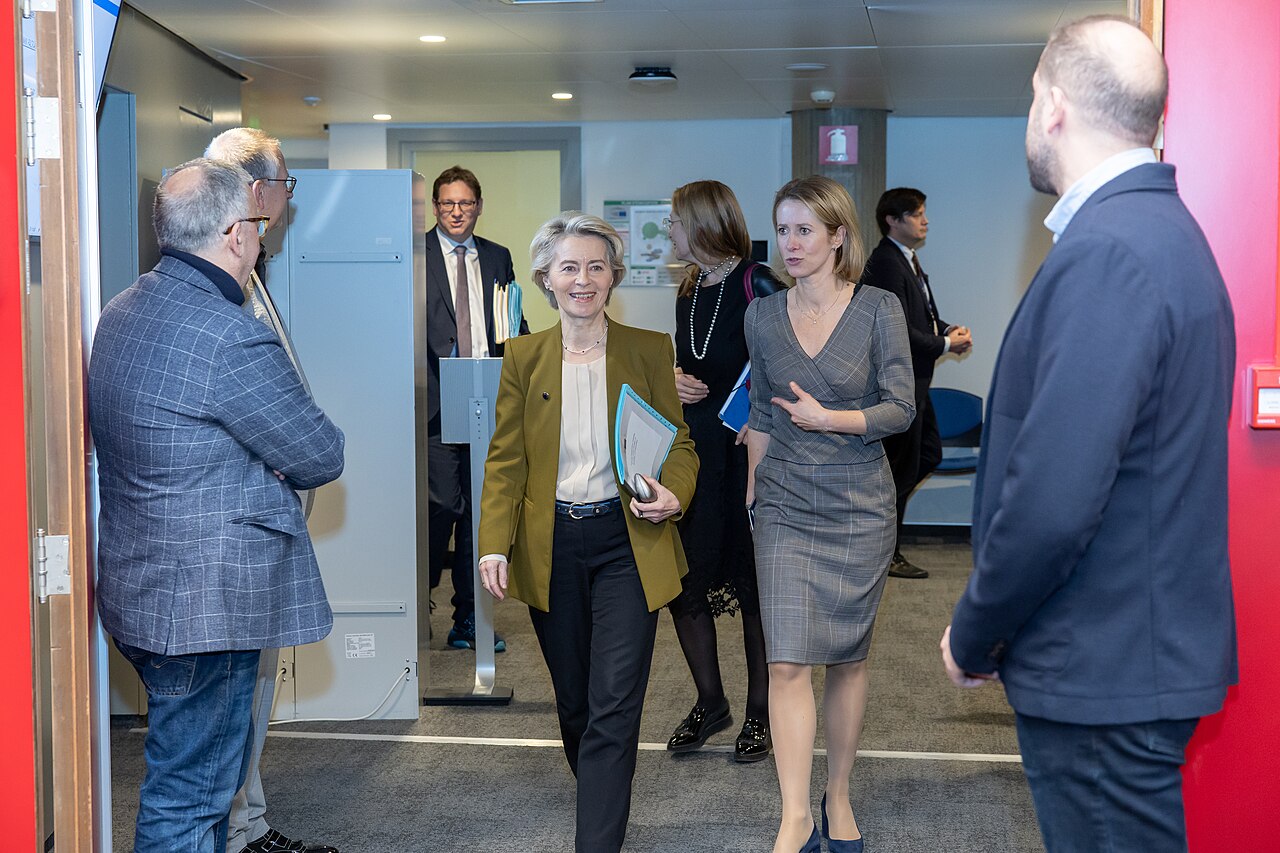
Brussels chiefs claim that the death of the supreme leader could bring new hope to the Iranian people—but also brings new dangers.
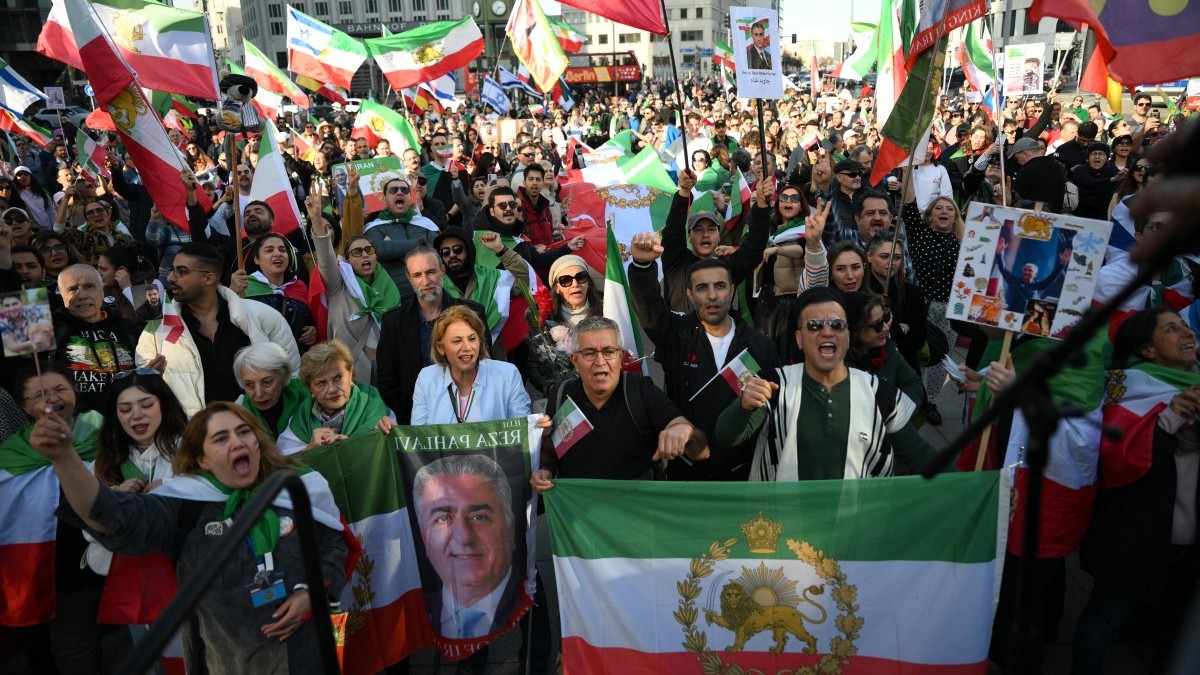
The European Union, France, and several international actors have called for immediate restraint after the United States and Israel launched strikes against Iran.

Announcing the provisional application of the controversial deal, von der Leyen stressed it “can only be fully concluded once the European Parliament has given its consent.”
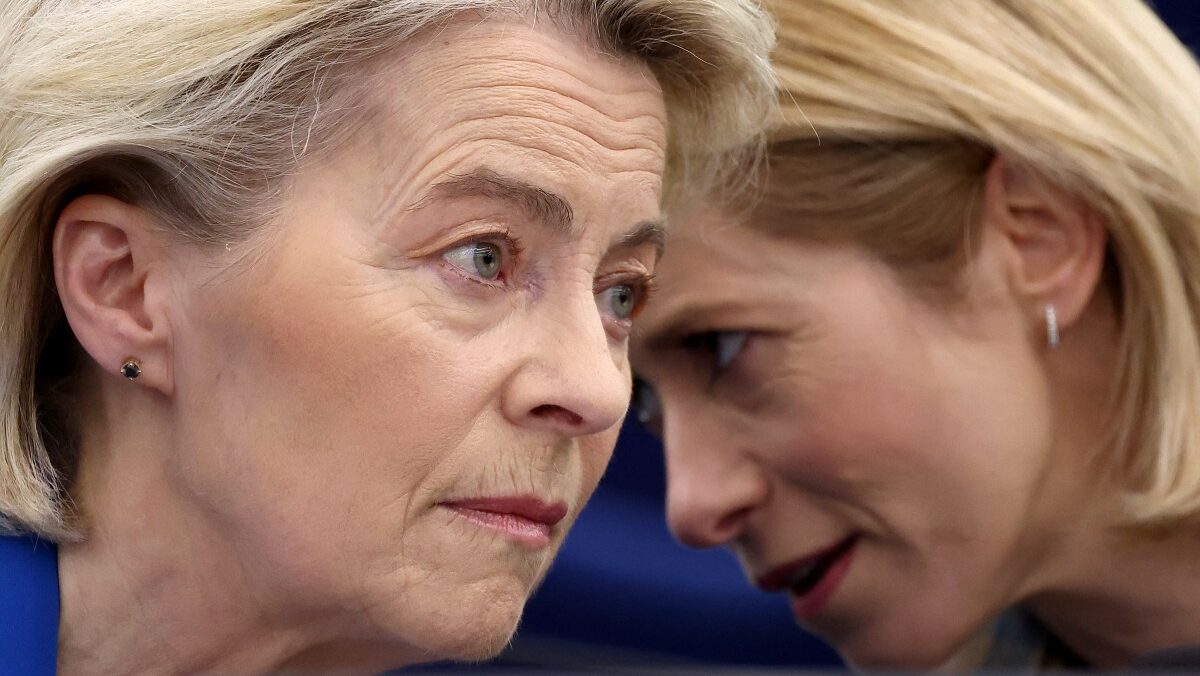
Four years into the war, we are facing a reality where the EU is attacking its own members, Slovakia and Hungary, while still caressing a non-EU member, Ukraine.
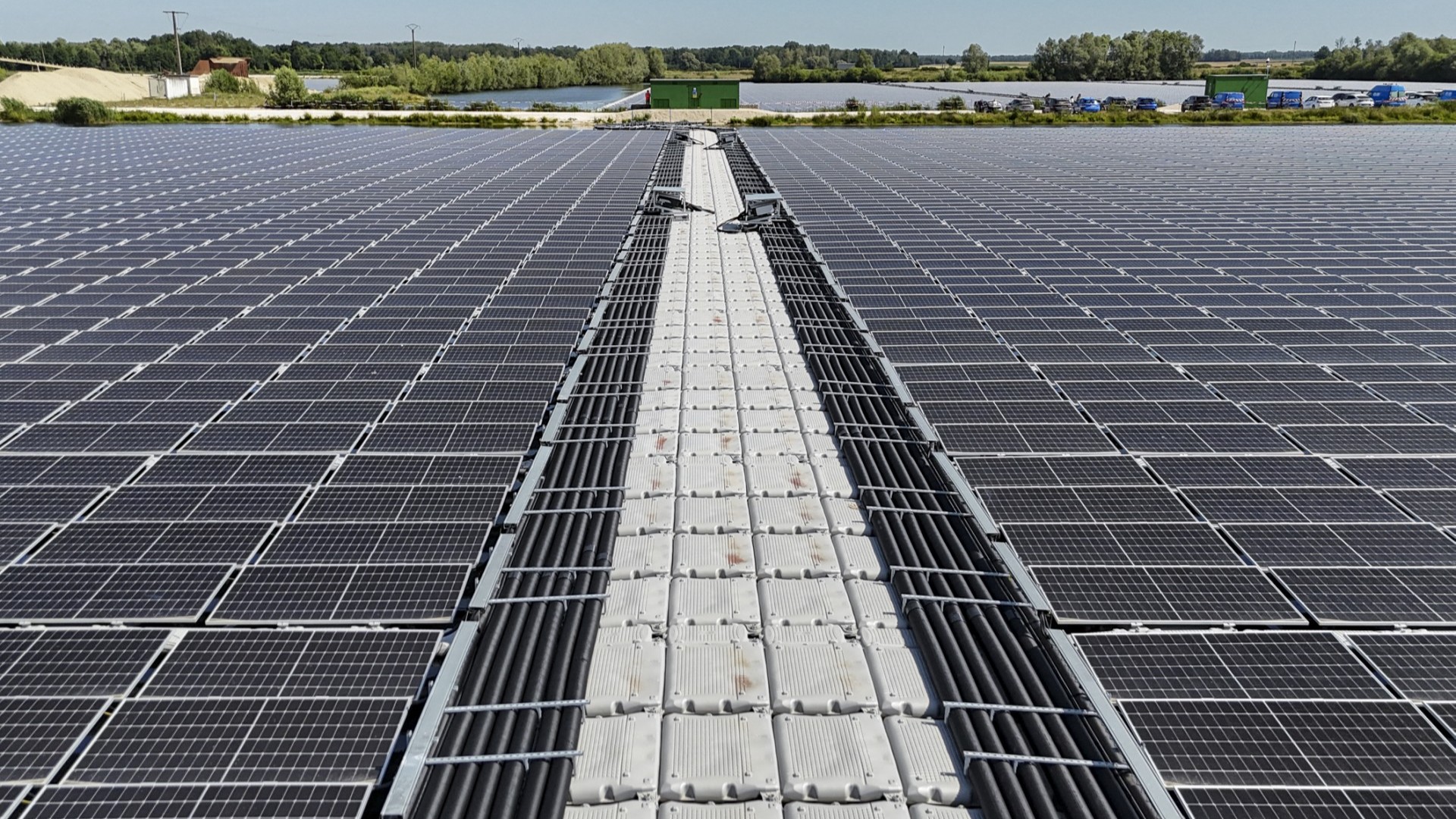
After years of tensions and soaring bills, the EU Commission has acknowledged that the design of the electricity market requires a thorough review.

The European Commission has proposed a new package of sanctions designed to significantly reduce Russian oil and gas revenues—with the stated aim of weakening war financing and further isolating Russia economically.