

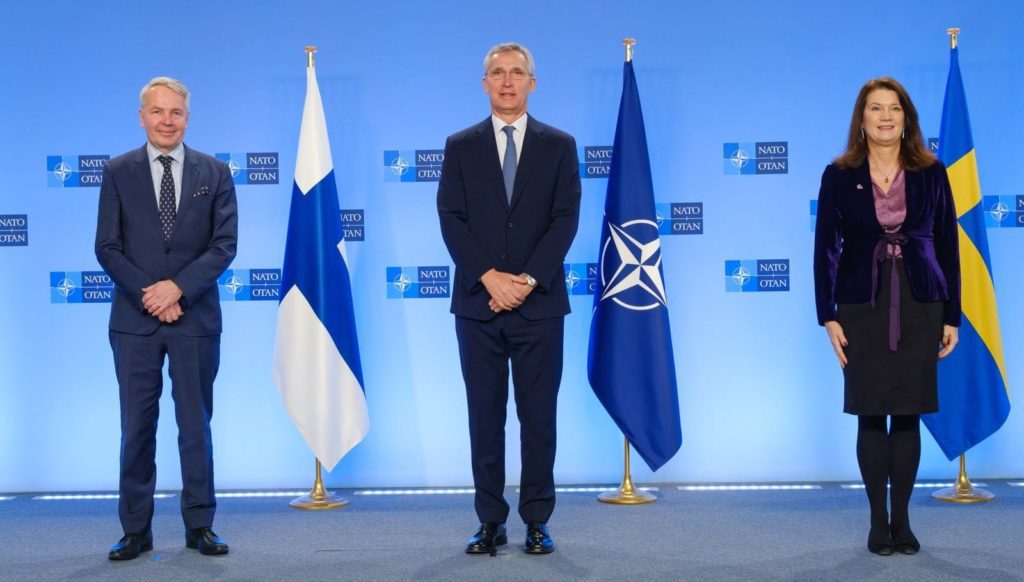
While Finland has already declared that it is not pursuing a NATO membership, Sweden still remains open to the idea. So long as the possibility remains open in the current international political climate, it undeservedly transplants the Ukrainian struggle for independence onto the Nordic scene.

The government-commissioned report is concerned about what it calls the “disappearance of the common systemic space.” But it identifies the problem without trying to find the multiple reasons for this space’s absence.

Thankfully, the authors of the European Economic and Financial System plan had the wisdom to include an executive summary. After all, there’s no way anyone’s going to read the whole thing. And we don’t have to read the whole thing because it’s obvious. As we all irresistibly jump on the bandwagon, we will learn that planned capitalism is the answer.

In politics, a term can have multiple meanings, to the point that, through rhetoric and semantic confusion, people can be convinced to assiduously pursue their own disempowerment.

A single-payer system is nothing more than a promise of health care. If and when you actually get health care is a different matter, yet its American proponents continue to ignore this problem in Europe, fantasizing that it will not come to America.

Criminalizing the speech of half a billion people is a serious matter and those pushing for it must come up with something more convincing than ‘hate is hate.’ Enough is enough!

In my experience, it was at the Masses that were less spectacularly arranged, externally less festive, where I sensed true Christian festivity. My favorite Mass is still the uninspiring Mass of the average Catholic parish.
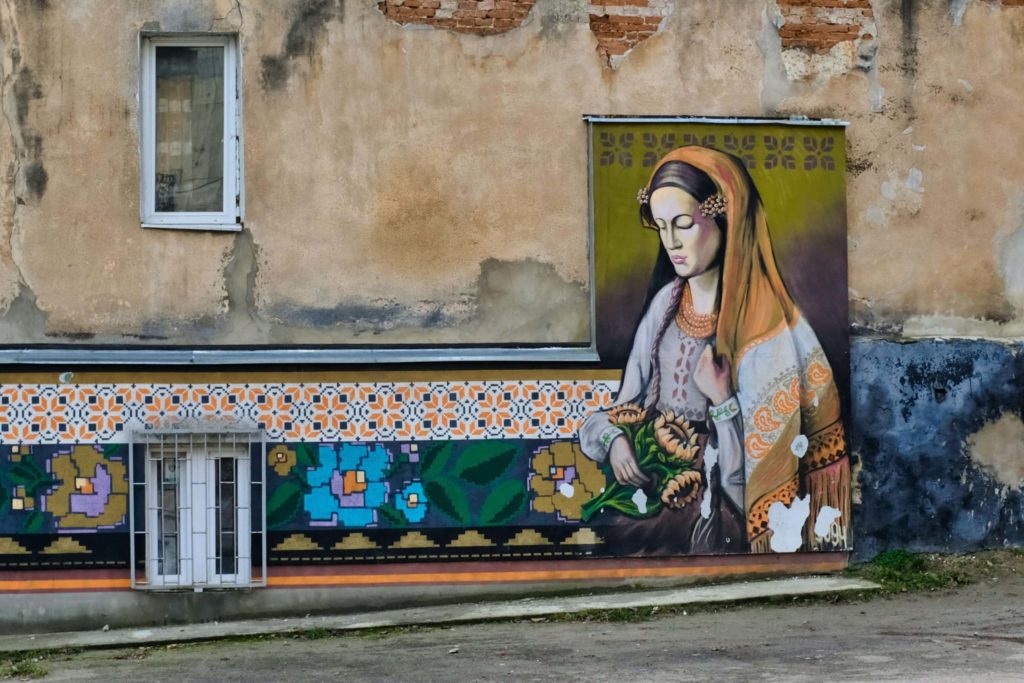
The psychological games played by Ukraine’s abusive uncle are ruthless. He distorts the truth, and his lies create deep furrows. But, like all lies, they rest on shaky foundations.
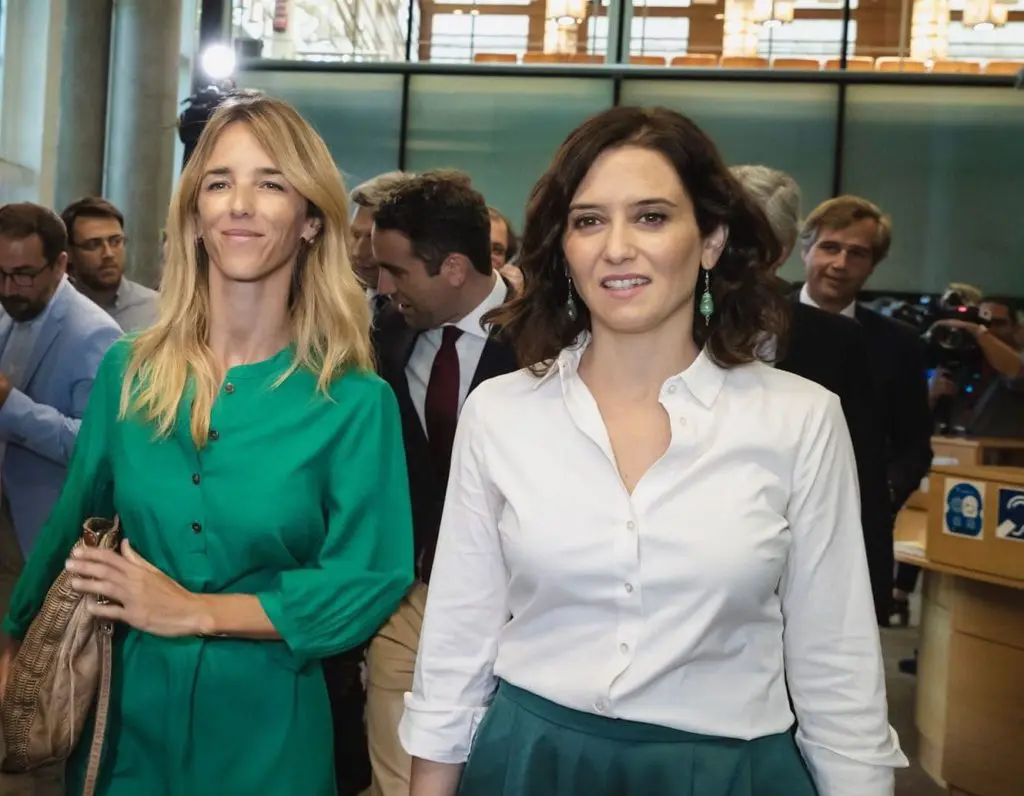
If the Partido Popular (PP) hopes to reconsolidate the Right and return it back under its centrally placed umbrella, it might be advised to follow the leads of Isabel Díaz Ayuso and Cayetana Álvarez de Toledo.

When a myriad of local voices make the same complaint, we are in the presence of a genuine (as opposed to media generated) universal.
New speech-restriction laws, whether national or at the EU level, would amplify a disturbing trend underway in Europe, where the right to free expression is gradually being replaced with a new legal default. What speech is not explicitly permitted, is banned.
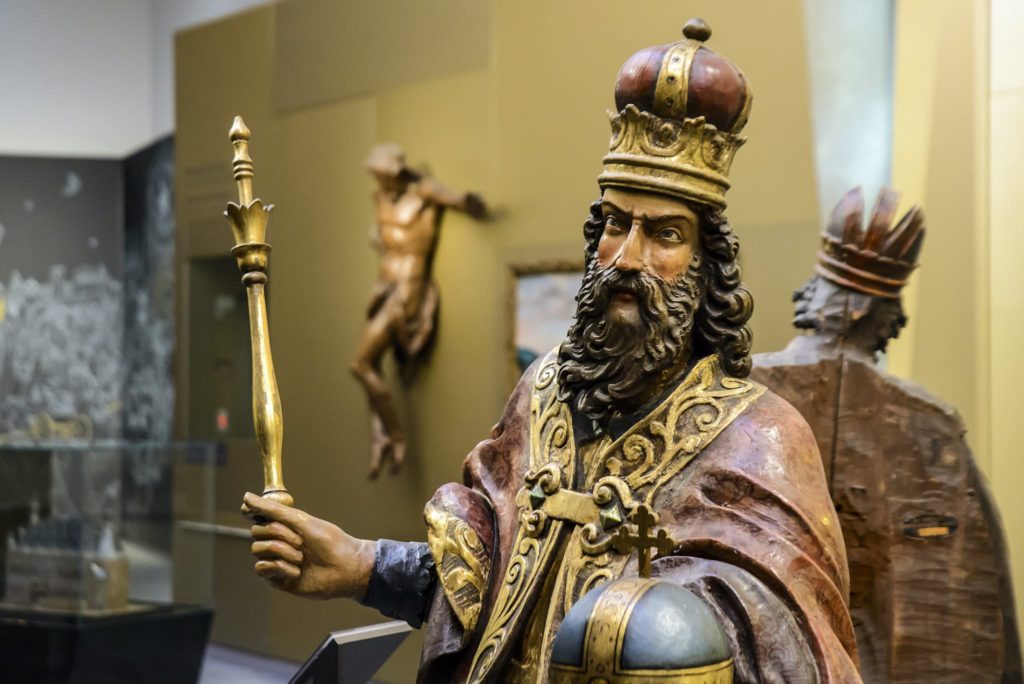
Three important dates see out the month, each reminding us of heroism, martyrdom, and virtue: the anniversary of the murder of France’s Louis XVI in 1793 on January 21; the feast of Blessed Charlemagne, first Holy Roman Emperor and King of France, on January 28; and the feast of Charles Stuart, King and Martyr on January 30.

Poland, Latvia, and Lithuania, as well as other countries like Greece, are the gatekeepers of Europe, protecting their neighbours from a destabilising foreign influx. Their governments continually face hard choices but are steadfast in their commitment. There can be no compromises with extortionists.

The euro itself is only part of the failure. An entire structure of government institutions, laws, and even constitutional provisions were erected around it in order to secure its success. It all looked impressive two decades ago; today, the structure itself, from the European Central Bank (ECB), to the so-called Stability and Growth Pact, is a package of sordid evidence that even under democratic governments, central economic planning is a bad idea.

This year, celebrations of the taking of Granada have been repudiated by the establishment left, including a platform by the name of Granada Abierta, together with Podemos, who described them as an ode to cruelty and genocide. In contrast, VOX has called for the 2nd of January to be declared a national holiday.
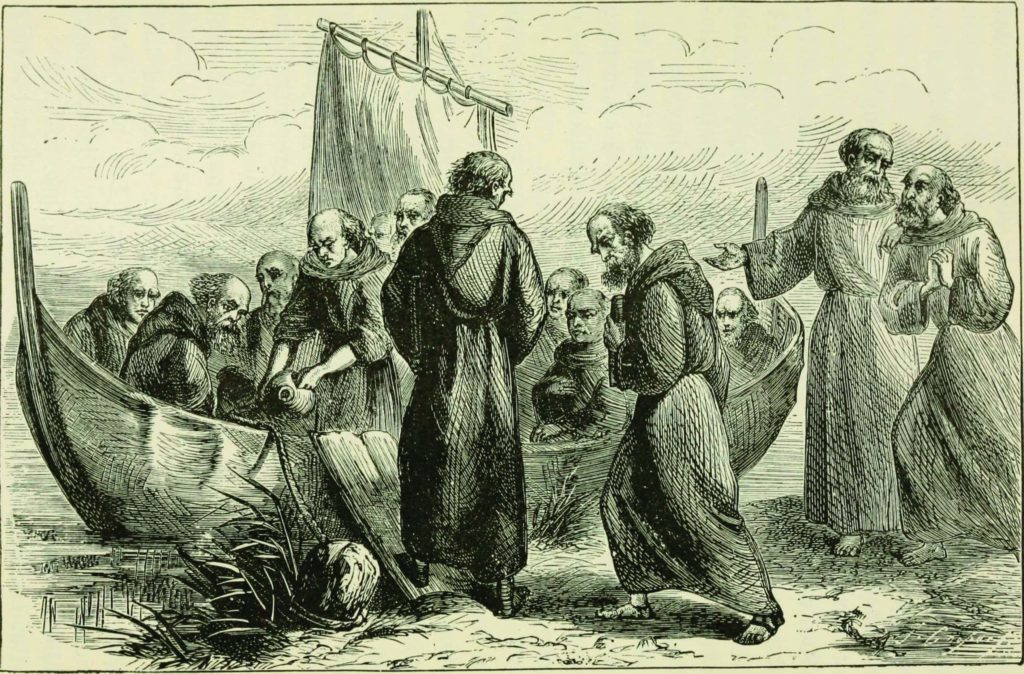
The future does not belong to the champions of sterile sex and dumpsters filled with dead babies. Rather, it belongs to those who will fight for love, self-sacrifice, and the children of the next generation.

The distribution of votes among the various right-wing candidates resembles a game of communicating vessels. Marine Le Pen is ploughing her own furrow. Eric Zemmour puts ‘des mots sur des maux’ (words on evils): it is what he does best. He can participate in the reconfiguration of the French right. Will he go much further?

To suggest that the scientific community can reach irrefutable consensus on anything but basic conceptual and axiomatic structures of a scientific discipline is to dismiss the most sacred process of the scholarly endeavor itself: the peer review process. Nothing guarantees the integrity of scientific progress like the free practice of scholarly thought.

Catholics are surrounded by the upside-down chatter of ecclesiastical newspeak, and it is here to stay, that is, until a rediscovery that the Church derives her purpose from the Great Commission—the mandate to make disciples of all nations, and this cannot be substituted.

The CCP is little more than an international crime syndicate with political affectations. Knowing what is going on in China is dependent on sifting through their official lies, deflections, and ‘dezinformatsiya.’ The fact is, we just don’t know what unleashed monster they’re running from in Xi’an. All we know is that the CCP is lying about it.

For the uninitiated, ‘gendering’ is a new phenomenon in Woke High German. It means attaching a horribly out-of-place asterisk and the feminine ending of a word to the masculine noun. Woke High German leads to orthographic monstrosities like Verkäufer*in, Bürgermeister*innen, or even Studierende*r.
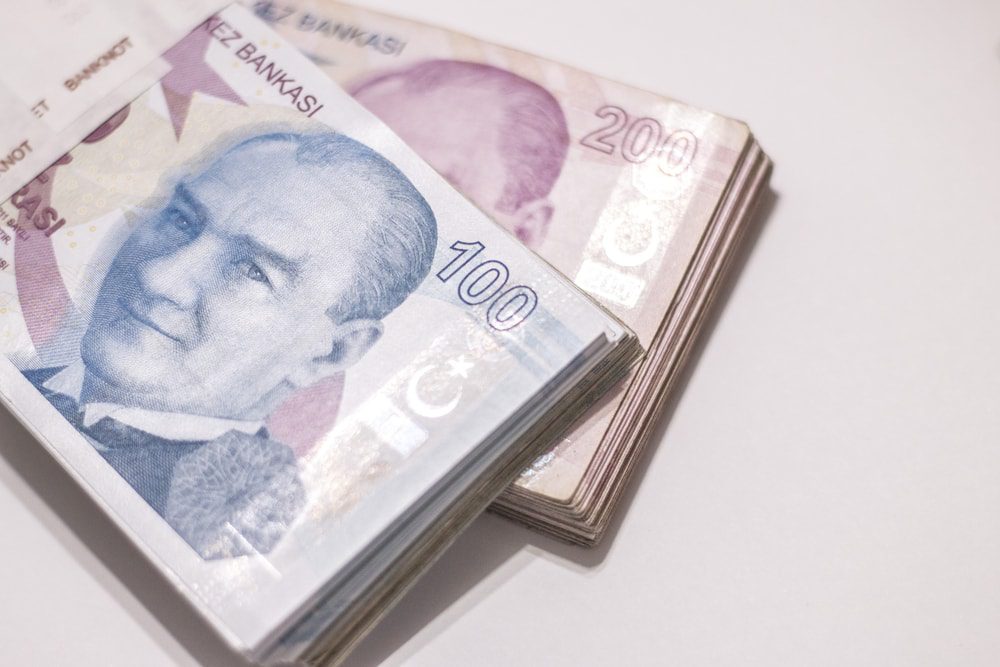
High and rising inflation has put yet more pressure on the Turkish lira, but instead of making the hard choices to curb inflation, the response from President Erdogan’s government is likely to aggravate the situation.

Reporting on the link between palm oil and cancer is just one example of how the mainstream media avoids fair and balanced reporting, and squelches moderate voices. Some media, besides pushing an ideological agenda, try to make money by stirring up fear.

I promised myself that I would ignore the global panic that has taken the world over (one might say it has ‘gone viral’) and substituted itself for every other known psycho-pathology. But the U-turn by the international commentariat was too much of a gift to satire to be missed.
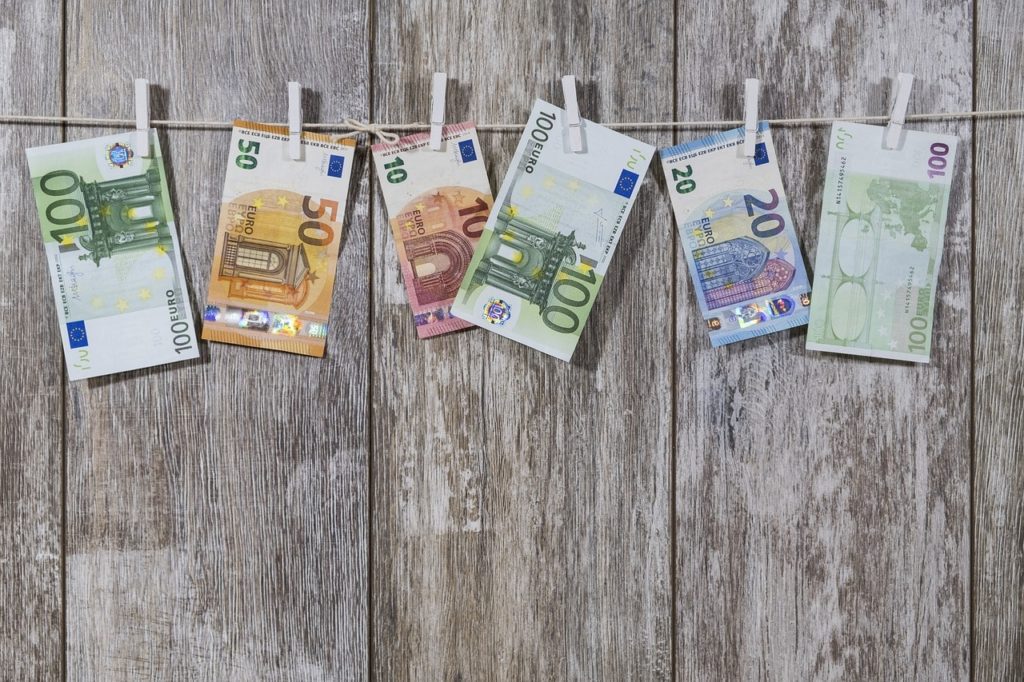
The common currency was a gigantic economic experiment, an application of political preferences rather than the product of sound scholarly research. As is always the case with grand government plans, for every problem they solve a new one is created.
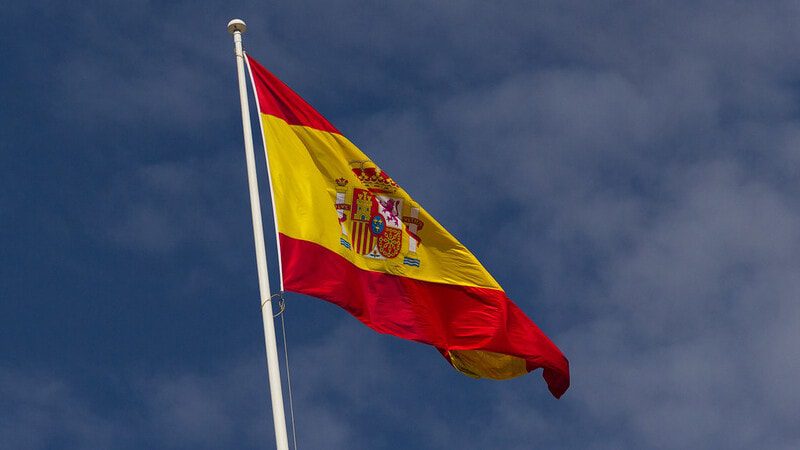
Spanish political life will polarize around those offering policies that have straightforwardly led to present difficulties, and those whose program has promised to drastically reduce a state whose regional level is notoriously hypertrophic and reindustrializing the country. VOX is the most obviously poised to take advantage of this.

The Pandemic shall mutate into oblivion sometime relatively soon. When it does, we will all be left with the aftermath. Wrecked economies, shuttered businesses, and life opportunities lost are only a small part of it all. Worse still are the questions that may be asked. When the rulership had us put on our masks, they took off theirs. The experience of the past two years make plain a reality only a few saw before: the modern citizen has only those rights his rulers deign to give him, and these may be taken away at any time. In a word, the myth of democracy is dead.

President Trump is no longer considered guilty of having caused the storming of the Capitol. He is now being accused of not having stopped it. This is not a shift in the nuance of the narrative regarding his role: it is a substantial retreat.
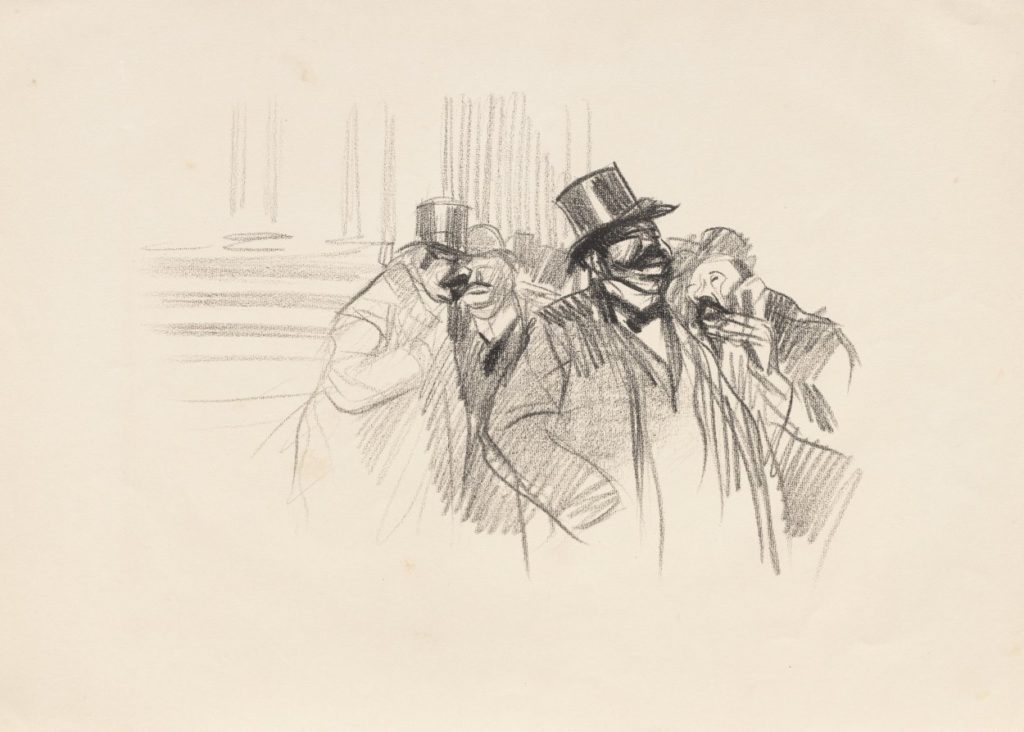
The strategy of the super-woke failson anticipates resistance by using terms and premises that the establishment cannot rebuff without rebuffing its own basis. He acts as real-world, unpaid HR department officer. This is a means for proving his ambition and ability to police discourse, that is, his managerial competence. At bare minimum, this provides an escape valve for the frustrated failson to take his anger out on culturally deprivileged groups (‘hicks,’ ‘deplorables’) while reinforcing hegemonic discourse.
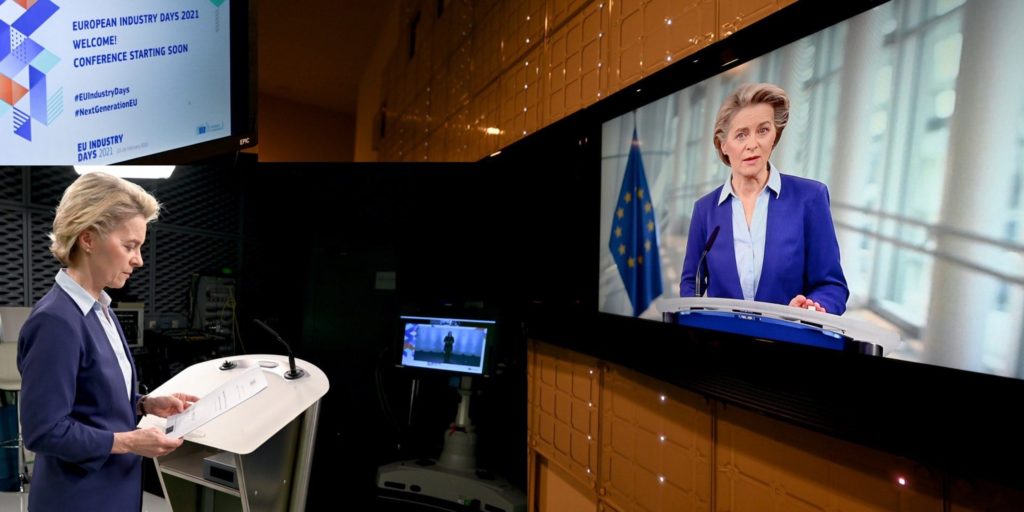
One of the fundamental laws of government powers is that they always invite mission-creep expansion. Laws that begin their lives as benevolent instruments for the common good can easily morph into tools of power for the sake of power itself. As the EU Commission finalizes its proposal for a Single Market Emergency Instrument, the citizens of the EU are well advised to keep themselves informed of that proposal.