

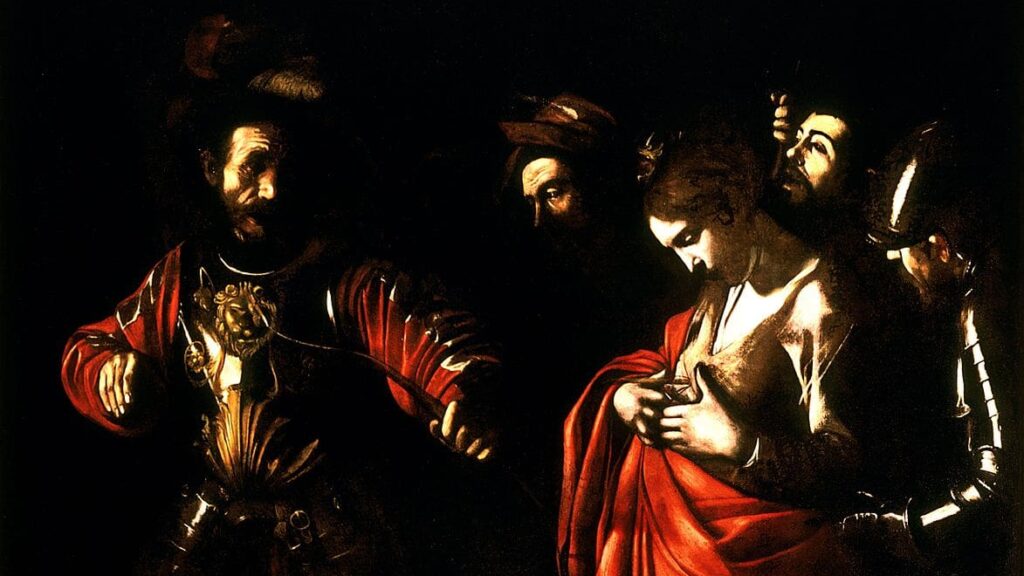
The National Gallery defies the historical relativism for which British galleries have become infamous.

In Hannah’s Children, Catherine Pakaluk argues that tinkering and technocracy won’t save the West from its demographic decline.

A key conclusion of Gaines’ new book is that much of the transgender movement is enabled by collective cowardice.
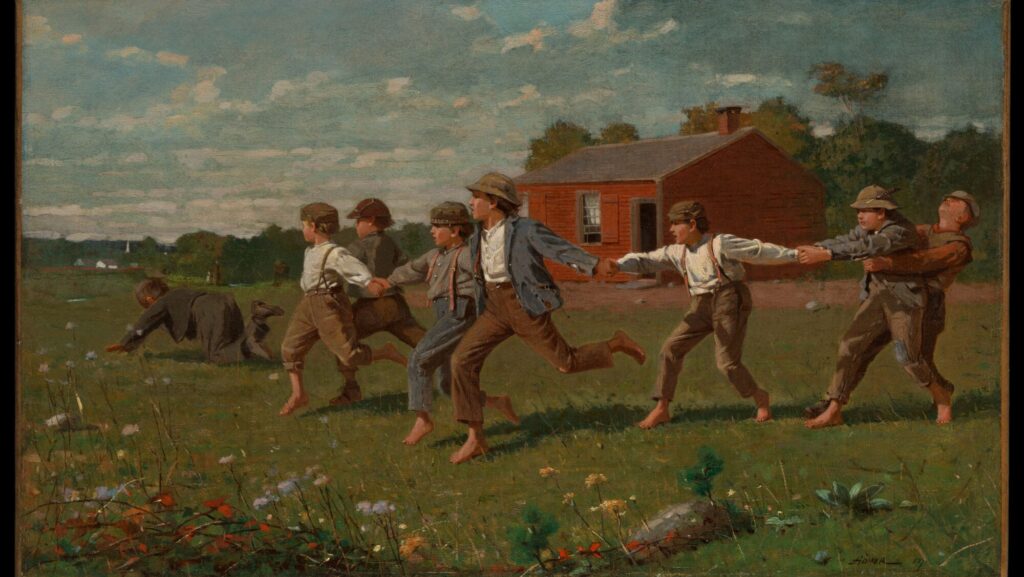
In Painting over the Growth Chart, Rattelle reminds us that the transcendent power of poetry is to preserve its subject forever.
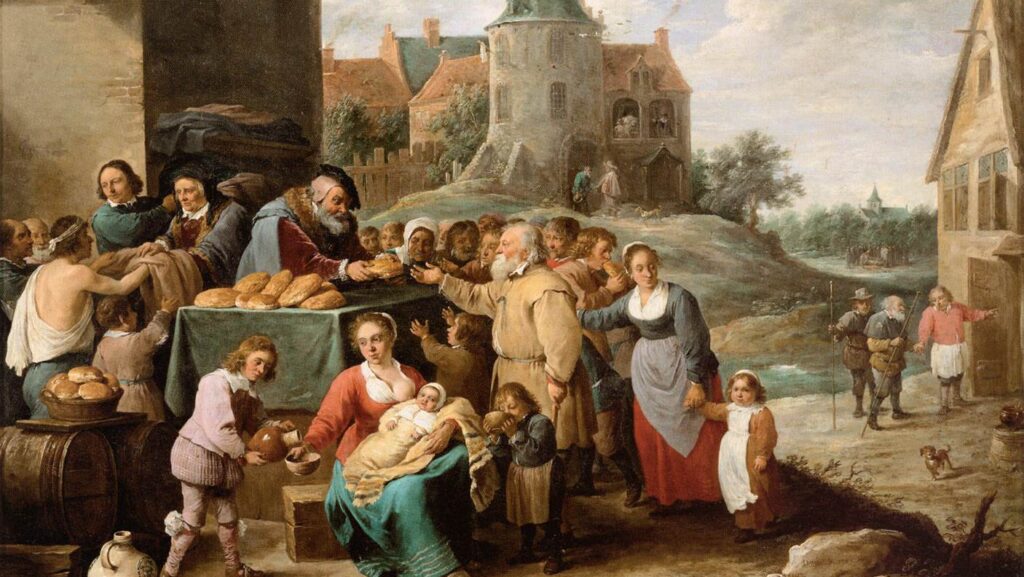
Living a life of mercy means encountering the ‘least of these’ in all of their particularity—and recognizing them in ourselves, too.
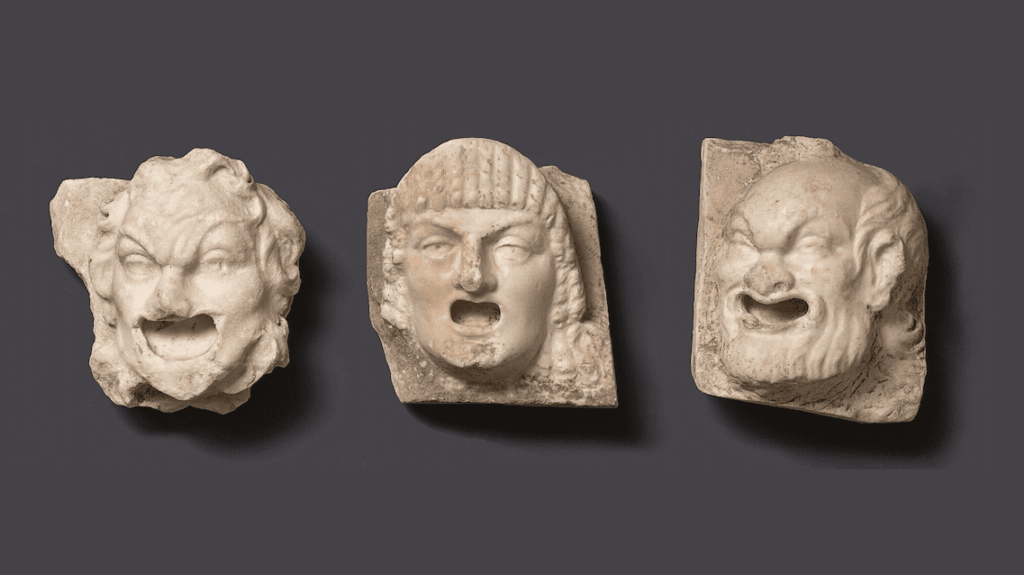
The three poets in Gerytades, like many politicians, find themselves on the cusp of success—but their decisions damn them, so they must trundle back home, thinking of ways to spin their failure into victory.

If you had described conditions in today’s United States to the average American at the turn of the 21st century, he would have thought you a madman.
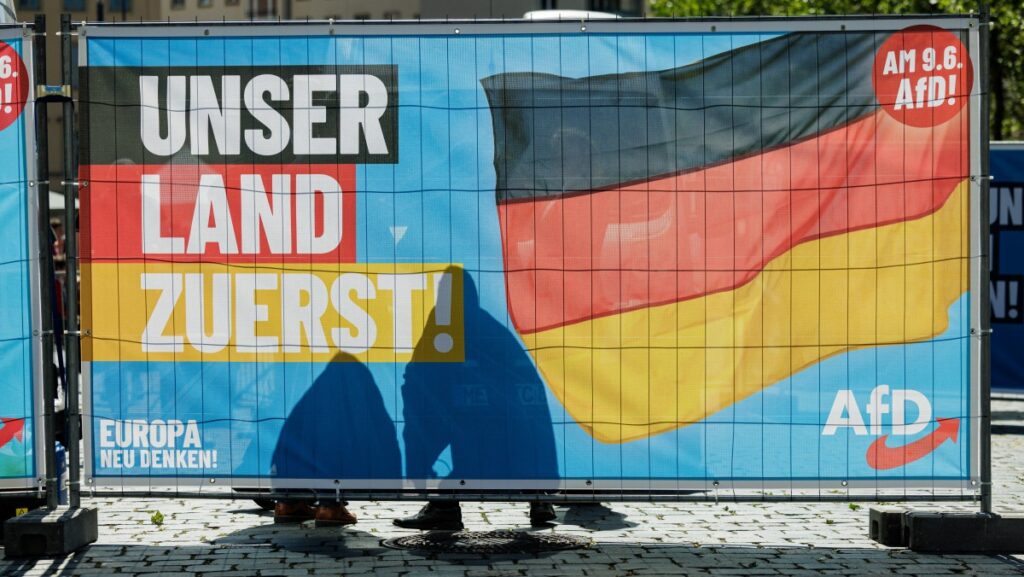
Hendrick Cremer claims that the AfD represents a resurgence of Nazi thinking. His argument is unconvincing.

Why has transgender ideology become so pervasive that it exerts a sort of mental terror—obliging people to acquiesce to a powerfully altered version of reality?
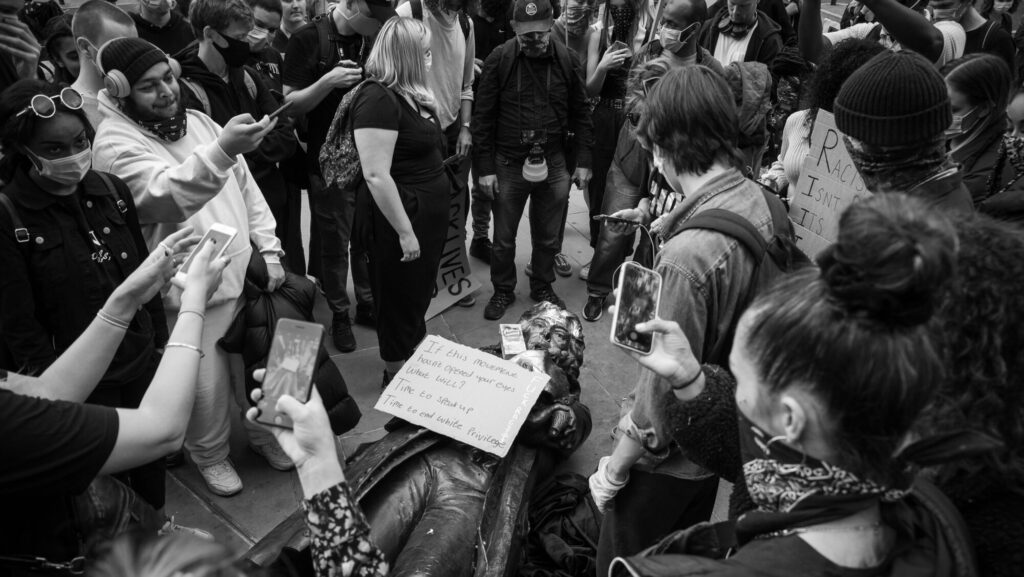
Rakib Ehsan does not deny the challenges we face, but he demonstrates that the Left’s dark view of Britain is far from warranted.
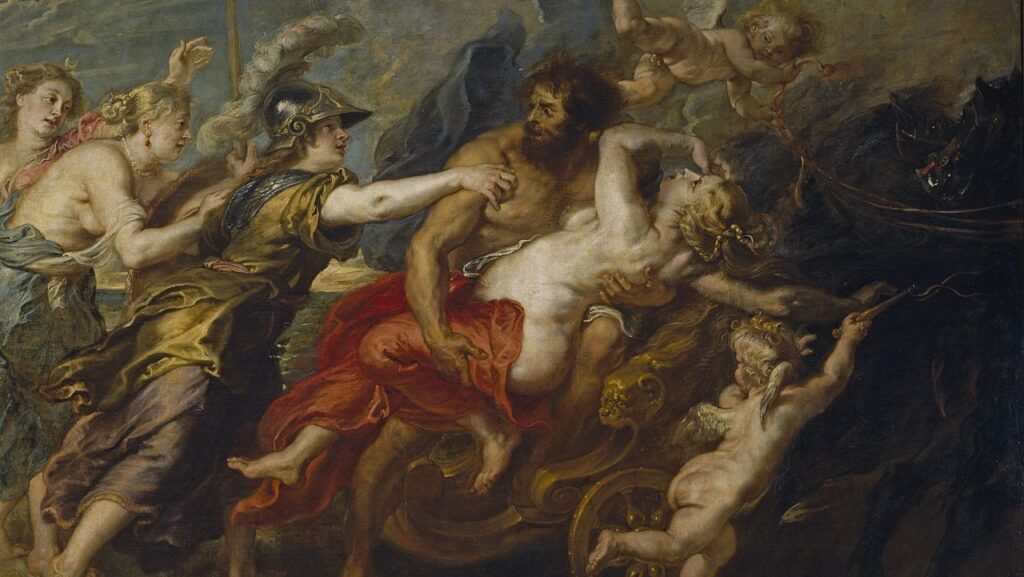
Scharl’s poetry reminds us of the vibrancy and relevance of our cultural tradition.
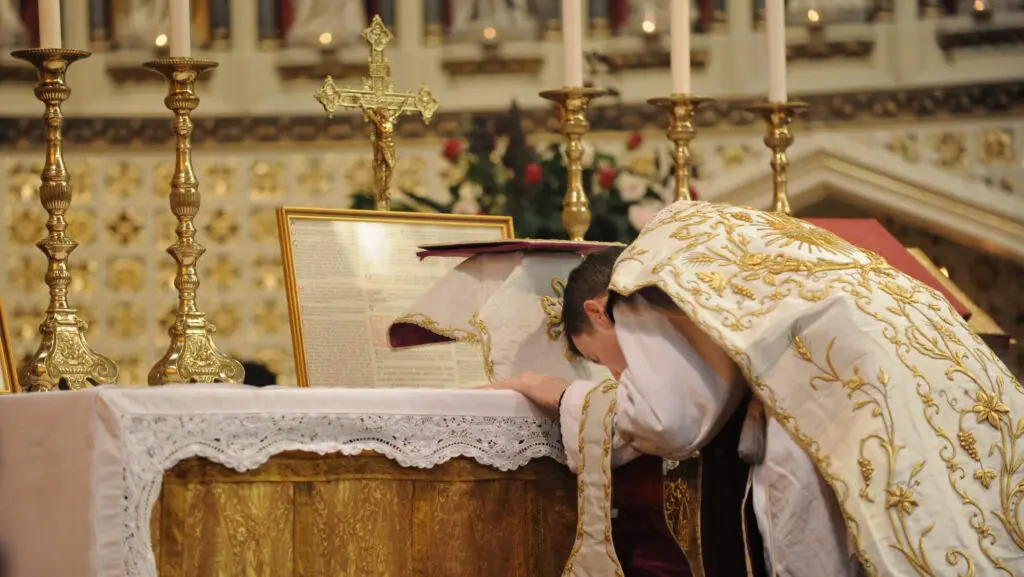
In Bound by Truth, Kwasniewski offers guidance on what Catholics ought to do when Church leaders depart from the common good.

In Bad Therapy, Abigail Shrier shows that far from making children healthier, therapy often causes the problems it exists to solve.
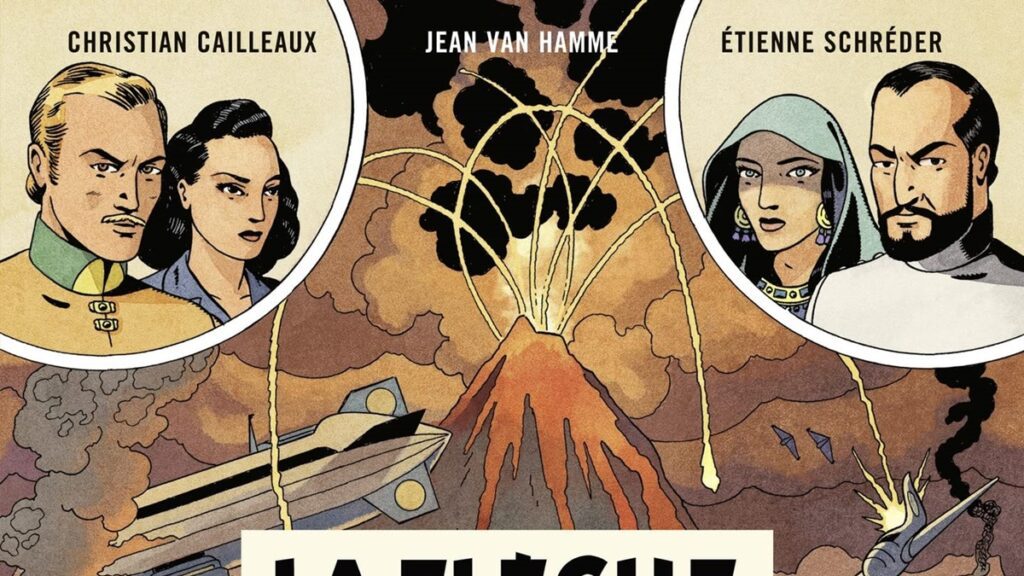
The U Rayis not perfect, but it’s bursting with adventure that has inspired one of the greatest comic writers of our time.
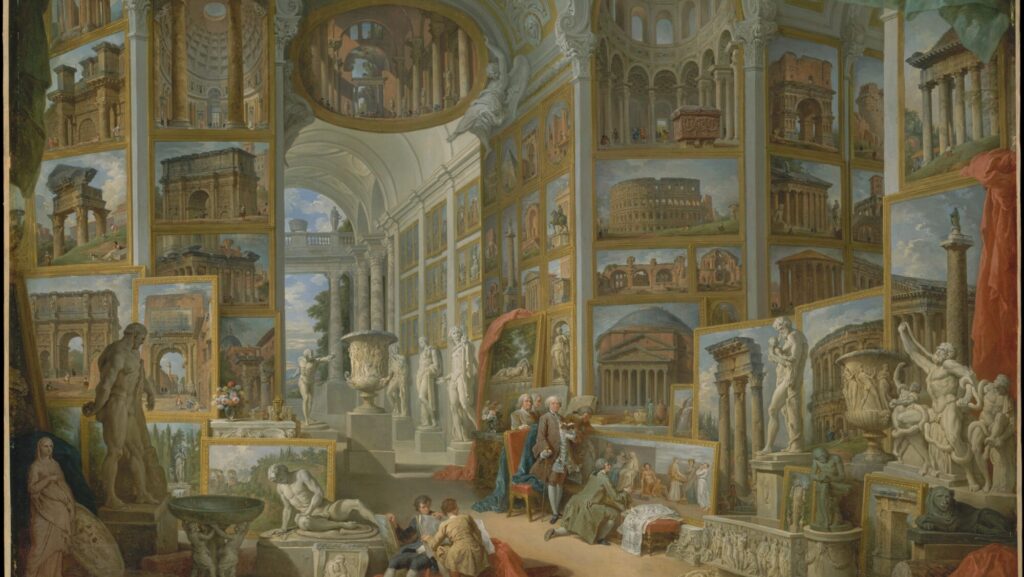
The ambition of Jones’ The Two Cities is to use the Augustinian framework to demonstrate an alternative to the misguided secular approach to history.
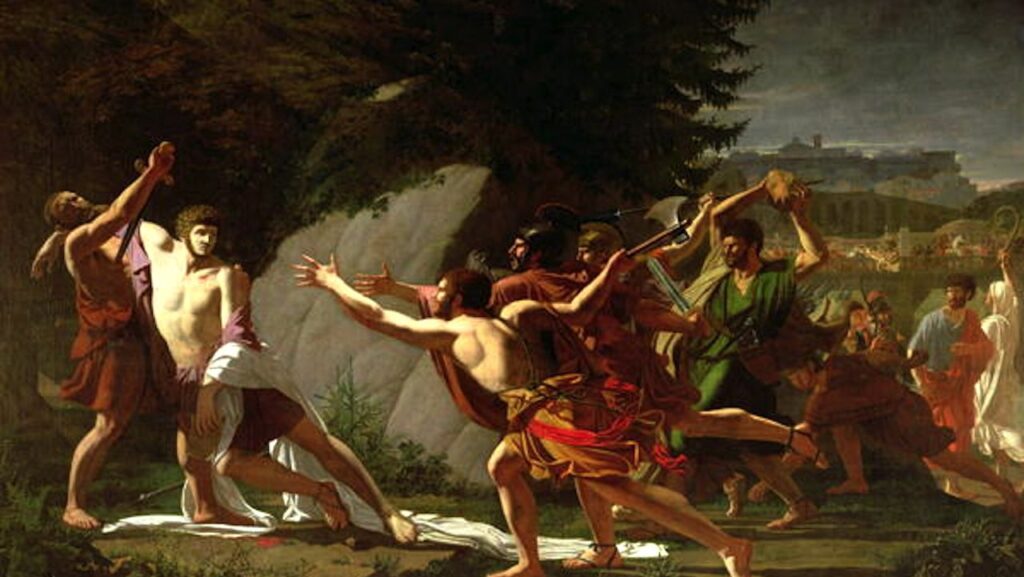
Gracchus and its conclusion represent a musical offering on the altar of our great dramatic tradition.

The Italian writer argued that when society dismisses or disparages beauty, it cuts itself off from reality itself.
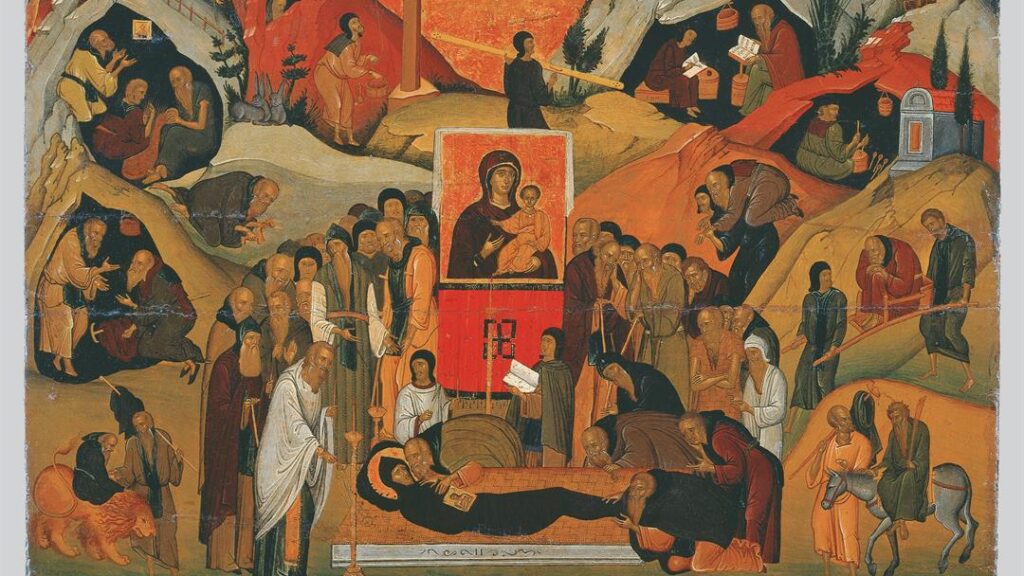
The Syriac World introduces Western readers to the ancient riches of the Syriac Christian heritage.

In Under the Cloud, Yannis Varoufakis argues that the global economy is post-capitalist because it relies on rent extraction.
In Los Contemplativos, d’Ors writes with a quiet enthusiasm for the intense sobriety of a life devoted to the fullness of each moment.
While the theological aspect of Sexual Identity is not particularly striking, the book builds a solid philosophical and scientific understanding of humanity as sexed.