

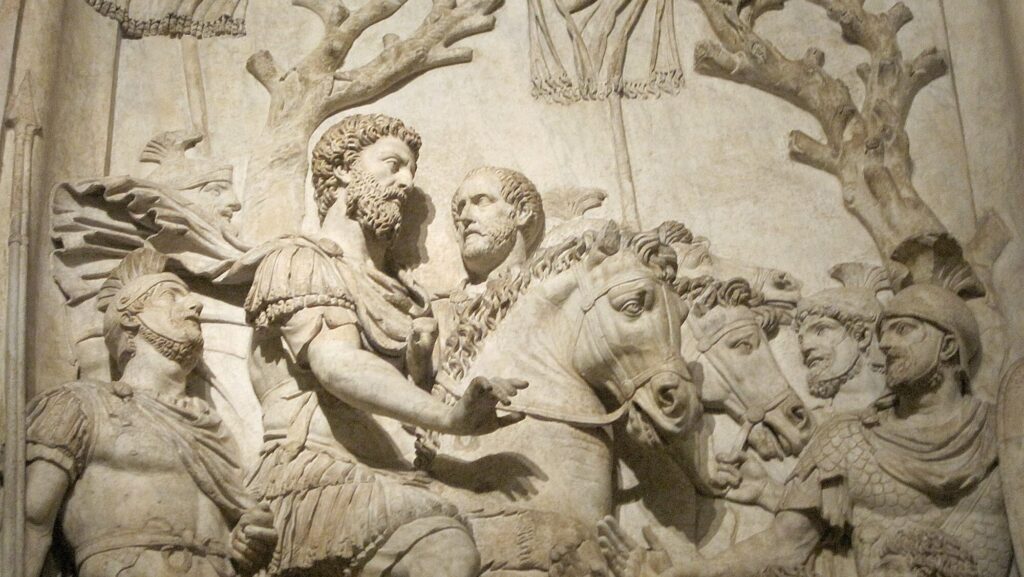
Edward J. Watt’s study of Rome is a scholarly work, but his critique of the modern Right is shakier.
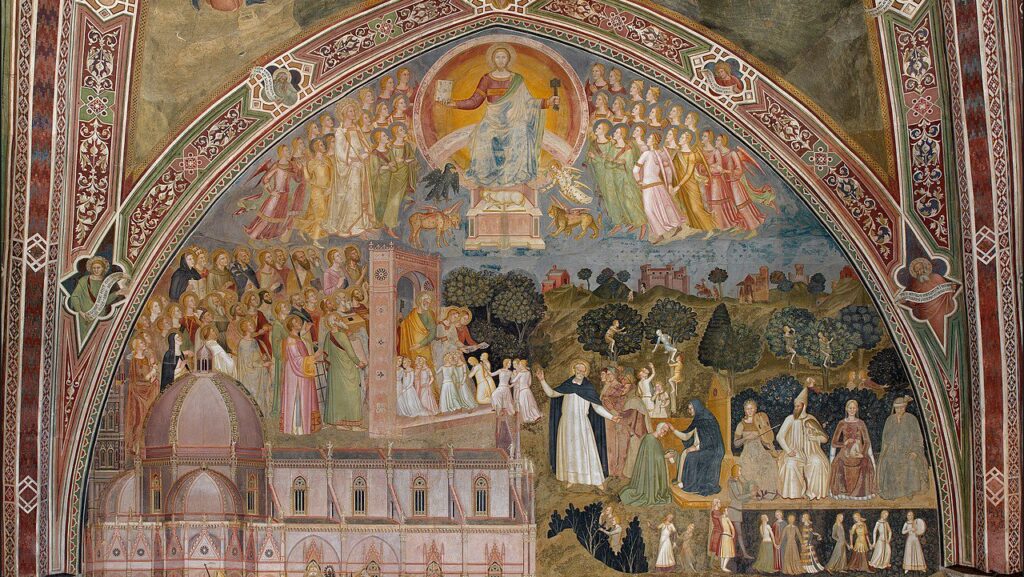
In Nichols’ Apologia, we see the ‘practical corollaries’ to which love of the Church leads when it is under attack.
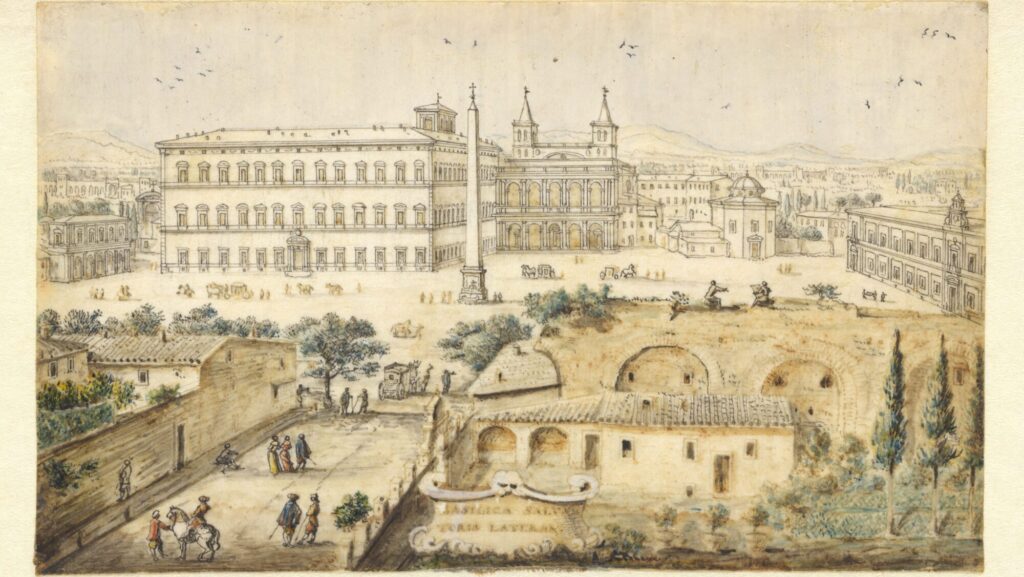
Molnar’s presentation of the historical Catholic tradition seems written with today’s challenges in mind.
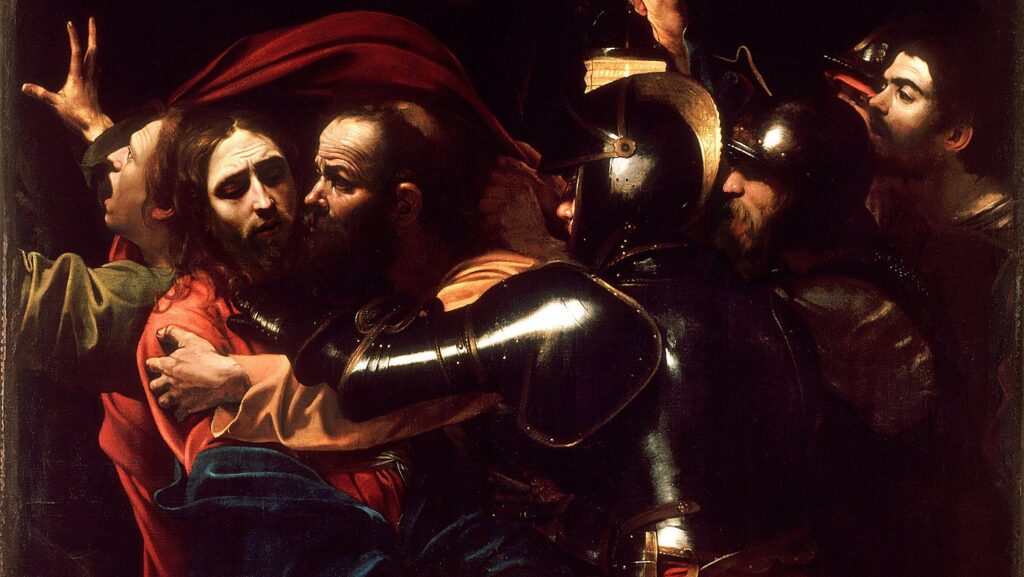
For Ida Görres, the only hope for wounded nature is that it be engulfed in grace.
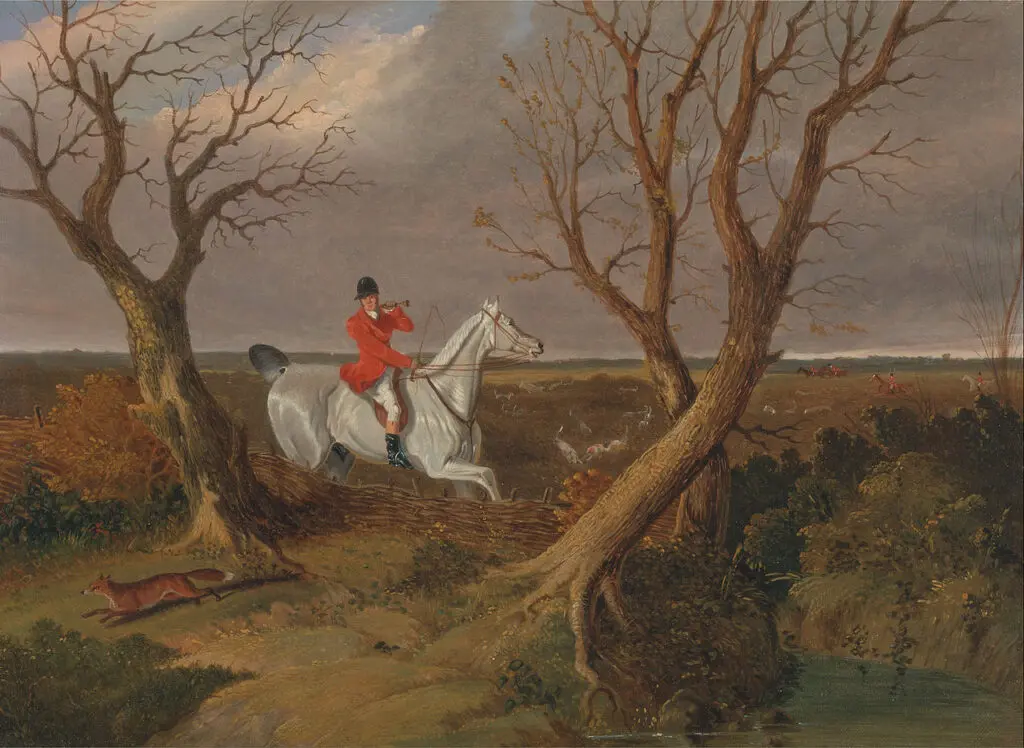
The effect that foxhunting had on Scruton’s life cannot be exaggerated.

A true celebration of the mind for lovers of classical ancient and medieval thought, Morello’s is a valuable guide.

The new Asterix is not disappointing, but it nonetheless fails by being too conventional.

Even after giving away billions of dollars, Gates seems to have become no less poor. How does he do it?

Bourke’s defence of the German philosopher is historically thorough and philosophically compelling.

The British politician’s conservative vision for Britain is far richer in its confidence than its advice.
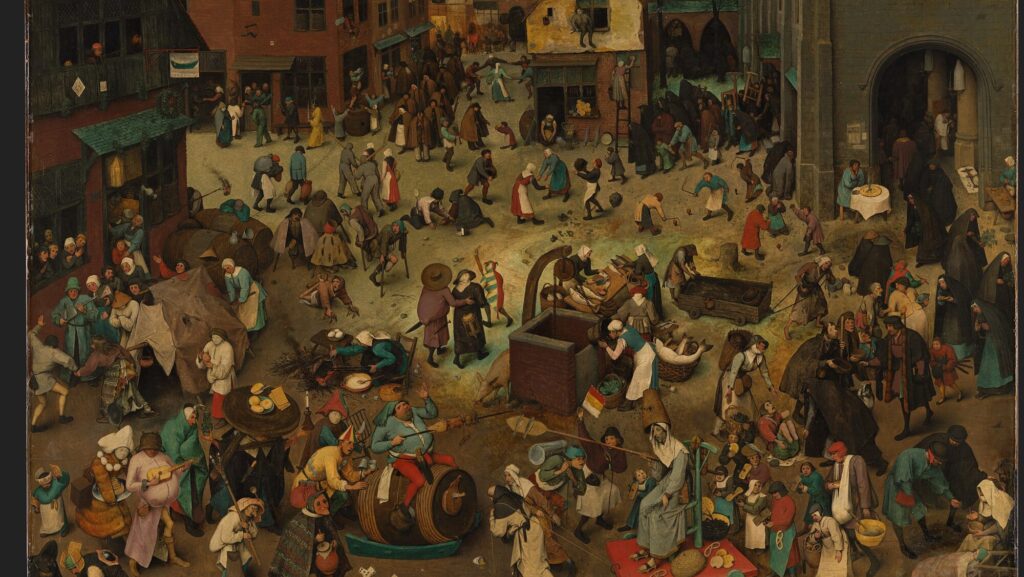
In Sonnez les Matines, humor most truly speaks of weighty matters.
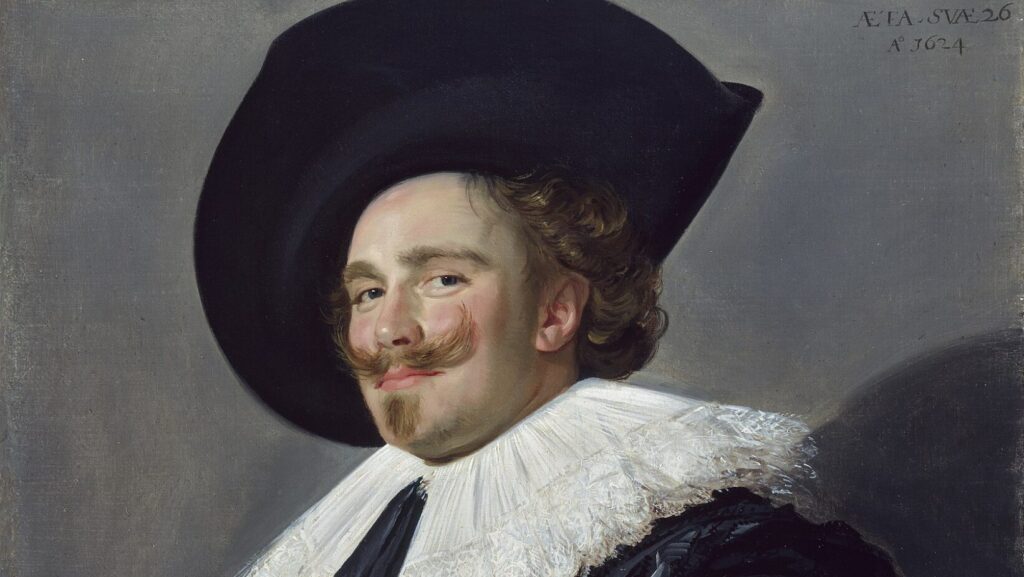
17th century Dutch painter Frans Hals, subject of an exhibition at London’s National Gallery, transformed portraiture into a recognized artform.

Peyo’s original Smurfs series offers readers a glimpse into a beautiful, sylvan world of medievalist wonder and adventure.
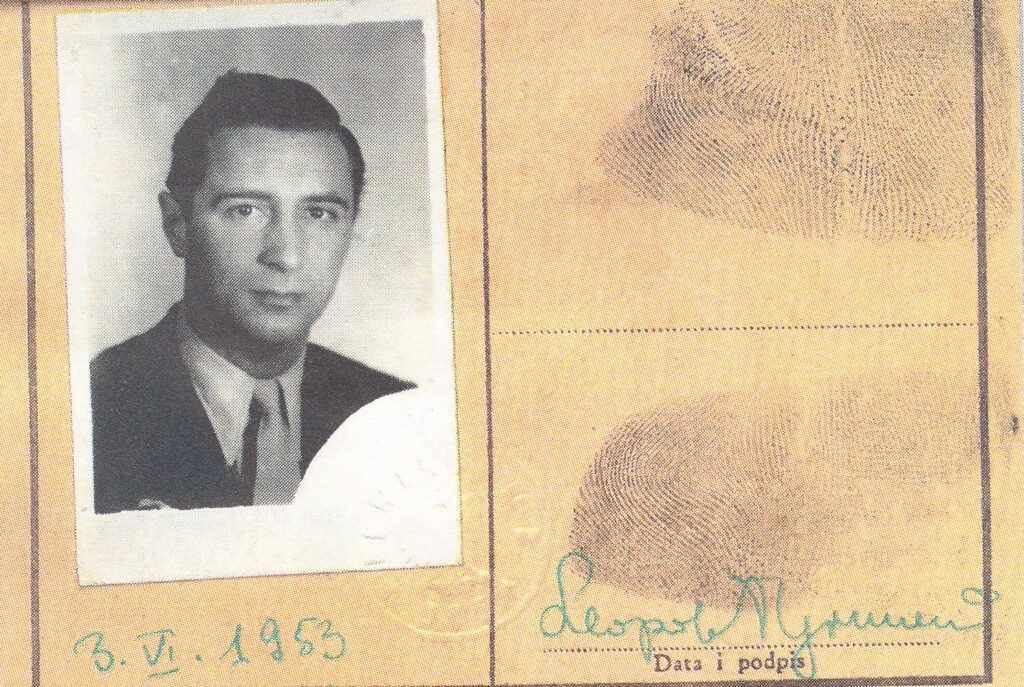
The success of Filip is that it combines the moving and the dramatic in perfect harmony.

“Like the totalitarian regimes of the twentieth century, the new Leviathans are engineers of souls.”—John Gray

Few will read Time to Think without realising that something went badly wrong at the Tavistock clinic.

In her exploration of East Germany, Hoyer doesn’t present socialism with a human face, but she does present the human faces of socialism.

This novel, inspired by the murders of Jack the Ripper, ultimately forces readers to confront the evil that exists within their own breasts.

FROM THE FALL 2023 PRINT EDITION: A lesson that conservatives should learn is that inevitablists are always wrong in their manner of thinking.

Mary Harrington’s scorching polemic urges us to rediscover feminism’s reactionary potential.

In Outside the Gates, Hackett reveals to us that transcendence is woven into social reality, most especially in that highest friendship which tyranny seeks to root out: the friendship of virtue.