Photo by Solen Feyissa on Unsplash
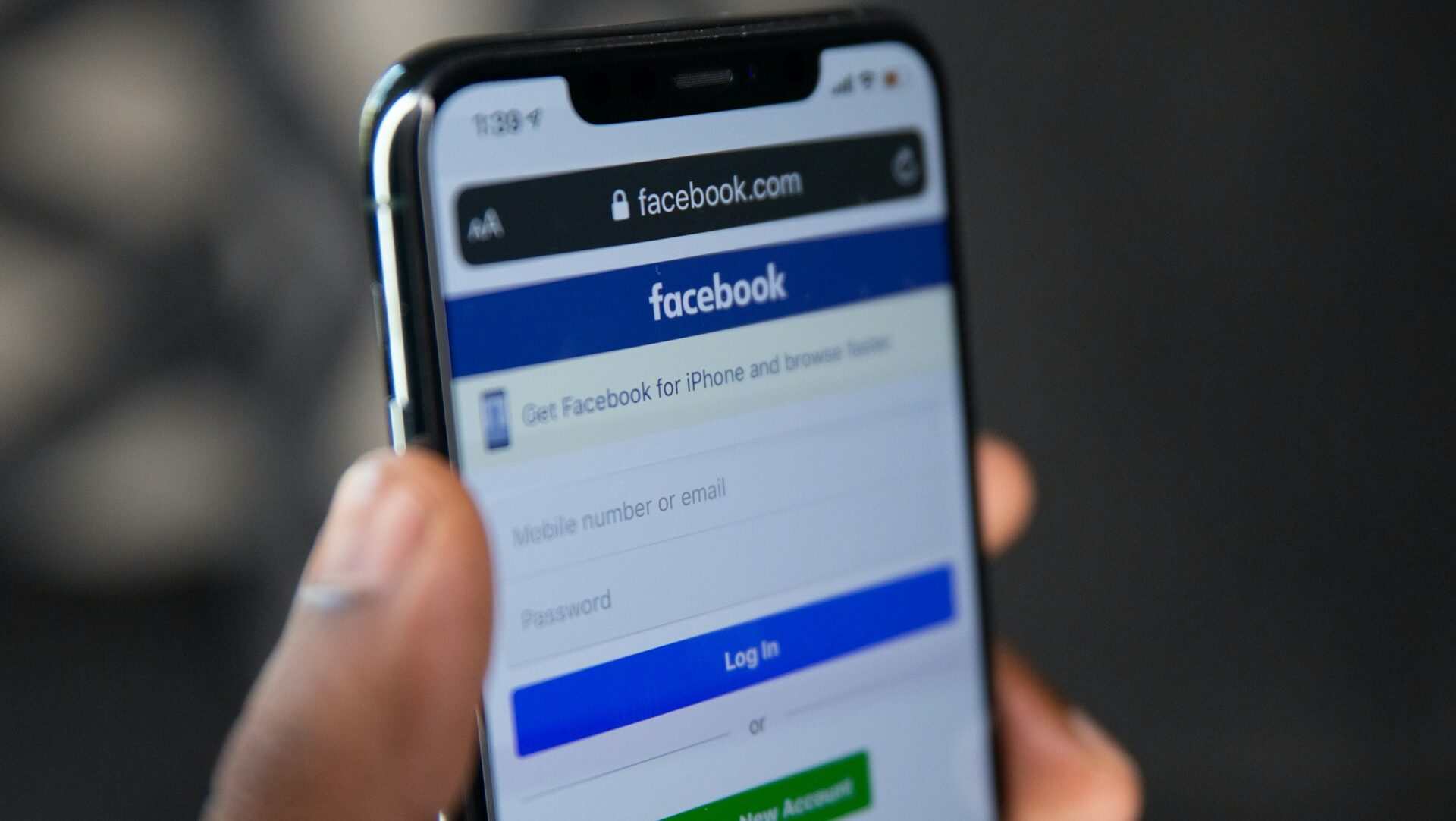
Facebook is under renewed fire ahead of Hungary’s elections after an analysis suggested its rules are tilting the playing field against Prime Minister Viktor Orbán.
Drawing on data from the final week of March 2026, a report by MCC Brussels compares the online performance of Orbán and opposition leader Péter Magyar—and finds a striking imbalance built into the platform itself.
At the centre of it is how their accounts are classified. Orbán’s official presence operates as a political Page, meaning stricter advertising limits, reduced organic reach, and mandatory transparency rules. Magyar, by contrast, posts from a personal “public figure” profile, which is not subject to the same restrictions, giving him far greater freedom to reach and engage users.
That difference appears to show in the numbers. Despite attracting roughly the same reach—around 2 million video views each—Magyar’s posts generated more than three times the engagement of Orbán’s. His engagement rate hit 4.5%, vastly outperforming Facebook’s typical benchmark of 0.15%.
The report also flags what it describes as a “disappearing comments” pattern. Between March 26th and 28th, thousands of comments on posts by Fidesz candidates were visible to page administrators but hidden from the public. The phenomenon was recorded across more than 6,500 posts on 106 accounts, suggesting something more than isolated glitches. No similar behaviour was observed on opposition pages, including those linked to the Tisza Party.
All of this is unfolding as Brussels tightens its grip on online political content. The European Commission’s Rapid Response System (RRS), tied to the Digital Services Act and the Code of Practice on Disinformation, allows platforms to quickly restrict or demote flagged posts during sensitive periods such as elections. Facebook is part of this system—and Orbán-linked content has already faced limits under it.
The mechanism also relies on input from EU-funded organisations and NGOs involved in flagging content, adding another layer of scrutiny—and fuelling concerns about political neutrality.
Attention has also turned to Meta’s regional policy lead for Central and Eastern Europe, Oskar Braszczyński, who oversees aspects of content moderation. His publicly expressed support for Ukraine and LGBT causes has drawn criticism from those questioning whether political views are shaping enforcement decisions.
The issue has not gone unnoticed. Reports in recent weeks have suggested that Facebook is restricting content linked to Orbán while giving opposition figures greater visibility. Elon Musk–associated commentator Mario Nawfal has pointed to Magyar’s unusually strong engagement, noting that his use of a personal “professional mode” profile appears to sidestep rules applied to political Pages.
MCC Brussels research fellow Richard Schenk said the broader concern is clear: growing layers of EU-linked oversight risk distorting the digital playing field at election time.
“Hungarian voters are increasingly exposed to escalating EU regulatory interventions such as the Rapid Response System,” he said. “They deserve trust and clarity, not top-down oversight of political discourse.”