Jean-Luc Mélenchon is gaining ground as France’s 2027 presidential race takes shape, exploiting a divided Left and sluggish centrist campaigns. Still deeply unpopular, the chameleon-like Insoumis leader may yet prove far more dangerous than his current ceiling suggests.
Pexels
Sweden came close to a major power outage on June 8 after two separate problems hit the country’s electricity network at the same time, forcing grid operators to take emergency measures to keep the lights on.
According to Sweden’s national grid operator, Svenska kraftnät, the two incidents sharply reduced the amount of spare power available and placed the electricity system under heavy strain.
One of the most significant disruptions was the loss of approximately 500 megawatts of imported electricity from Poland after a fault affected the SwePol Link undersea cable connecting the two countries.
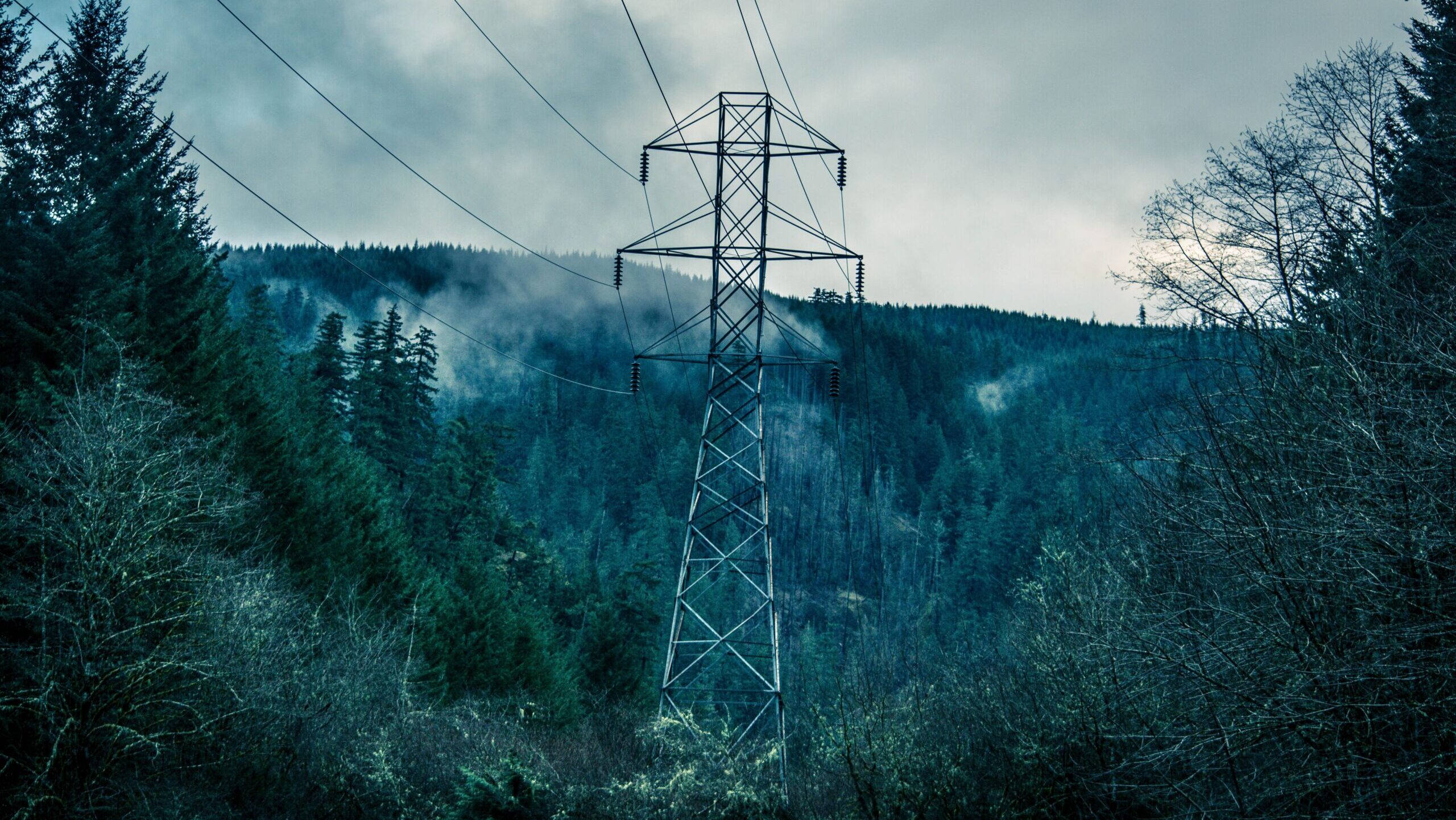
On the same day, the transmission between two areas was reduced because a cable was disconnected after people were reported climbing a power pole.
“When we receive credible information that people are climbing a power line pole, we usually disconnect the line for personal safety reasons,” Pontus de Maré, operations manager for Svenska kraftnät, said.
Faced with the risk of wider disruption, Svenska kraftnät declared its highest emergency warning level for several hours. Operators reduced the amount of electricity flowing between different parts of Sweden, started four gas turbines, and temporarily limited electricity use in some areas to help stabilise the network.
The incident did not lead to a full blackout, but did require emergency measures known as a brownout.
A blackout occurs when power is completely lost. A brownout is less severe: electricity remains available, but operators deliberately reduce supply in certain areas or lower voltage levels to prevent the entire system from failing. It is essentially a controlled emergency measure designed to stop a larger outage.
The episode attracted attention because Sweden is generally regarded as having one of Europe’s most reliable electricity systems. The country generates power from a mixture of hydroelectric dams, nuclear reactors, wind farms, and solar installations.
For that reason, the fact that two relatively routine disruptions were enough to put the system close to its limits has raised concerns among energy experts.
As more countries rely on wind and solar power, many are shutting down coal, gas, and nuclear power plants that traditionally provided a steady and predictable supply of electricity.
Electricity grids must constantly keep supply and demand in balance. When large amounts of power come from weather-dependent sources such as wind and solar, that balancing act becomes more difficult and often more expensive.
Grid operators increasingly need backup systems, emergency reserves, and other balancing measures to keep electricity flowing smoothly.
Germany provides one of the most frequently cited examples. The cost of managing its electricity network and dealing with fluctuations in renewable power has risen into the billions of euros each year.
At the same time, periods of strong wind or sunshine can sometimes push electricity prices below zero, while calm or cloudy conditions often require more expensive backup generators to be switched on. Those costs can ultimately be passed on to households and businesses through higher electricity bills.
Svenska kraftnät said in a press release that any increase in electricity prices from the June 8 event will be investigated and most likely adjusted downward.