Nuclear energy is once again gaining prominence within the European Union’s energy strategy. After years in which much of the debate in Brussels focused almost exclusively on renewable energy sources, the EU is beginning to acknowledge that meeting climate targets, guaranteeing energy security, and maintaining European industrial competitiveness will require preserving and even expanding existing nuclear capacity.
The latest figure to acknowledge this reality is European Commissioner for Energy Dan Jørgensen. Speaking to industry representatives this week, the Commissioner stated that nuclear energy will remain an essential component of Europe’s energy system, while stressing the need to reduce the dependence that several member states still maintain on Russia in key areas such as enriched fuel supplies and certain technological services.
His remarks reflect a significant evolution within the European Commission itself, even if much of the ideological fixation remains intact.
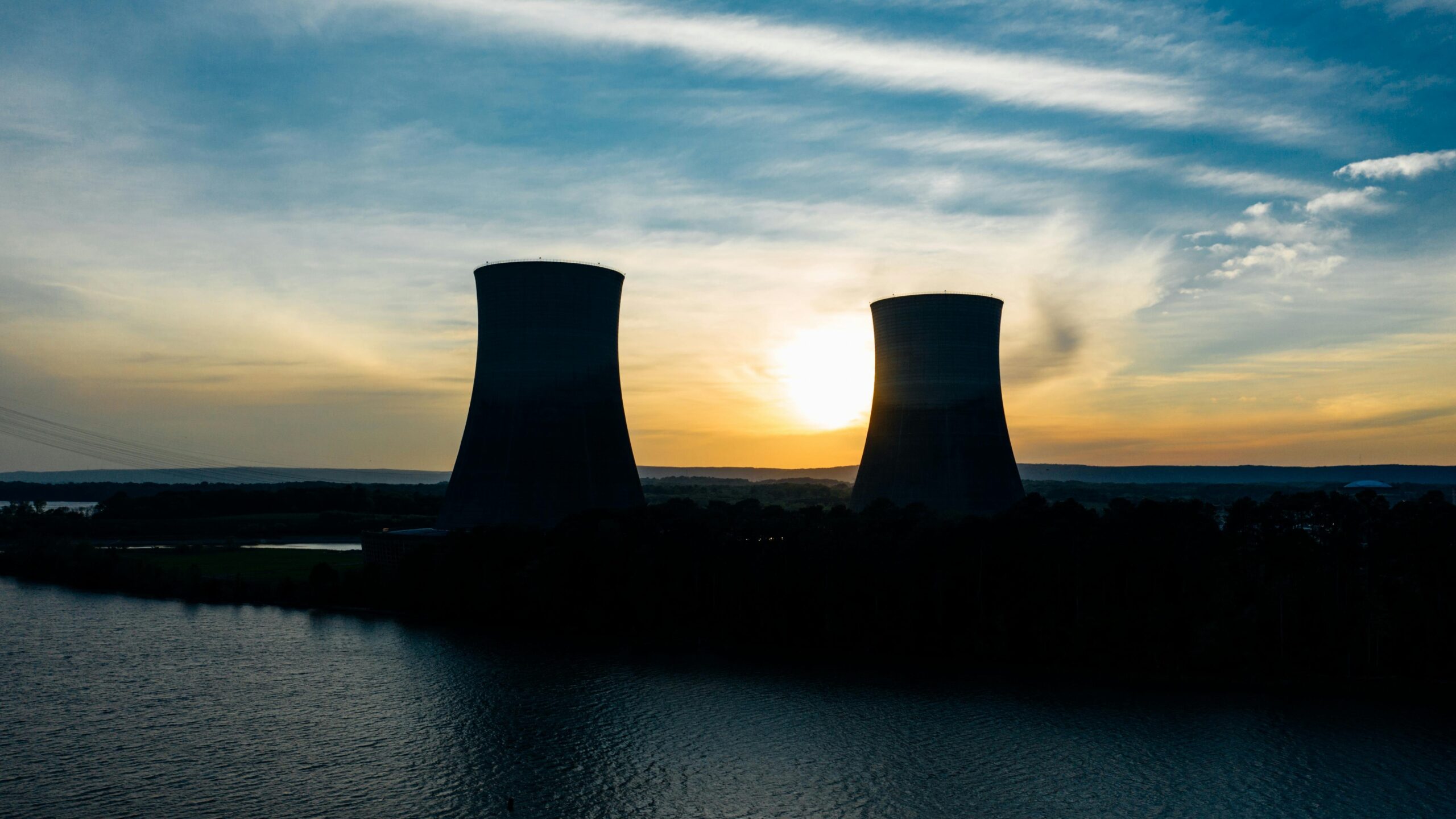
Nuclear power never disappeared entirely from the EU’s energy mix. Today, twelve member states operate nuclear reactors and the technology generates around 23% of all electricity consumed across the European Union. France remains the sector’s dominant player, although countries such as Poland, the Czech Republic, Romania, Hungary and Sweden are also considering expanding or modernising their nuclear capabilities.
What has changed is Brussels’ political approach.
The latest projections published by the Commission foresee installed nuclear capacity in the EU increasing from approximately 98 gigawatts in 2025 to around 109 gigawatts by 2050. To achieve this objective, Brussels estimates that investments of roughly €241 billion will be required, both to extend the lifespan of existing reactors and to finance new facilities and emerging technologies.
Among those technologies are Small Modular Reactors (SMRs), which the Commission regards as one of the sector’s most promising future developments. Earlier this year, Brussels unveiled a dedicated strategy aimed at accelerating their deployment and helping the first European projects become operational during the next decade.
This shift in priorities is largely the result of Europe’s changing geopolitical environment.
Russia’s invasion of Ukraine and the subsequent energy crisis exposed Europe’s vulnerability to external dependencies. While much of the initial debate focused on gas supplies, the Commission has also begun examining the dependencies that exist in certain segments of the nuclear industry.
As a result, the REPowerEU plan includes specific measures designed to gradually reduce imports of nuclear-related products from Russia. Member states will be required to submit national plans before the end of 2025 detailing how they intend to reduce that dependence in the coming years.
Nuclear energy is no longer being presented as a transitional technology destined to disappear progressively. Instead, it is increasingly viewed as a tool that the European Union considers necessary to strengthen energy security, reduce emissions and sustain industrial competitiveness over the coming decades.
Without major public U-turns or any explicit acknowledgement of past mistakes, the Commission appears to be accepting a conclusion that is increasingly shared by a growing number of member states: Europe’s energy transition will either include nuclear power, or it will become far more difficult than originally anticipated.