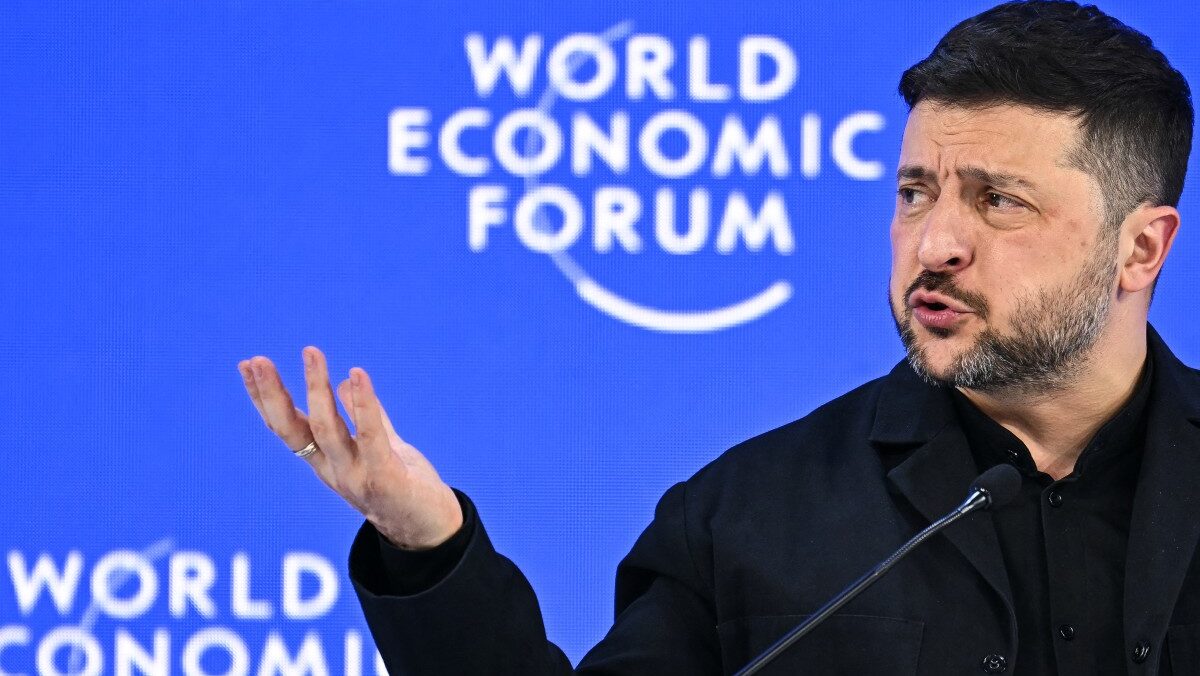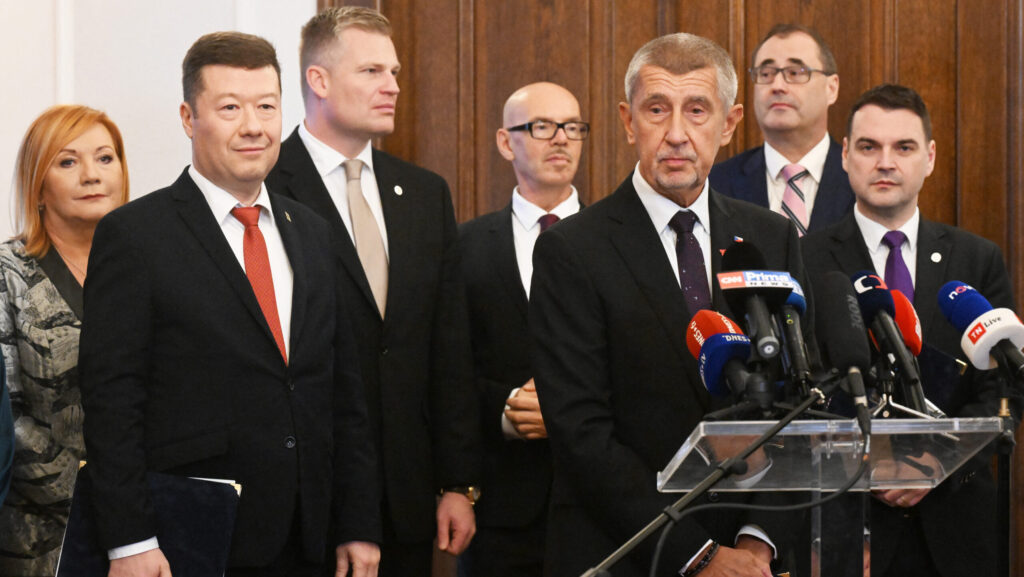
A diplomatic clash between Prague and Kyiv has exposed growing unease in the Czech Republic over the cost, duration, and democratic oversight of continued military support for Ukraine.
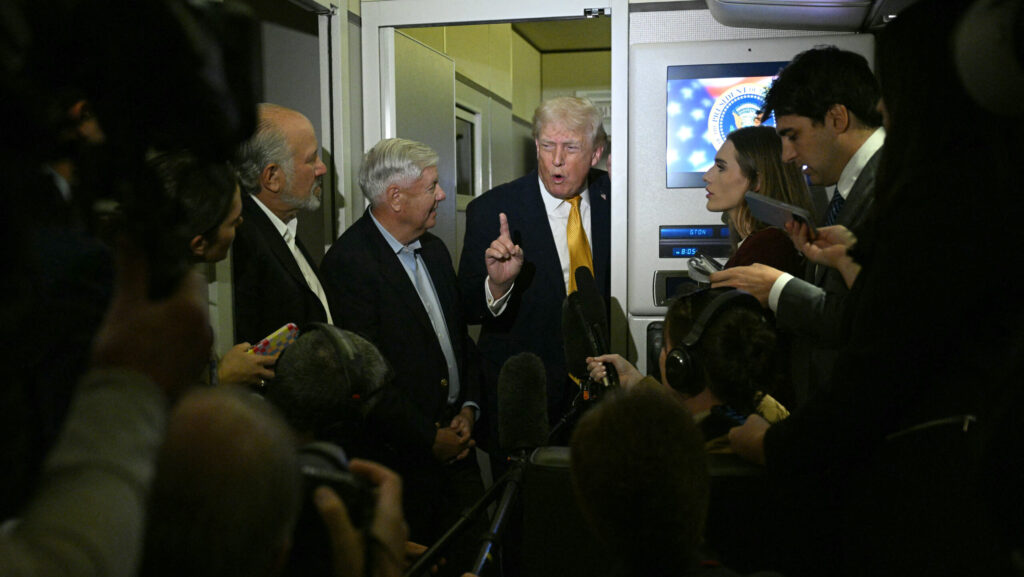
U.S. rhetoric on the Arctic hardens as Nordic leaders push back and Brussels struggles to find a common line.
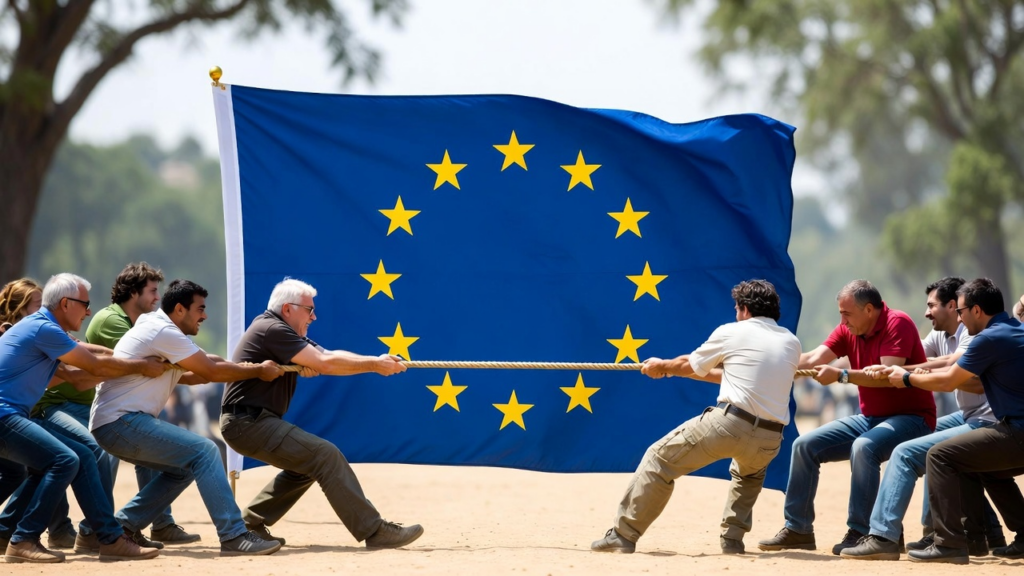
While Brussels celebrates past successes, the removal of the veto, the erosion of the Single Market, and accelerated enlargement threaten to turn the European project into something very different from what Spain and Portugal signed up to in 1986.
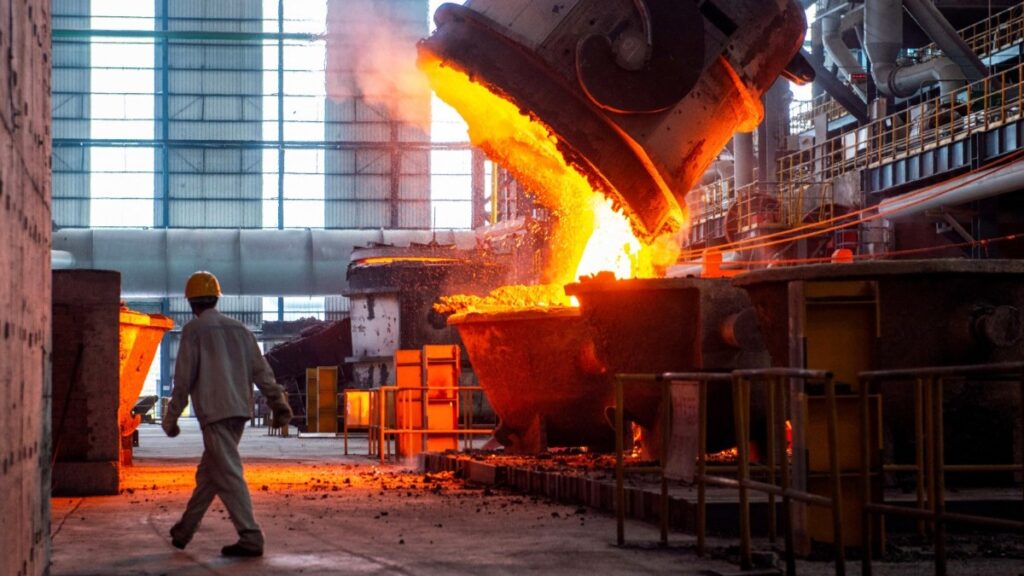
The Commission’s carbon border tax will likely increase the EU’s external economic vulnerability.
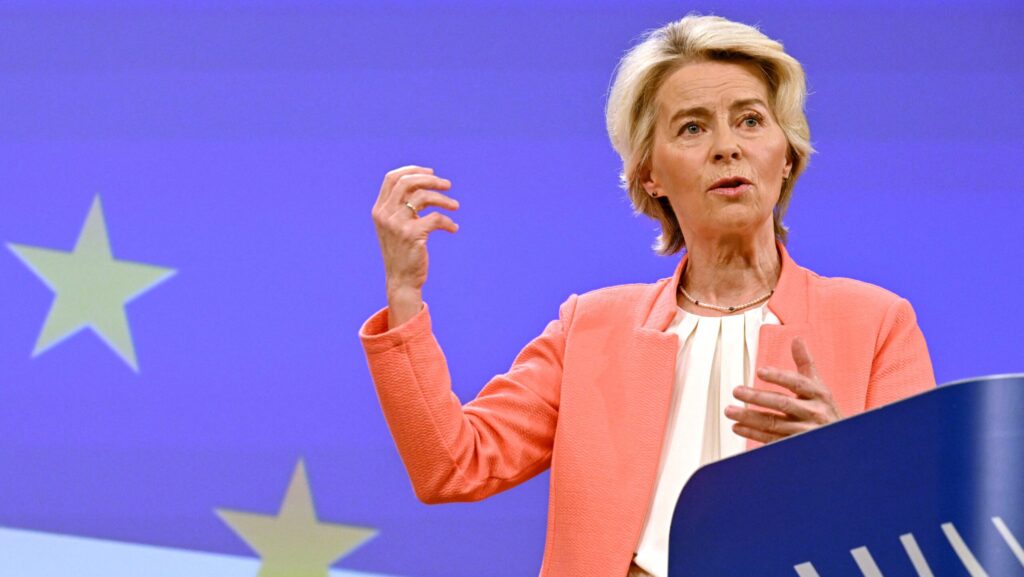
Plans under the next EU budget would dramatically expand funding for NGOs and campaigns aligned with the Commission’s agenda as resistance to Brussels grows across Europe.

“There is no genuine desire for public debate. They do not want to persuade society. Instead, they identify ‘change agents’ who carry the ideology directly into institutions—bypassing parents, parliament, and public opinion.”

The Extremadura result has intensified doubts about how long the government can last.

Rising fertilizer prices, driven by sanctions and Brussels regulation, are squeezing farm margins, cutting yields, and pushing food prices higher across the EU.

“A political battle without a prior cultural battle cannot be won. If we do not first transform the cultural framework, political victories will be fragile or temporary.”
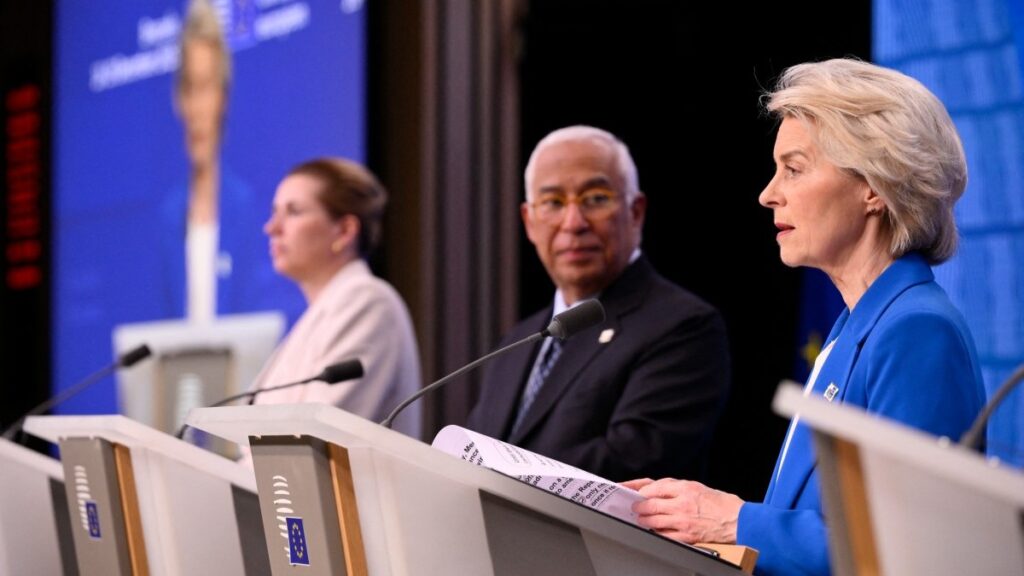
Czechia, Hungary and Slovakia opted out of a mega loan to Kyiv that will impose yet another burden on European taxpayers.
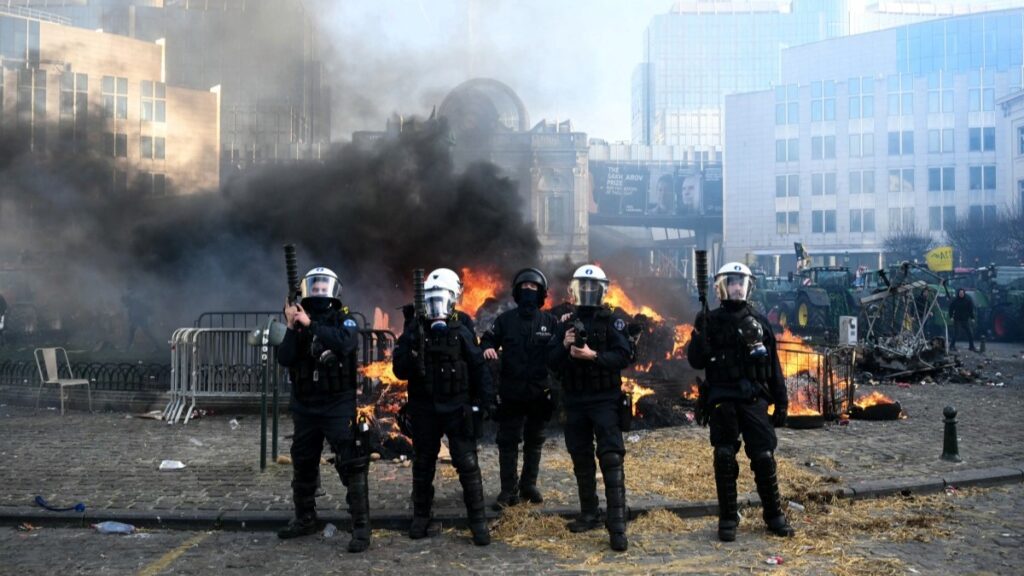
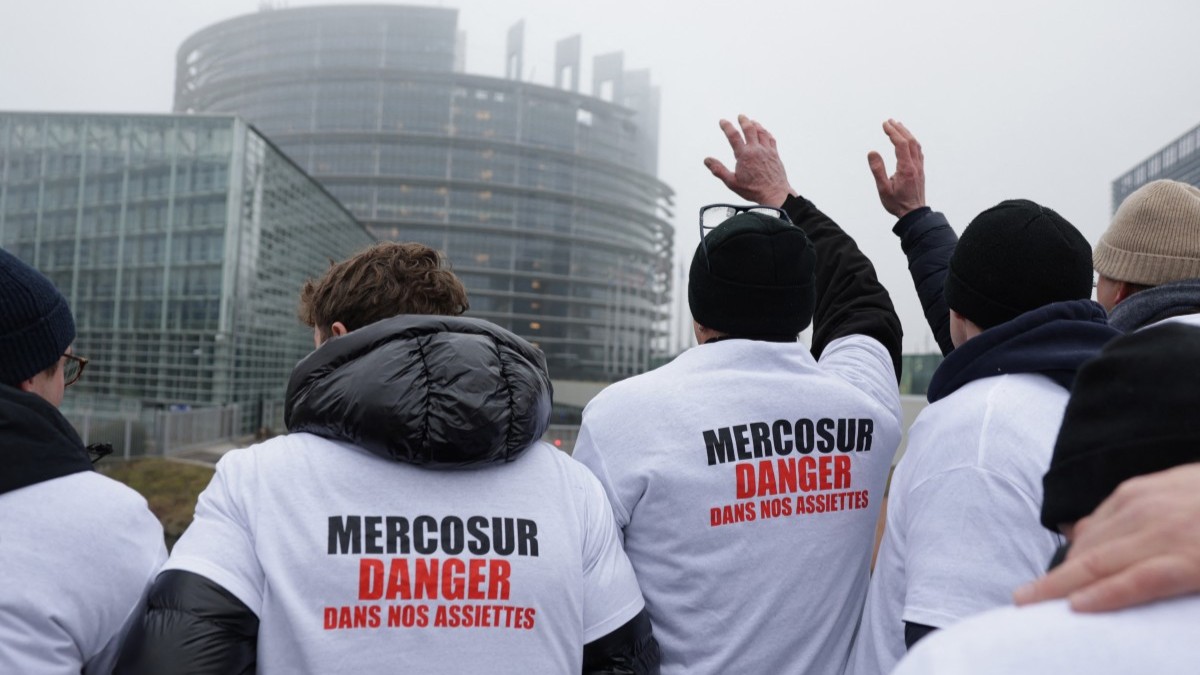
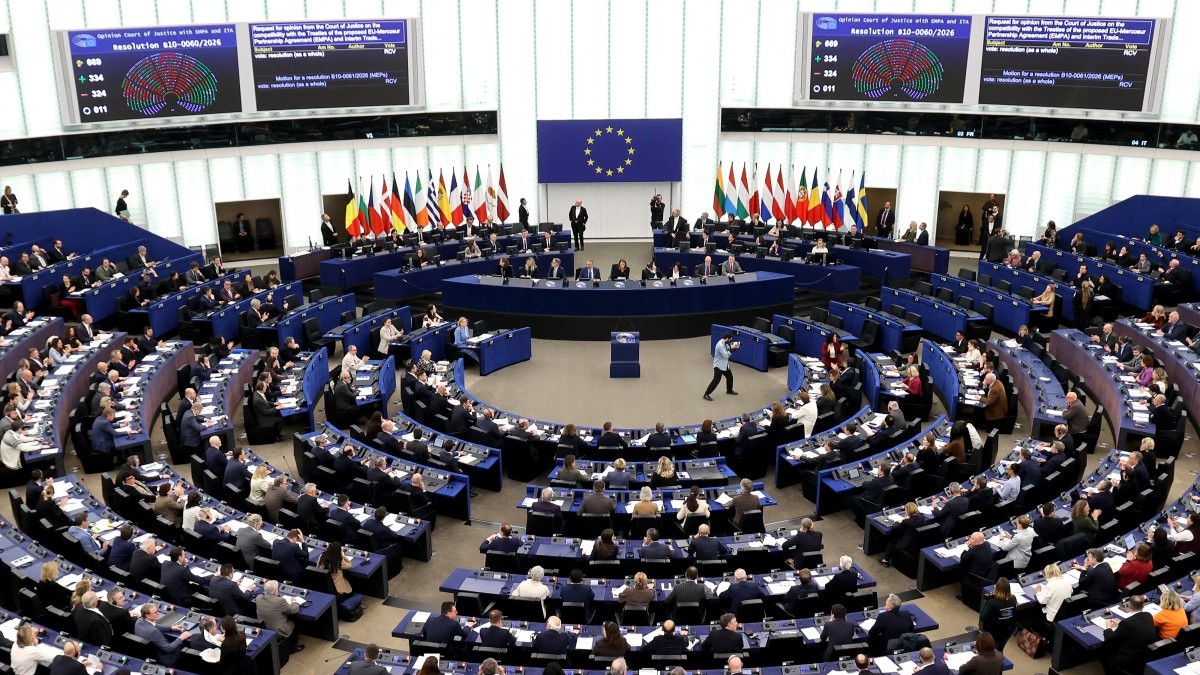
The fierce protest by farmers and livestock producers in Brussels delivered an unexpected result: a last-minute delay to the EU–Mercosur agreement.
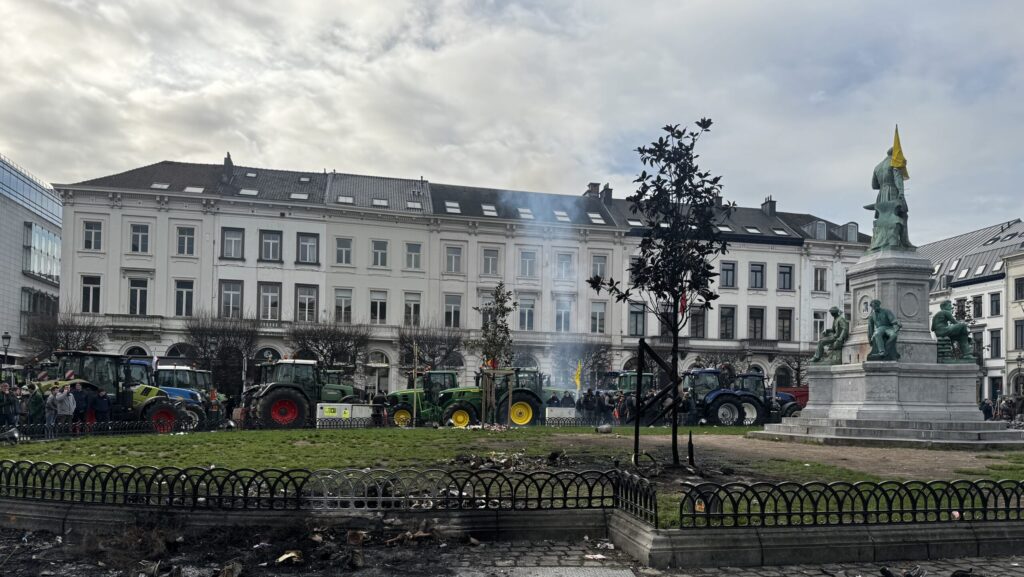
Italy’s last-minute pressure has exposed deep-seated discontent that turned the immediate signing of the treaty into a political risk for the European Union.