Europe’s migration reform expands data and control, but avoids the core question of whether it actually reduces immigration.

The dismissal has reopened questions about why ethics rules seem to bite hardest at lower levels of the EU system.
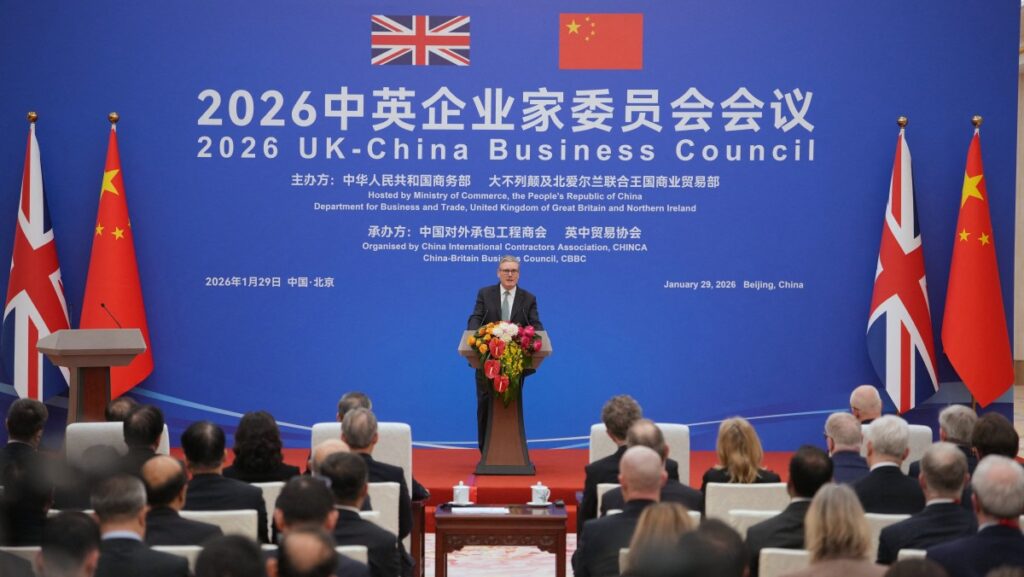
European leaders are quietly re-engaging Beijing to protect trade and supply chains, underscoring how hard China is to replace for a competitiveness-strained Europe.

In the name of ethics, Brussels is building a regulatory framework that stifles innovation and leaves Europe out of the global technological race.
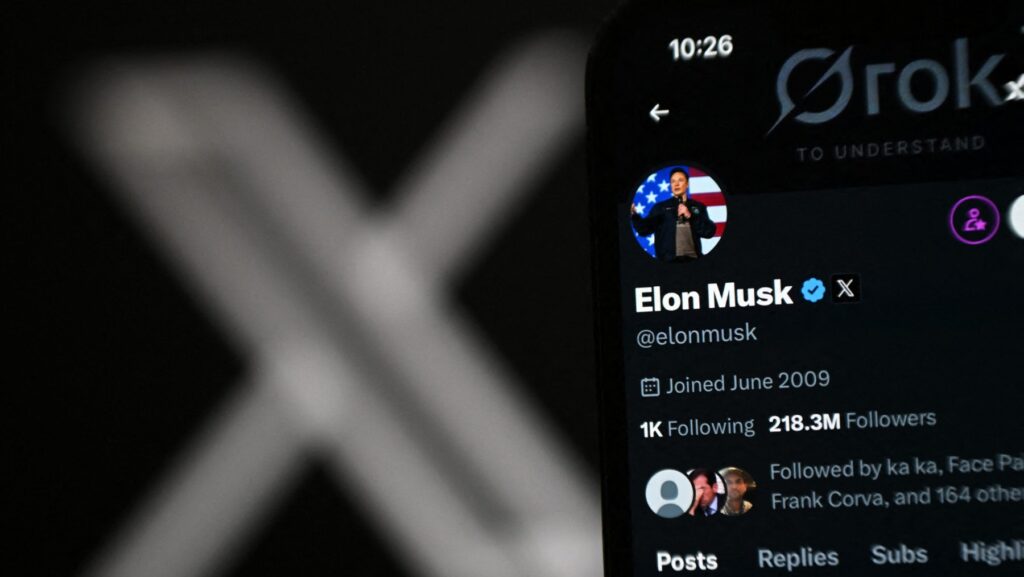
U.S. lawmakers say the case shows how EU tech rules can be used to pressure foreign platforms—and shape online speech far beyond Europe.
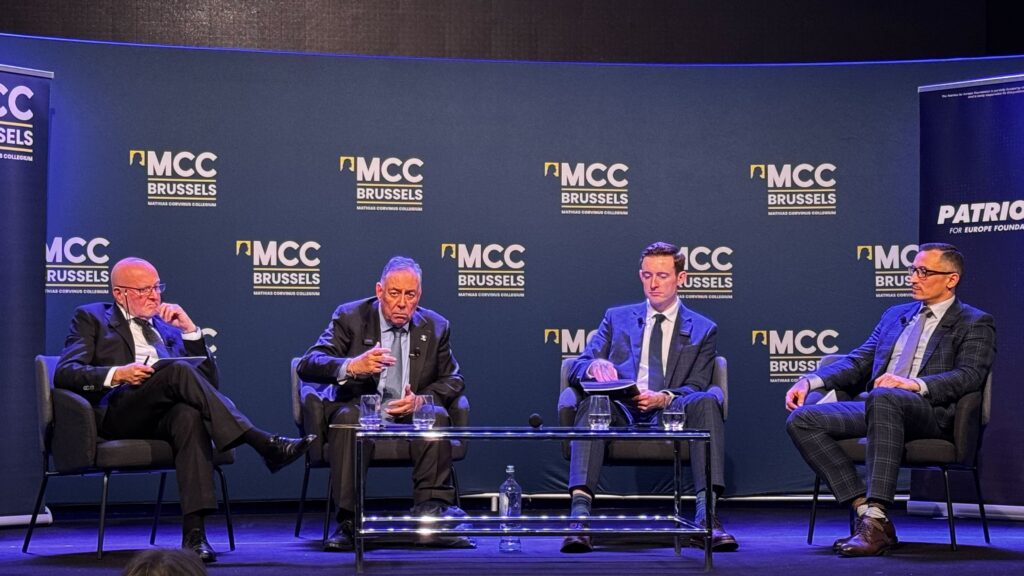
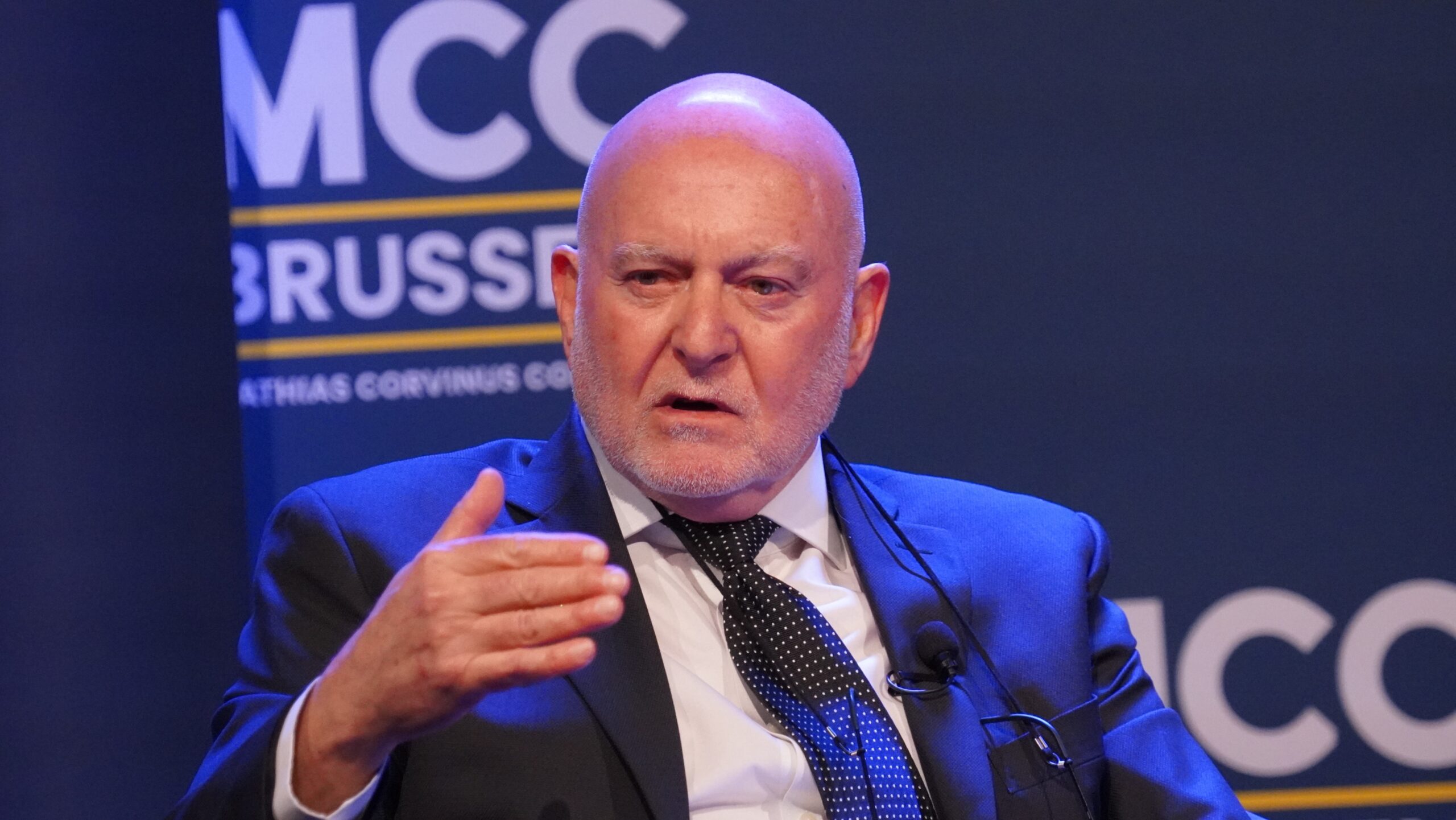
Warnings were raised at a debate hosted by MCC Brussels as critics questioned how far the initiative could reshape political speech during elections.

The move could have sweeping legal and political consequences across Europe.
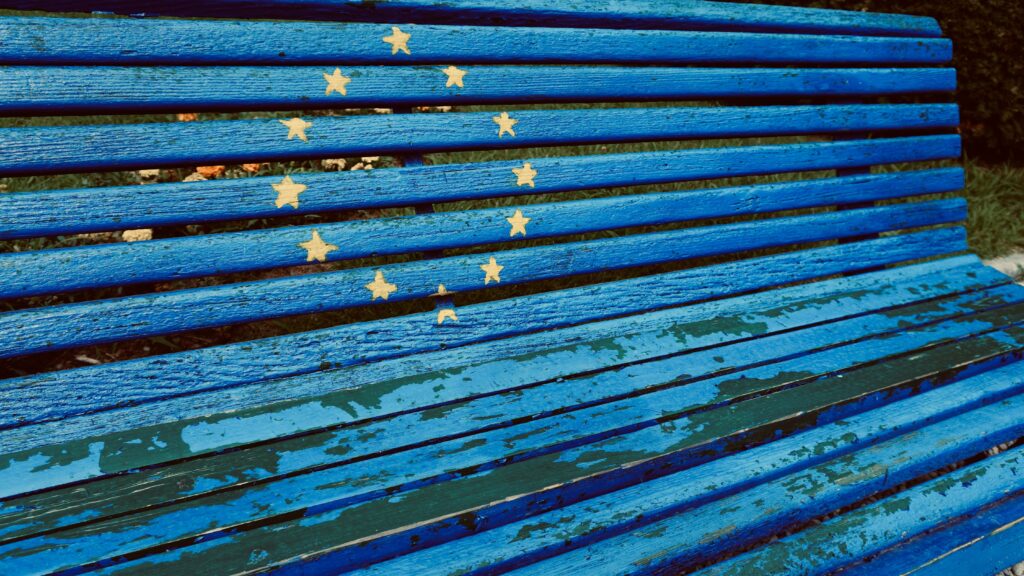
The small Balkan state has been waiting to be allowed into the European Union for over 15 years, whereas a country currently at war claims it could join in 2027.
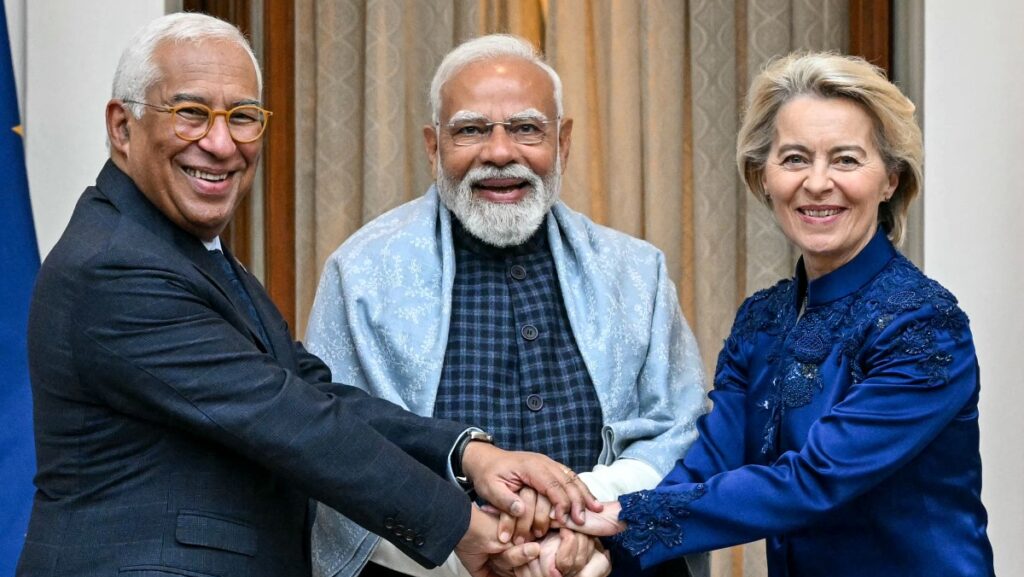
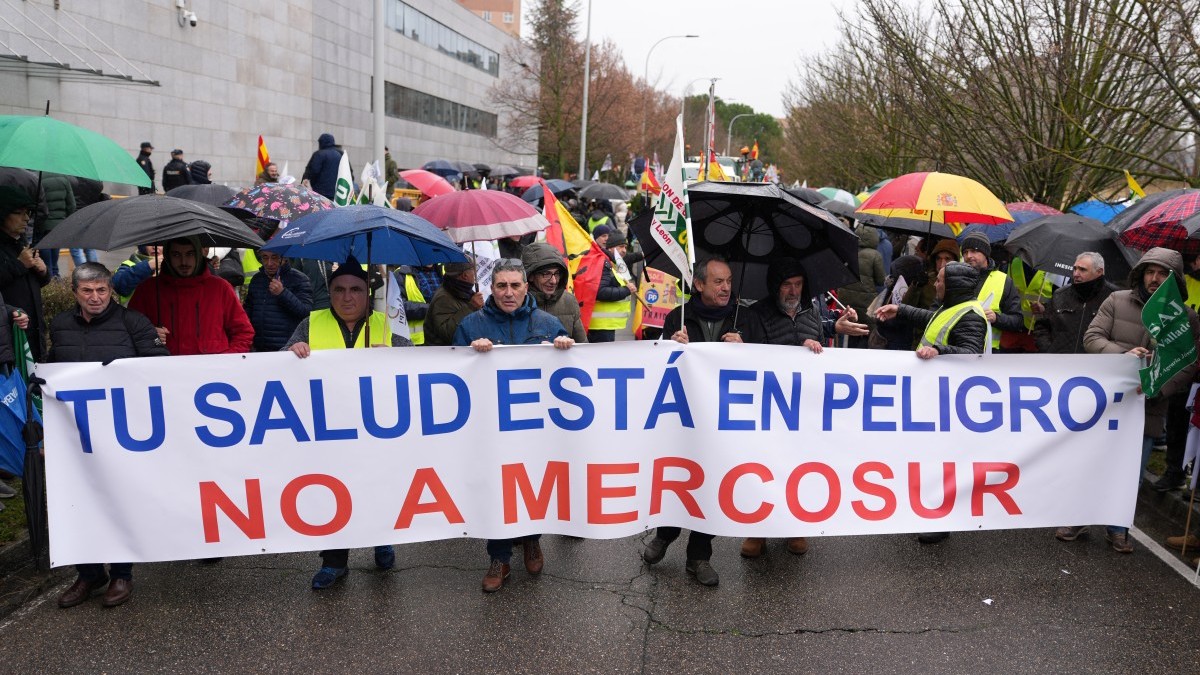
Behind the promises of growth and global influence lies a set of commitments that many governments have barely debated—and voters may not expect.

While the Commission claims it does not want to swap one dependency for another, it is helping entrench a more expensive energy model increasingly controlled from Washington.
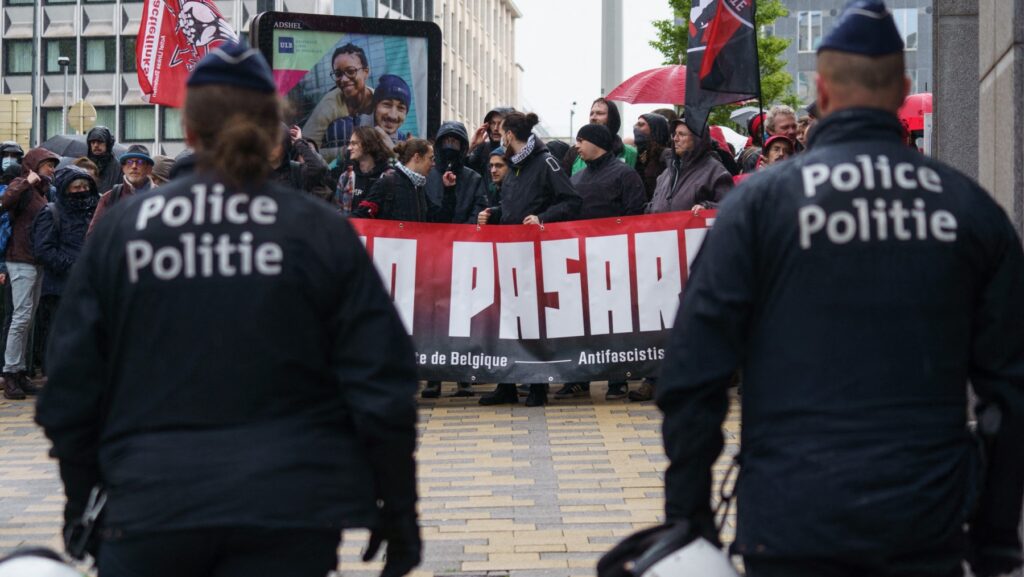
A judge ruled that local authorities must protect lawful events, not cancel them because they attract protests or political pressure.

A technical reclassification with far-reaching consequences has drawn WhatsApp into the EU’s most demanding digital rules