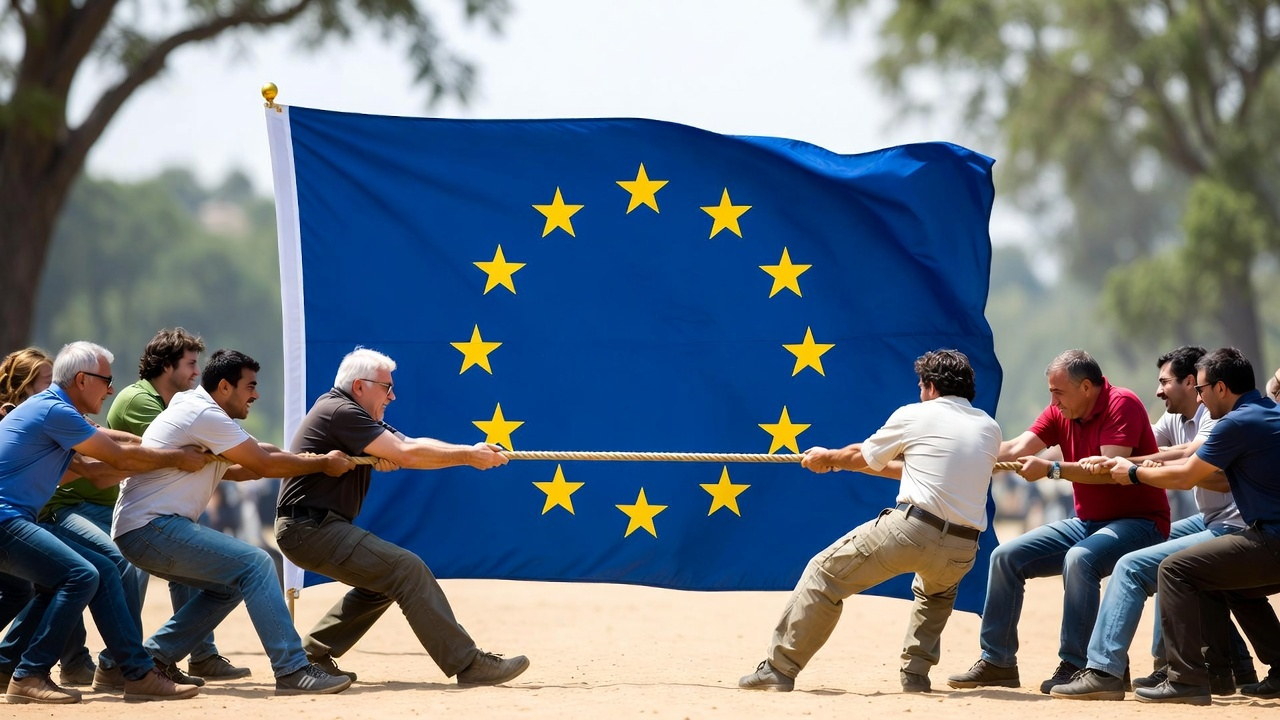


The European Commission, acting in the name of the WHO, is pushing a ban that goes far beyond public health—it is another step toward centralisation of power and common taxation.

Newly uncovered documents reveal how Downing Street shaped the British narrative on the war in Ukraine, shutting down any early path to negotiation and projecting a new moral doctrine that now defines European policy.
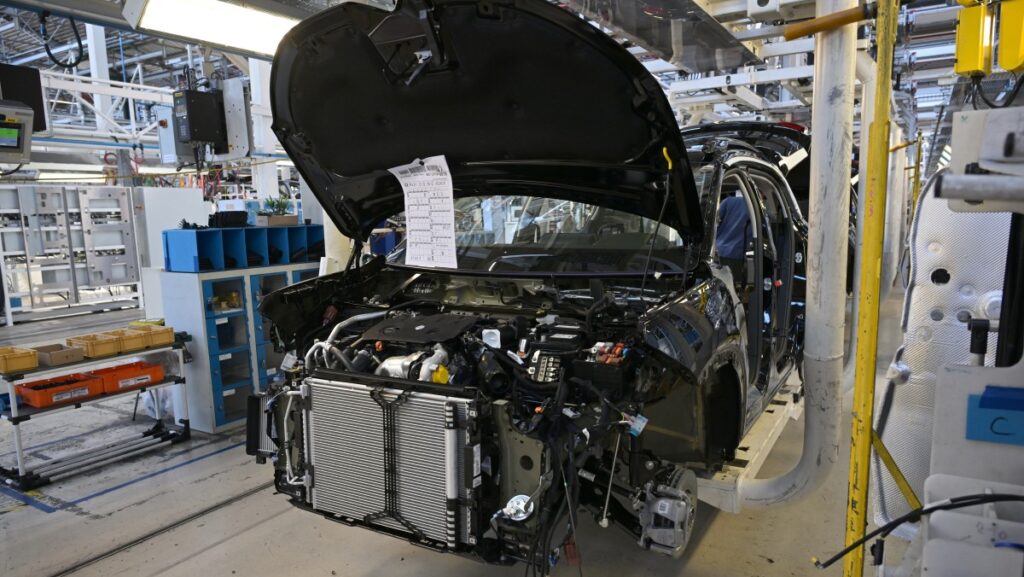
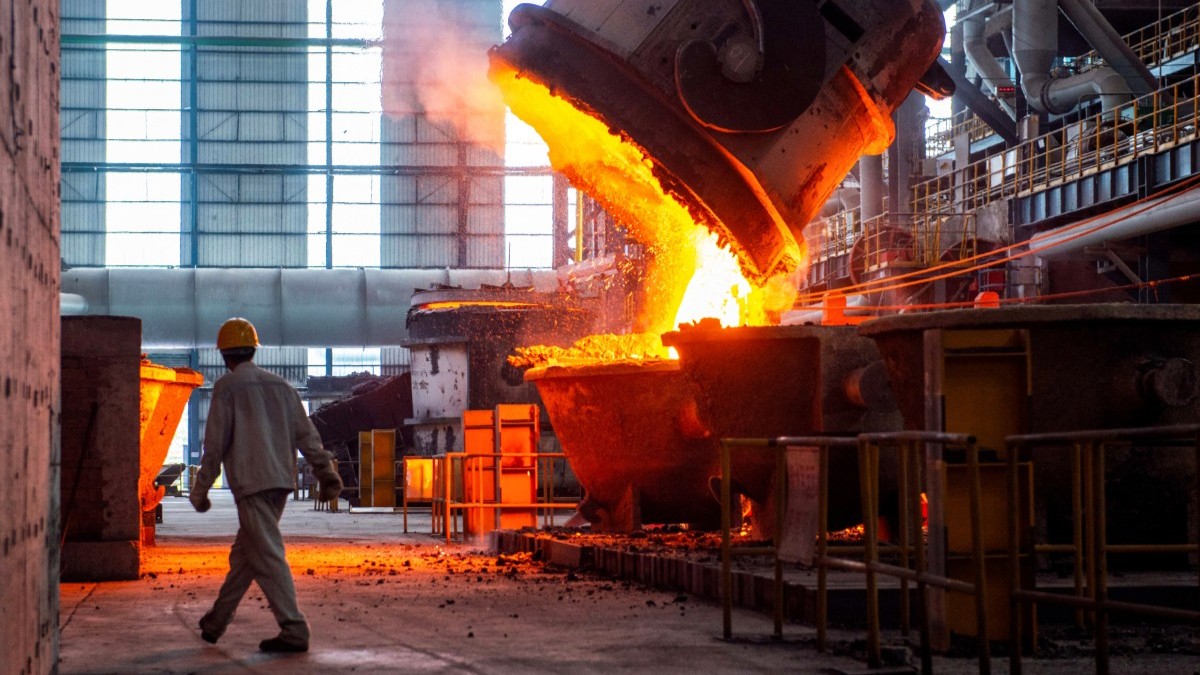
The trade war with China leaves the automotive industry without key components and no immediate alternatives.

Record immigration inflows sustain Spanish and European GDPs, but strain housing and wages.

From moral crusade to global business: Boris Johnson’s pro-Ukraine activism reveals how virtue can become a lucrative brand.

Judicial alarm and chaos in Belgian ports push the country to seek U.S. support.

Teresa Ribera reaffirmed the Commission’s determination to continue its green crusade, with a speech blending climate faith and political control.

As Britain armed Ukraine in the name of solidarity, its defence industry—and Boris Johnson’s allies—turned war into opportunity.
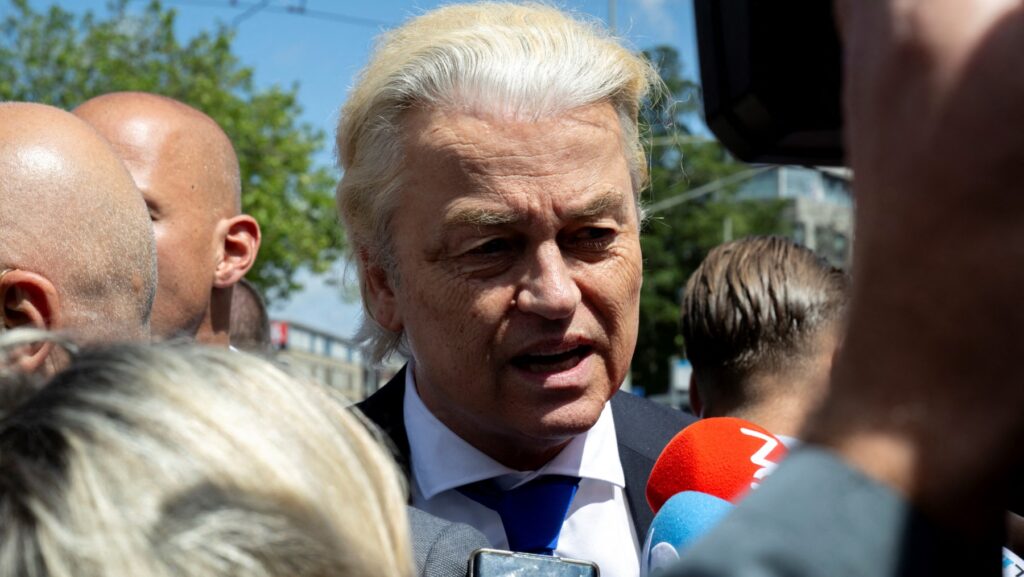
The campaign is polarised between defending the progressive consensus and growing fatigue over the migration crisis.

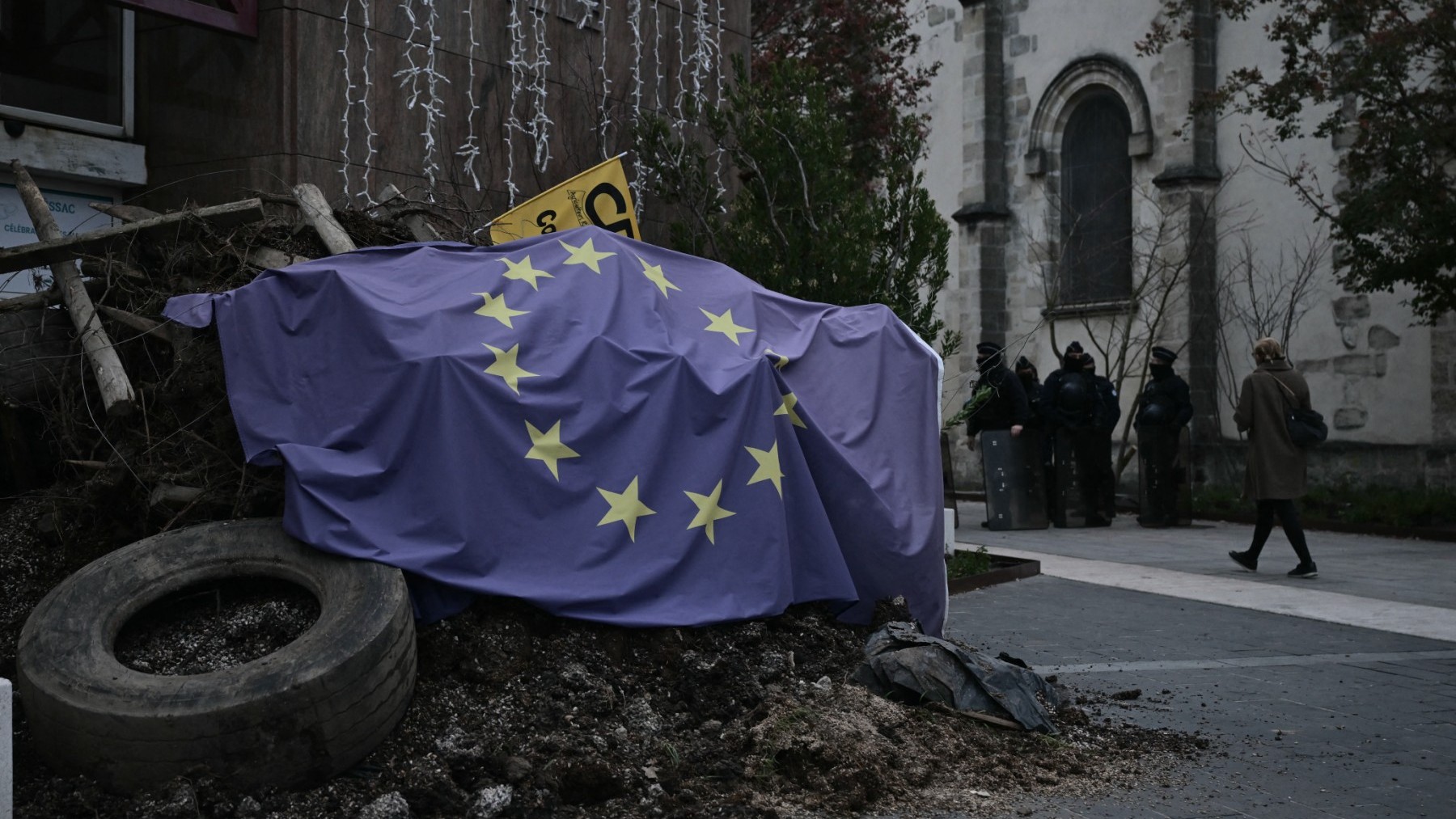
Kyiv’s “alignment” with EU standards could blow up the Common Agricultural Policy.

On April 9, 2022, Kyiv was expecting the announcement of a ceasefire. What it received instead was an ultimatum. Three years later, documents and testimonies confirm that on that day, it was not peace that was decided, but the duration of the war.

A £1 million donation, a defense entrepreneur, and a former prime minister turned international advocate. The Johnson–Harborne–QinetiQ connection sheds light on the intersection of political power, private influence, and the business of war.