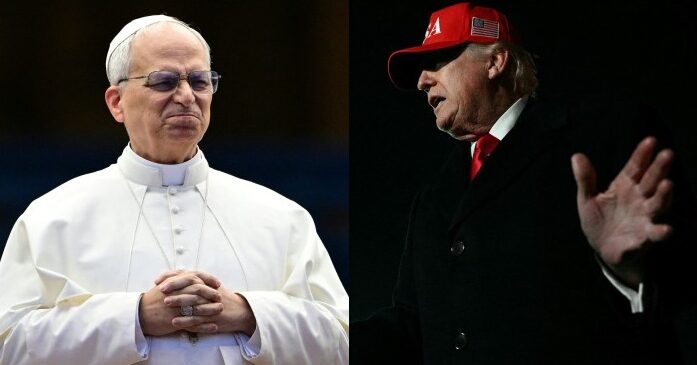

In the clash of wills between the White House and the Vatican, it is already clear that the vast majority of Catholics will rather side with their pope than with the president of the United States.

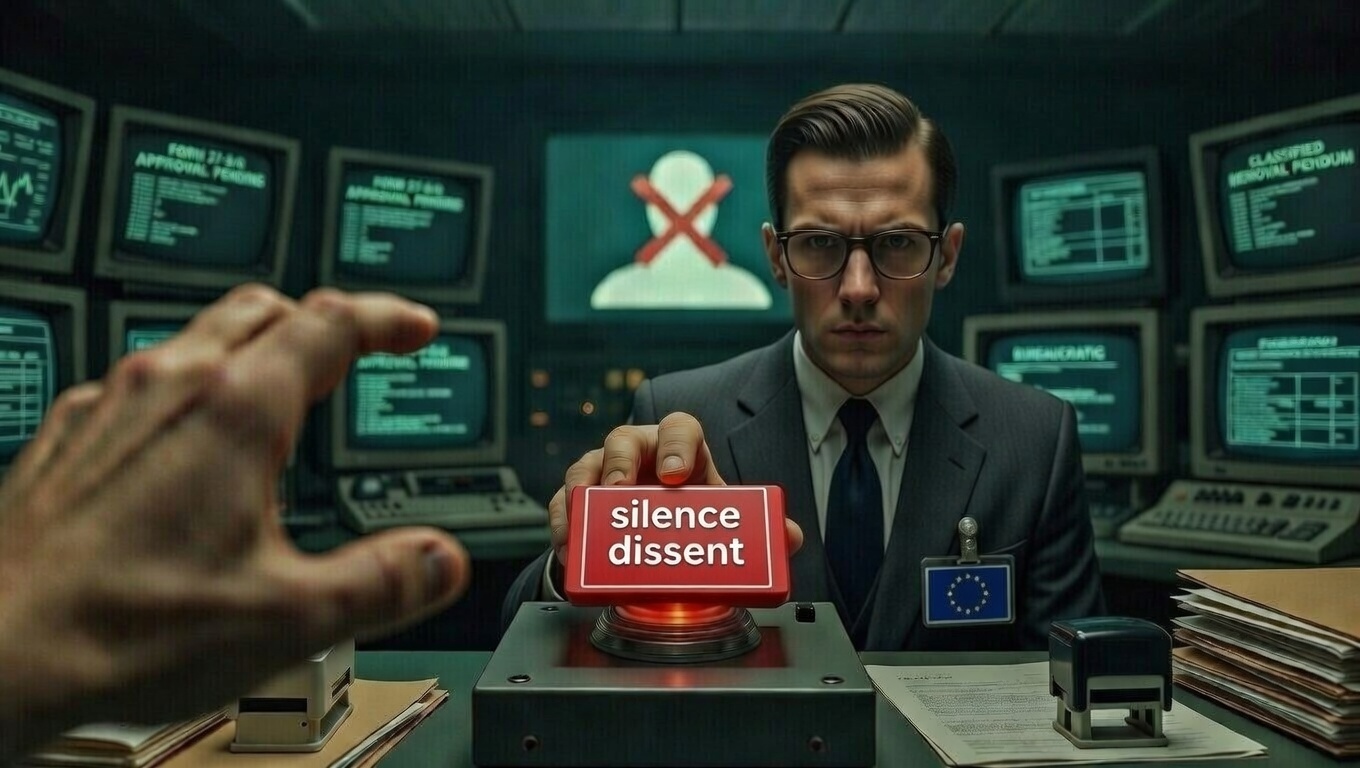
Perfectly legal acts of political opposition to the establishment can lead an individual to suffer real, painful measures of state coercion.
On April 12, Hungarians will be called to choose between adherence to the national interest in governance and the same sort of Brusselian occupation that has led so many other European nations to decay.

“The West cannot champion human rights while ignoring the slow destruction of one of the world’s oldest Christian communities, the Assyrians.”
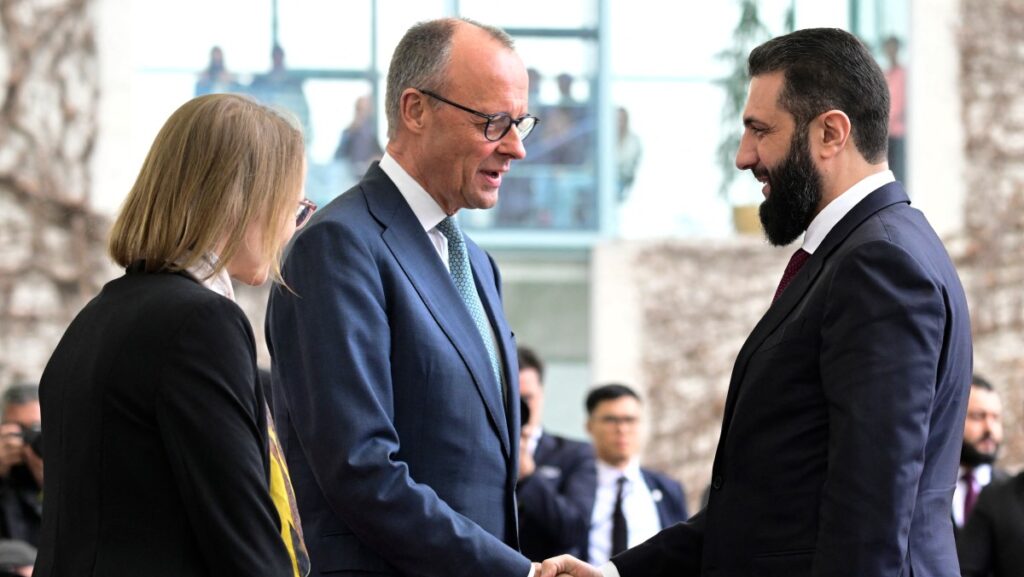
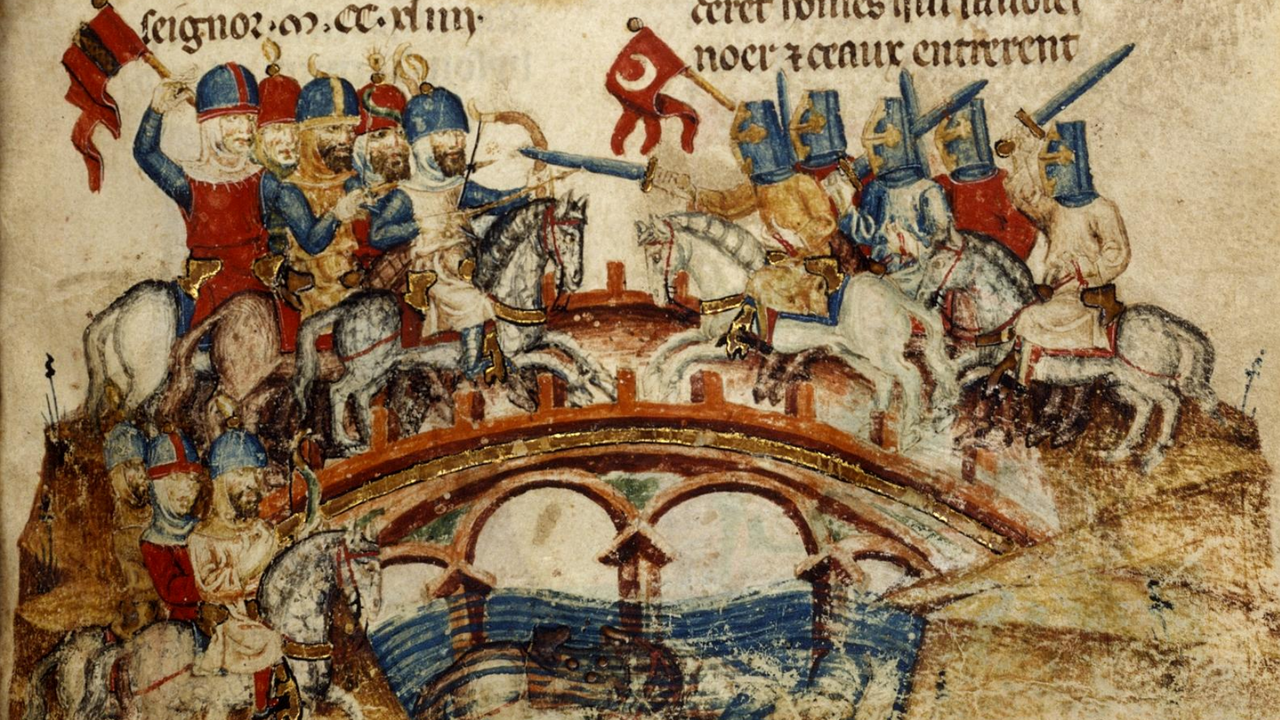
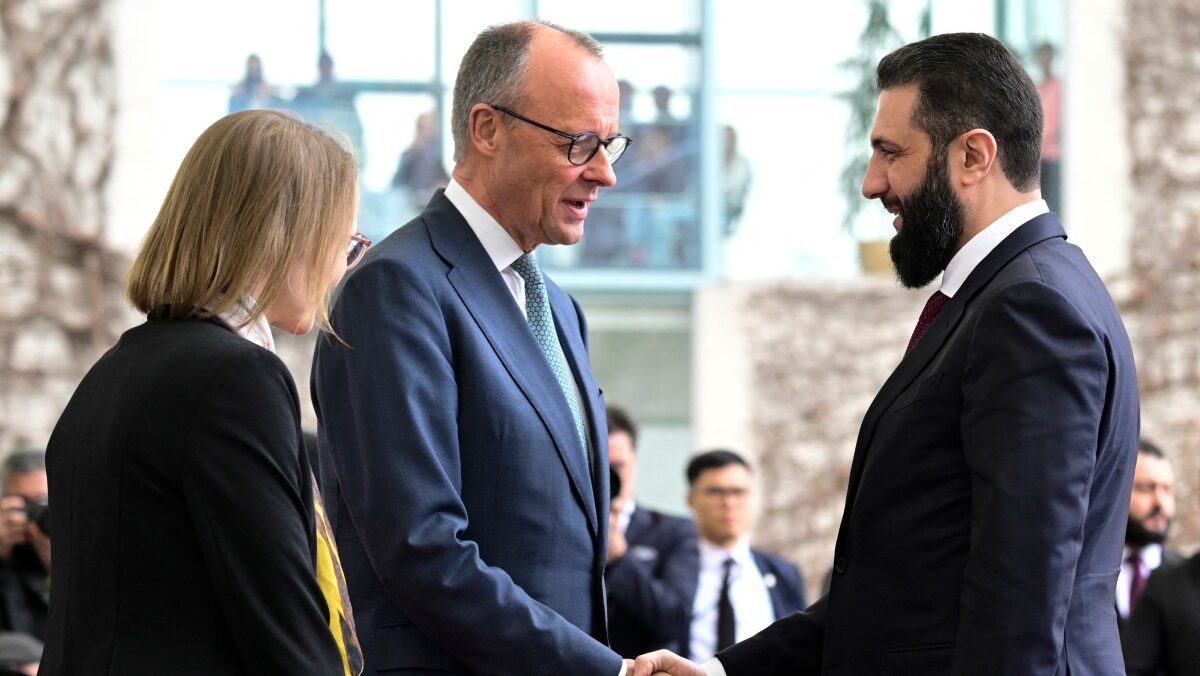
There is something decidedly grim beneath the normalisation of the Damascus regime: a tacit acknowledgement that violence, waged successfully enough, will eventually translate into legitimacy.
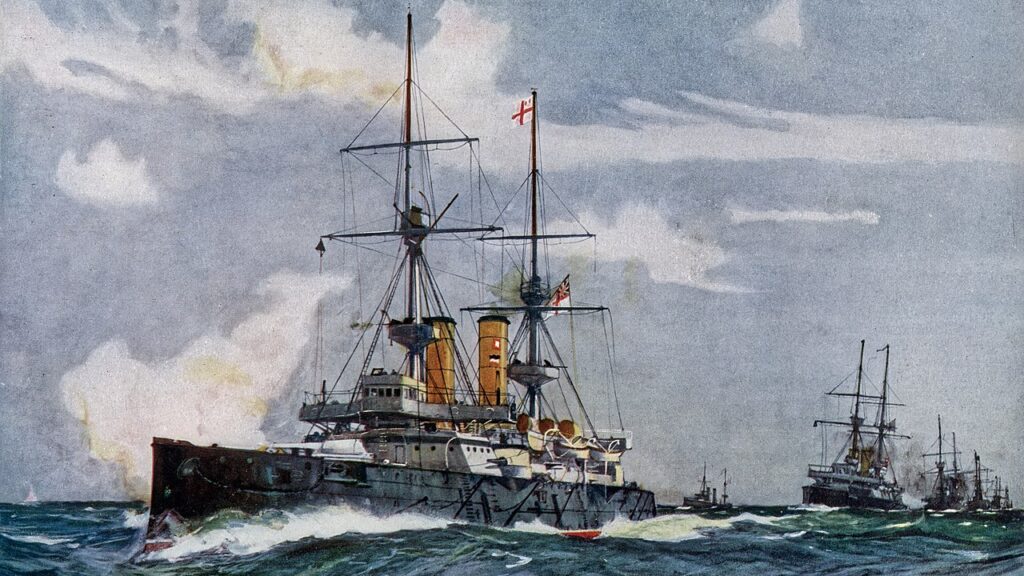
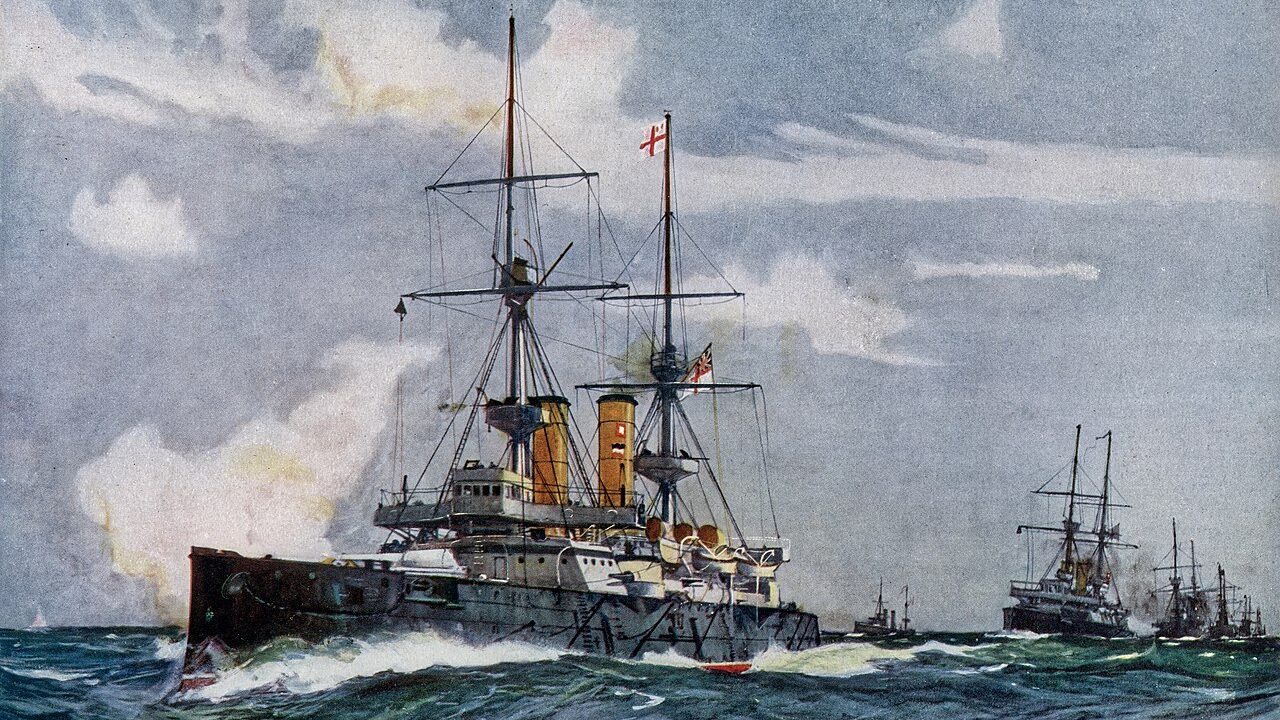
A succession of inept Conservative and Labour governments have thoroughly demilitarised Britain.
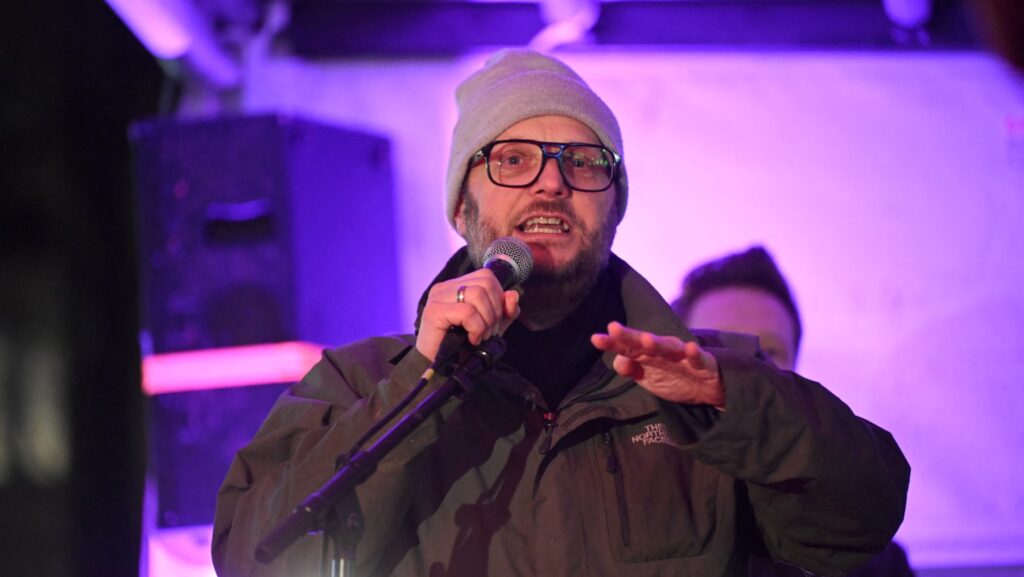
Truth cannot survive in a system where its value is subordinated to political expediency.
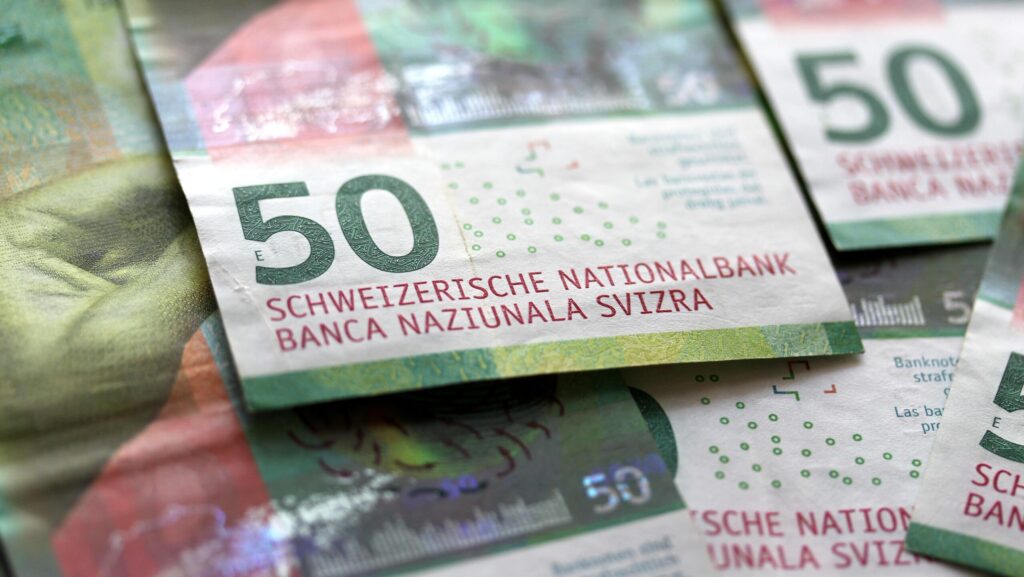
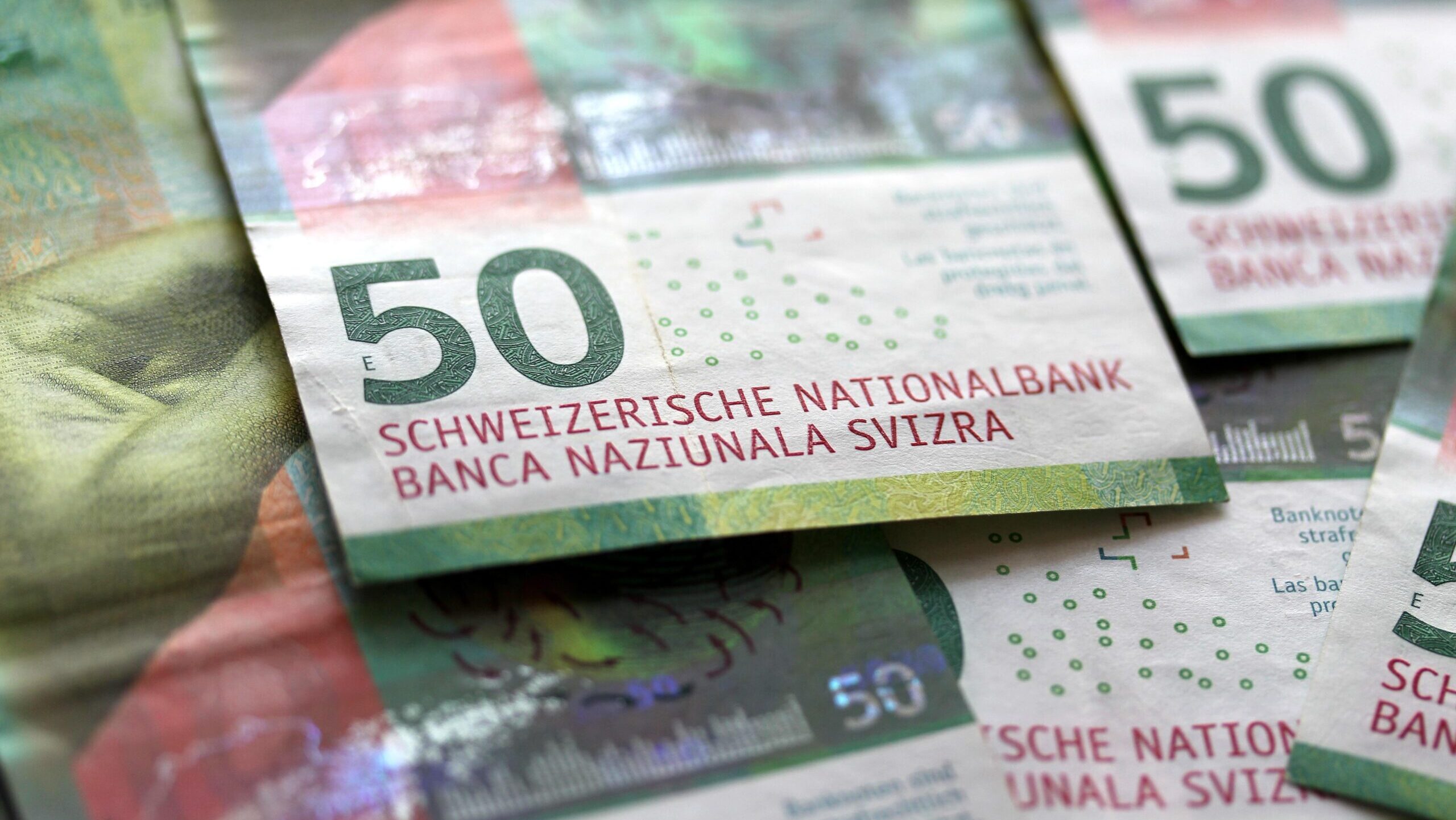
Remove cash from the system, and every economic interaction becomes visible to some authority somewhere, whether in one’s own country or somewhere else.

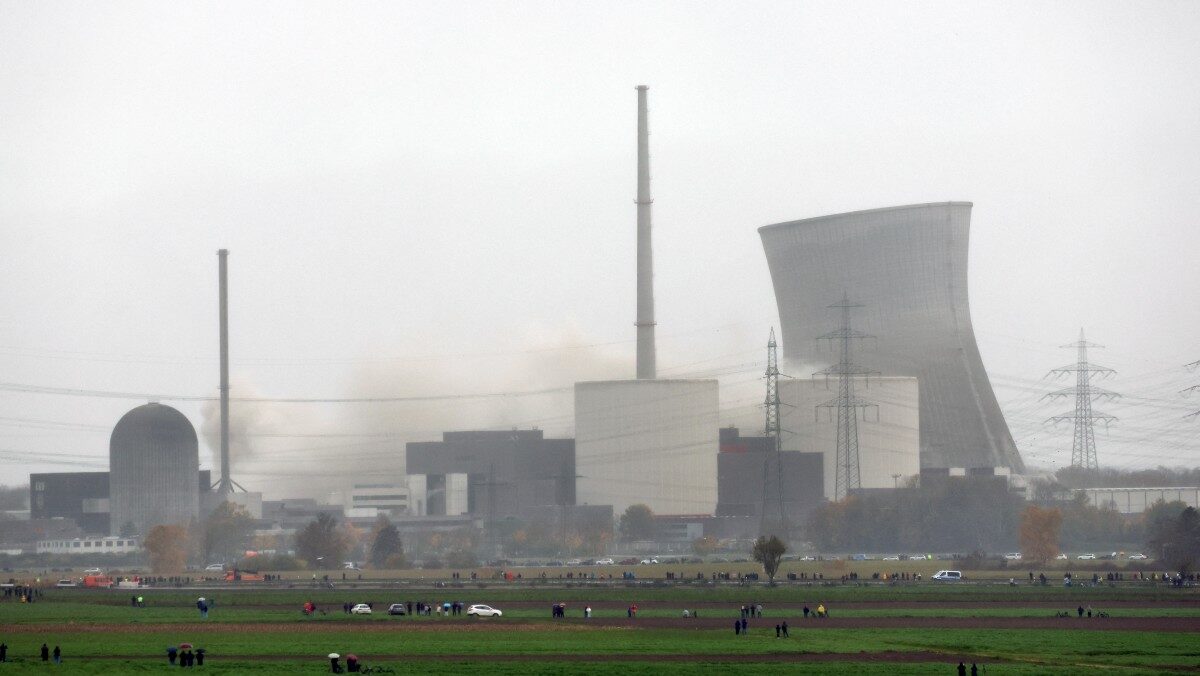
To simultaneously obliterate Germany’s nuclear sector and to cut off energy ties with Russia wasn’t simply foolish—it was self-sabotage of the highest and most unforgivable order.
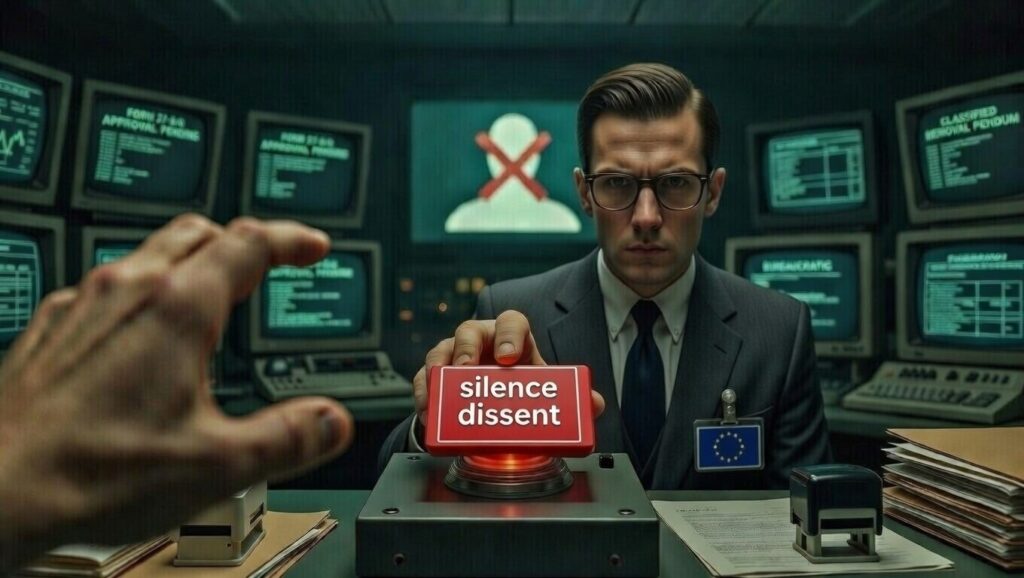
While appearing reasonable and necessary when taken individually, these measures collectively build an ecosystem of repression that East Germany’s Stasi could only have dreamt of.

Europe has built, brick by careful brick, a political and economic order structurally hostile to innovation.
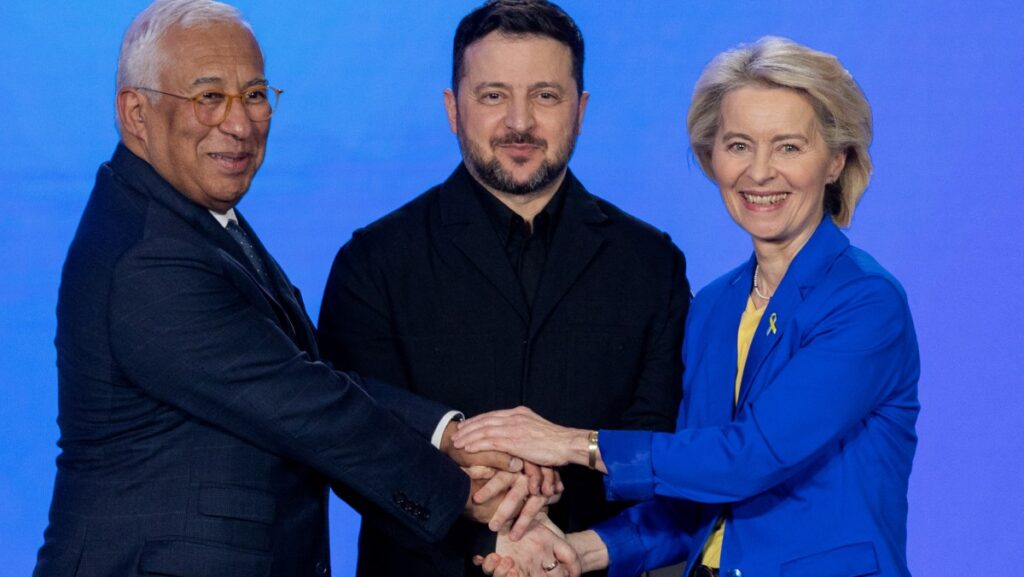
In its toxic cocktail of war mania and pathological hatred of Orbán, the EU is betraying its very purpose—and obliterating trust in itself.