
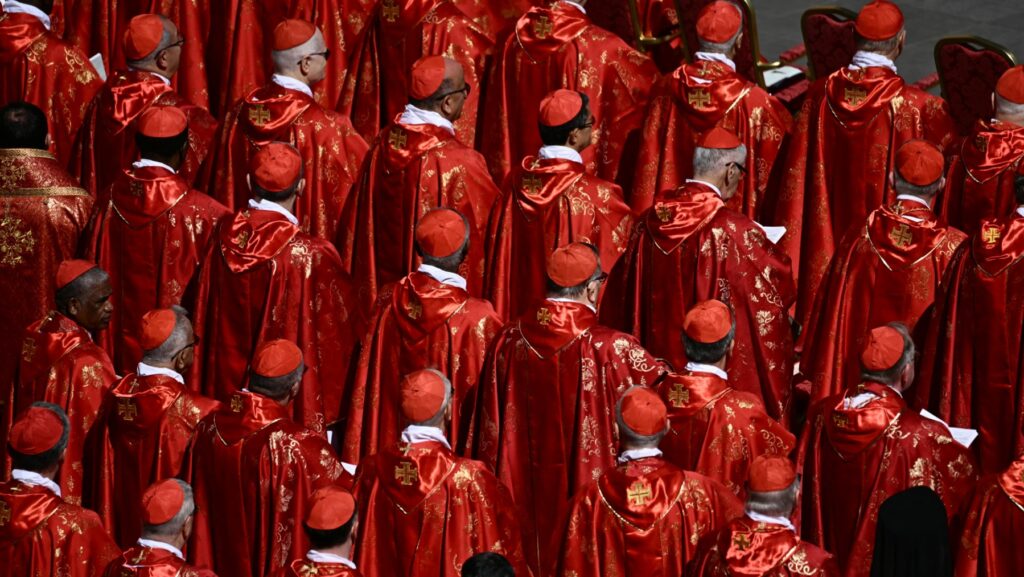
The ‘Synodal’ Revolution: From Divine Hierarchy to Human Democracy
The difference between the German Synodal Path and the synodal reform initiated by the late Pope Francis appears today, more than ever, to be a mere difference of speed.

The difference between the German Synodal Path and the synodal reform initiated by the late Pope Francis appears today, more than ever, to be a mere difference of speed.
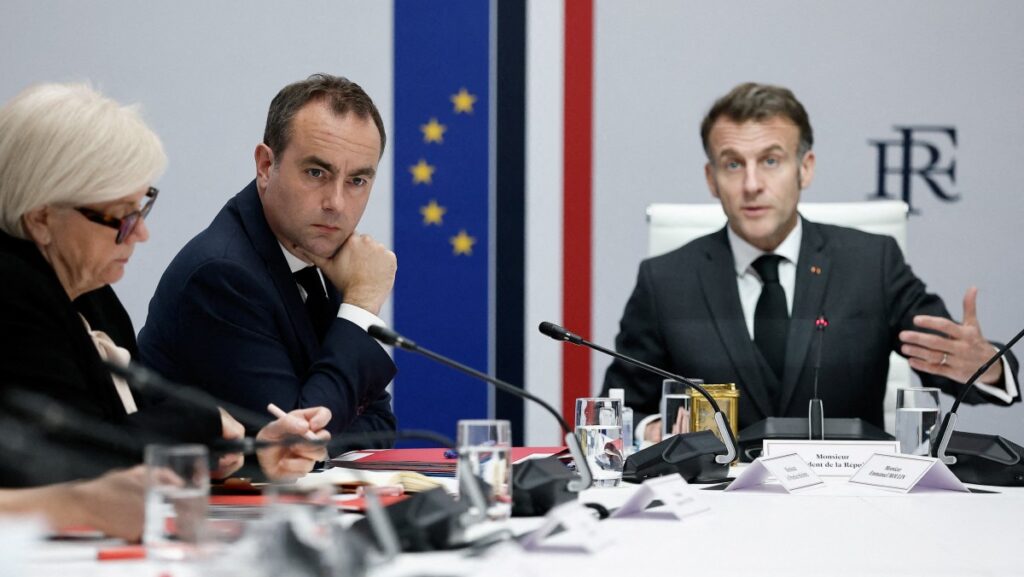
By highlighting France’s strategic capabilities without committing to sustained military operations, the current approach allows Macron to project strength while avoiding deeper involvement in conflict.
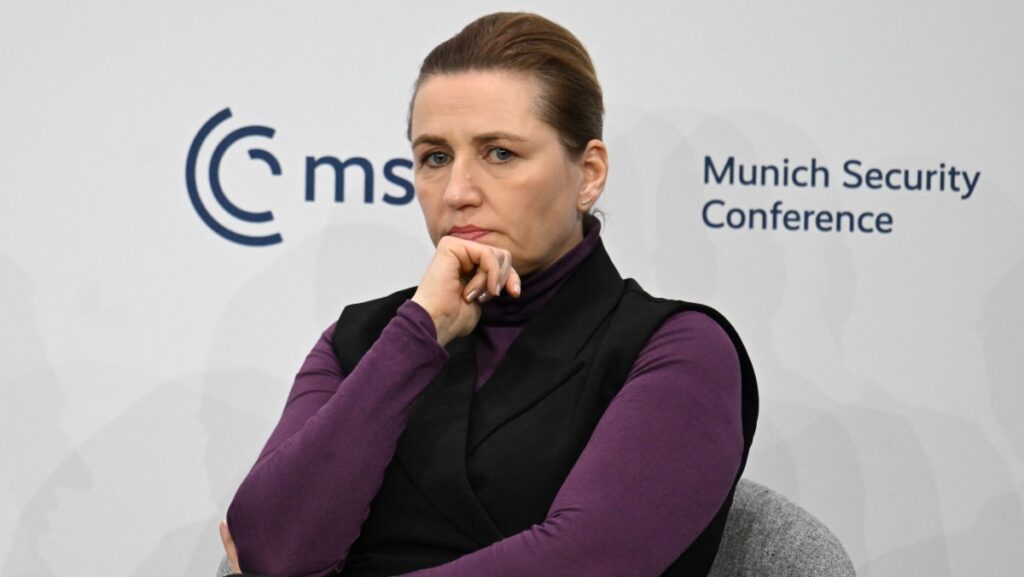
The social democrat prime minister is hinging her re-election bid on a tax that can take more from ‘the rich’ than they earn.
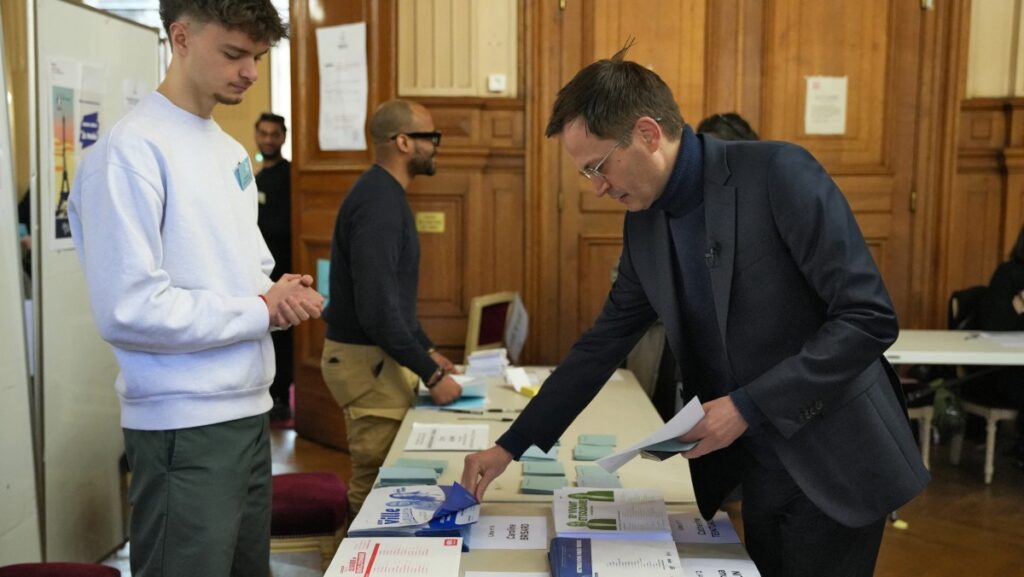
The national right strengthens its positions, but the far left still holds significant sway.

An unlikely political alliance opens for a reversal of the no-euro outcome from 2003. But the currency switch would not benefit the Swedish economy.
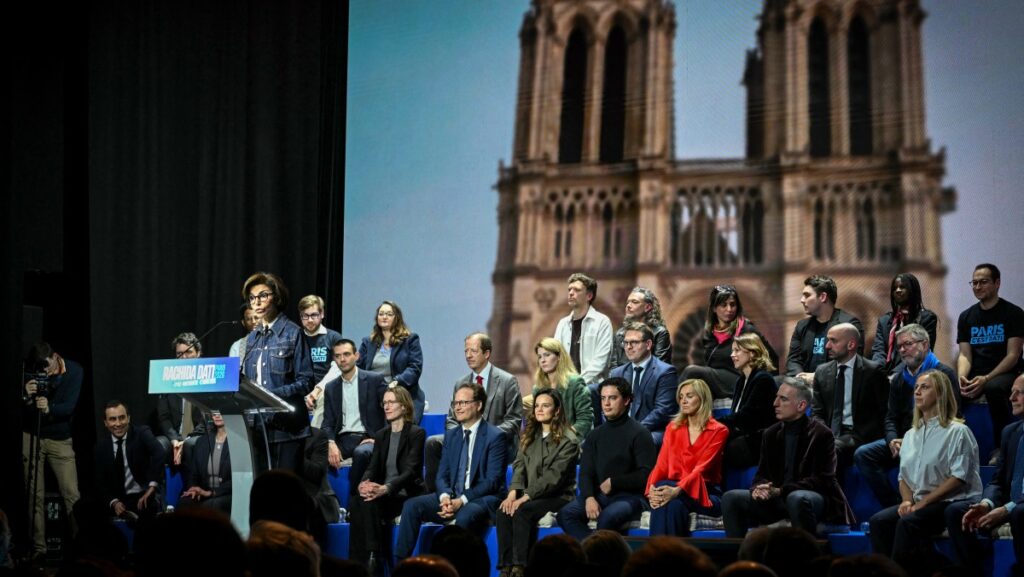
The parties see the mayoral elections as a barometer of public opinion ahead of the 2027 presidential election
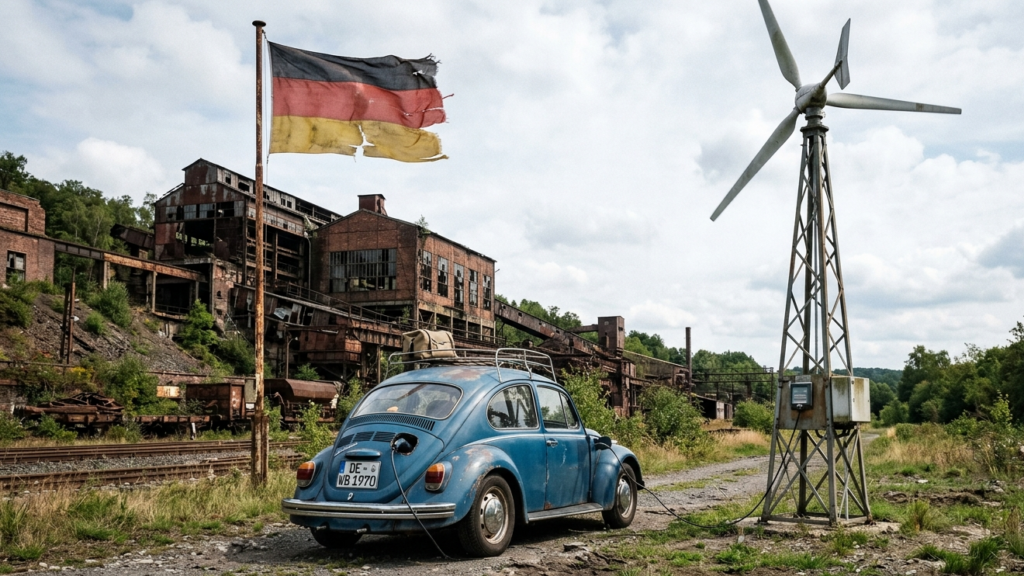
Born from one government decree, the People’s Car is now slowly succumbing to another government decree.

The EU’s blacklist of low-tax jurisdictions is growing. Brussels goes out of its way to protect its high-tax cartel.
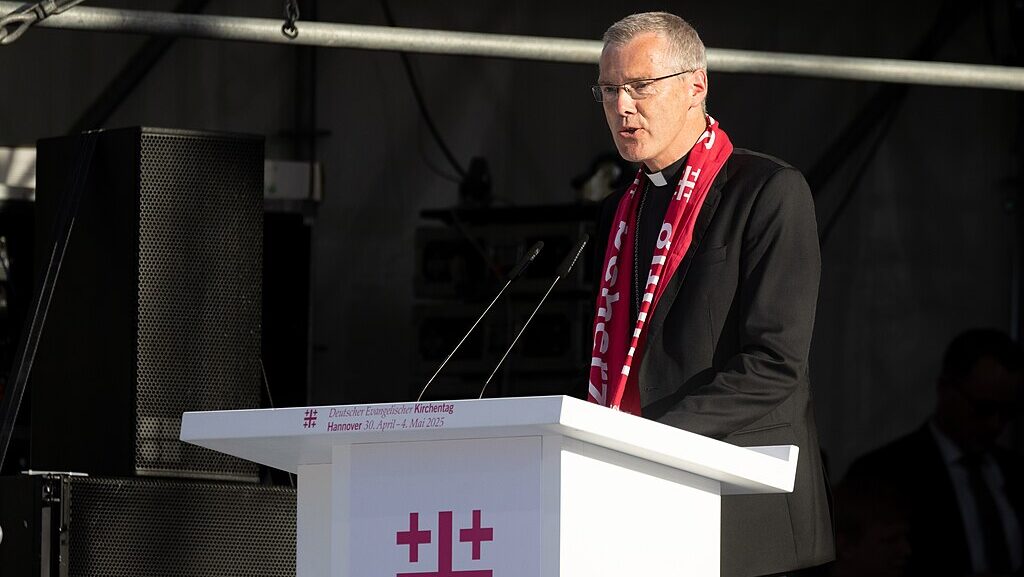
What is occurring in Germany is a true attempt at ecclesiological subversion.

The European Commission’s report on the Industrial Accelerator Act recognizes some of Europe’s economic problems. Unfortunately, that’s where the good stuff ends.
The difference between the German Synodal Path and the synodal reform initiated by the late Pope Francis appears today, more than ever, to be a mere difference of speed.
By highlighting France’s strategic capabilities without committing to sustained military operations, the current approach allows Macron to project strength while avoiding deeper involvement in conflict.
The social democrat prime minister is hinging her re-election bid on a tax that can take more from ‘the rich’ than they earn.
The national right strengthens its positions, but the far left still holds significant sway.
An unlikely political alliance opens for a reversal of the no-euro outcome from 2003. But the currency switch would not benefit the Swedish economy.
The parties see the mayoral elections as a barometer of public opinion ahead of the 2027 presidential election
Born from one government decree, the People’s Car is now slowly succumbing to another government decree.
The EU’s blacklist of low-tax jurisdictions is growing. Brussels goes out of its way to protect its high-tax cartel.
What is occurring in Germany is a true attempt at ecclesiological subversion.
The European Commission’s report on the Industrial Accelerator Act recognizes some of Europe’s economic problems. Unfortunately, that’s where the good stuff ends.
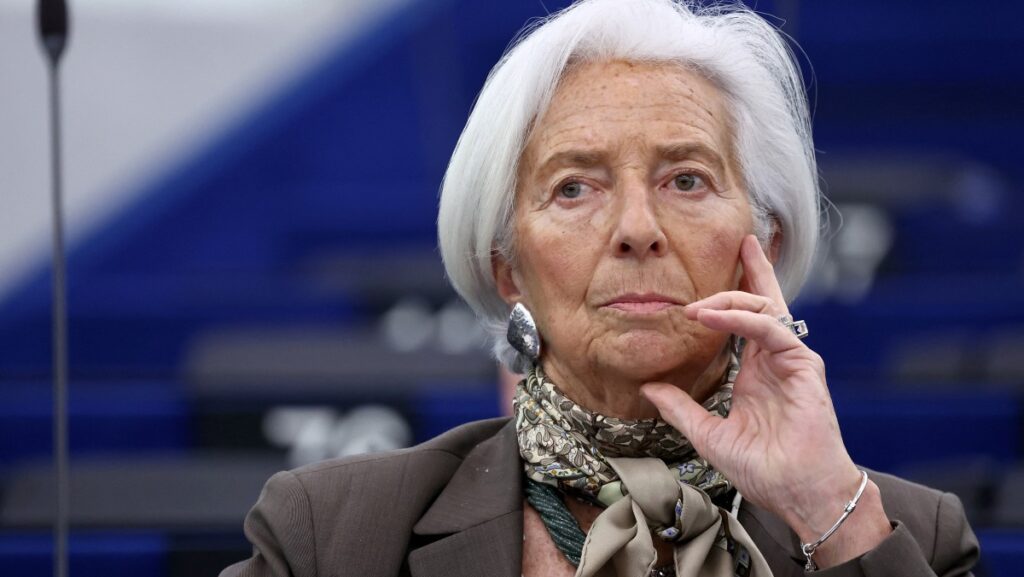
Christine Lagarde is probably the first major European policymaker to speak openly about why the EU is falling behind globally. But her plan for fixing the problem falls way short.
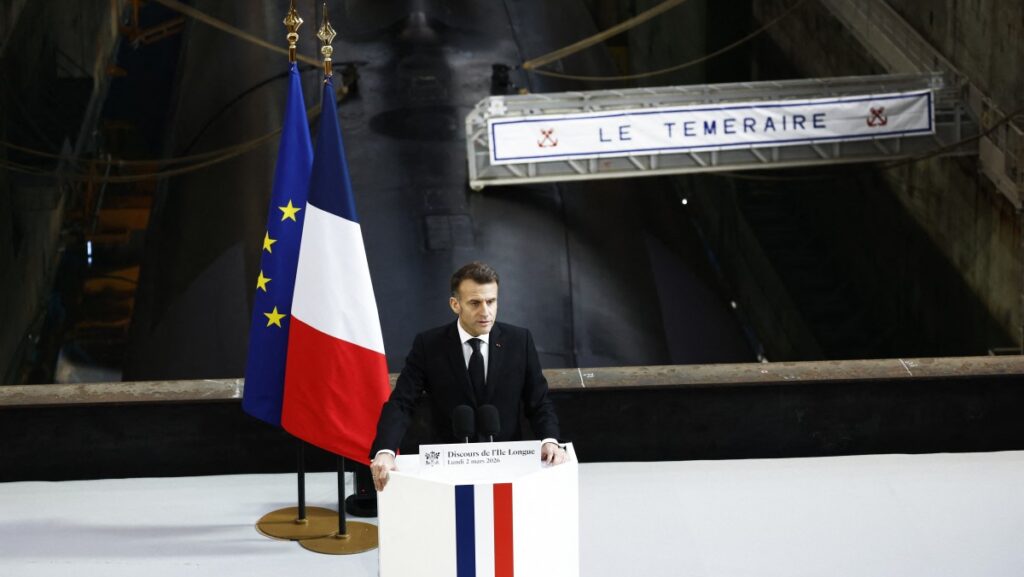
The French president is redoubling his efforts to give the impression that he remains at the centre of the international stage, but in doing so, he is selling off French military sovereignty.