

Euros & Dollars: Debating the Limits of the Free Market, Part II
The problem in Europe and America is not that the free-market economy is too big. The problem is that the free-market economy is not big enough.

The problem in Europe and America is not that the free-market economy is too big. The problem is that the free-market economy is not big enough.

Three independent sources criticize the free-market system. Two of them are from the U.S. government. What is going on here?
The U.S. economy is doing well, but the slowly growing uneasiness on the market for federal government debt could easily grow into a problem big enough to derail it.

On some social issues, Dignitas Infinita reaffirms the Church’s traditional teaching in clear terms.
The European Commission has plans to go after Italy for its excessive budget deficit. There is no real reason for them to do this, and the timing is very bad.

The West is in a death spiral—but with the cooperation of confident, patriotic nations, there may be a way to turn that around.

EU member states must decide between prioritizing reduced ‘inequality’ or increased economic growth.

This welfare-state reform is perhaps too radical for many. However, it is designed to solve a radical problem, and radical problems require radical solutions.
There is only one way that Congress can permanently end its budget deficits. Here is how to get the job done.

Twenty years later, the 2004 Madrid train bombing remains central to understanding Spanish polarization and geopolitical irrelevance.
What does BlackRock CEO’s weariness regarding the ESG label signal for the nexus of global finance and political elites?
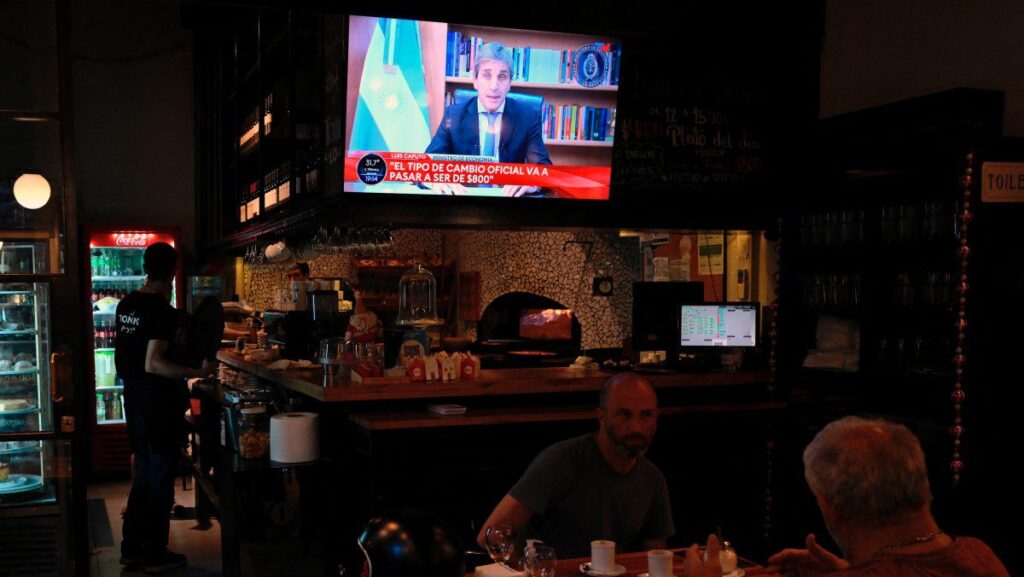
The drastic devaluation of the peso marks the beginning of President Milei’s crusade against inflation in Argentina. But he needs more than that to succeed.

The Federal Reserve is not eager to cut interest rates, but when they get around to it, they will have to pursue two policy goals at the same time—and one goal excludes the other.

As groups get labeled ‘ultra Right’ by the media, crackdowns against them by French authorities have intensified.

Teachers are already using the new technology in more areas than parents realise.

The Federal Reserve meets on Wednesday. Here is why they won’t increase the interest rate.

Serbia’s relationship with the EU and Russia will play a crucial role in the upcoming election.

We sounded the recession alarm bells for Europe back in August. The latest numbers confirm that forecast—and then some.
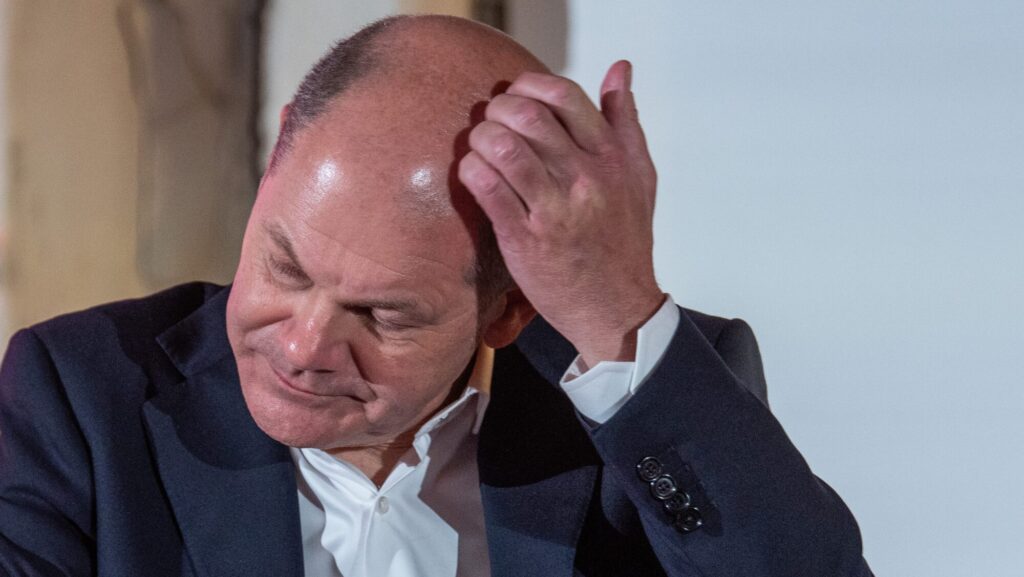
A look back at two years of Olaf Scholz’s disastrous government.

Just in time for the recession, Europe may see the benefits of lower interest rates.

Congress is borrowing 26 cents of every dollar they spend. Only structural spending reforms can prevent a fiscal meltdown—and time is running out.

Private property plays an important role in peace.