UAW Strike: A Challenge to Biden
With working-class voters increasingly looking to Republicans on election day, the UAW simply cannot remain glued to the Democratic Party and expect to survive as an organization.


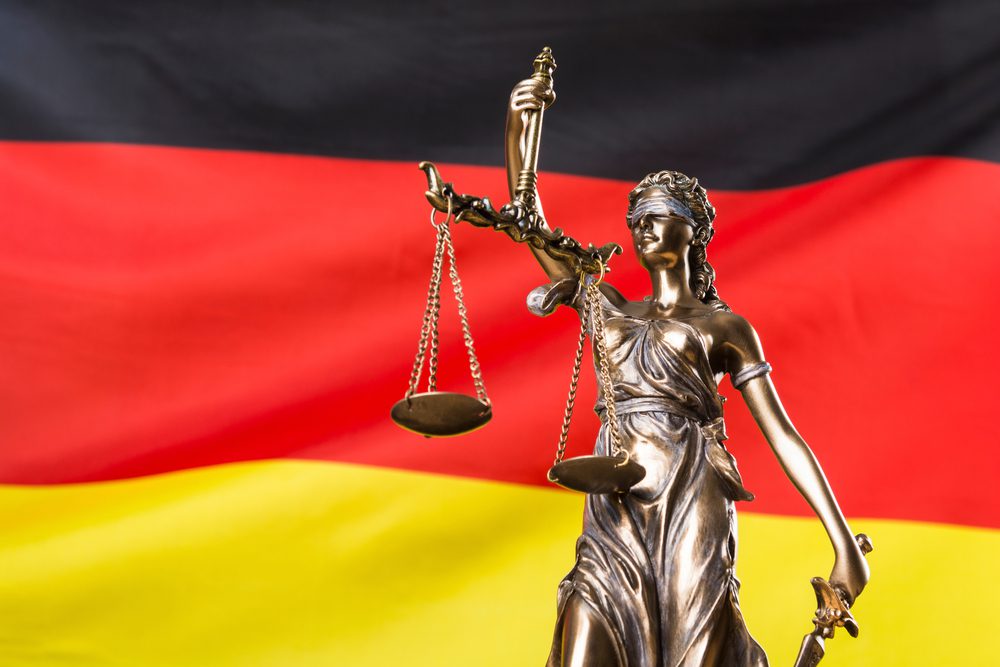
With its recent ruling, the GCC enters the second decade of ambiguous jurisprudence over the constitutionality of EU rescue programmes.
A free country is not one in which one can do whatever one wills. That is anarchy and chaos. A free country is one in which the liberties of its members are sufficiently protected that they can do what is good.
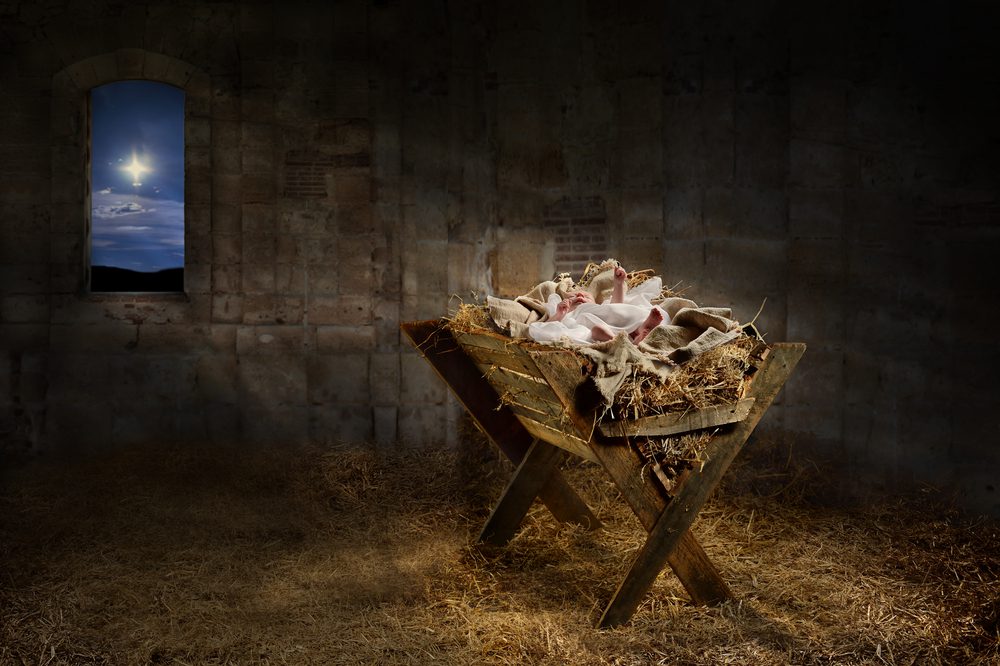
The birth of Jesus Christ has nothing to do with the Christian adoption of a pagan festival.
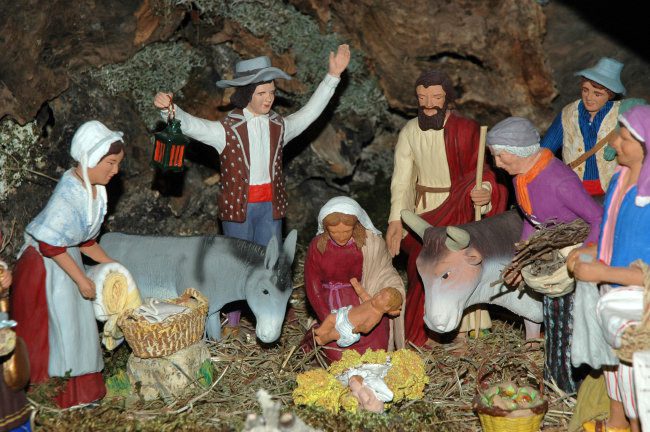
The illegality of Nativity scenes on public property is distasteful in the south of France where the traditional display is especially strong and broadly followed by the population, despite the absence of widespread religious practice.

Lay Australian Catholics are dramatically limited in what we can achieve. But we have endless power to thwart our home-grown counterpart to the Patriotic Chinese Church. This power we must wield.
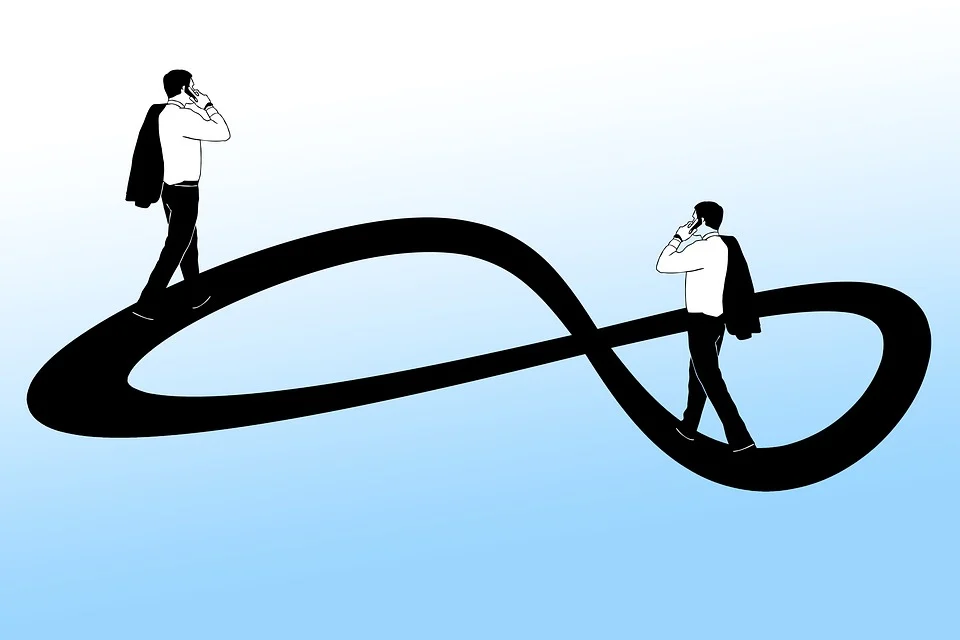
A capitalist society is not nihilistic. It allows man’s economic virtues to flourish. And yet, without moral guardrails, capitalism becomes its own worst enemy.

What started as an allegedly rare and ‘kindly’ way to ease the suffering of the terminally ill has ballooned into a government program offering death as an escape from loneliness, depression, or even poverty and homelessness.

Gallagher was told that the ideal of treating people on the basis of their character, rather than the colour of their skin, was an “outdated” notion which “could not be tolerated.”
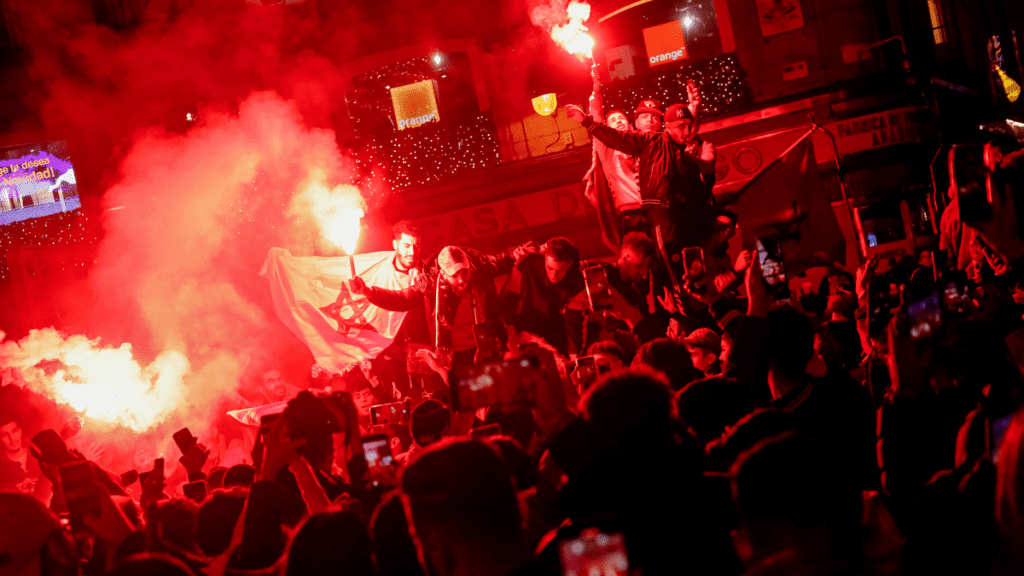
Amidst talk of a victory for Muslims in general, vulgar ethnic resentment against Europeans on the part of rioters can pretend to stem from a principled opposition to secular, liberal postmodernity.
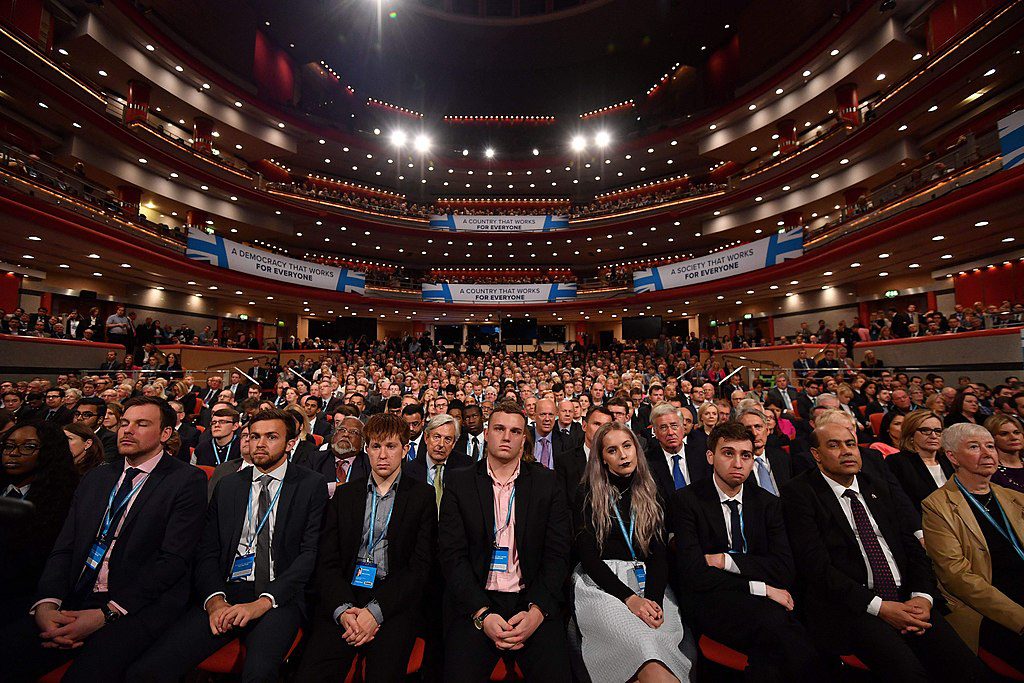
The real problem facing us: if we are not allowing members to vote for their leader, we have to concede that there must be a different reason for those members to feel valued. Yet, there is no easy fix here.
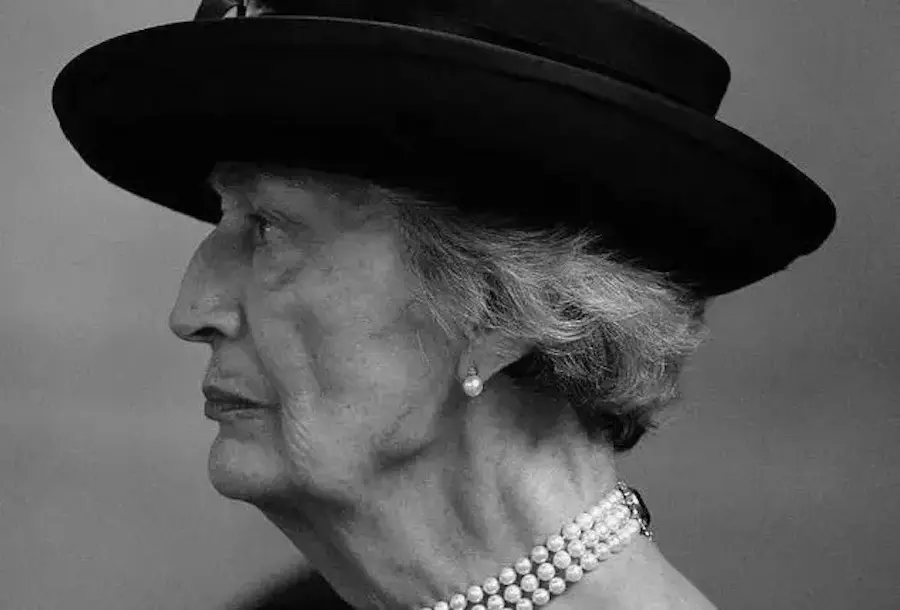
I have repeatedly defended the monarchy against fellow conservatives who feel that it is rapidly becoming another celebrity clique, jumping on the popular ‘woke’ bandwagons. Now, the royals have once again appeared to prove their most cynical detractors right.
When political corruption fills the void left behind by the demised freedom-minded policies of the early union, the EU gradually becomes a burden on the shoulders of the member states, not a platform under their feet.