
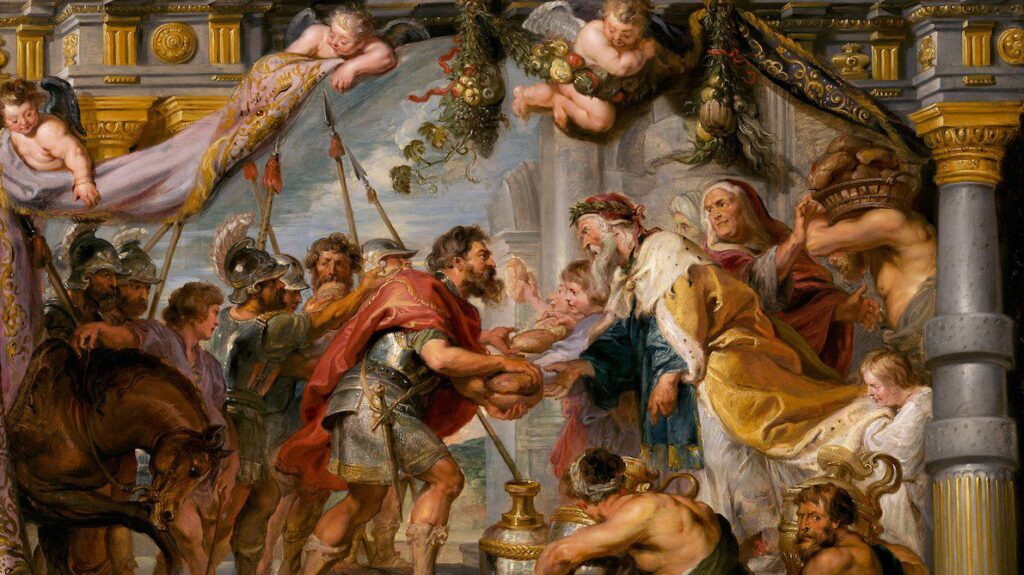
Nation and Religion in Judaism
Today’s prototypical Westerner is unlikely to think of nationality when he thinks of Judaism. In many cases, one even encounters the denial of Judaism’s national character.

Today’s prototypical Westerner is unlikely to think of nationality when he thinks of Judaism. In many cases, one even encounters the denial of Judaism’s national character.
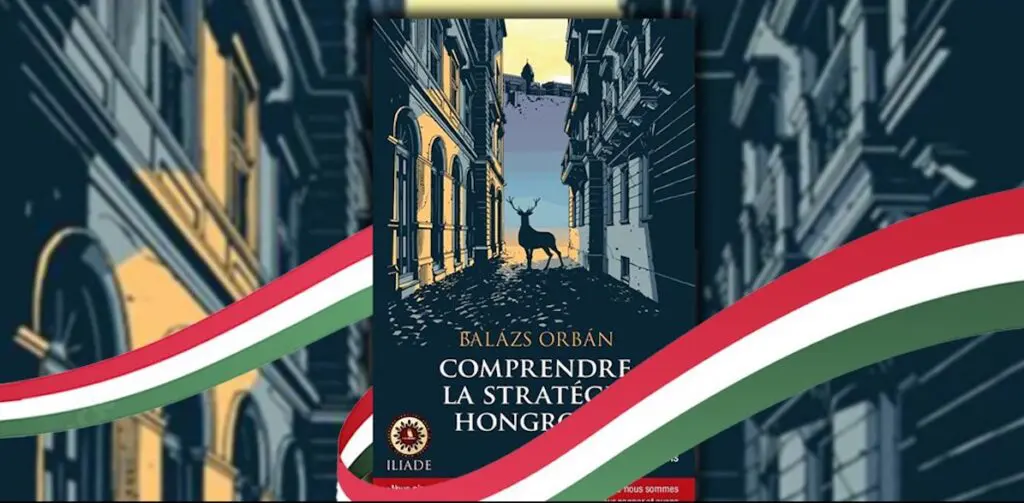
Balázs Orbán’s The Hungarian Way of Strategy is now published in French. What can it offer the French reader?
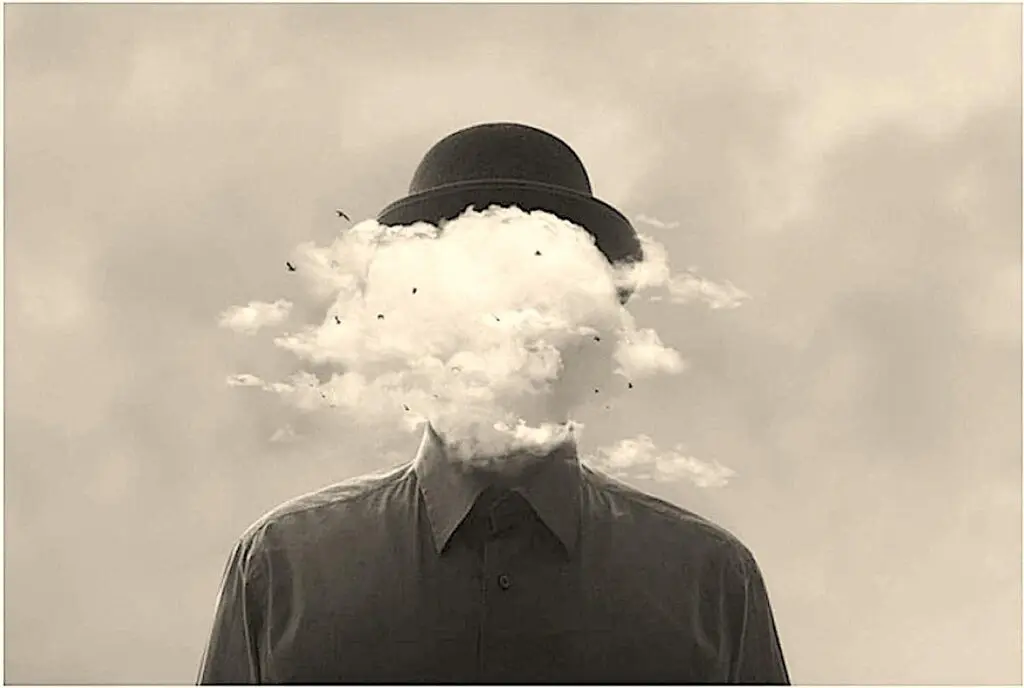
For those in denial, an immigrant is just a generic human unit who brings no cultural baggage with him.

By highlighting how the size, type, and style of constructions can all fit, Krier shows us the way (post)modern architecture and urbanism are based on the perverse thrill of mismatch and contradiction.
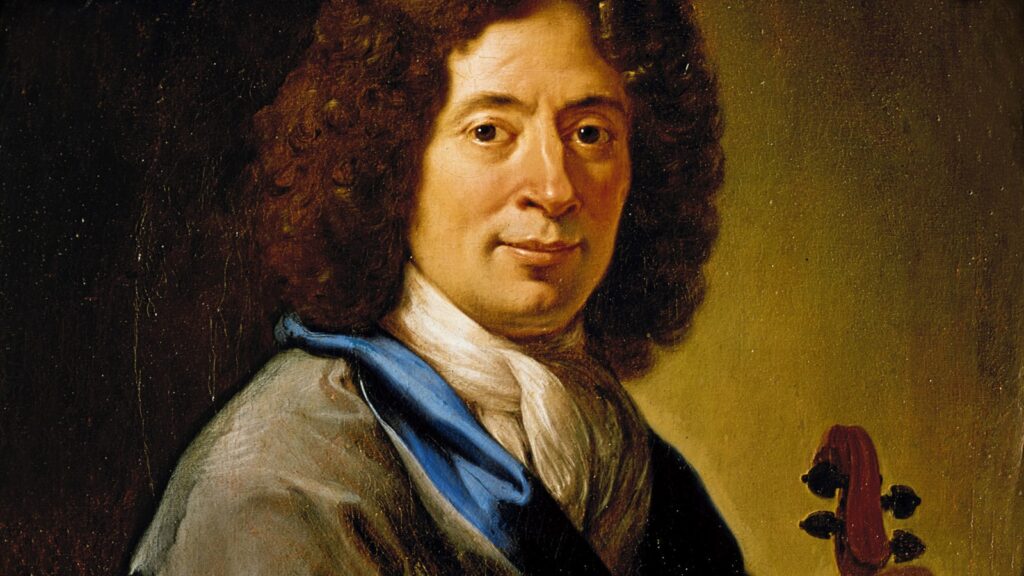
If someone in the audience kept talking after Corelli had already started playing, he would immediately lower his violin until the room had become completely silent. If the talking continued, he would refuse to play at all.
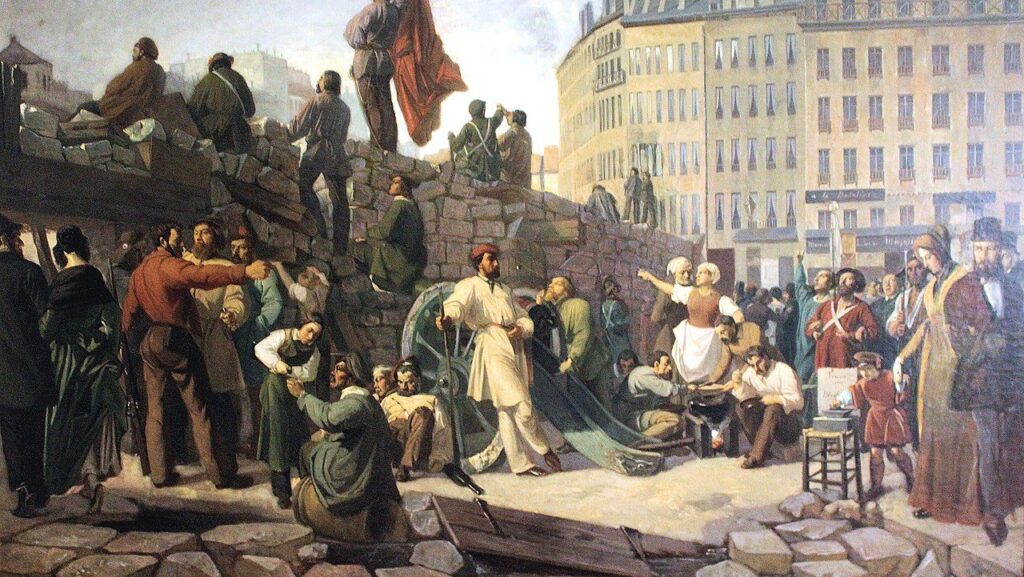
Rather than being opposed to the establishment, these activist foot soldiers provide the street muscle, fierce passion, and raised voices that bureaucrats dare not show.

In contrast to ESG-promoting stakeholder capitalism, coherent conservatism is simply the politics that emerges when control is not the priority; it is the politics that does not seek to break down community in order to use its parts.

Somehow, some way, stewardship of the forest and the rest of the natural environment must be snatched from the ranks of the stupid and insane.
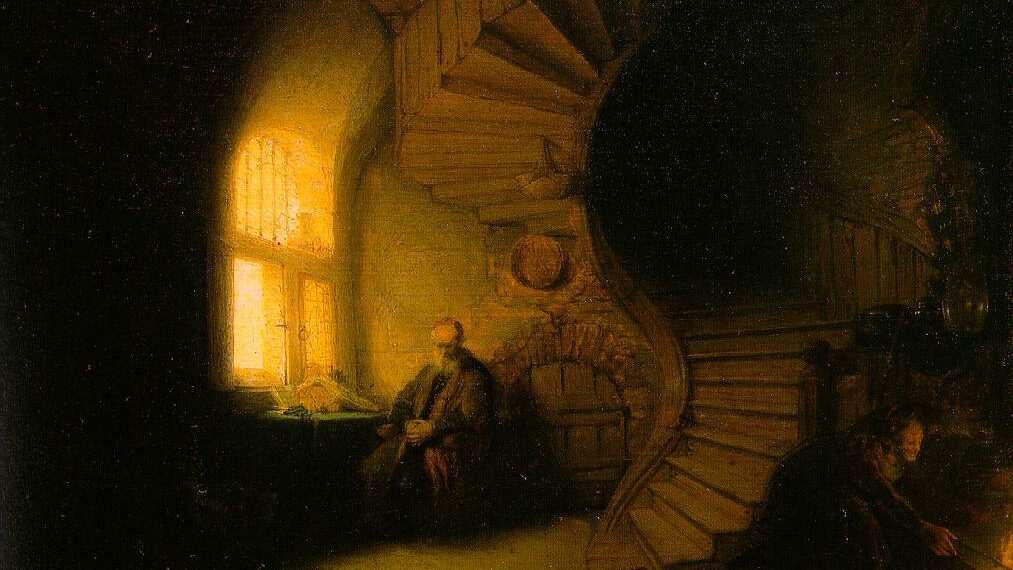
In undermining our very human nature, and neglecting our unique ability to seek and come into union with truth, AI will leave us not only uninspired but undignified.
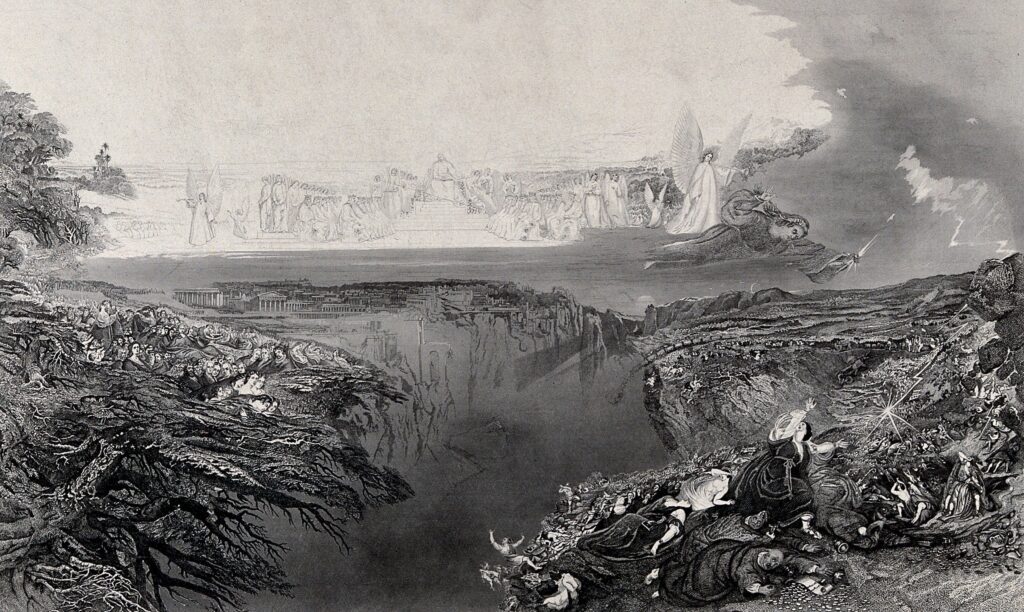
Digital culture tells you that your will is, or should be, unencumbered by history, materiality, or any unchosen obligation.
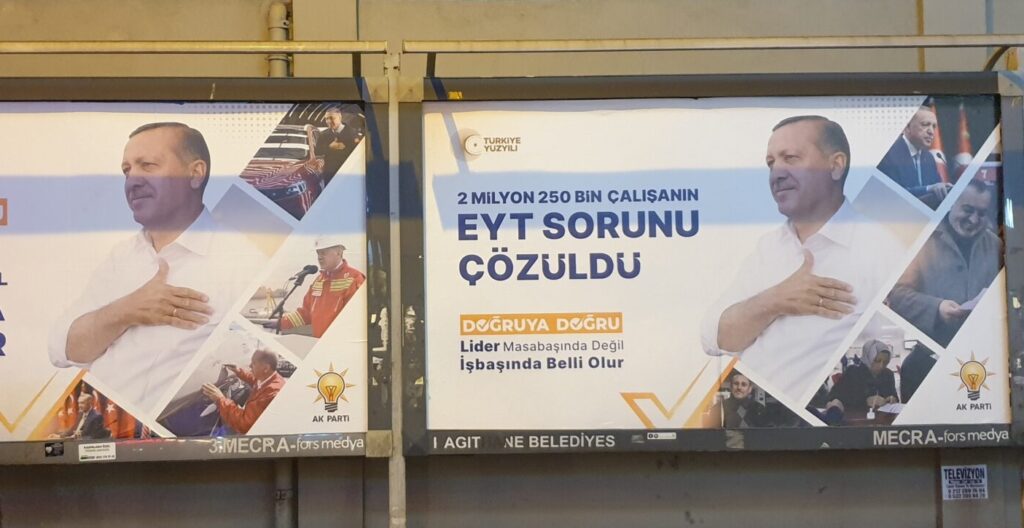
A generation of Turks, craving modernization and disappointed in the current government, associate their dreams and desires for a democratic Turkey with the name of Atatürk.
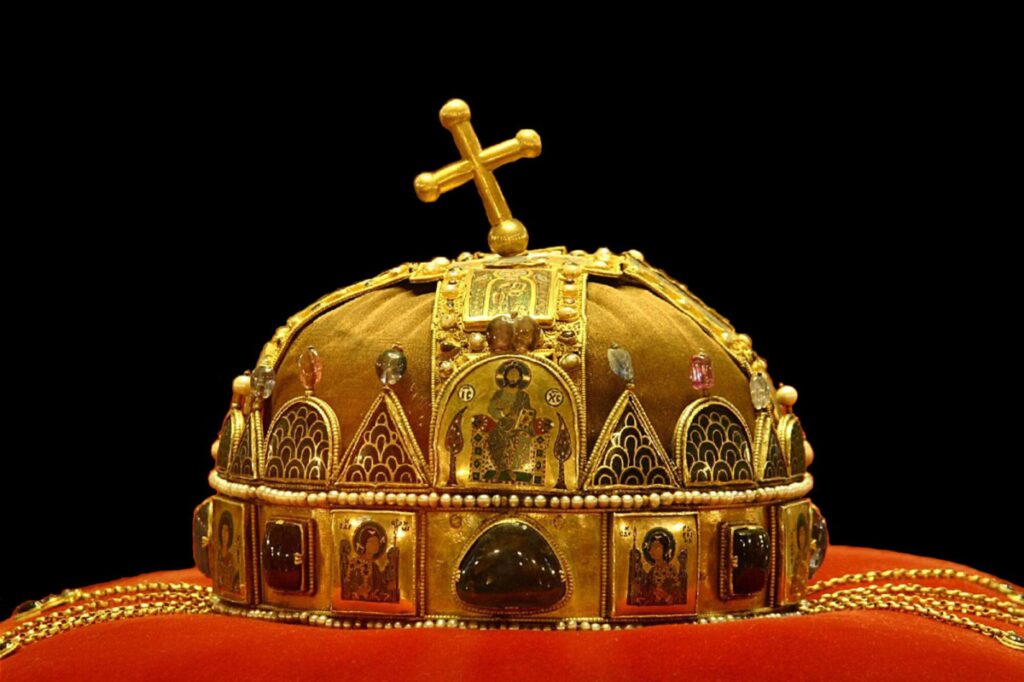
While the world watches the coronation of the new King of the United Kingdom and the 14 commonwealth realms, on the other side of Europe some will be thinking about the disappearance of their own monarchical traditions.

Historical facts are often presented in a way that suits the prevailing narrative of the struggle of the free and Western liberal-democracies against autocracies.
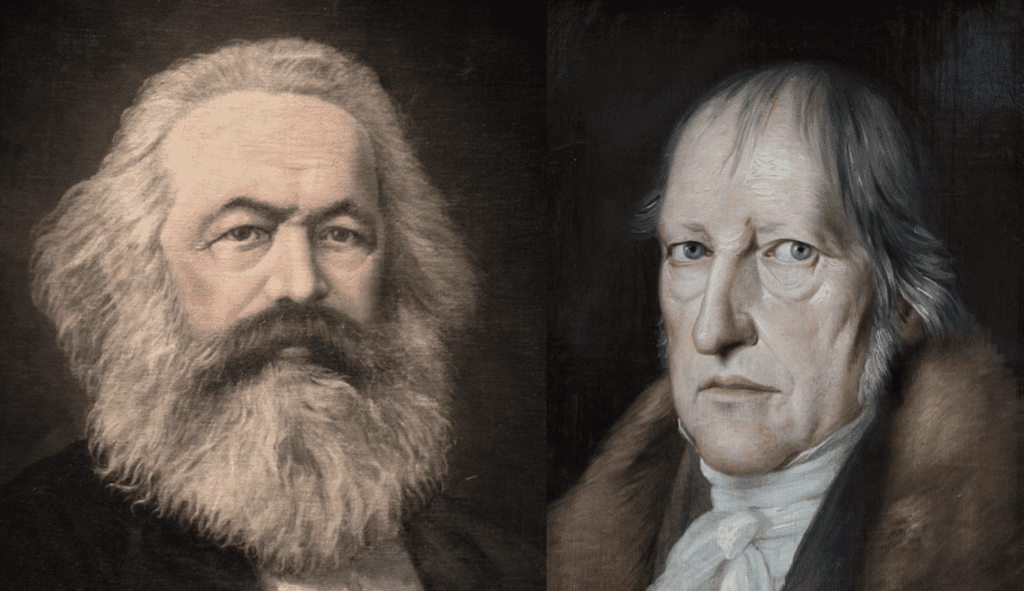
It’s imperative that we strive to understand Marx’s account of history and justice, given that it continues to possess so much of the public debate on who we are and what our future may look like.
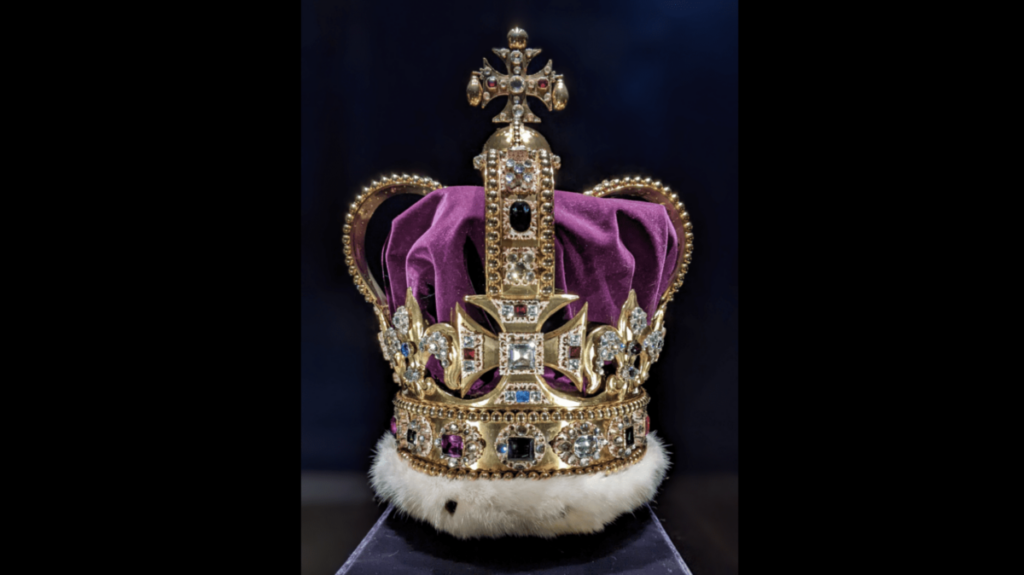
One reason why we forget that the ideal of monarchy expressed in the British coronation rite was once the ideal of all Europe. The ideal has survived no-where else.

The ruling class would empty the countryside of land-owning farmers, while sprawling urbanity saps the energies of demoralized workers toiling in front of their computer’s monitor.
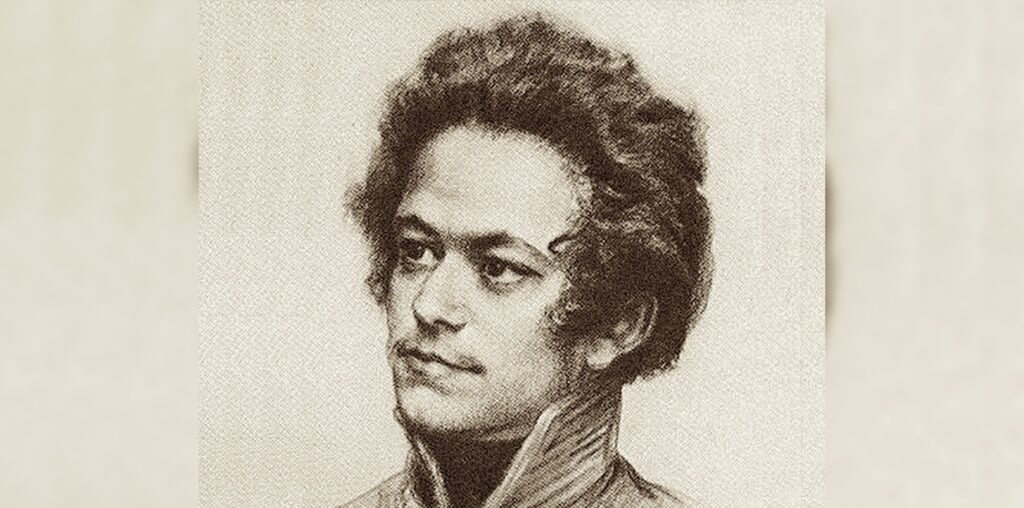
Why did Marx ditch the Bauerian line of polemical criticism and adopt the more revolutionary belief in direct action with which he is now associated?
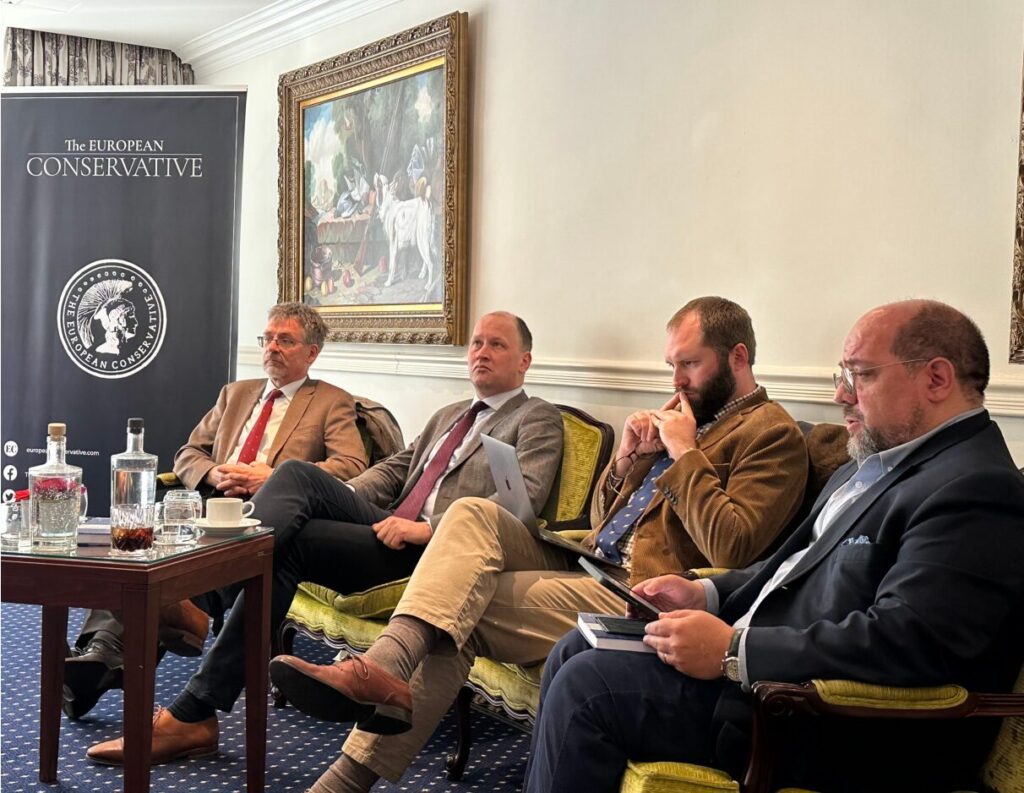
At our event, three excellent thinkers honored the memory of Sir Roger Scruton, without whom modern conservatism and the future of European civilization is unimaginable.

We are marked from the day of our birth with an end date; all is indeed vanity. To forget our mortality is thus to lose something human, to become inhuman.
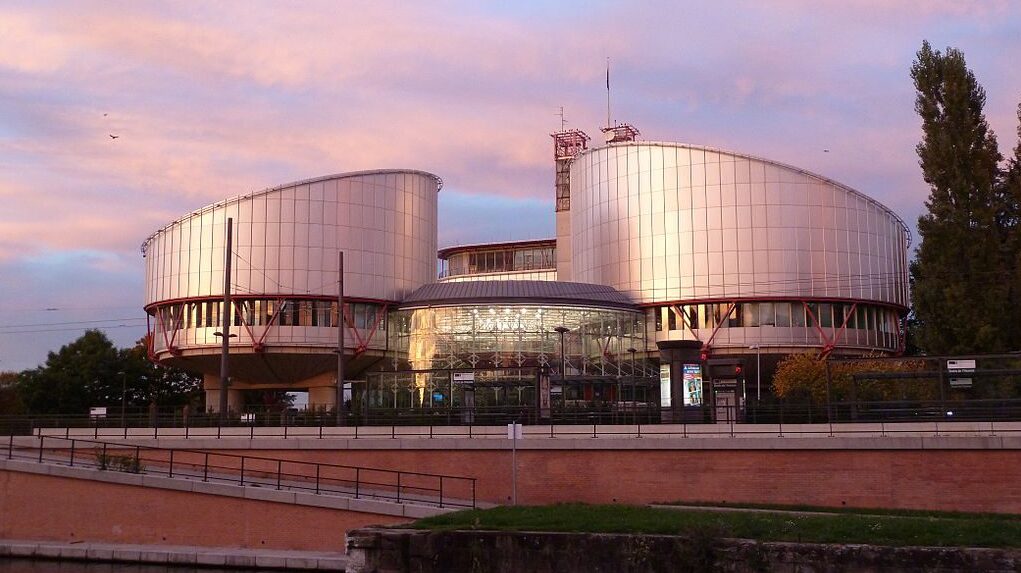
The founders of the Council of Europe saw the need for an international organisation dedicated to protecting human rights. But there were other options back then, and there surely are now.
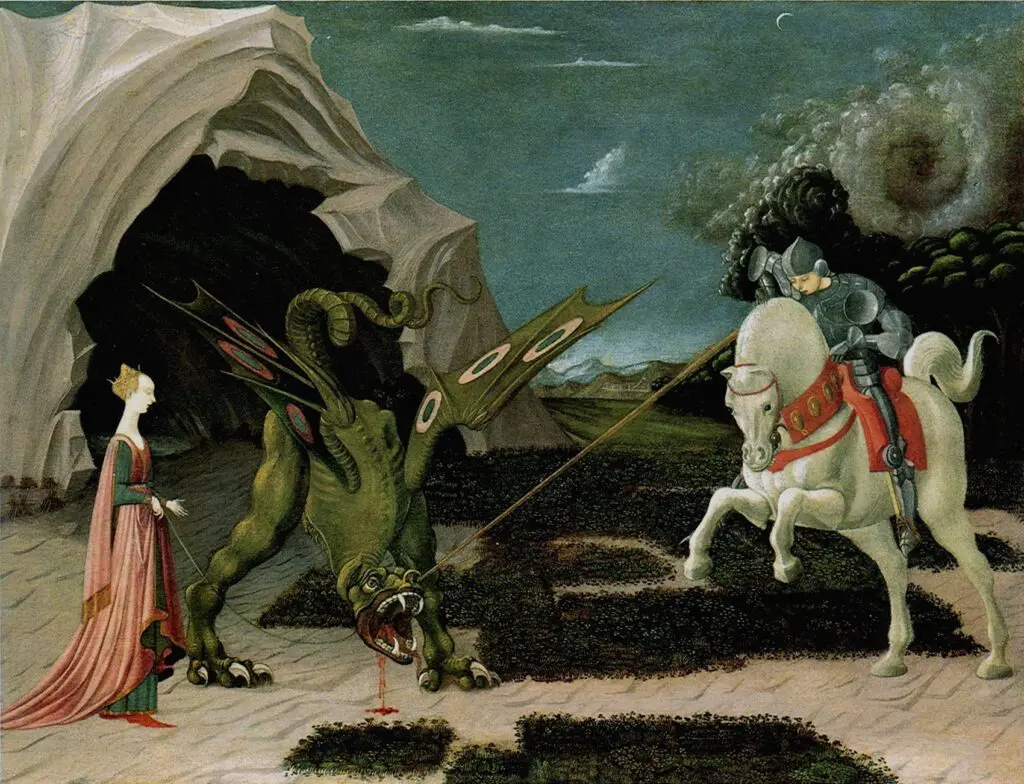
The courage of George combined with the inexorable force of his white charger as they form a single centaurial juggernaut of unstoppable power is a perfect portrayal of Christian meekness.
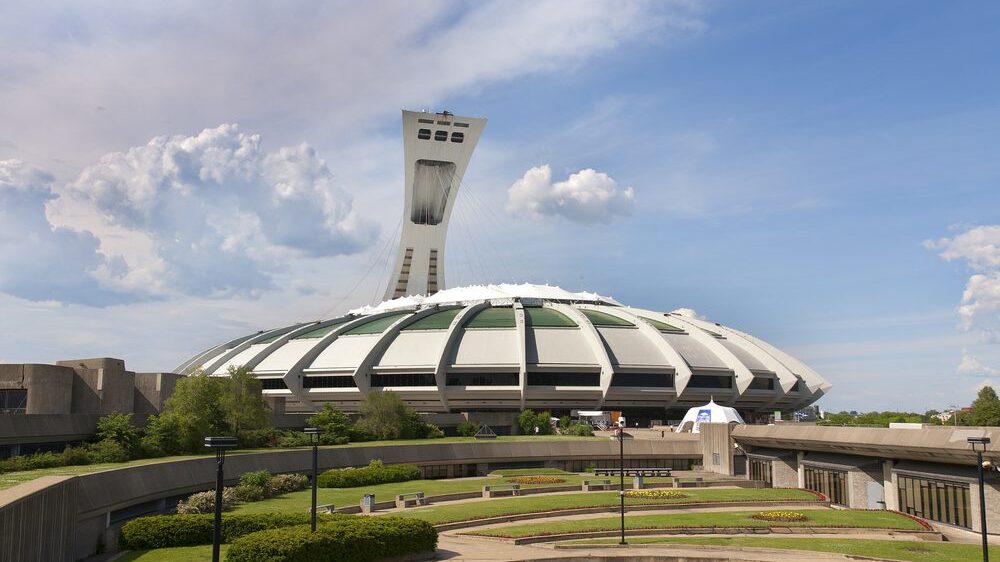
A futurist fiction sub-genre promising to unite Art Nouveau, Hayao Miyazaki, and 1800s Age of Sail aesthetics with implementable green technology, Solarpunk has yet to rise above its present state as a therapeutic tonic for climate change fears.