
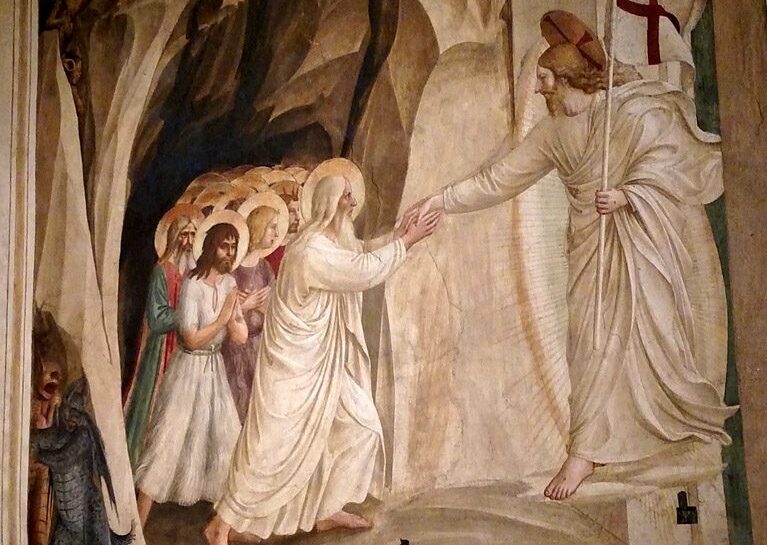
Hell’s Gates Ajar: On the Relationship of Holy Saturday to Carnival
On Saturday, Christ conquers the fires of hell, and leaves its gates ajar behind him.

On Saturday, Christ conquers the fires of hell, and leaves its gates ajar behind him.
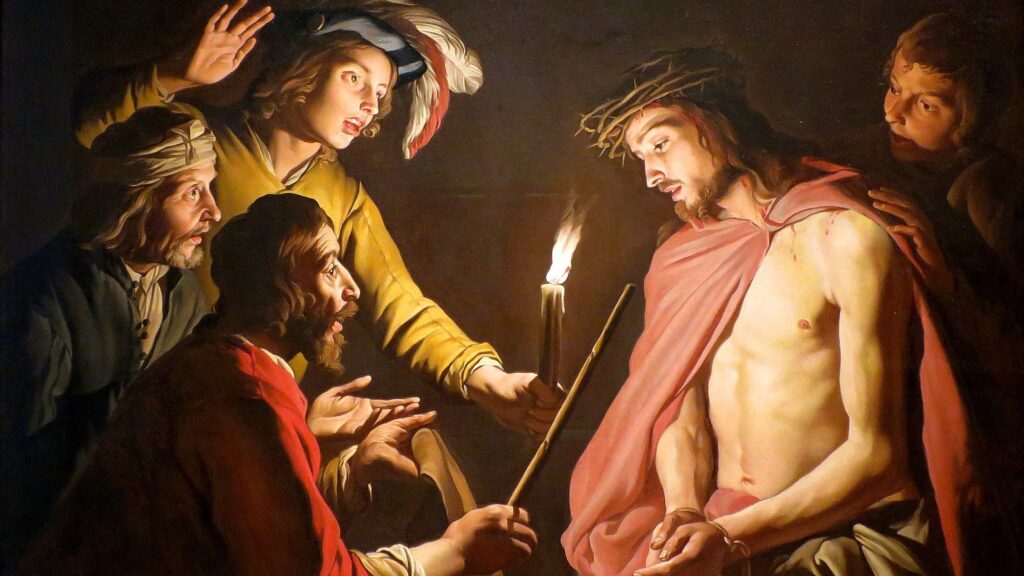
“Whereas the Matthäus-Passion and Johannes-Passion are extremely well-known and have long and well-established performance traditions, the libretto of the Markus is largely unknown, even to Bach scholars.”
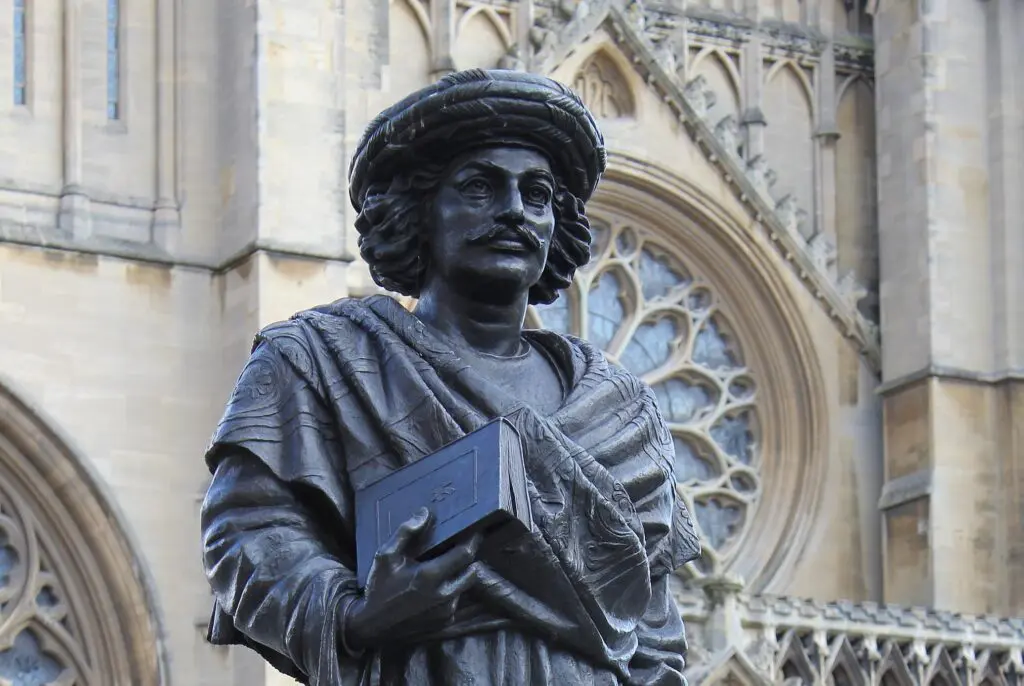
It’s vital that we take risks in asserting our legal right to doubt and interrogate the ‘decolonising’ story, because what is at stake is so very important.
There is a macabre precedent in the bizarre accounts, world over, of people dancing themselves to death: an analogue to the painful hedonism of post-modernity.
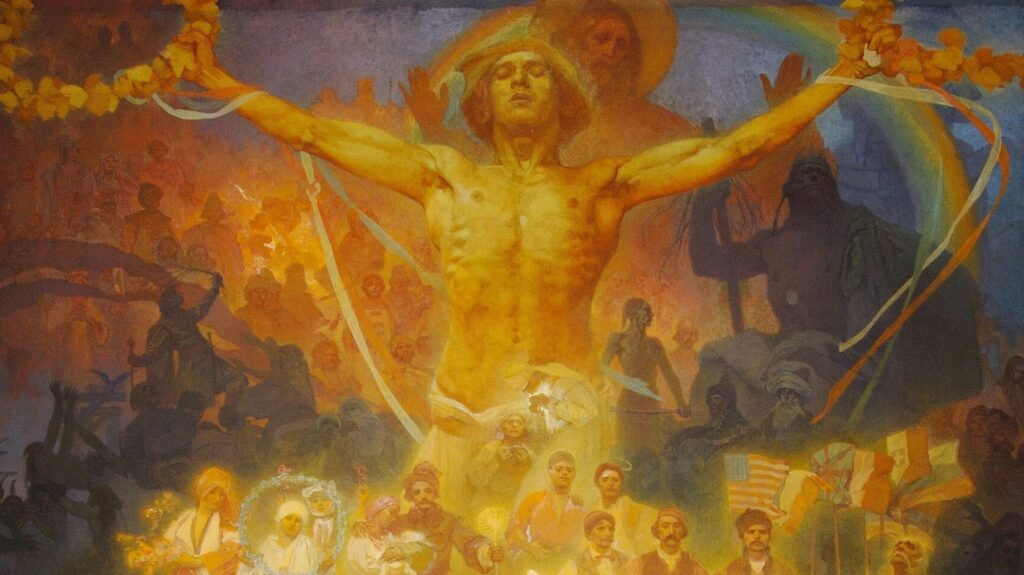
Defenders of ‘the nation’ often fall back on practical issues of scale and power balance, ignoring the Biblical and Platonic tradition that celebrates the diversity of nations as an aesthetic good.
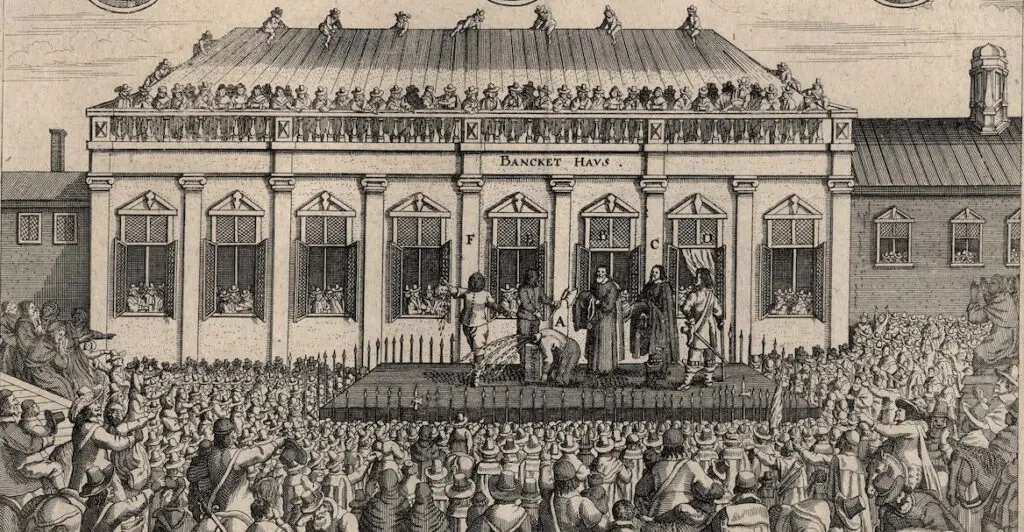
Consumer society and digital technology have demolished our linguistic spaces, shattering our foundational skillset for living virtuously and politically.
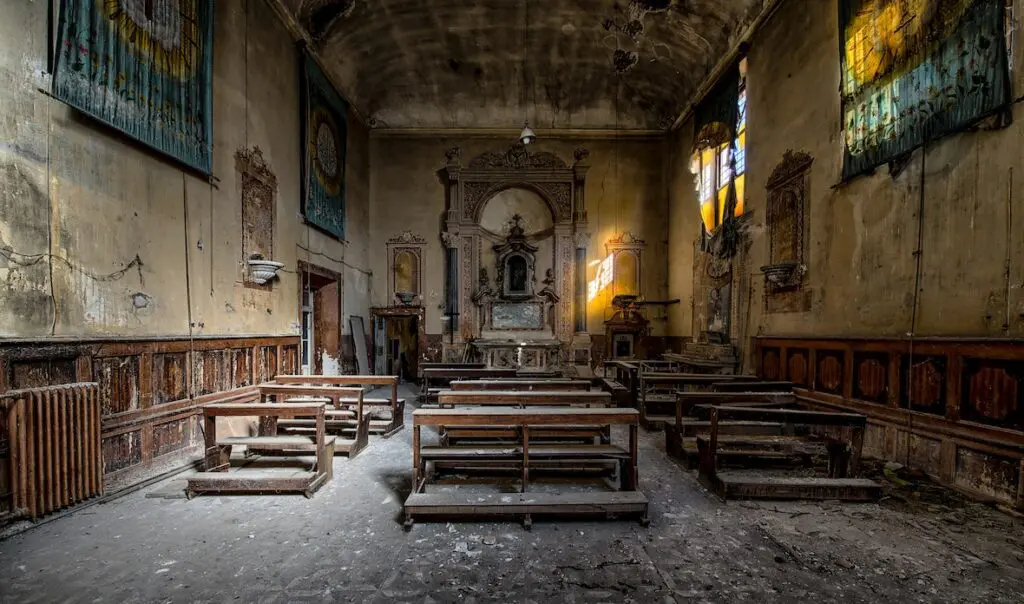
While the soul—like the Church—is indeed immortal, neither the body nor the State are. The zombie governments of this world shall continue to bounce off each other until they rot completely.

Alternate histories, by showing what could have been—and might yet be—treat the past as a traversable terrain.
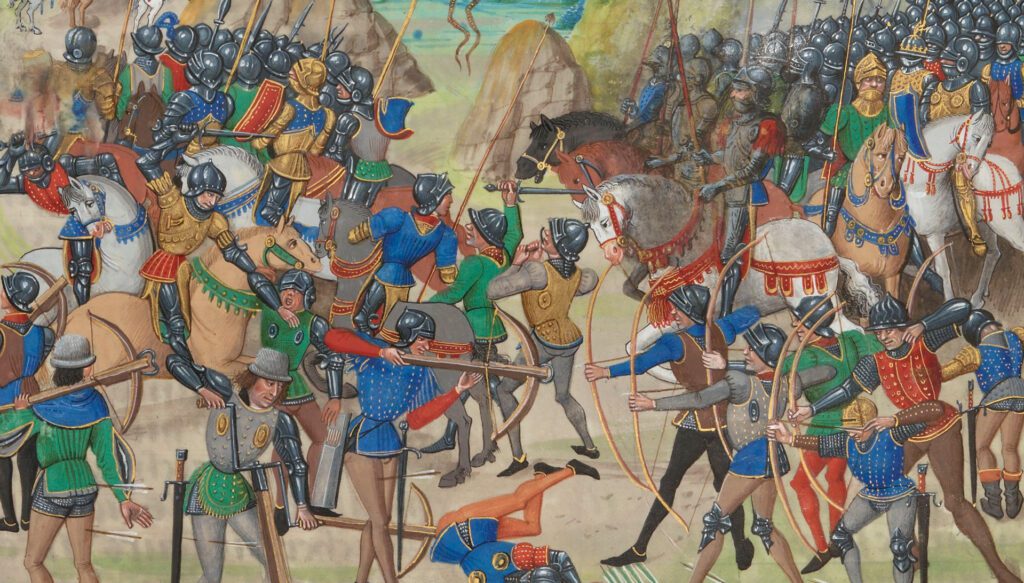
All (good) philosophy begins with experience of reality—and such experience is the fundamental prerequisite for good archery.

The ‘Deep State’ is not some murky entity, hiding in the shadows; it is on full display, a former intelligence officer insists.
To apply to myth the reigning science of the day, in an attempt to transform it into a factual chronicle of human affairs, means inevitably to mangle what is most intrinsic to myth: its kaleidoscopic abundance, its playfulness, its immeasurable depth.
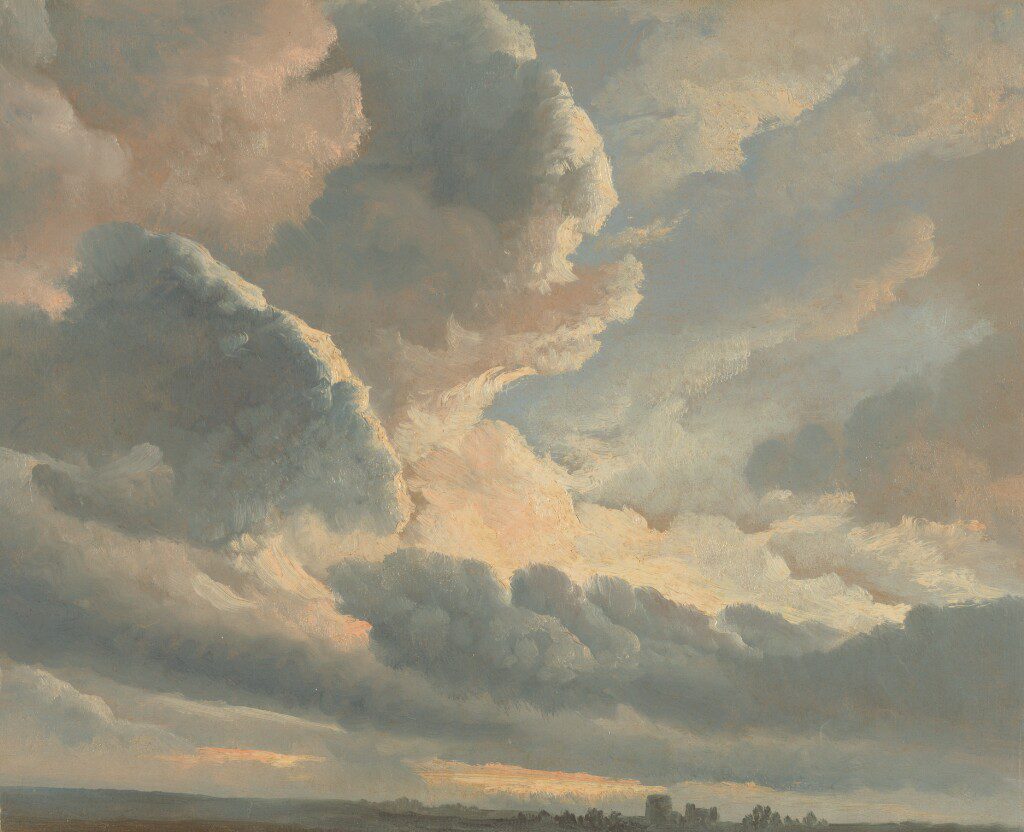
Intellectual adventure is not available to bees, who simply do as they do in obedience to their limited nature. The hive may be a place of cohesion, but it contains no libraries, paintings, or statues to heroic bees of the past. Human life without the humanities would be much the same: cut off from our roots, deprived of meditation, and locked in an eternal now. The cult of relevance makes prisoners of us all.
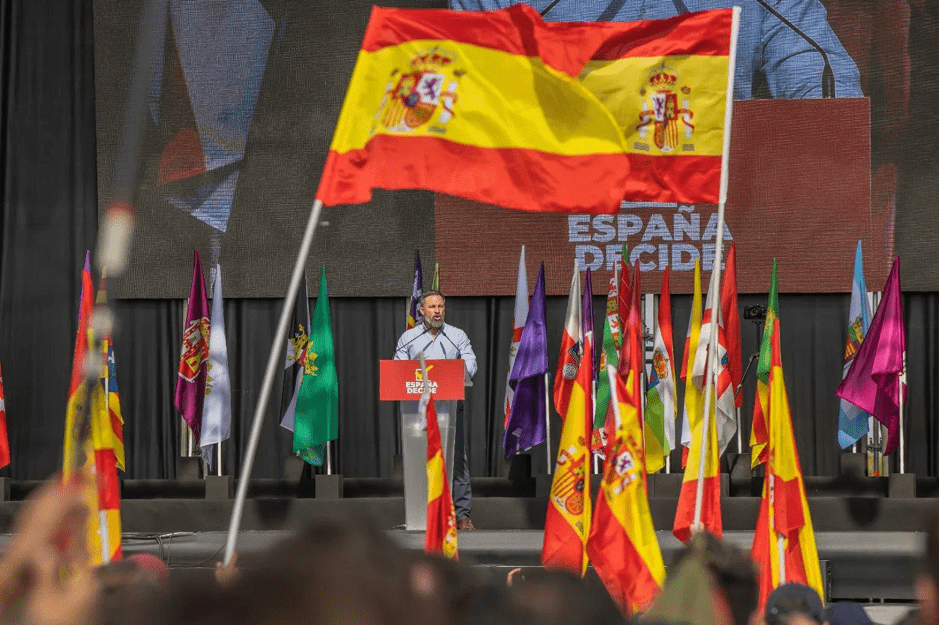
The enemy advocates for a borderless world, free of family loyalty, religion, identity—anything that might obstruct a pliable global marketplace.
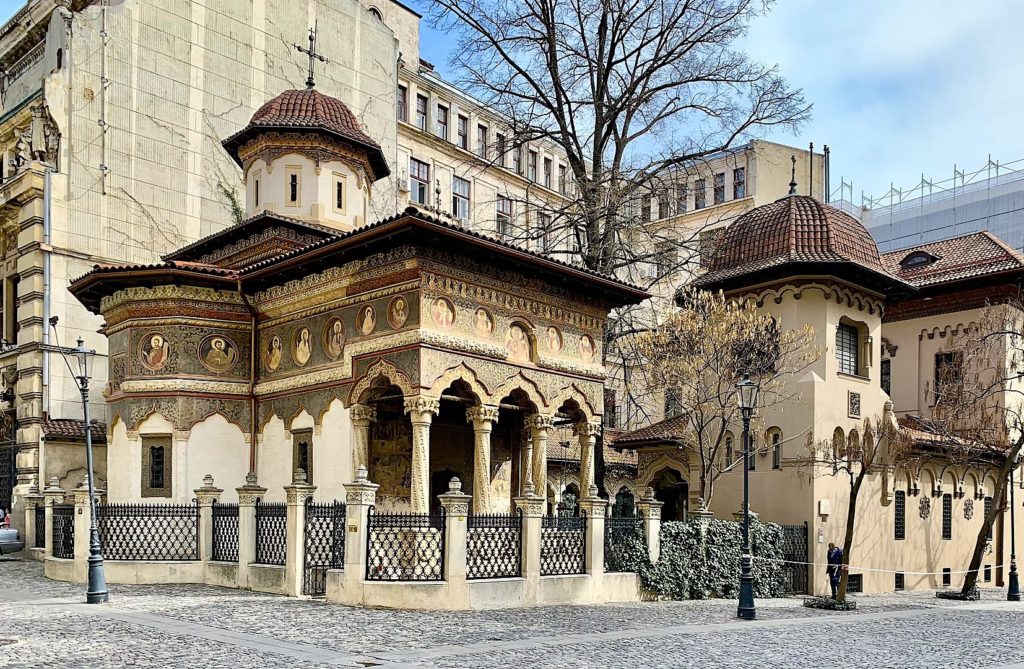
Streets in Bucharest are lined with decaying neo-Brâncovenesc buildings. Instead of restoration, city-planners are heaping rubbish upon rubbish, building the same junk that has ruined cities from one end of Europe to the other.

A realm grotesquely mimicking our own; a vale of psychic parasitism just beneath the surface. We consider the meaning of uncanny inversion in horror stories.
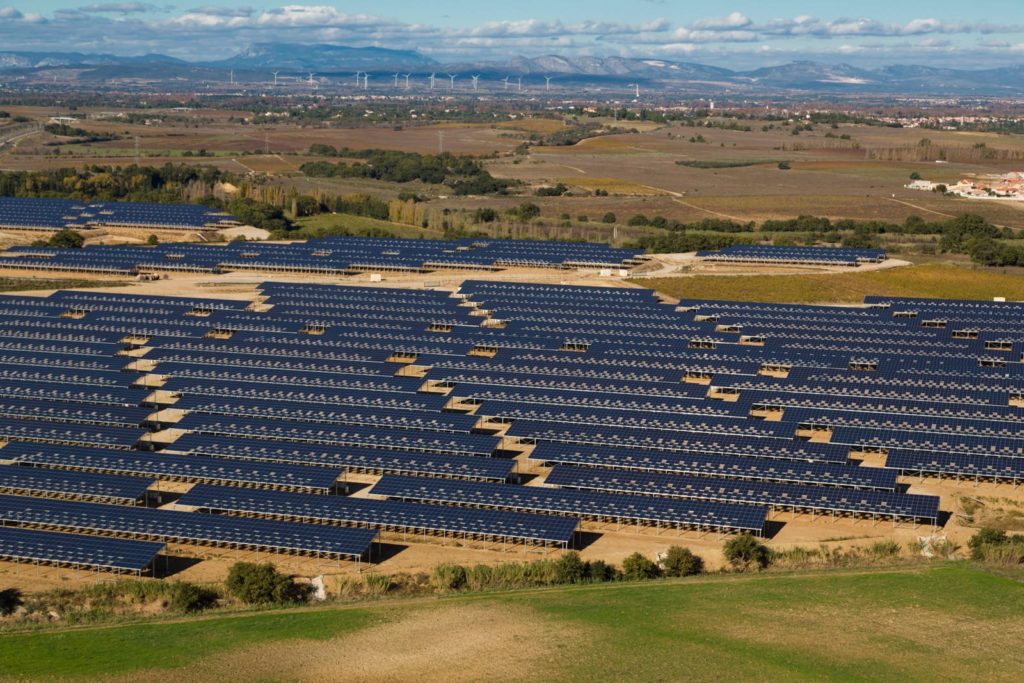
Locals have pulled back the curtain on the false promises of wind and solar, telling the dirty secrets of supposedly clean and green energy, and doing their best to form a democratic shield against technocrats and capitalists from Madrid to Brussels.
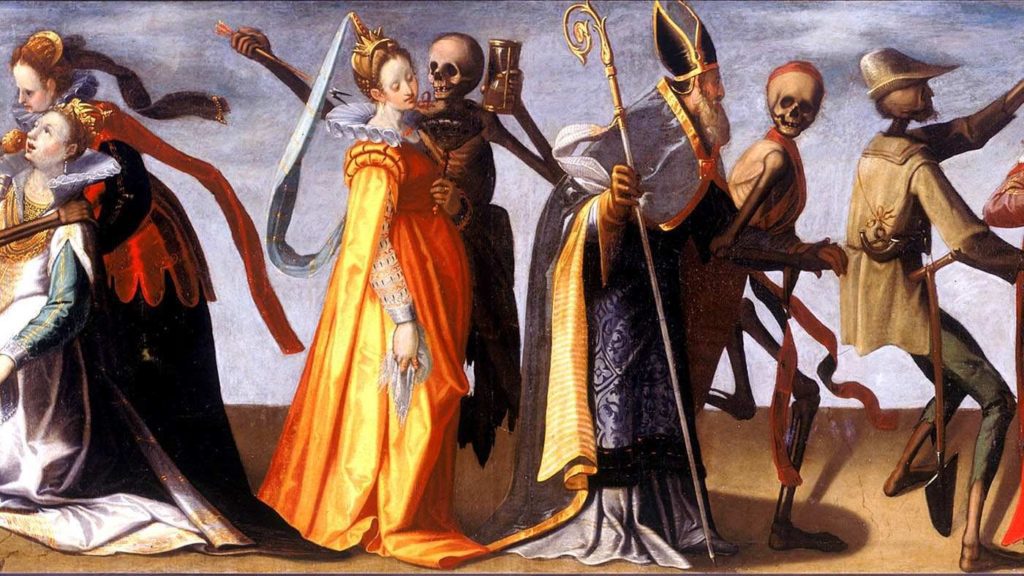
Sadly, most Christians and conservatives have forgotten the distinction between the macabre and the morbid. I believe that this is regrettable, because a small dose of the macabre—such as Christians used to take at Hallowe’en—is a potent tonic against the delusions of late modern liberalism and their disastrous effects.
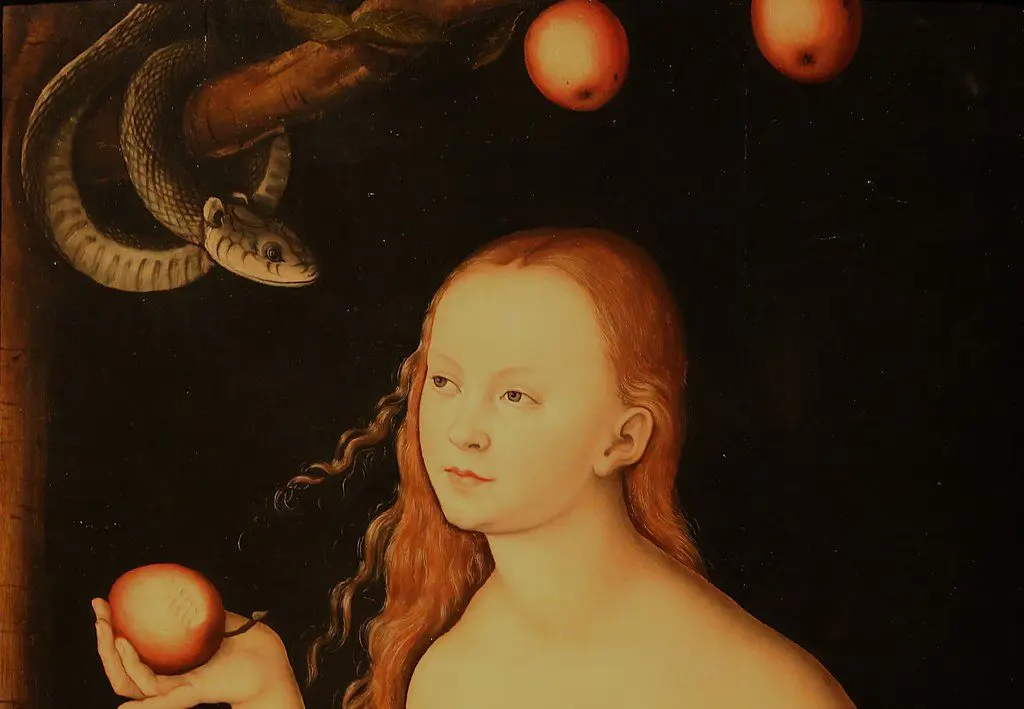
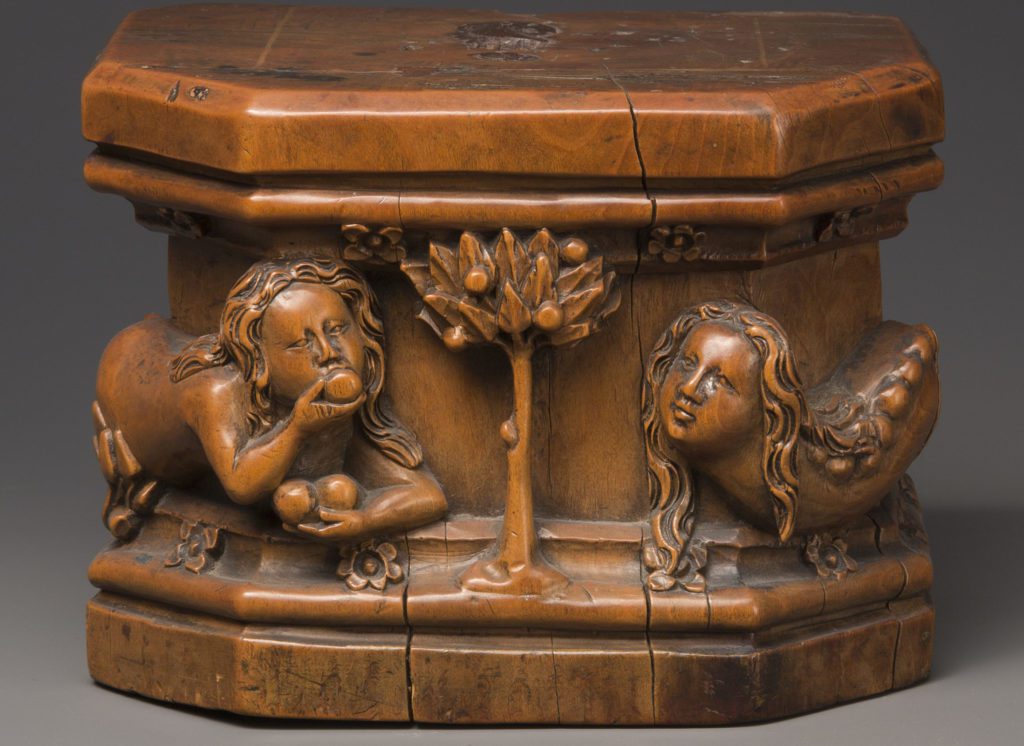
The picking of the apple in Eden was not a proper use of freedom but the contrary—an action that submitted reason and will to a higher power that does not have mankind’s best interest in mind.
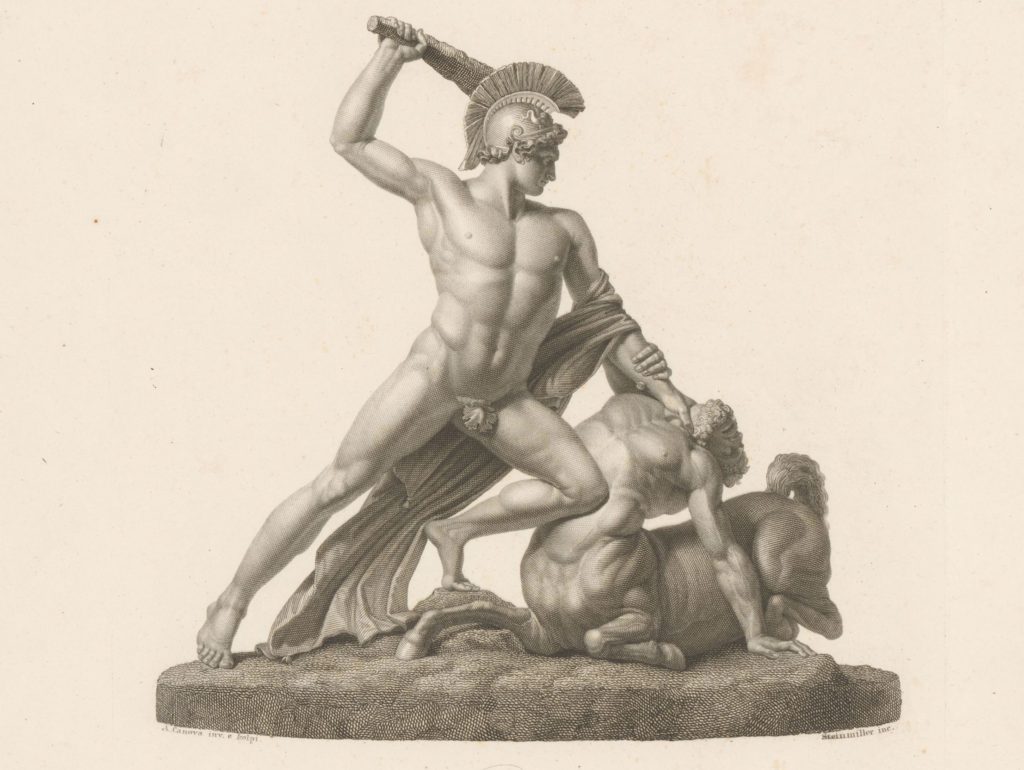
Names are important, and the name ‘conservative’ is important if we are not to forget who we are and what we strive for. Conservatives are not merely reactionaries. We affirm something. We affirm our civilisation and we want to conserve it.
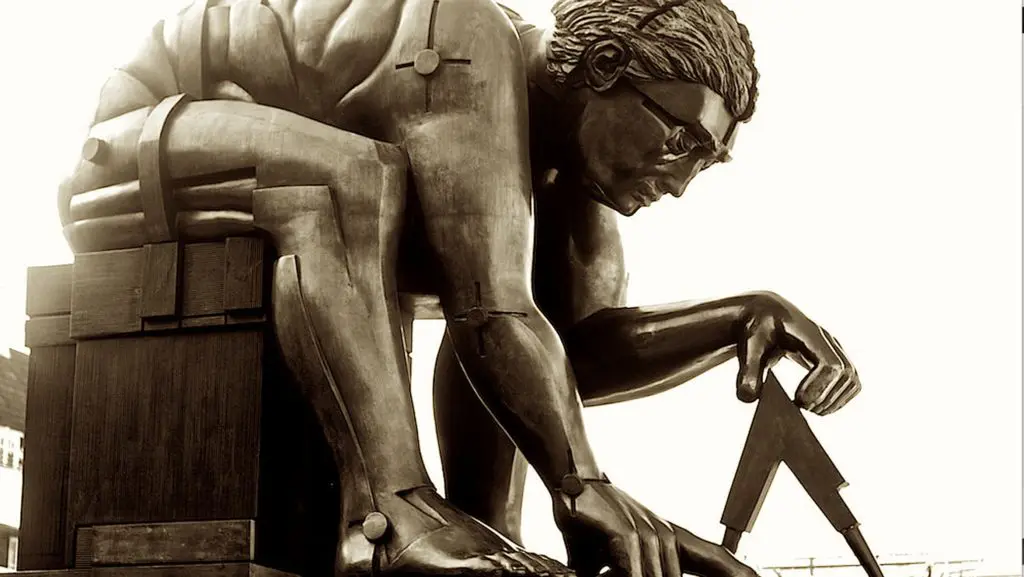
When a culture loses the capacity for faith at all, be it religious or secular, and falls into a pit of relativism, it produces scientists all too willing to yield to the shrill demands of noisy, impassioned political activists.
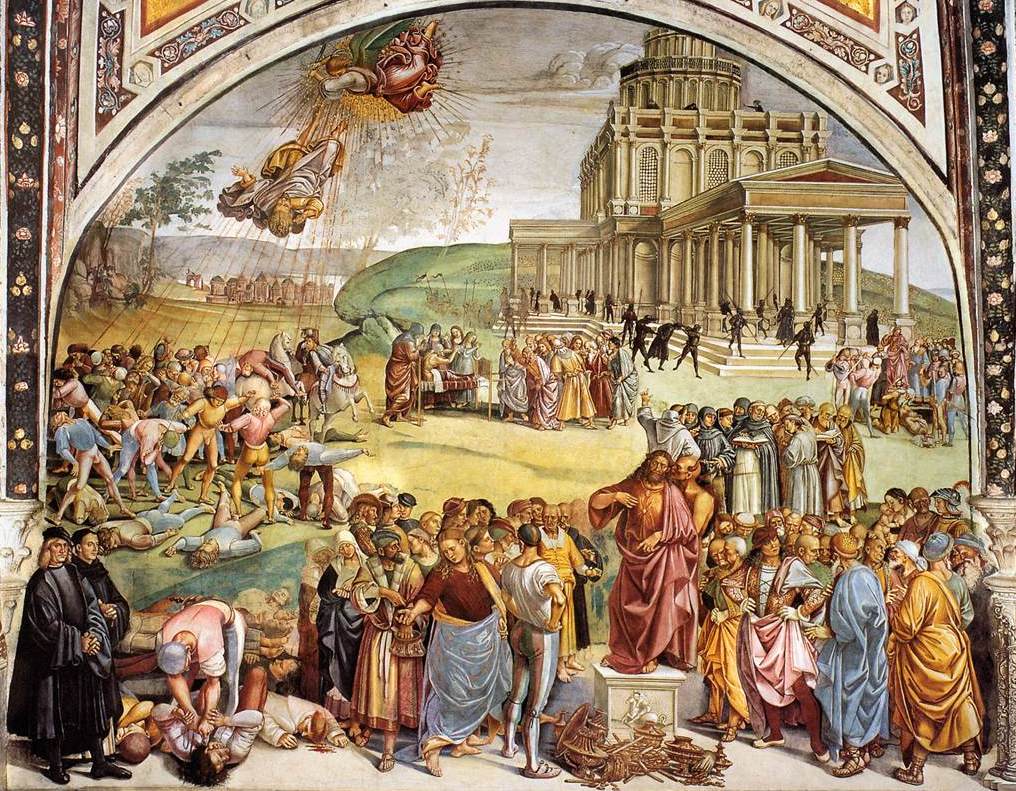
Christians, whatever their religious divisions, should work together to undermine and ultimately destroy the liberal and progressivist supremacy that dominates the West, recognising that it marks a settlement incompatible with even a basic Biblical worldview.
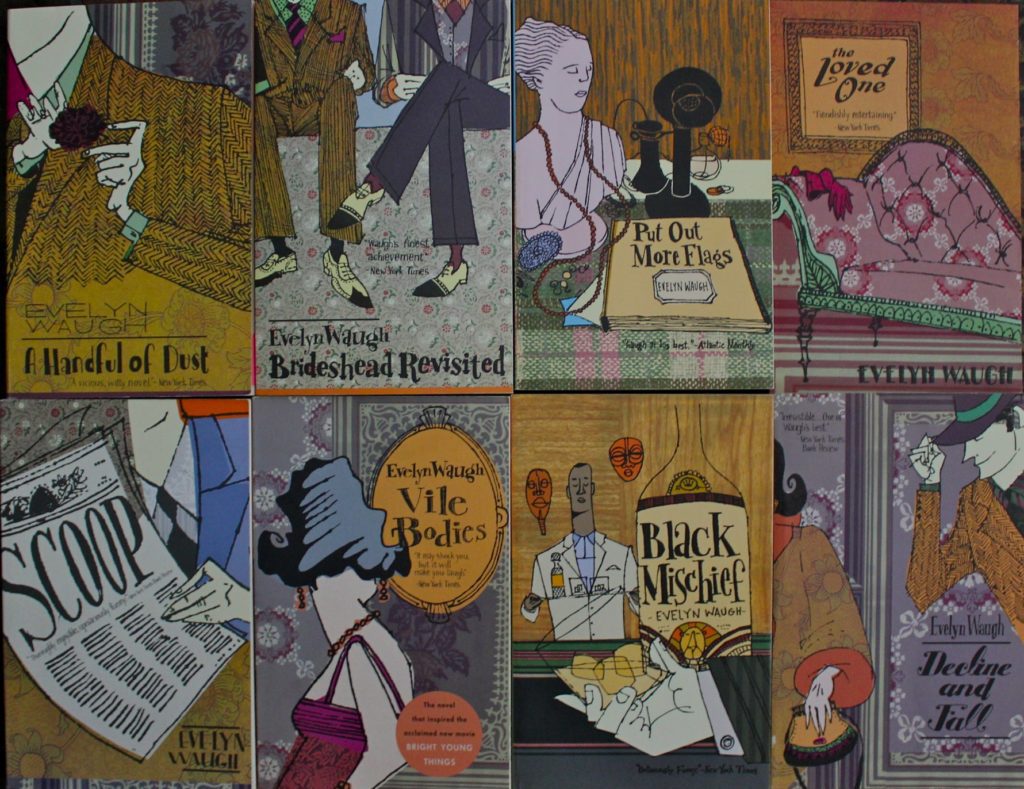
There is far more to Waugh than first meets the eye, and no matter how great the gulf between his era and ours, readers who delve into his work can discover not only a supremely gifted literary craftsman, but an extraordinary soul and intellect as well.