Culture and Politics on a ‘Fortress Island’
A people do not become a nation—however tiny and insignificant a nation—until they possess a literature; just as a man becomes a man only when he reveals his personality through speech.

A people do not become a nation—however tiny and insignificant a nation—until they possess a literature; just as a man becomes a man only when he reveals his personality through speech.

Whilst I’m reluctant to trivialise the many mental health illnesses and anxieties that modern people claim, I suspect that much of their emotional confusion is just what everyone normally feels. The difference being, however, that the young modern was told that such feelings had been—or would be with the next cultural revolution—banished by Progress.

Our age is defined not by conversationalists seeking truth together through meaningful debate and discussion. Rather, it is dominated by slurs, slogans, and political catchphrases.

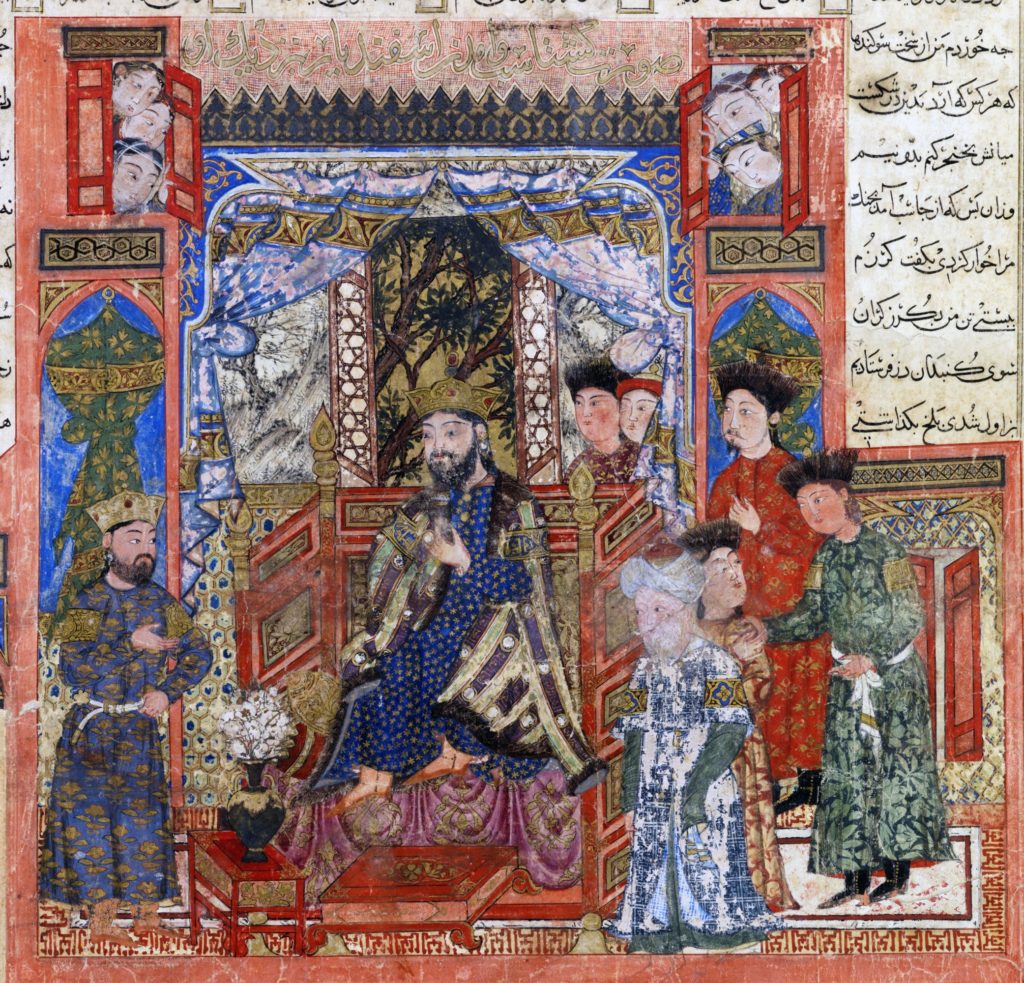
It was with Kublai Khan that the Mongol experiment would find its highest expression. He neither replaced nor remained apart from Chinese culture; he made it the center of his political project and offered China a national state.

“The fact that the Holy See does not explain the sanction is deplorable,” a local priest described as a “staunch traditionalist” said. “But to say that it comes from nowhere is a lie.”

Every revolution begins with just one man. So does every counter-revolution. All of our many foes have taken that lesson to heart. We have not. And unless we demand total victory, as they do, all we’ll get is more lumps.

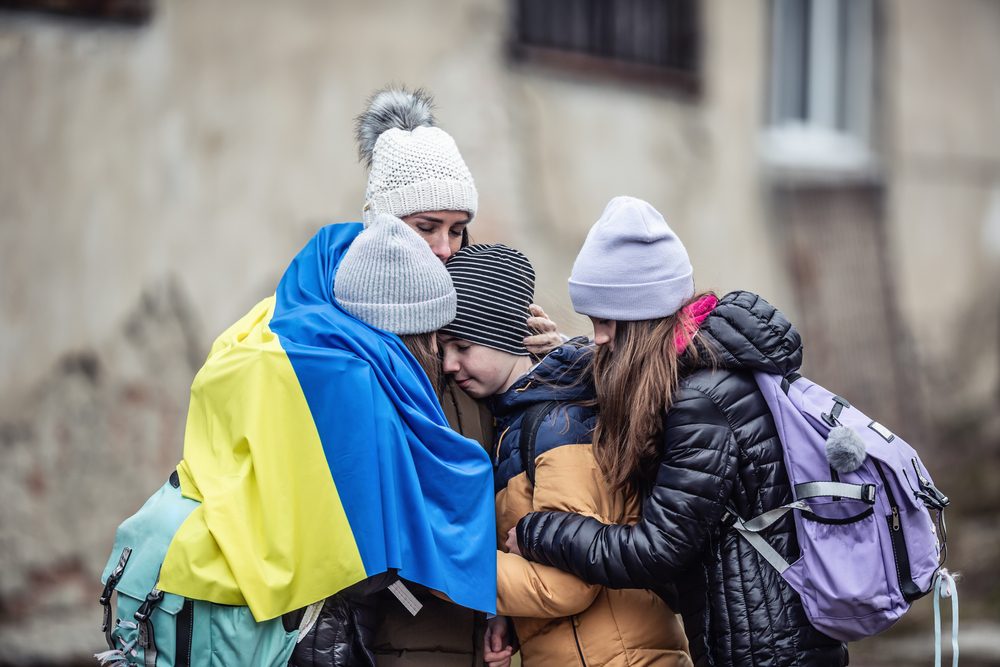
Will a renewed influx of Ukrainians, especially amid the ongoing fallout of Hungary’s energy crisis, test the limits of the Magyars’ generosity?

To apply to myth the reigning science of the day, in an attempt to transform it into a factual chronicle of human affairs, means inevitably to mangle what is most intrinsic to myth: its kaleidoscopic abundance, its playfulness, its immeasurable depth.

Intellectual adventure is not available to bees, who simply do as they do in obedience to their limited nature. The hive may be a place of cohesion, but it contains no libraries, paintings, or statues to heroic bees of the past. Human life without the humanities would be much the same: cut off from our roots, deprived of meditation, and locked in an eternal now. The cult of relevance makes prisoners of us all.

The enemy advocates for a borderless world, free of family loyalty, religion, identity—anything that might obstruct a pliable global marketplace.
If you want your money to be spent on curation, care, and cultivation of rich history, it’s long overdue time to take back control. It takes a lot of time to create something, and a mere moment to destroy it forever.
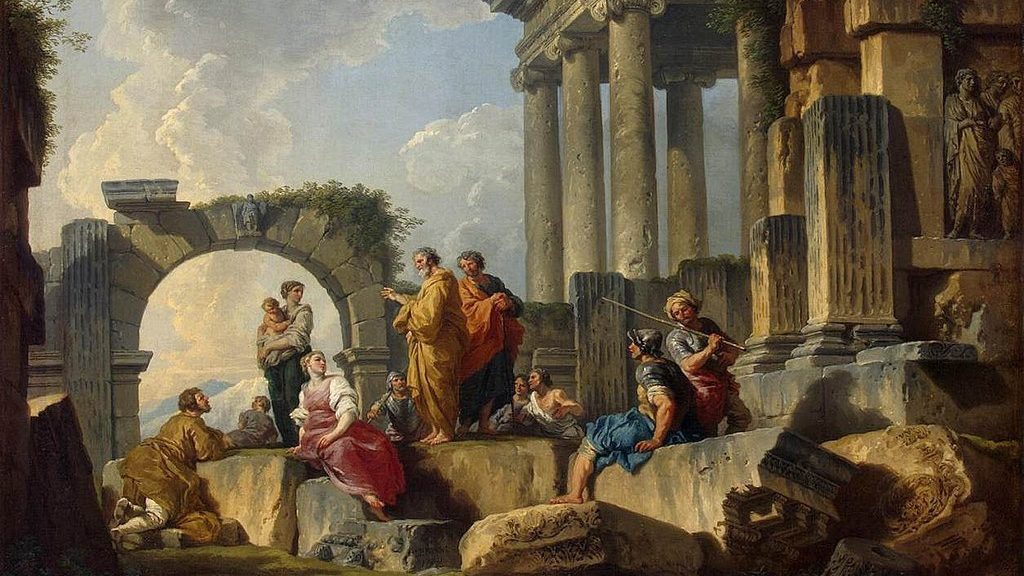
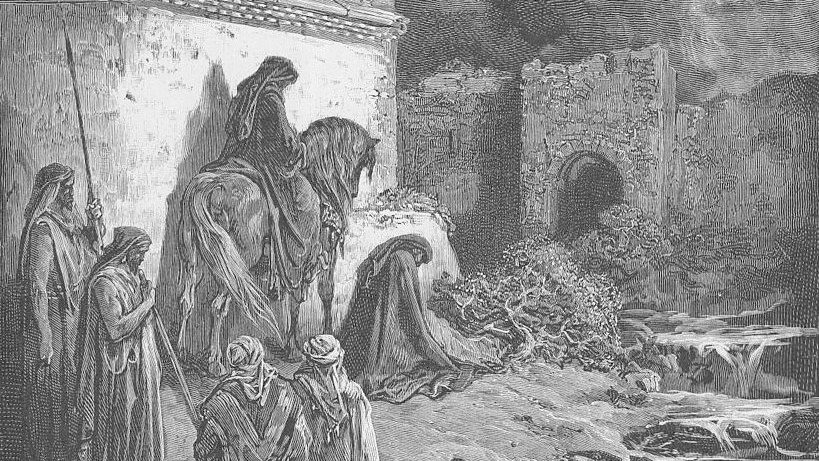
As we look upon our own societies with an ever-decreasing patience at the loss of religious values, we must collectively re-assess our city walls. Are the cracks merely contained to the surface, or does our city lie in ruins?
Horror polarises between the twin evils of chaos and control, the thing lurking outside town, and the painful secrets inside.
The techno-determinists have glimpsed the coming of a god and feel quite sure that he is impossible to resist. But we should oppose their fatalism and hubris with faithfulness to human integrity and dignity.
Many of the architects of the sexual revolution made their case for the abuse of children openly, and they were embraced by the elites, lionized by the press, and heralded as courageous thinkers.
Opinions will always differ on what best approximates the common good and on the utility of law as an agent of virtue in any particular case. But to imitate the liberal silence on such crucial questions is to invite radical neo-Marxists to answer them for us.
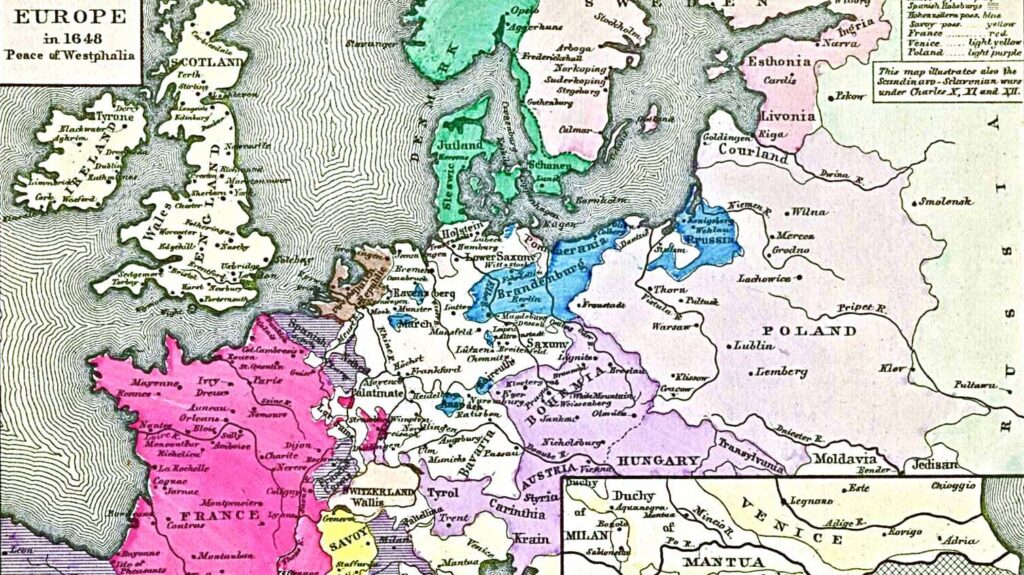
Emmanuel Macron’s invocations of “European sovereignty” notwithstanding, the nation—not Europe, nor the entire world—remains the only viable locus for the exercise of democratic power.
Any culture that creates a taboo around death while worshipping the most sterile forms of hedonism should prepare for a nastily ironic surprise: extinction.
Since today progressivism is the mainstream and the cultural establishment is monopolized by the Left, being a conservative is currently a rebellious position. The political revolution is coming from the Right.
The lesson to be drawn from the spiritual encounter between the Lama and the Khan, then, is universally applicable, and particularly relevant to those wanting to call themselves conservative.
From the bell preceding the priest’s entry, I was as engaged as I had ever been in any Mass.
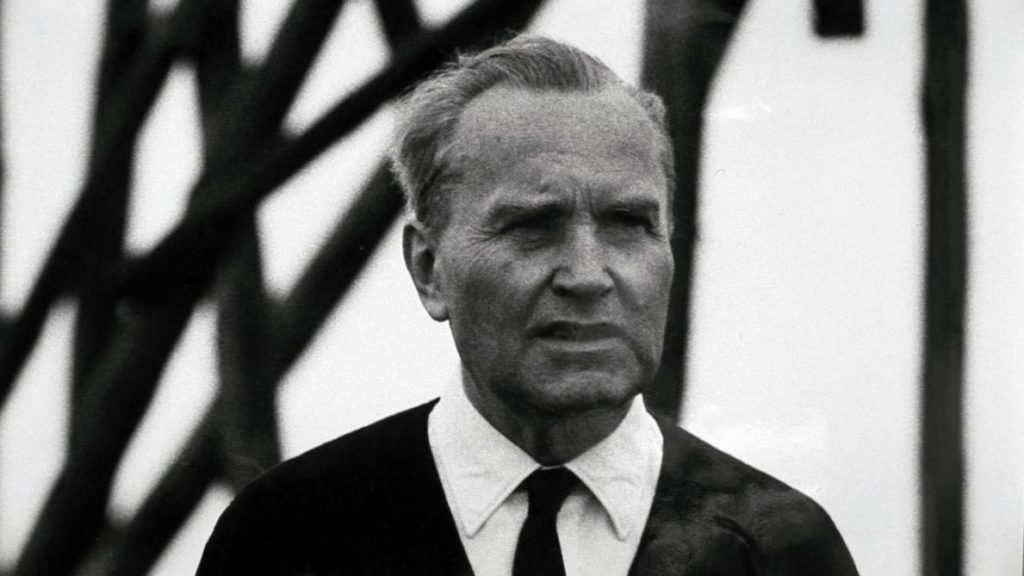
Free societies need people like Eoghan Harris—courageous contrarians who defy the culture of amnesia. Such people are the vanguard of memory, reminding us that liberty is a precious but fragile asset that we must not take for granted.