
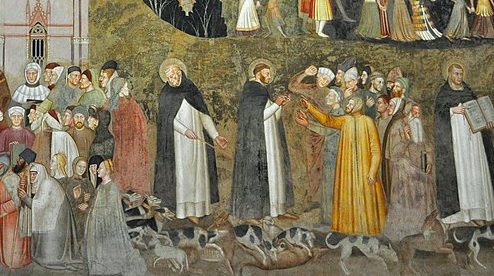
The Metaphysics of Dogs
From Tobit, to Dominic, to Dante, Part II
“The world is full of devouring wolves, and you, unfaithful dog, know not how to bark.”

“The world is full of devouring wolves, and you, unfaithful dog, know not how to bark.”

The policies that have provoked these protests differ, but there is a common conviction driving the backlash: the elites imposing these agendas do not and will not suffer the consequences of their own policies.

Placing one’s social role ahead of one’s personal preferences is certainly a sacrifice, but the assumption by some that such a sacrifice must make it impossible to live authentically or happily is far from being true.

In radically diverse societies lacking a clear religious and cultural majority, it becomes obvious that worldviews sometimes harbour radically different ideas of what it means to be human.
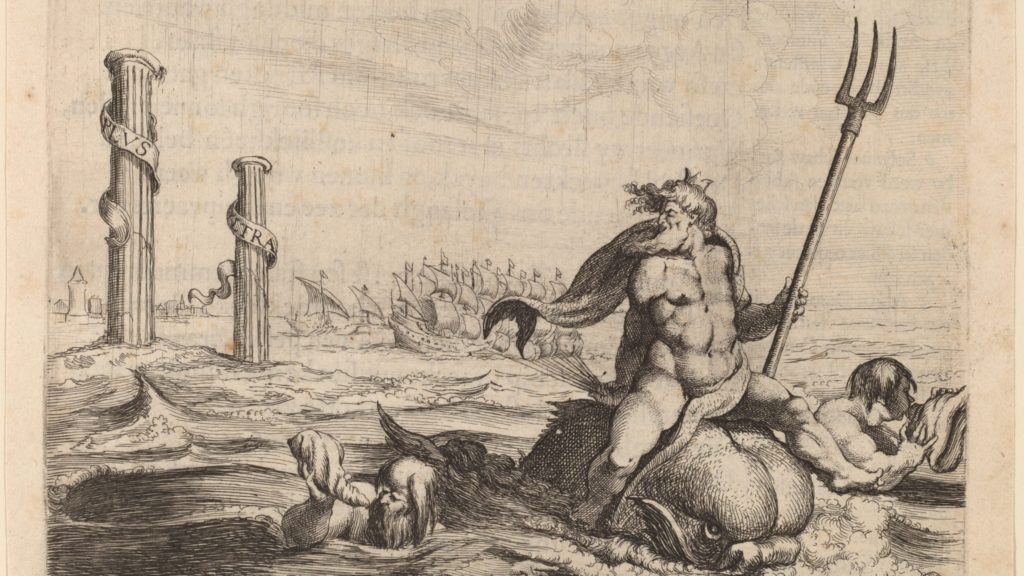
Perhaps people have bought into the various scarcity programs of recent years—the scarcity of social contacts during the pandemic, scarcity of energy, scarcity of food—because it makes them feel alive again.

This essay may not be a plug-and-play survival guide to inflation, but it should help to explain where you can go and what information you can find, in order to educate yourself on inflation, specifically energy costs.
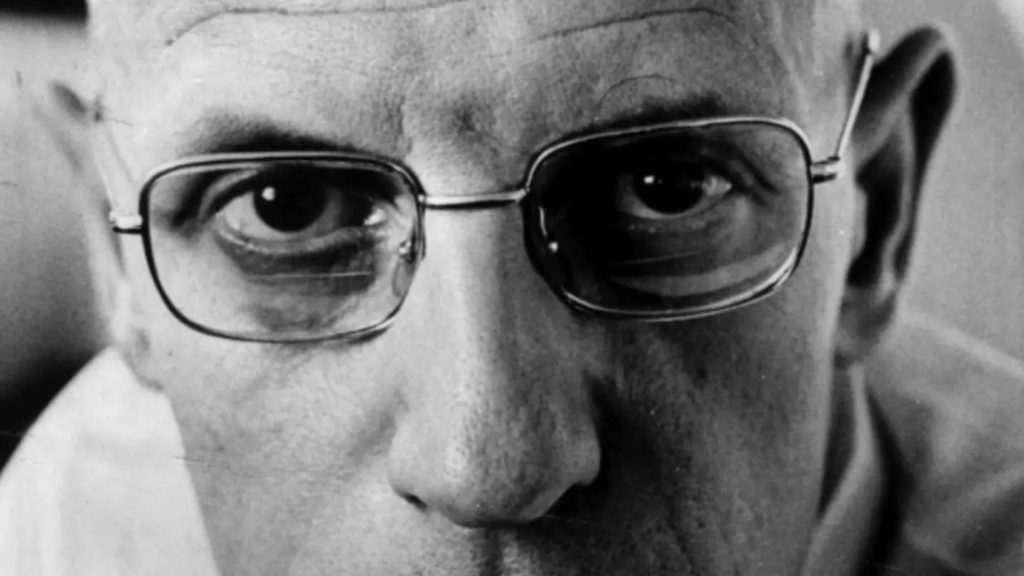
To use the Foucauldian jargon, the new left-wing aristocrats are forever manufacturing ‘epistemes’—that is, structures of knowledge—which serve to sustain their dominance of Western society.
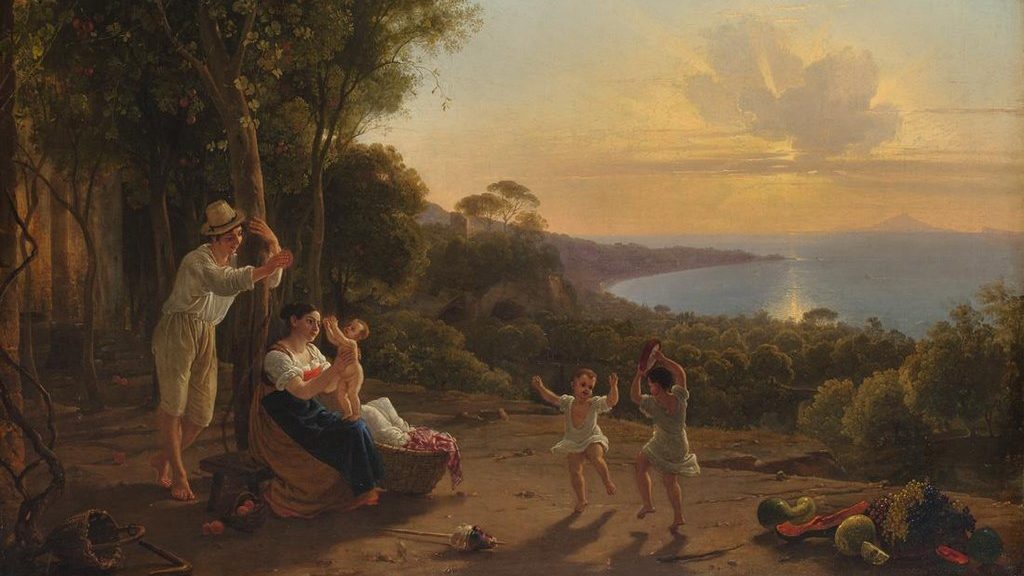
Listening to pop music—like the rest of modernity—marks an education in unreality, which is no education at all. Folk music, on the other hand, is invariably rooted in the concrete reality of life.
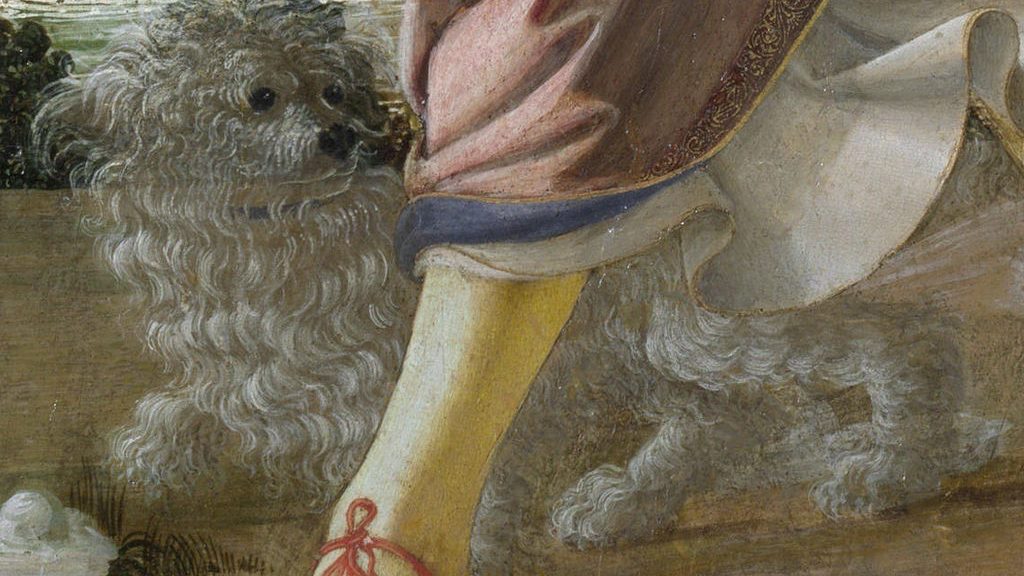
“The world is full of devouring wolves, and you, unfaithful dog, know not how to bark.”
If these four companies—WeWork, Uber, Airbnb, and DoorDash—were representative of what American capitalism had to offer, there would be reasons for grave concern about the future of our economic system.
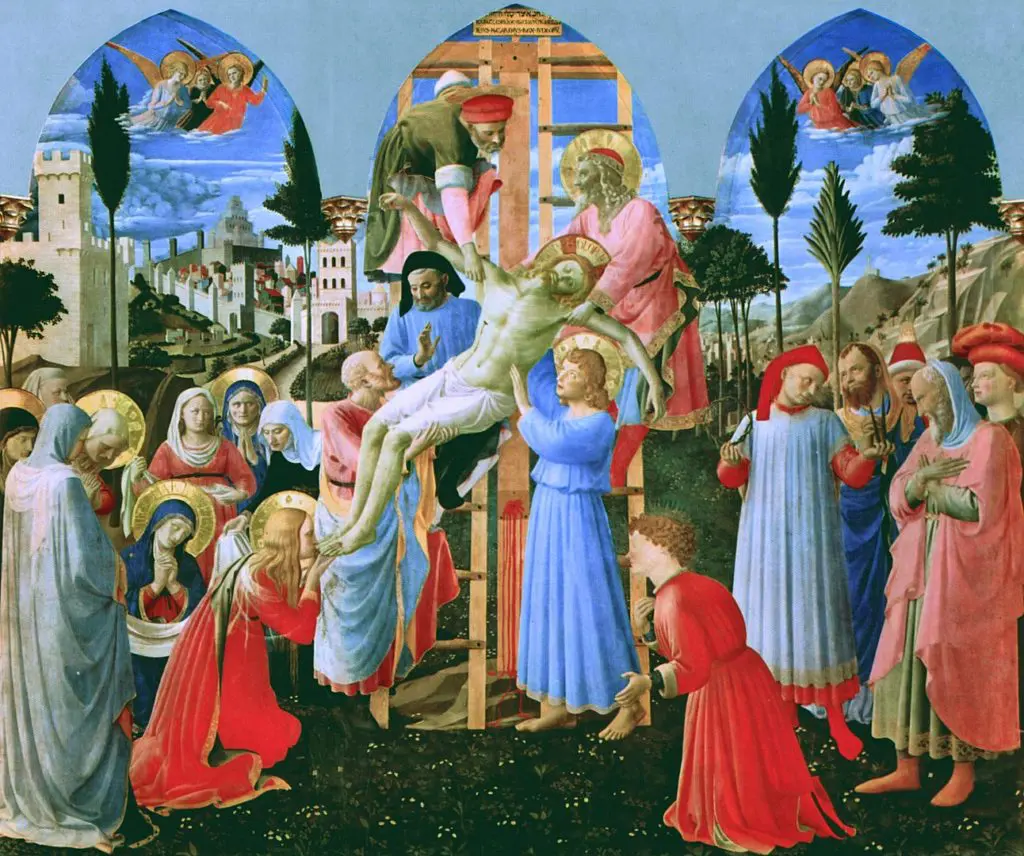
That is what the world is desperately yearning for, which is why people still flock to their churches to kneel down and kiss the Cross on Good Friday. Most may not fully understand why they are there, but they know that Christ did not give his life so that we would remain the same. He gave his life so that, having crucified the old self, the burden of bondage would be lifted forever.
When discouraged by events in the here and now, we should remember that “not we but those who come after will make the legends of our time.”

Recent abortion laws allow the moral supremacist to drive a dagger through the very notion that our rights, including the right to life, are given to us by God. Separating personhood—a legislative definition—from life has given government full jurisdiction over our rights.
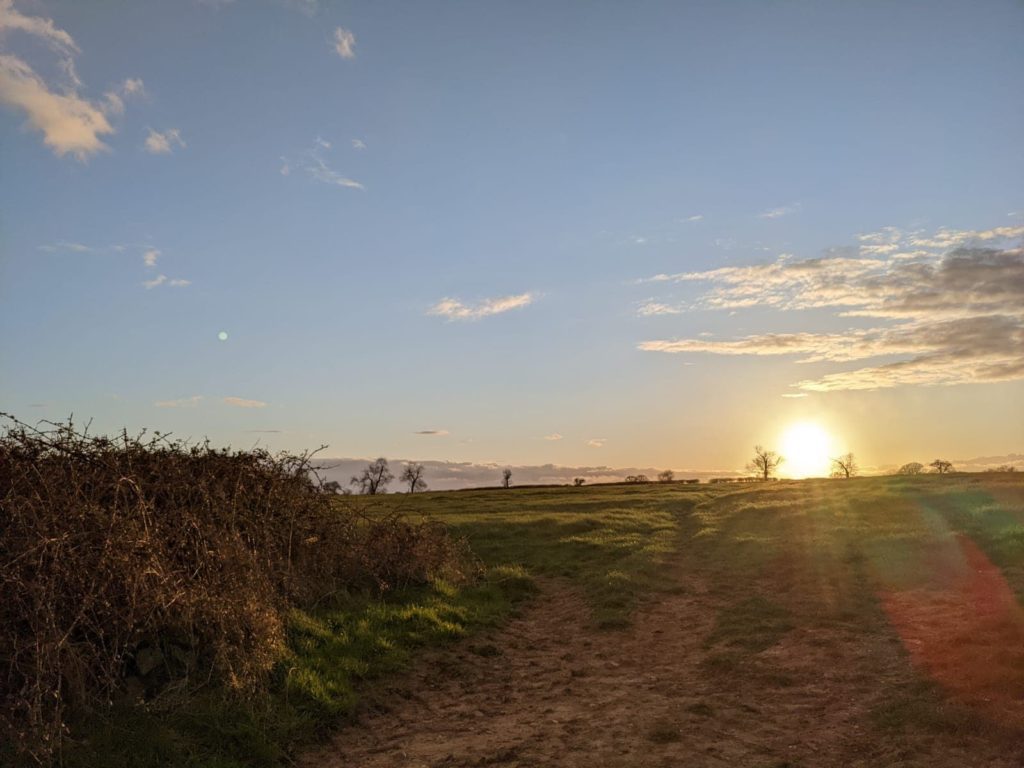
I have dedicated much of my life to studying the great philosophers and scholars of our civilisation, but from none have I learned as much about true human flourishing as I have from the peasant girl of Nettuno.
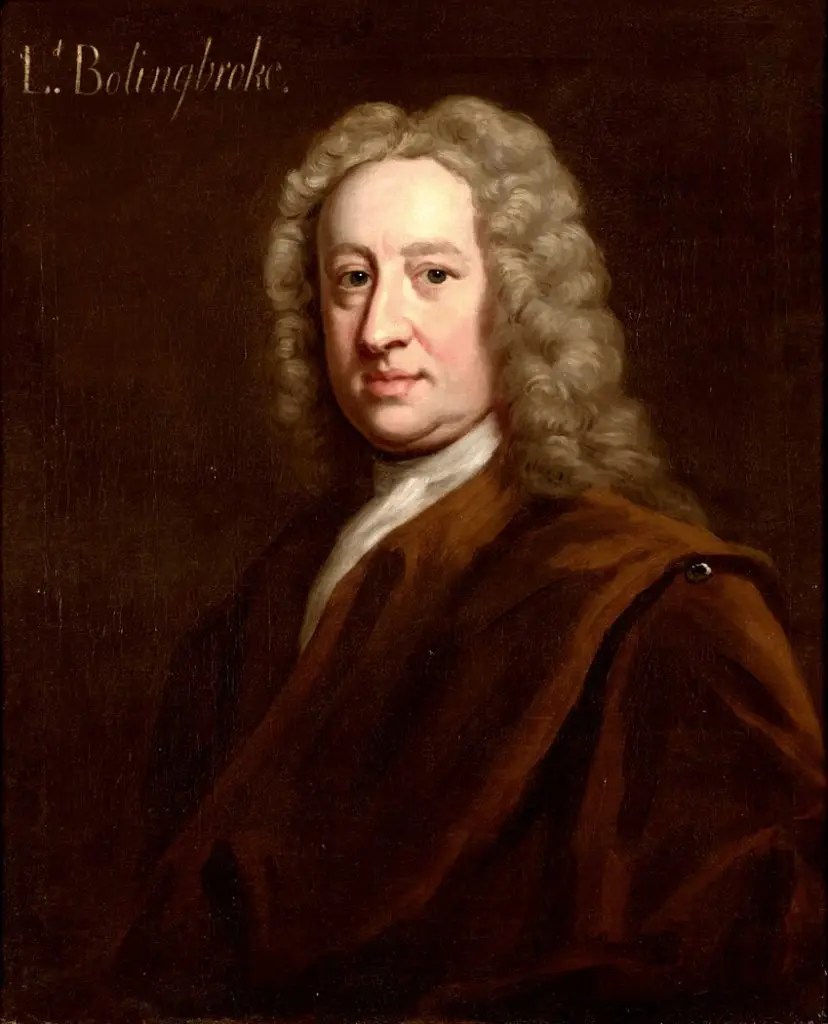
Bolingbroke is, perhaps, the most obvious figure to represent secular conservatism. He was a statesman, an historian, and a philosopher; he was also a libertine, and no stranger to intrigues he denounced.

The dawn of Western civilisation carried a strong focus on martial arts. In a world where war often lurked around the corner, it was paramount that one should be able to defend oneself. In our times, war again haunts our continent. It may be time to rediscover our martial roots.

Why are we allowing corporations to profit both from the desperation of people struggling with infertility and women in poverty?
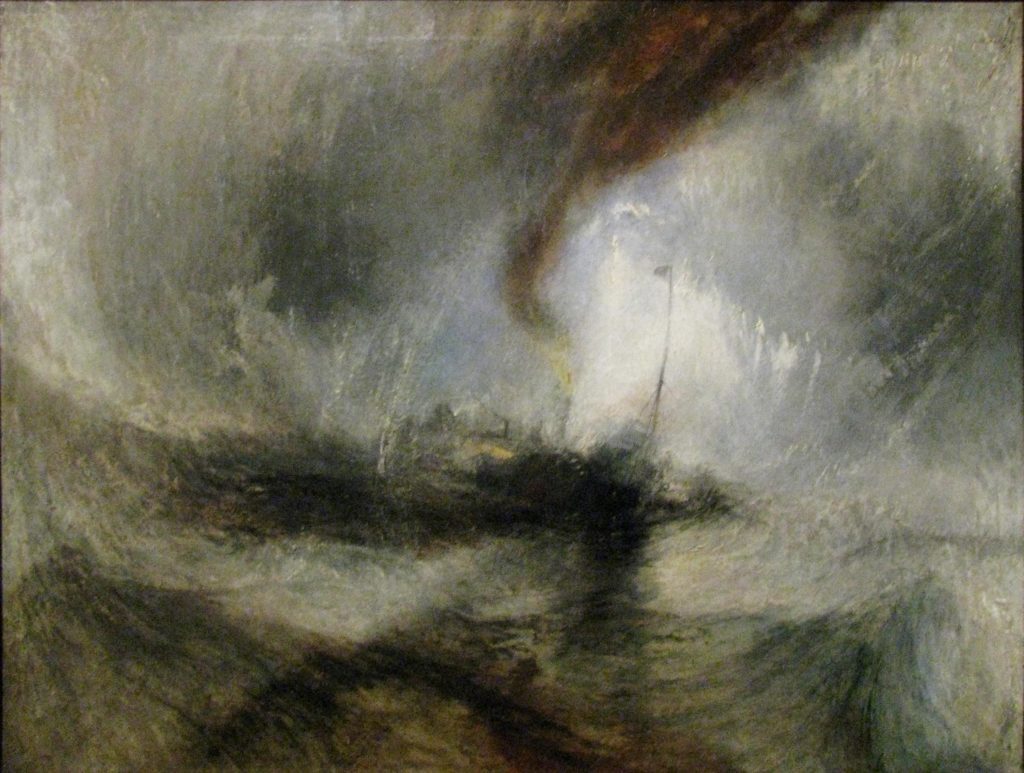
The God of Genesis may have promised never again to send a flood upon the whole earth; but he did not promise not to send capitalism.
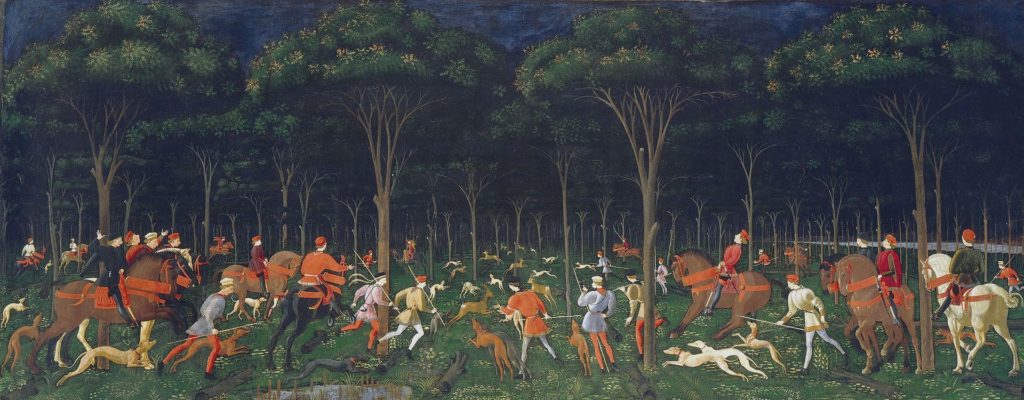
As the Season has drawn to a close, I have been reflecting on the meaning of hunting. Some hunts this Season have transported me into a timeless experience into which, no doubt, many hunting people have been taken.

Emperor Charles died on the 1st of April, 1922, at 12:23 pm, saying the name “Jesus” one last time.

Beethoven’s “Moonlight Sonata” is one of the most popular pieces of classical music in the world. Aesthetic changes in the 19th century have created an image of a proto-romantic work, while in fact it may be an homage to a bygone tradition of the 18th century.

“We will not have the Armenians anywhere in Anatolia. They can live in the desert but nowhere else.” With the soldiers neutralized and massacres and deportations in progress, it was time for a decapitation strike to eliminate the Armenian leadership with a single blow.