
Forgotten Classics: Everyday Evils in Marie Belloc Lowndes’ The Lodger
This novel, inspired by the murders of Jack the Ripper, ultimately forces readers to confront the evil that exists within their own breasts.

This novel, inspired by the murders of Jack the Ripper, ultimately forces readers to confront the evil that exists within their own breasts.

FROM THE FALL 2023 PRINT EDITION: A lesson that conservatives should learn is that inevitablists are always wrong in their manner of thinking.

Mary Harrington’s scorching polemic urges us to rediscover feminism’s reactionary potential.

In Outside the Gates, Hackett reveals to us that transcendence is woven into social reality, most especially in that highest friendship which tyranny seeks to root out: the friendship of virtue.

Counter Wokecraft makes the case that woke strategies, “while tricky and manipulative,” are also “comprehensible, predictable, and able to be countered.”
Stories—whether of real or fictional events—hold a unique place in human life, delighting, causing wonder, captivating the imagination, purging the emotions, and even encouraging moral growth.
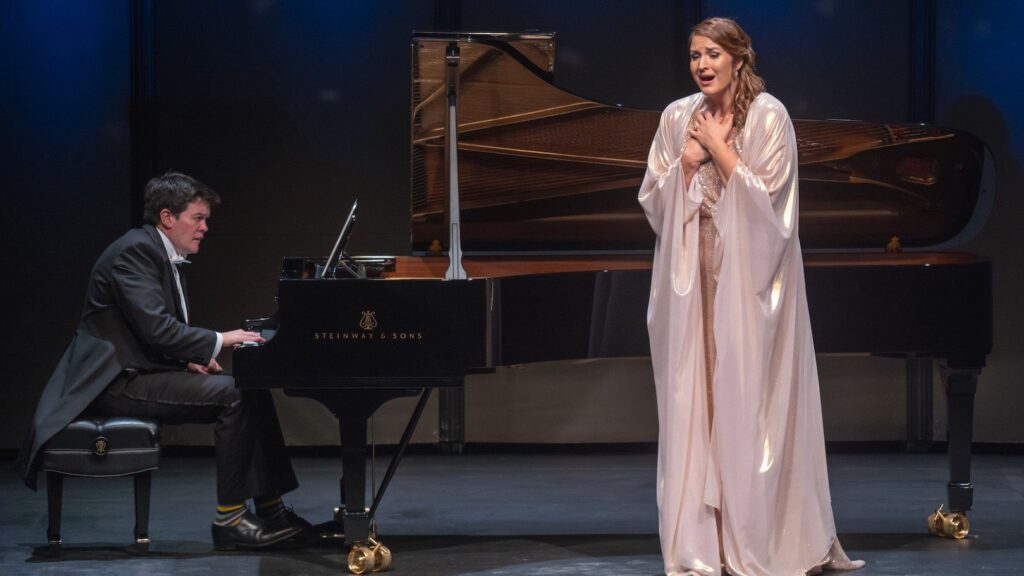
The recital left the overall impression of a solid and earnest singer with strong ambitions that may well be fulfilled in the march of time.
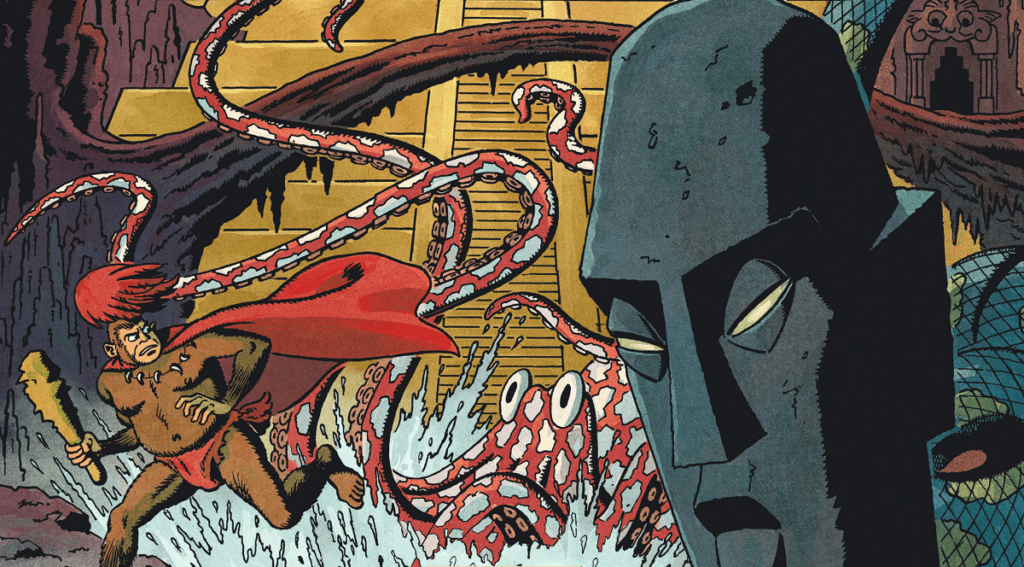
Curated by Eric Dubois, this exhibit holds a looking glass up to the earliest works of Blake and Mortimer’s creator, portraying him as a modern-day Homeric storyteller.

The reason why Lance Morrow matters is that he may well be the last living bridge to a bygone age in journalism.
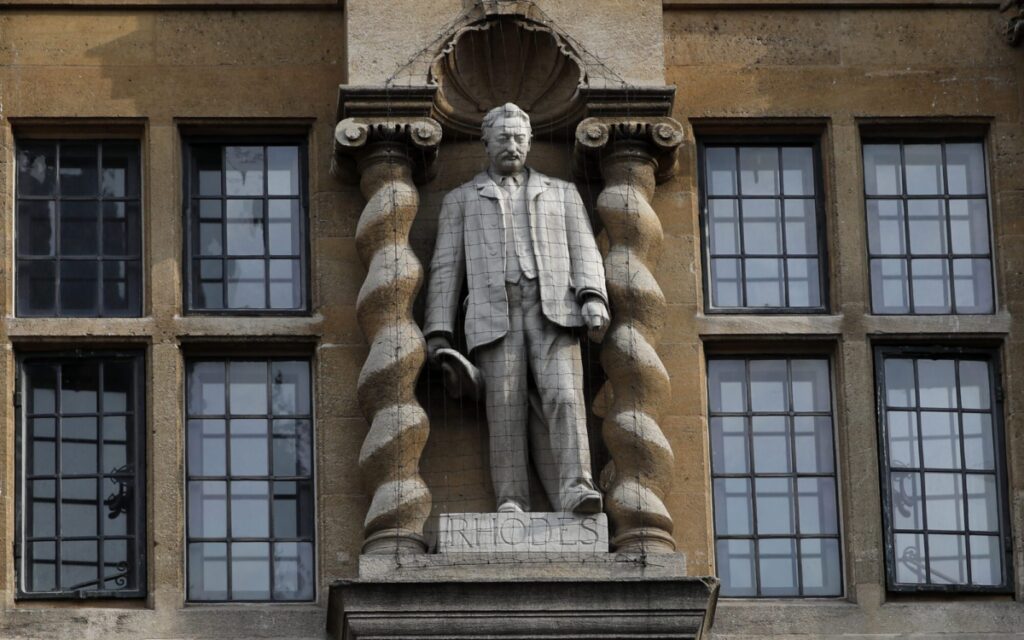
While Biggar ultimately concludes that progressive discussions of colonialism are flawed and overly simplistic, he does not fall into the opposite extreme in favor of every aspect of Western colonialism.
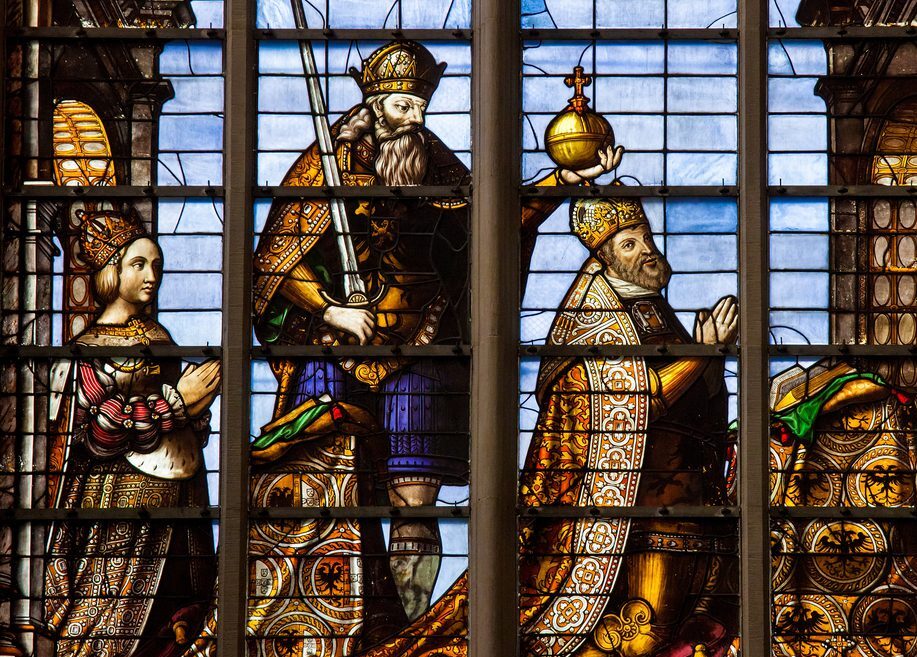
Savvy and erudite writer Eduard Habsburg-Lothringen presents some essential principles of his family that lead to a better life … not just for princes, but for everyone.

A Europe without a common identity founded on Christian values is built on sand.
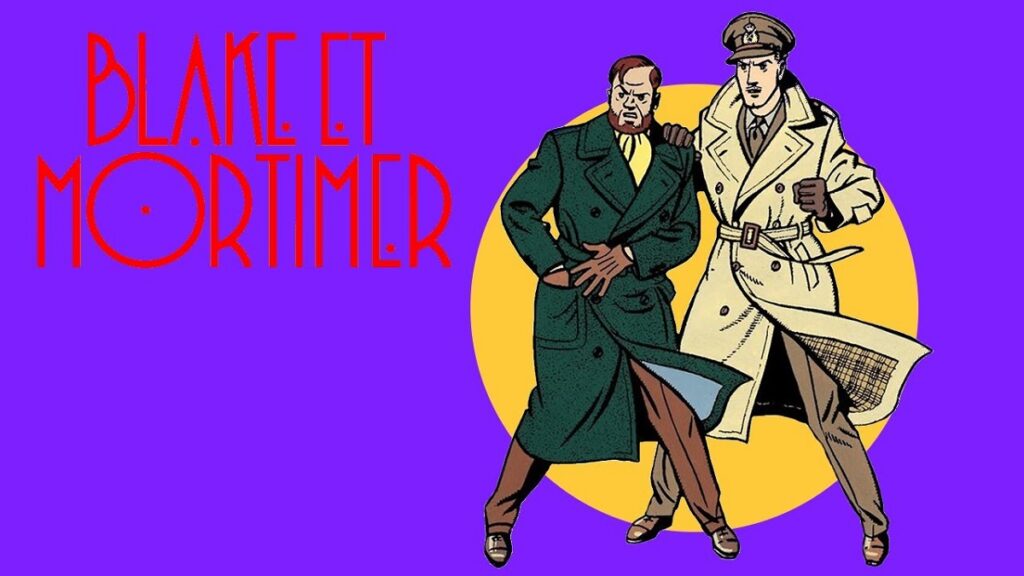
The series, which focuses on the adventures of the daring duo of Francis Blake and Phillip J. Mortimer, has a feeling, a style, all its own. Edgar P. Jacobs and his successors craft fully fleshed-out worlds that draw readers in, making us sad to leave at the end of each work.
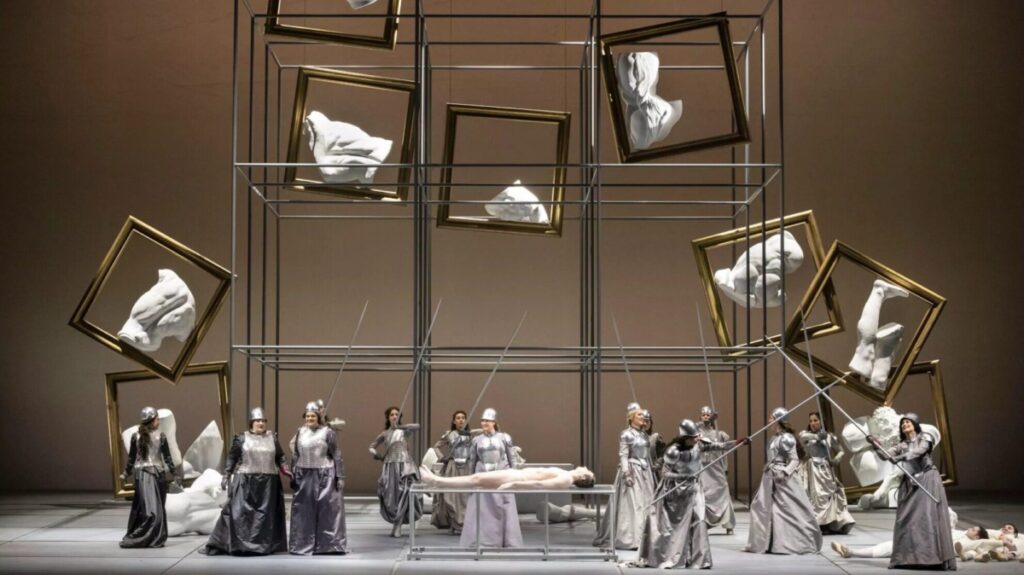
Tiezzi’s production eschews the interpretive fripperies and psychological baggage common in contemporary Wagner productions in favor of appealing abstractions.
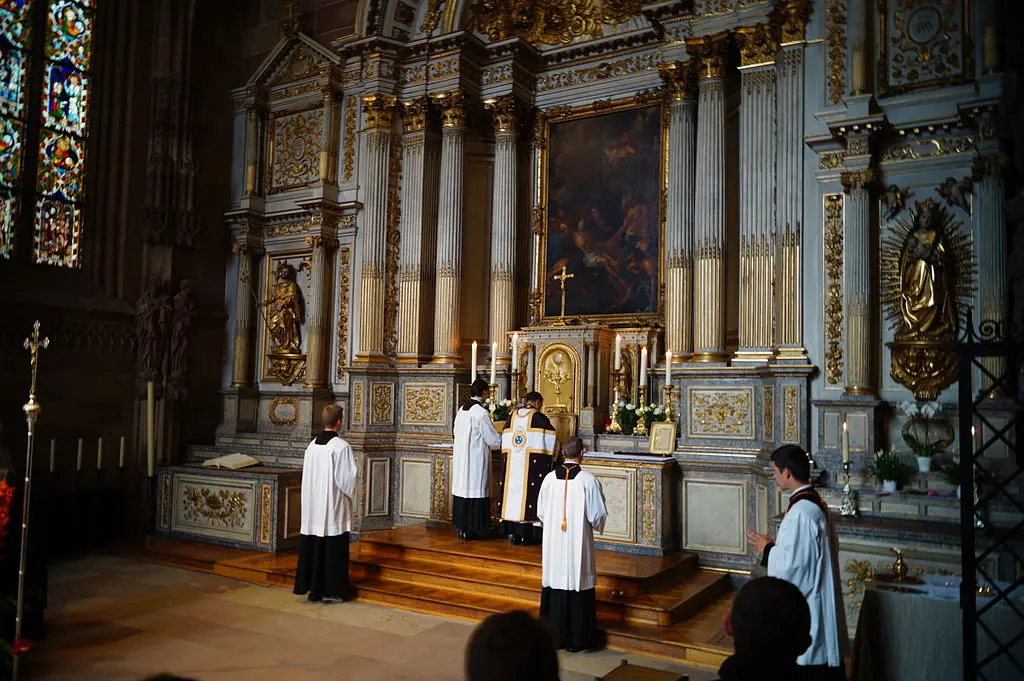
The Once and Future Roman Rite is an historical study and a call to action. The author writes that, “We are privileged to be living at a moment when it is possible for the laity and the lower clergy to be taking the steps needed to recover our glorious inheritance.”
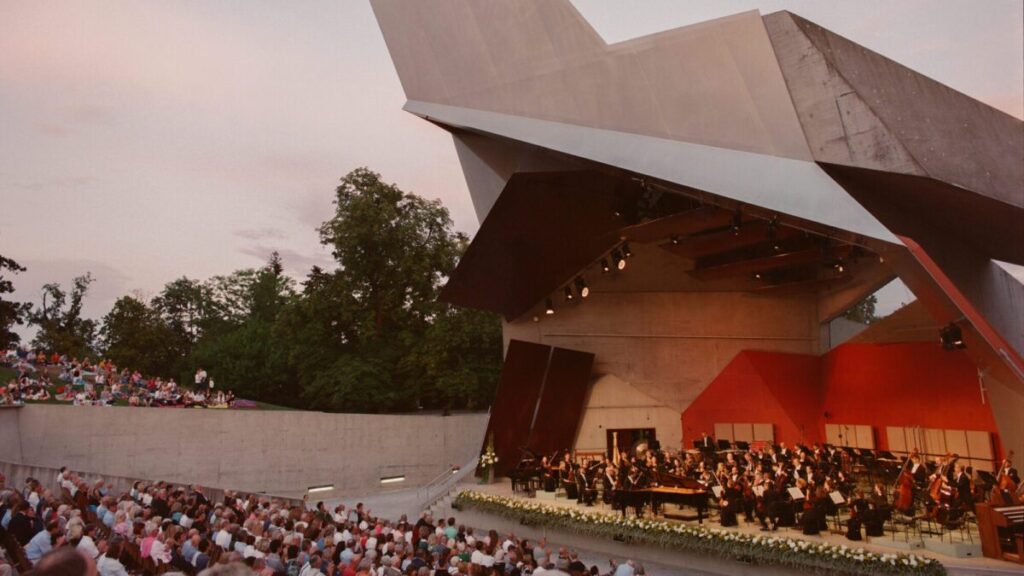
Grafenegg has risen to become one of the finest regional European music festivals. The unique blend of nature, architecture, and music makes one feel as though the great romantics are still at home here.
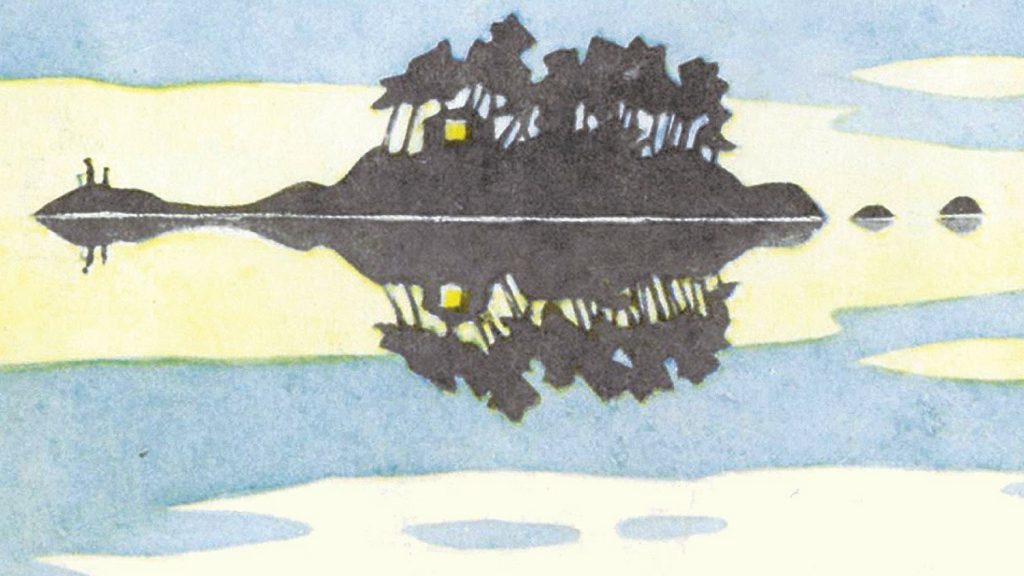
Despite her own failings, Sophia’s grandmother offers us a model of presence and love.
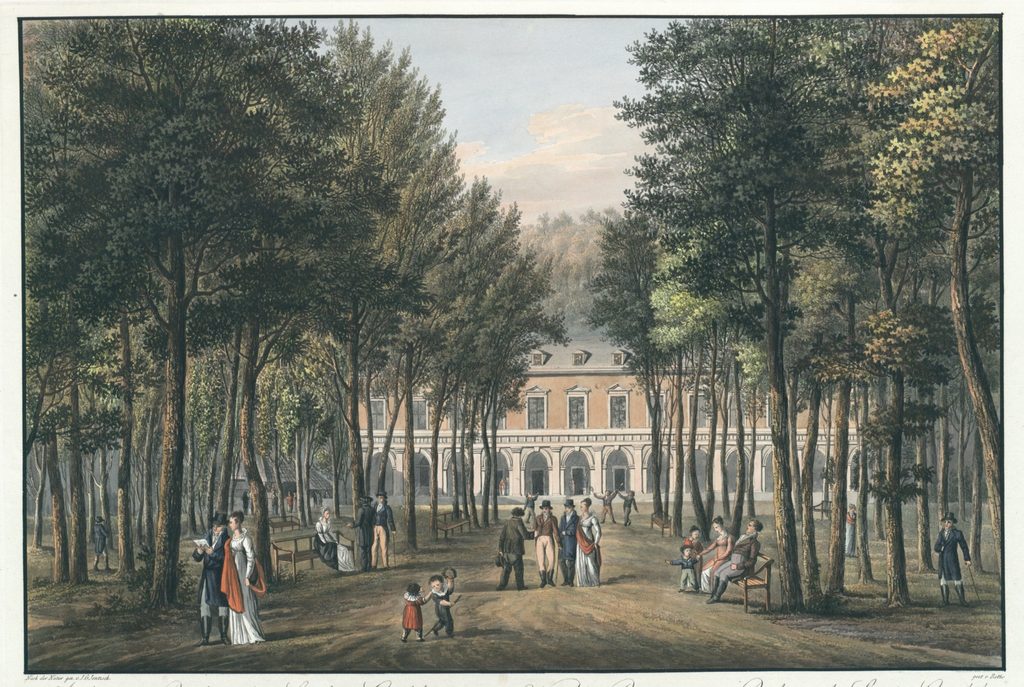
From Habsburg in Vienna to Jefferson at Monticello, this special exhibition focuses on the overriding power of the garden as a pendant in the life of civilized society.

Andrea Chénier‘s high melodrama and appealing theme of feminine self-sacrifice has proved more lasting and appealing than the true story it is based on—but this is how opera thrives.

History is a story that is at once true and false, a story in which truth sometimes requires us to record a falsehood, if only so we do not forget that a falsehood was once told.
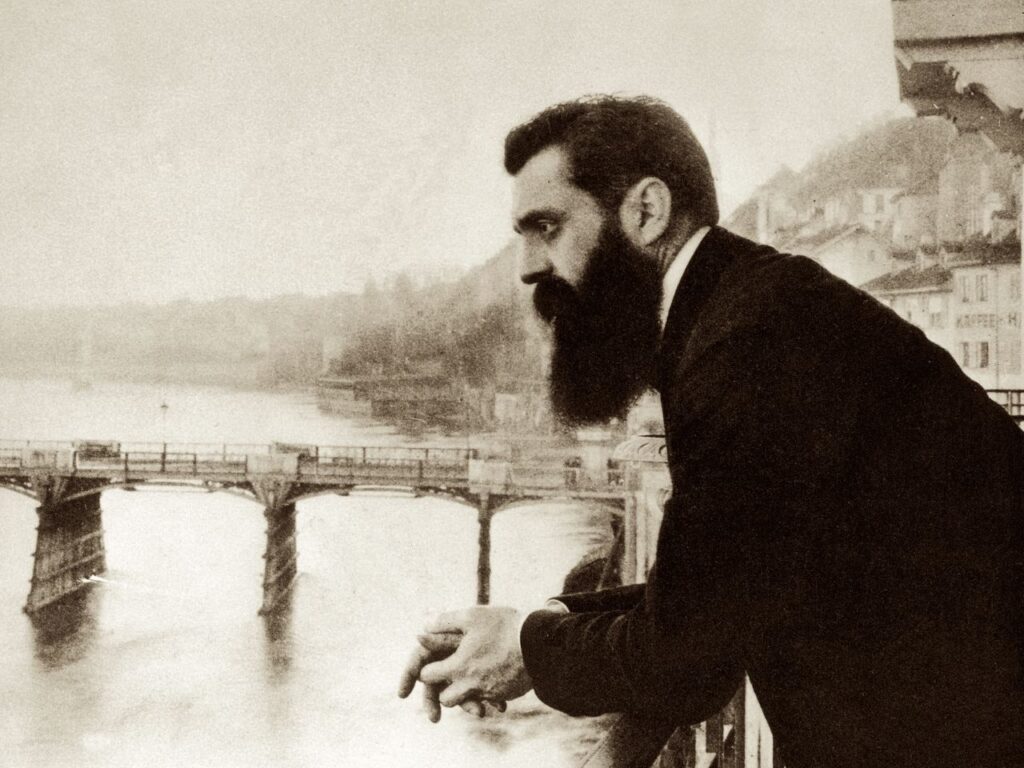
A new book traces the words and deeds of eight leaders who devoted their lives to their fellow Jews.

A segment of Spanish society—the Left’s leaders, if not their voters—has been too quick to paper over the difference between lawful politics and violence.