Why the Lights Are Going Out in South Africa
Lessons from the shocking memoir of a top South African electricity executive.

Lessons from the shocking memoir of a top South African electricity executive.

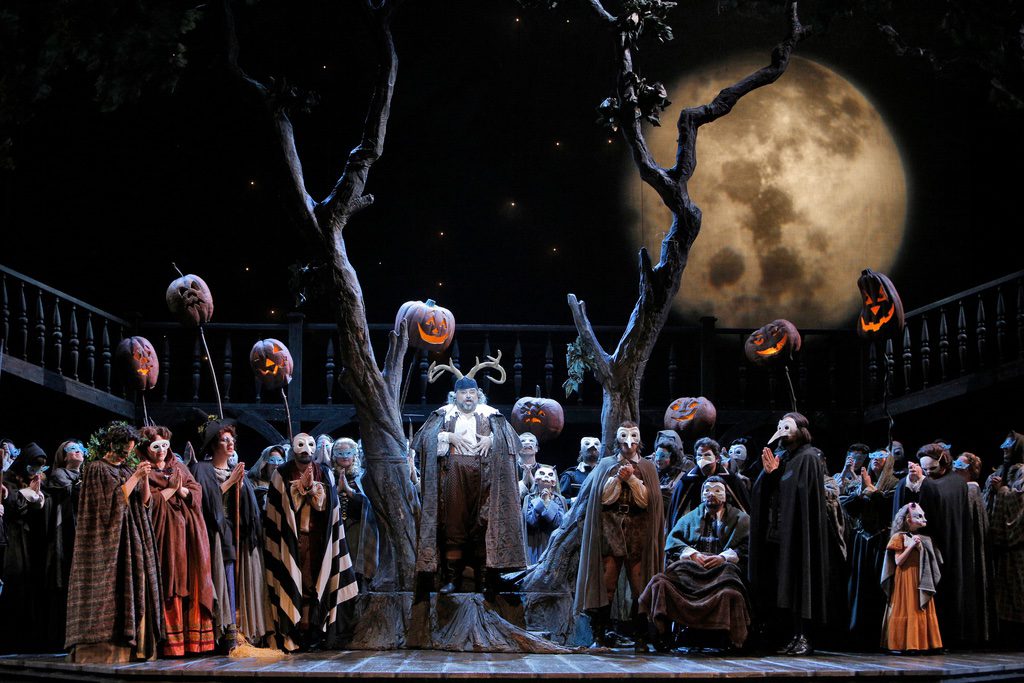
Rigoletto has “all the characteristics of a perfect film noir”— seduction, murder, anonymous identities, spooky nocturnal settings, casual violence, unapologetic brutality, and, when done right, some dark humor.

In 42 short meditations on a wide range of topics, Hubert van Zeller presents the universal call to holiness by bluntly addressing common tendencies in man. His writing has a British 1950s charm, yet cuts to what is essential in a way that feels modern and relevant.

This graphic novel was clearly crafted by two men who share a love of older superhero comics, even as they used their work to interrogate the genre and the world that produced it.

What do we do when we realize that we understand neither ourselves nor our world? Anderson thinks the answer is the same, whether in life, faith, studies, or art.

Lobmeyr’s lighting creations can be found in some of the leading opera houses in the world.

The future need not be bleak, as Benson’s novel reminds us.

Although at first glance, The Island Without Seasons is merely an adventure story about a man trying to discover the lost city of Atlantis, it is ultimately about how the man’s search allows him to better understand himself and the world in which he lives.

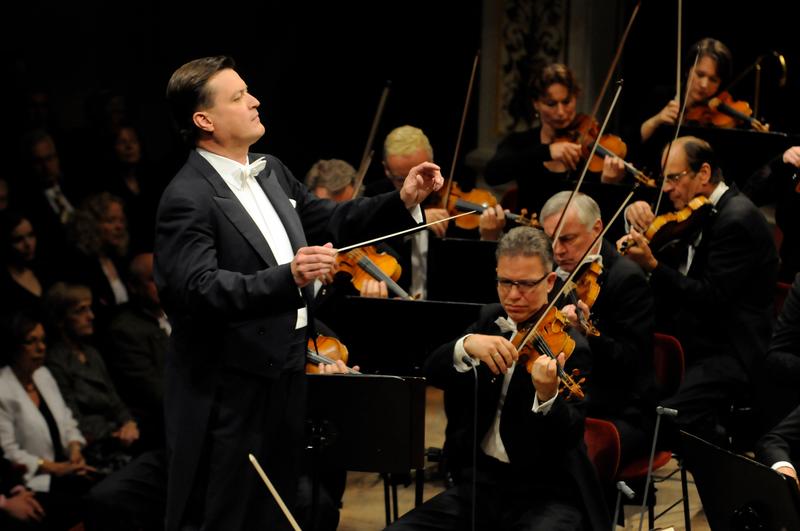
In program interviews, director Marcin Łakomicki and conductor Markus Stenz suggest that Holländer is really about sexism in modern society and a reinforcement of gender roles. A modern European man educated in what passes for the humanities today might think so. But the deeper contexts are ignored.

A seeming joke about two movies, Barbie and Oppenheimer, is actually pointing to a renewal of American cinema that may be on the horizon.
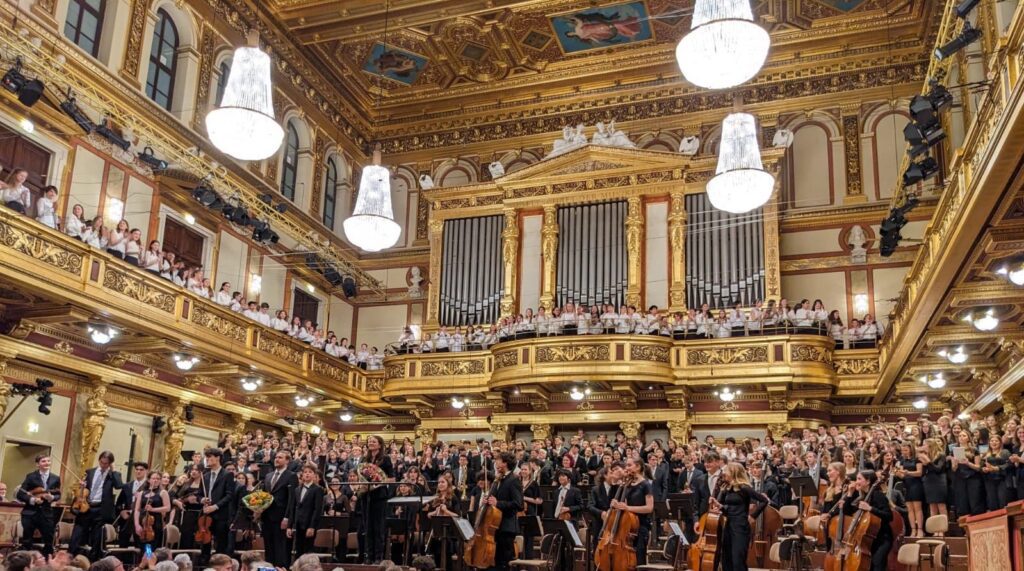
On opening night, Cecilia Bartoli was awarded Austria’s highest operatic honor, the title of Kammersängerin by the Austrian government.
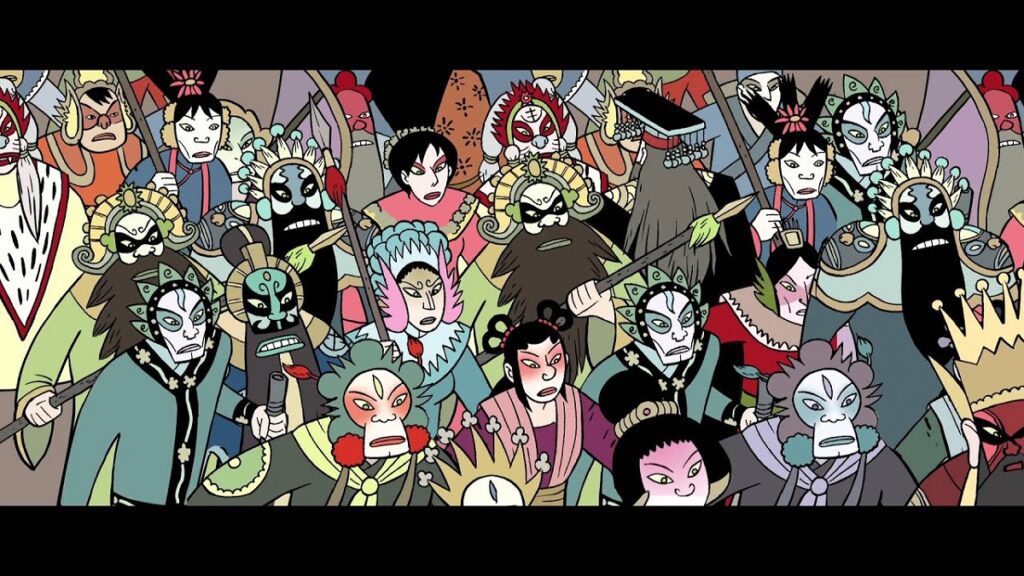
Much discussion of Yang’s work has focused on the ways that he expertly depicts the interplay (and clash) between East and West within the context of deeply human stories. However, far less ink has been spilled over the role that Christianity has in this interplay.
One quibble with Eisenberg’s approach is that, in giving a vivid and political reading of the teachings of these philosophers, he occasionally simplifies them, perhaps out of prosecutorial zeal.
Paathan presents a challenge to any nationalism that supports a bureaucratic and utilitarian approach. Instead, it shows that community and human dignity are compelling reasons to preserve nations against multinational bids for global hegemony.
Six centuries of printmaking offered visitors a visual display of the genre in all of its splendor. Christof Metzger, the Albertina’s curator, created an exemplary exhibition.
Within the classical realm, the range and virtuosity of composition demands an equal measure of interpretation. Hannah Eisendle’s performance illustrated this with a spirited and novel direction.
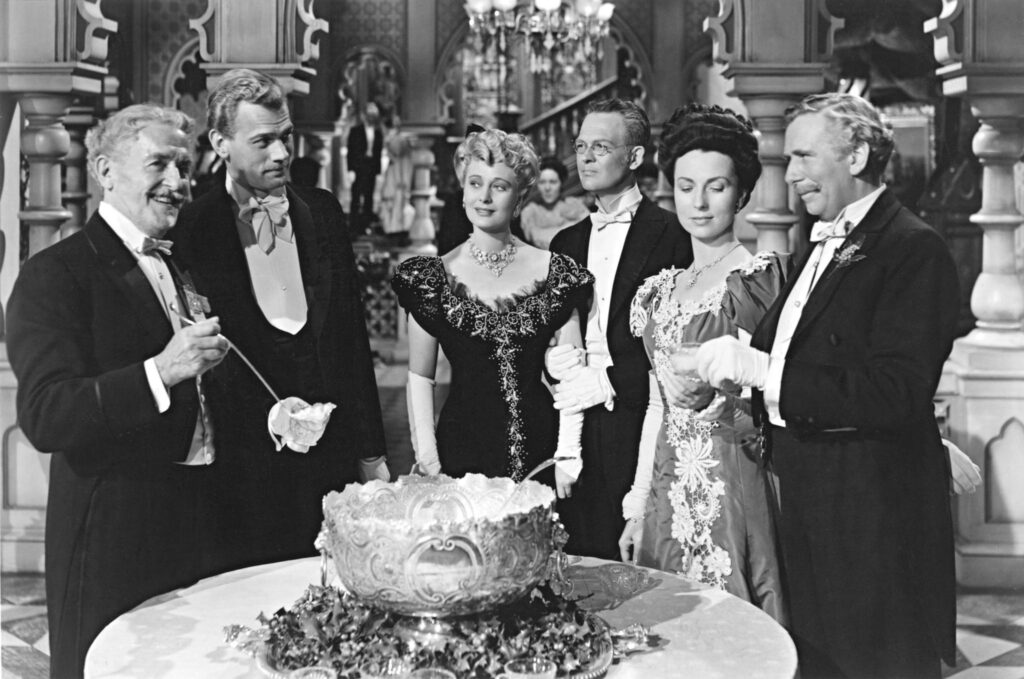
The Magnificent Ambersons engages with issues of technological and social change in modernity. But it is also a very human story, focusing on a single family, detailing the lives of its members as change rocks their way of life
In addition to being Verdi’s last work, Falstaff has also been widely considered his least characteristic composition. Its memorable scenes and lively characters have allowed it to hold the stage ever since its 1893 premiere.
The Vienna Philharmonic’s visits to New York date back to 1956—a fine example of cultural diplomacy in the Cold War world and an enduring tradition.
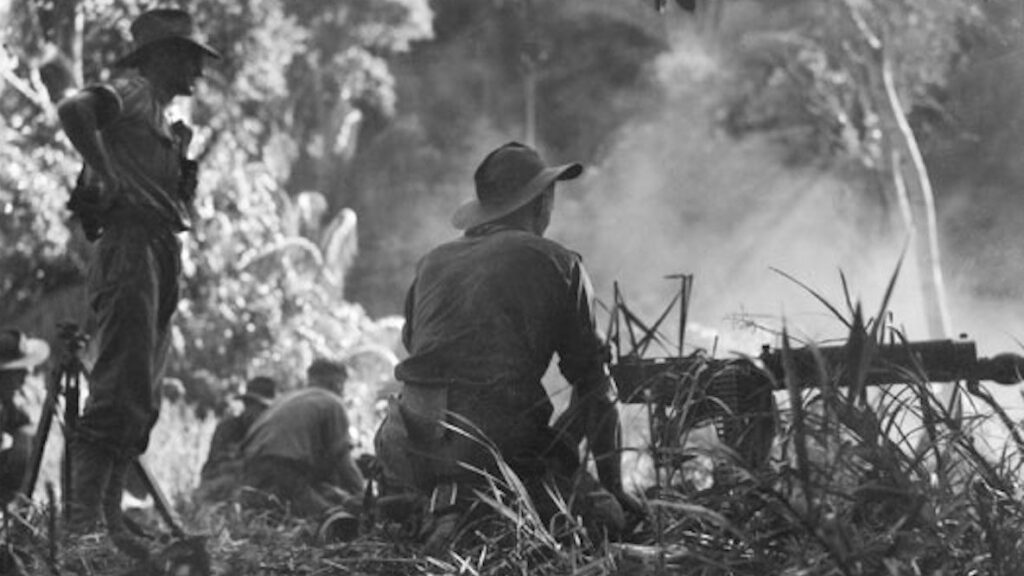
Both the novel and the memoir touch on themes that are sadly out of fashion today: the brotherhood of arms crossing ethnic and cultural divides, individual bravery in battle, and the manly quest to build empires.
MasterVoices does not appear to be planning any Gilbert and Sullivan next season, but it should consider exploring that repertoire as it moves on. Events in Britain might just demand it.
A new book by ethicist Nigel Biggar argues that post-colonial guilt has been blown out of proportion.