
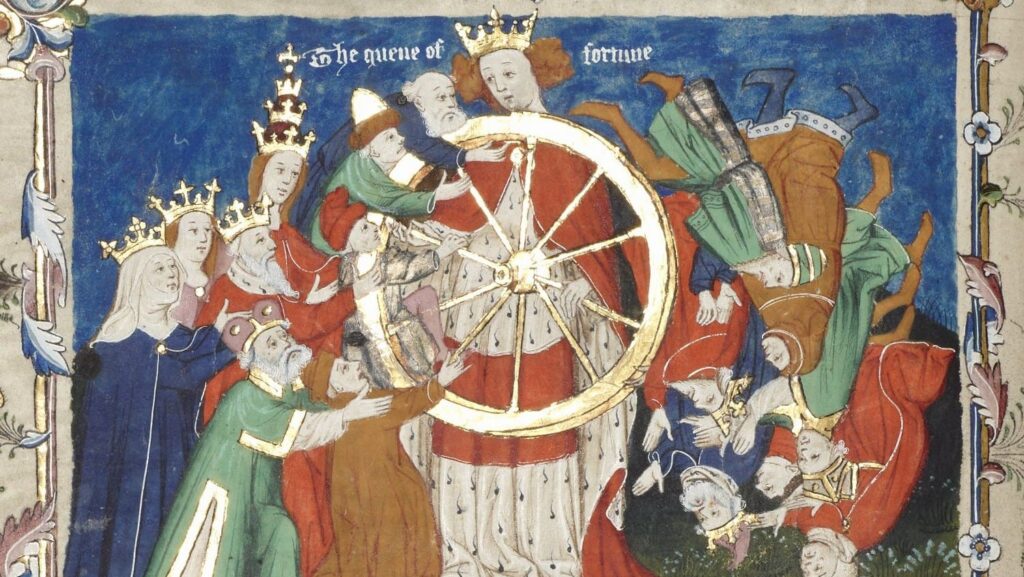
Cycles in History
The Prophets of Doom provides fascinating portraits of thinkers who starkly contradict the progressive and globalist presuppositions of our time.

The Prophets of Doom provides fascinating portraits of thinkers who starkly contradict the progressive and globalist presuppositions of our time.
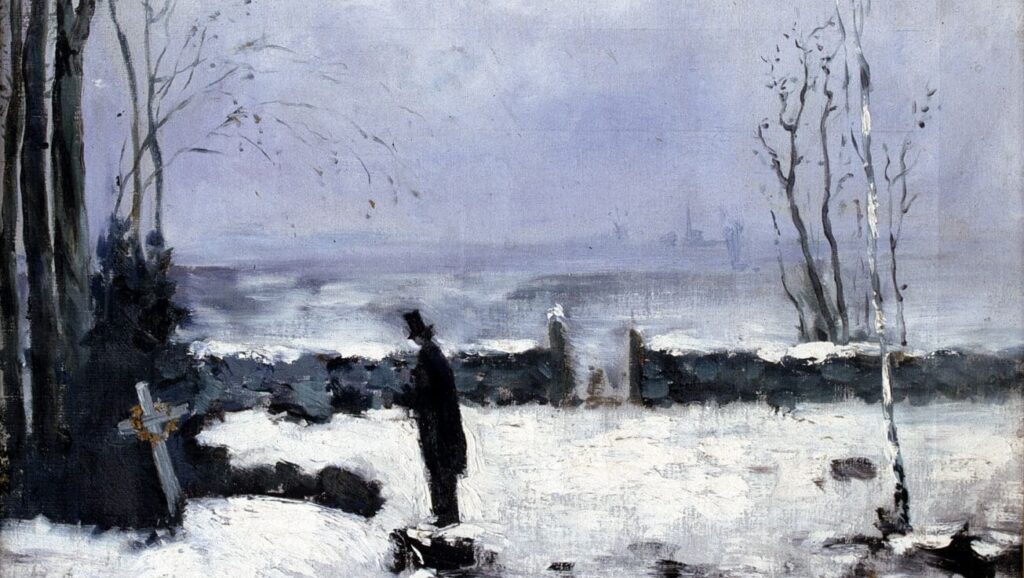
In Memory’s Abacus, Anna Lewis exposes the reader to the weightiest topics without burden.
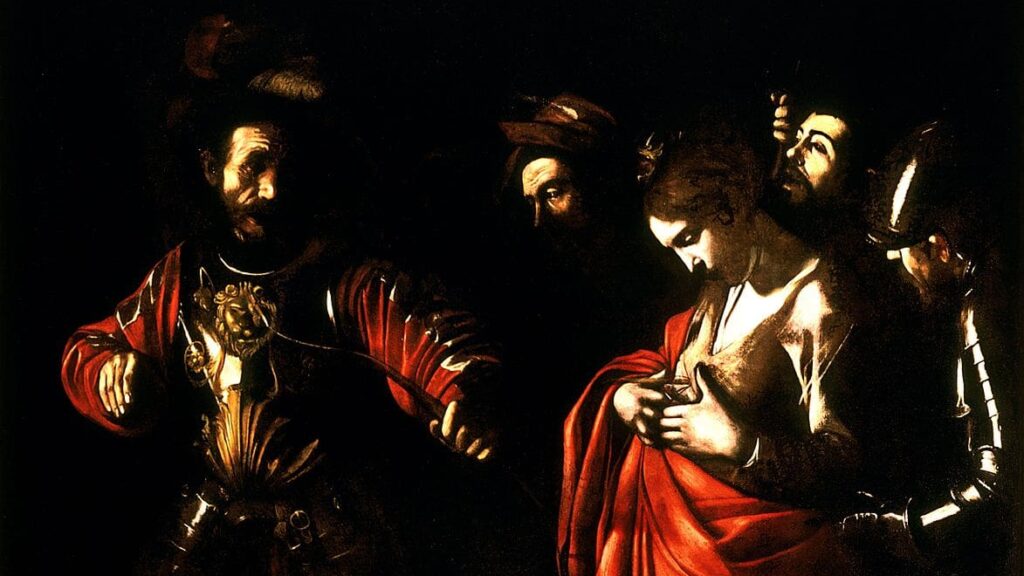
The National Gallery defies the historical relativism for which British galleries have become infamous.

In Hannah’s Children, Catherine Pakaluk argues that tinkering and technocracy won’t save the West from its demographic decline.
Jules Massenet’s opera invites dreamy fantasies of a lost and better world.

A key conclusion of Gaines’ new book is that much of the transgender movement is enabled by collective cowardice.

The gloomy production is a poor platform for superstar soprano Lise Davidsen and a generally stellar cast.
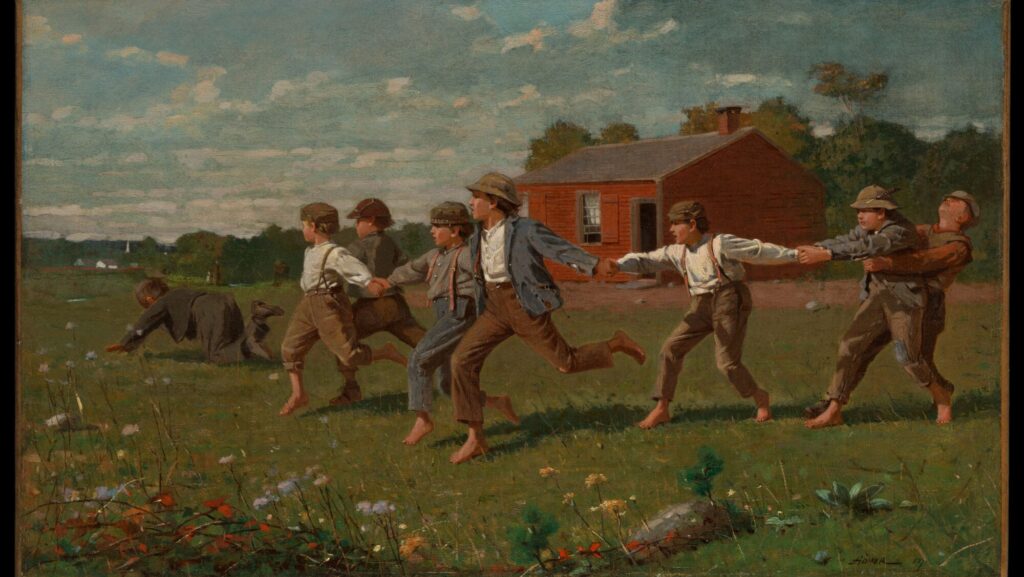
In Painting over the Growth Chart, Rattelle reminds us that the transcendent power of poetry is to preserve its subject forever.

In his debut performance of the title role, Gábor Bretz is superb in the Hungarian State Opera’s production of Mussorgsky’s enduring classic.
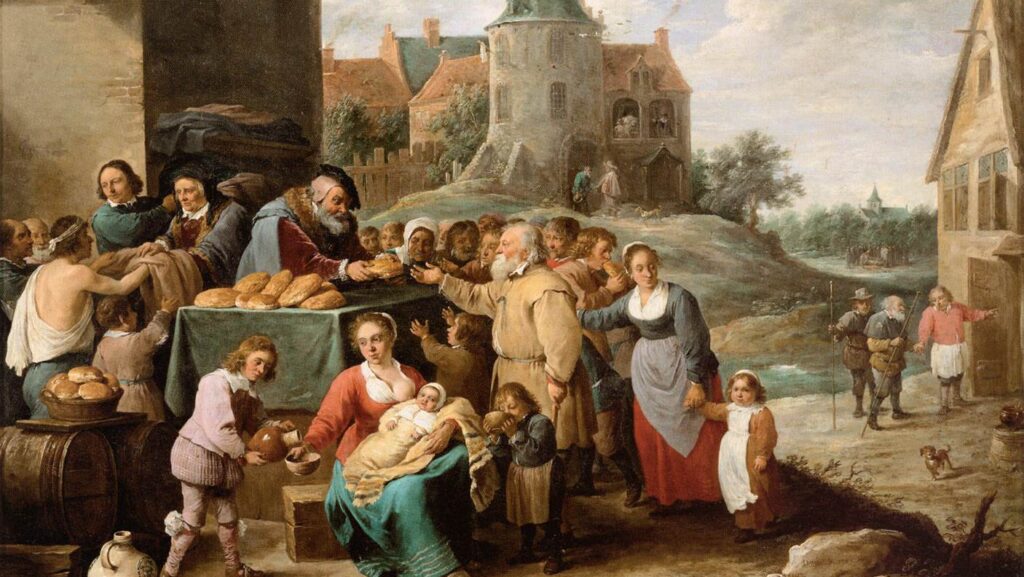
Living a life of mercy means encountering the ‘least of these’ in all of their particularity—and recognizing them in ourselves, too.

Hendrick Cremer claims that the AfD represents a resurgence of Nazi thinking. His argument is unconvincing.

Why has transgender ideology become so pervasive that it exerts a sort of mental terror—obliging people to acquiesce to a powerfully altered version of reality?
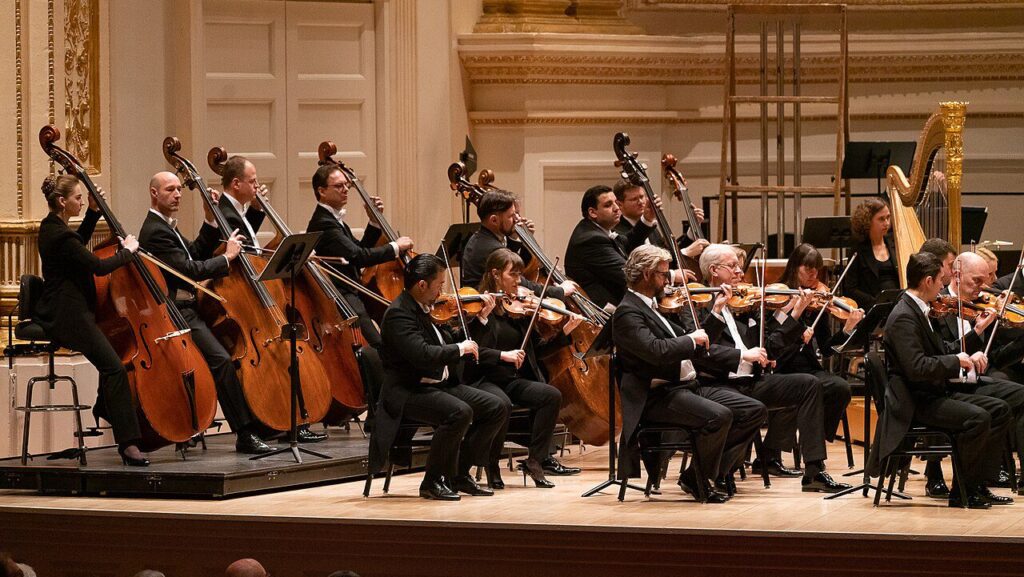
This year’s Vienna Philharmonic U.S. tour sees memorable performances of Bruckner’s and Mahler’s Ninth Symphonies.
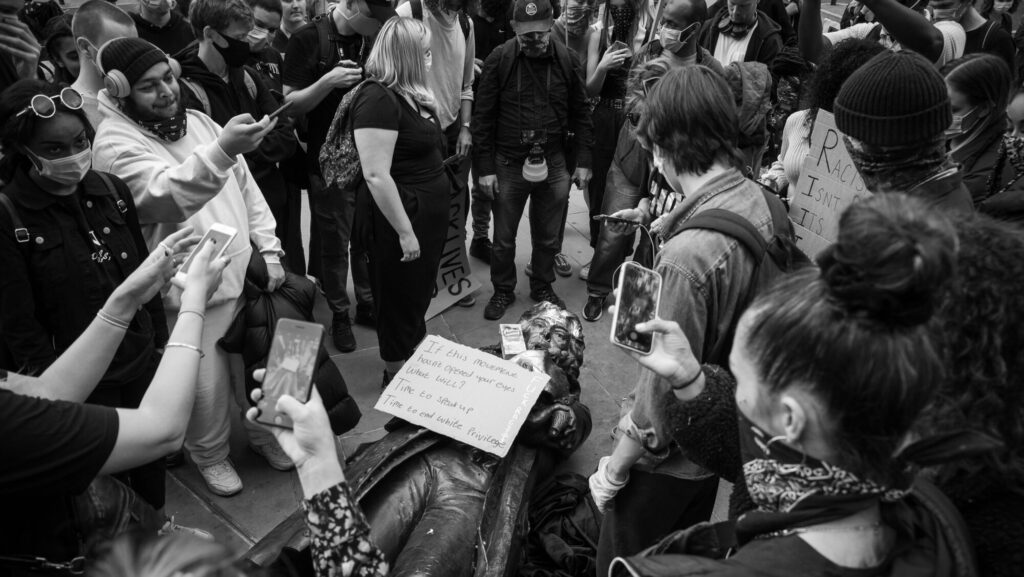
Rakib Ehsan does not deny the challenges we face, but he demonstrates that the Left’s dark view of Britain is far from warranted.
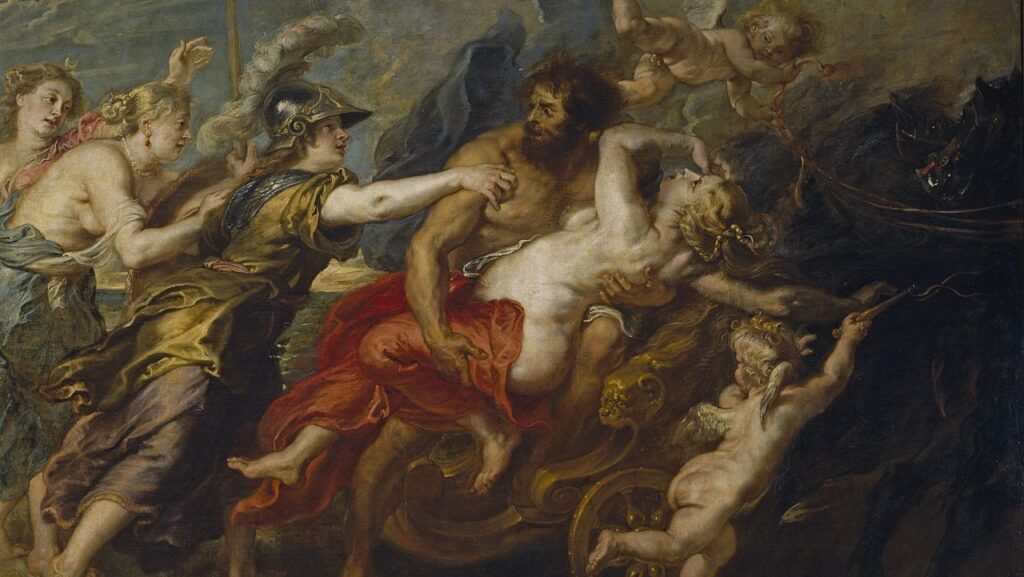
Scharl’s poetry reminds us of the vibrancy and relevance of our cultural tradition.

In Bound by Truth, Kwasniewski offers guidance on what Catholics ought to do when Church leaders depart from the common good.

In Bad Therapy, Abigail Shrier shows that far from making children healthier, therapy often causes the problems it exists to solve.

Palm Beach’s outgoing director, David Walker, will be sorely missed, but his legacy will live on, capped by this outstanding production of Hoffman set in the roaring ’20s.

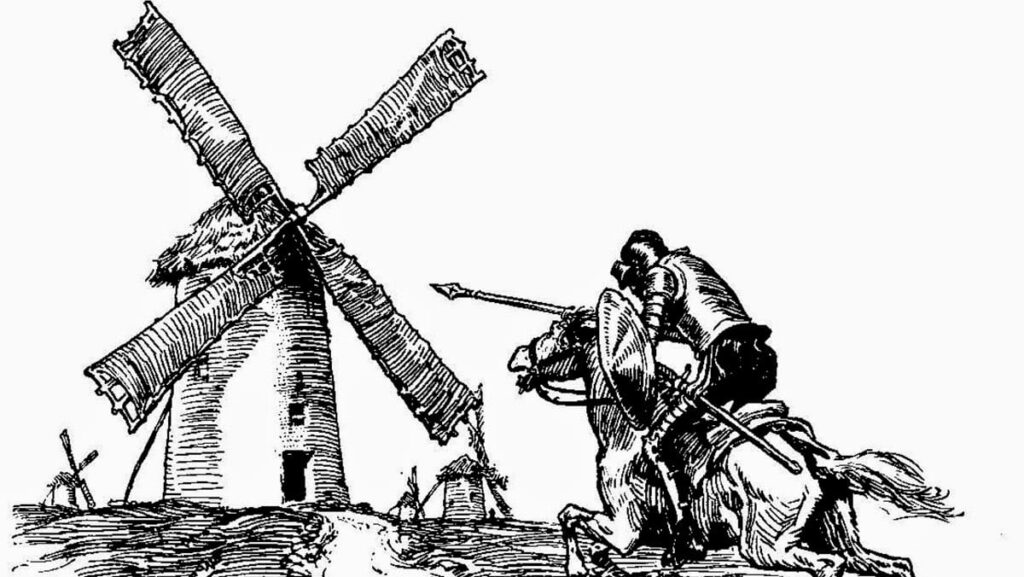
The U Rayis not perfect, but it’s bursting with adventure that has inspired one of the greatest comic writers of our time.

With such a fine musical performance, it is regrettable that the subway station is the production’s most memorable image.
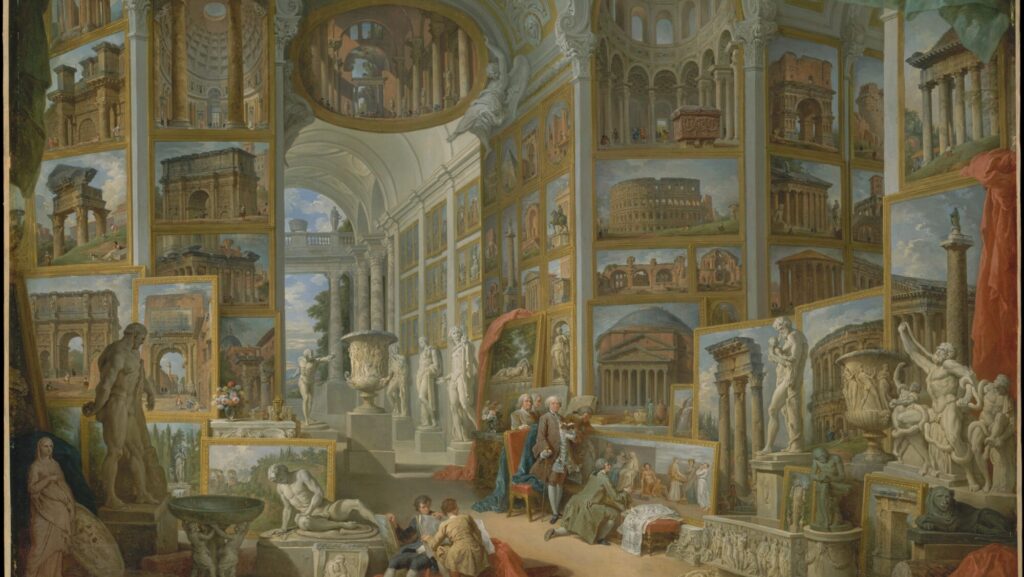
The ambition of Jones’ The Two Cities is to use the Augustinian framework to demonstrate an alternative to the misguided secular approach to history.
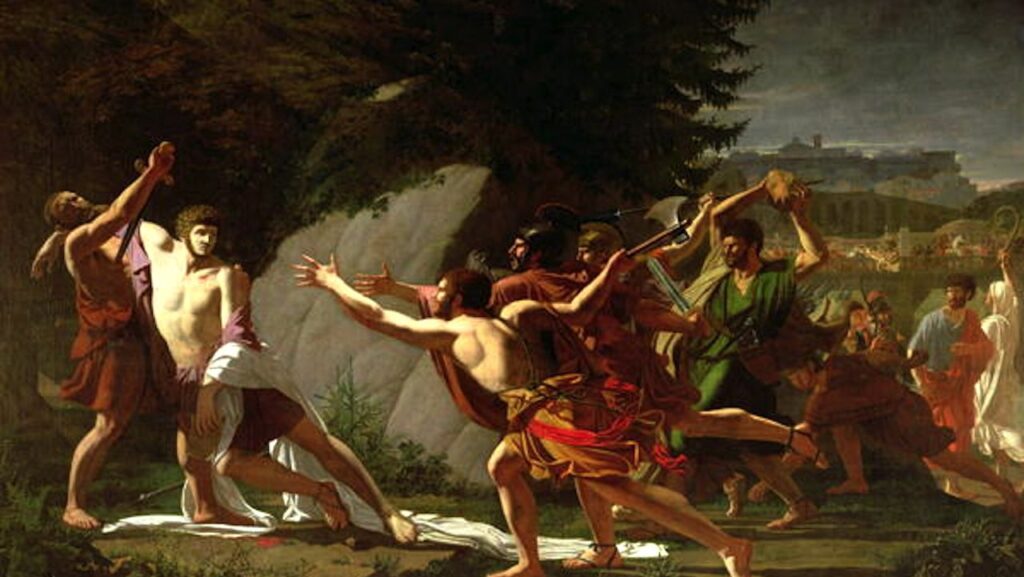
Gracchus and its conclusion represent a musical offering on the altar of our great dramatic tradition.