The war is not only claiming victims on the front line but is also ripping apart the fabric of society ever more deeply. The mobilisation is creating ever sharper conflicts between those fighting and those staying in the rear, tearing families and communities apart.
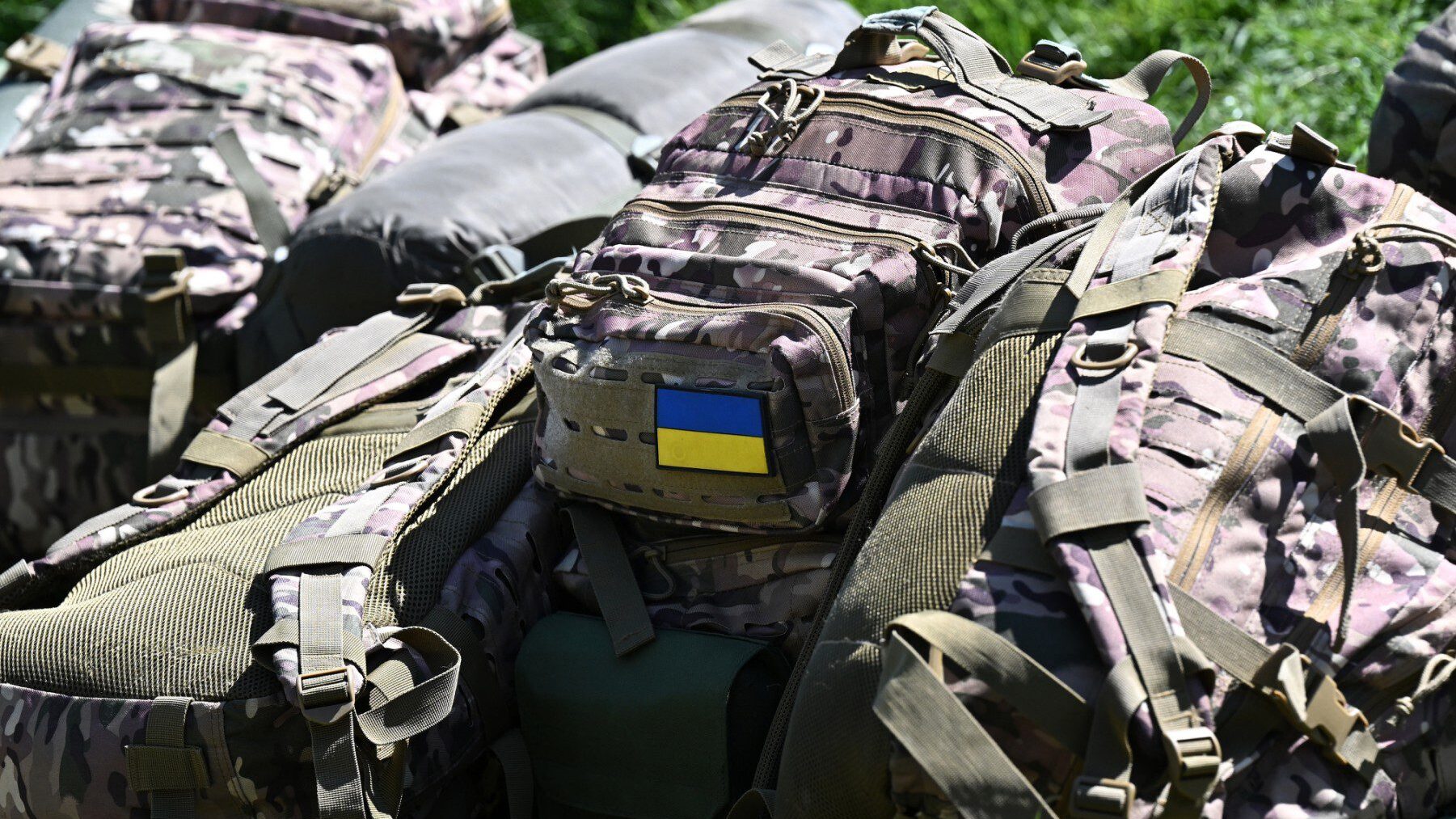
The mobilisation in Ukraine is visibly reshaping everyday life and is affecting not only the size of the army but also social relations. According to a report by the Berliner Zeitung, a silent but all the more profound conflict is unfolding between those fighting on the front and those avoiding service.
The tension is already palpable within families. The story of a soldier named Denys illustrates this well: while he volunteered for service, his wife’s uncle successfully avoided conscription. The relationship eventually deteriorated after the man asked:
“Does your husband really want the war to end, or is he ultimately profiting from it?”
The conflict escalated to the point that the soldier says the other side now refuses even personal meetings.
The mobilisation is already tearing apart everyday life
According to the Berliner Zeitung, the phenomenon goes far beyond individual stories. The tension is also appearing in the workplace, where clashes between veterans and civilians are becoming more frequent. One business manager reported:
“The veterans’ grievances can turn into provocative words, and the others react, which only makes the situation worse.”
Meanwhile, bitterness is growing among those serving on the front. One drone pilot put it this way:
“I don’t want to judge. But I often ask myself the question: Why am I here and not them?”
The lack of rotation and underfunded personnel only further increases the resentment. The question of social justice is being raised ever more sharply. Writer and soldier Stanislav Aseyev believes there is a not insignificant part of our society that prefers to sit in restaurants and cafés in Kyiv, Poltava, Lviv or other cities, without ever considering joining the army.
Meanwhile, those trying to avoid mobilisation are increasingly forced to hide. According to reports, many avoid public spaces for fear of forced conscription.
Increasingly aggressive methods
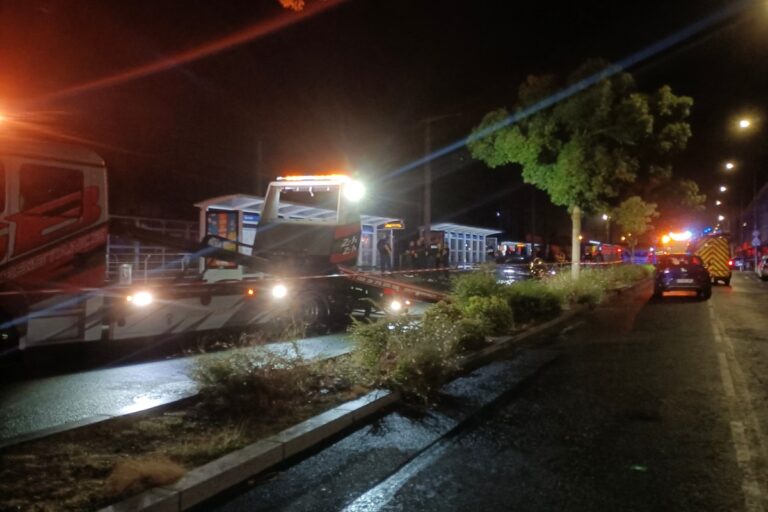
The situation is further aggravated by the increasingly harsh methods of recruitment. According to the Berliner Zeitung, new strategies have emerged: plainclothes inspectors, surprise street checks, and operations at railway stations.
Eyewitness accounts describe men being escorted directly onto buses — a practice that has given rise to the now commonly used term “bus-isation”. Videos show that those affected often resist but ultimately yield to the pressure.
The aim of these methods is clear: to reduce opportunities to escape. Plainclothes inspectors are less conspicuous, making them harder to avoid. The authorities are increasingly focusing on busy transport hubs where they are more likely to find conscription-age men.
The social divide is further deepened by differing war experiences. The older generation tends to support mobilisation, while younger people often view it as excessive or illegitimate.
Frustration is particularly strong among veterans. A psychologist at a rehabilitation centre says the question of justice torments many veterans:
“Why did I lose my health, my friends, my limbs, while others live normal lives?”
Family members also feel the pressure. One soldier’s wife said:
“I am much more aggressive on this issue than my husband. I am constantly jealous and angry.”
Experts believe that these developments could have serious long-term consequences. The fault lines forming in Ukrainian society may persist even after the war and fundamentally determine each person’s place in the community. Mobilisation is therefore not merely a military issue, but also an increasingly explosive social issue in which anger, envy and a sense of injustice are all present — and becoming ever harder to contain.