

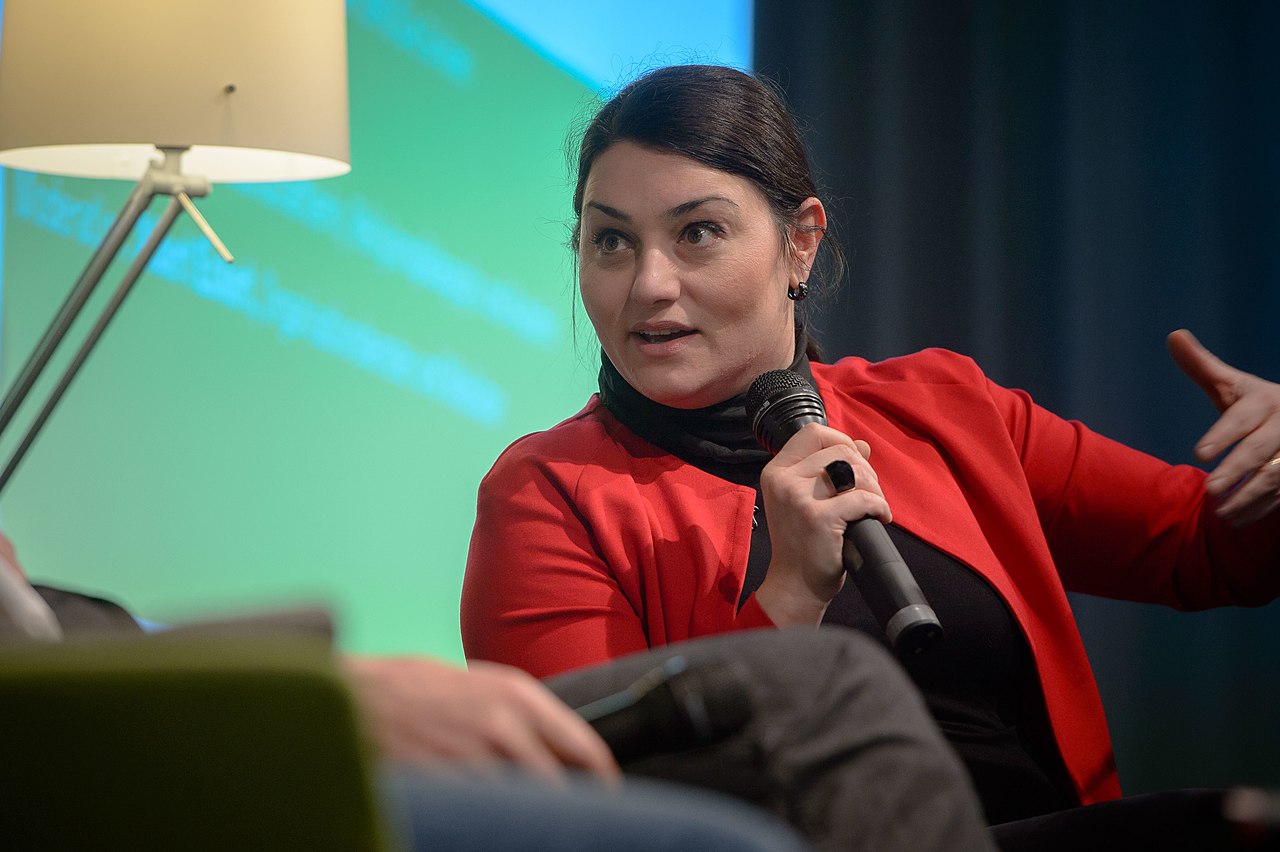
Lamya Kaddor
Germany’s Green Party has presented a 24-point plan in the Bundestag aimed at promoting a “diverse Muslim life” across the country, including in schools, prisons, hospitals, and the Bundeswehr.
The motion calls for expanded Islamic religious education, nationwide Islamic pastoral care, and the removal of headscarf bans in public institutions. The Greens argue that Muslim life is an integral part of German society and that structural discrimination and lack of recognition have historically marginalized Muslim communities.
Lamya Kaddor, the Greens’ domestic policy spokeswoman, called for stronger state support and civil society initiatives to ensure “real participation” and counter stigmatization.
Specifically, the party seeks to establish Muslim military chaplaincy on par with Protestant, Catholic, and Jewish chaplaincies, with an annual cost of several million euros. They also propose a nationwide Islamic religious education program, enhanced support for Muslim welfare organizations, and protection measures at mosques.
The Green Party’s push for expanding structural recognition of minority groups has sparked controversy across Germany. One year after the provocative Self-Determination Act—championed by Green Party leaders Annalena Baerbock and Robert Habeck—came into effect, reports emerged of abuses by criminals. Some male prisoners, including convicted rapists, requested transfers to women’s prisons—demonstrating just how far liberal policies have strayed from real world concerns.


.jpg)