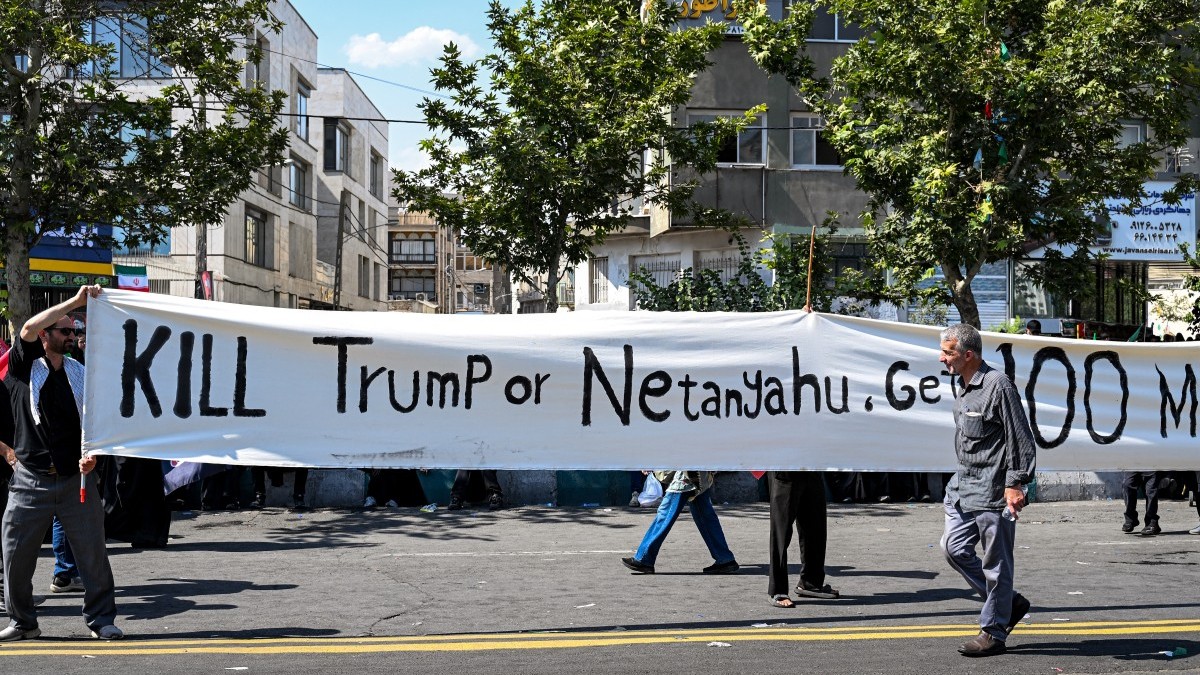
Pro-regime Iranians took to the streets of Tehran on Monday, July 6th in a funeral procession for head of state Ayatollah Ali Khamenei.
Khamenei was killed on the first day of U.S. and Israeli airstrikes but only with the suspension of hostilities have the logistics of organising the event become feasible.
Iranian state TV showed Khamenei’s coffin—draped in a national flag—being transported by truck along a 10km route, including the capital’s famous Enghelab Square. Many thousands gathered to watch, although others clearly boycotted the event. His body, with those of family members killed in the same attack, will lay in state for two days at Tehran’s Grand Mosalla mosque.
To date the official commemoration has been heavy on nationalist and religious messages of resistance and revenge. However, a notable absentee from the proceedings is Khamenei’s son and successor, Mojtaba Khamenei. Iran’s third supreme leader since 1979 has not been seen in public since March 2026, prompting rumours about his health following U.S.-Israeli airstrikes at the start of the war. Regime sources are treating this disappearance from public life as a security precaution, yet it nevertheless contributes to the sense that the Islamic Republic is struggling to recover from the recent war—claims to a moral victory notwithstanding.