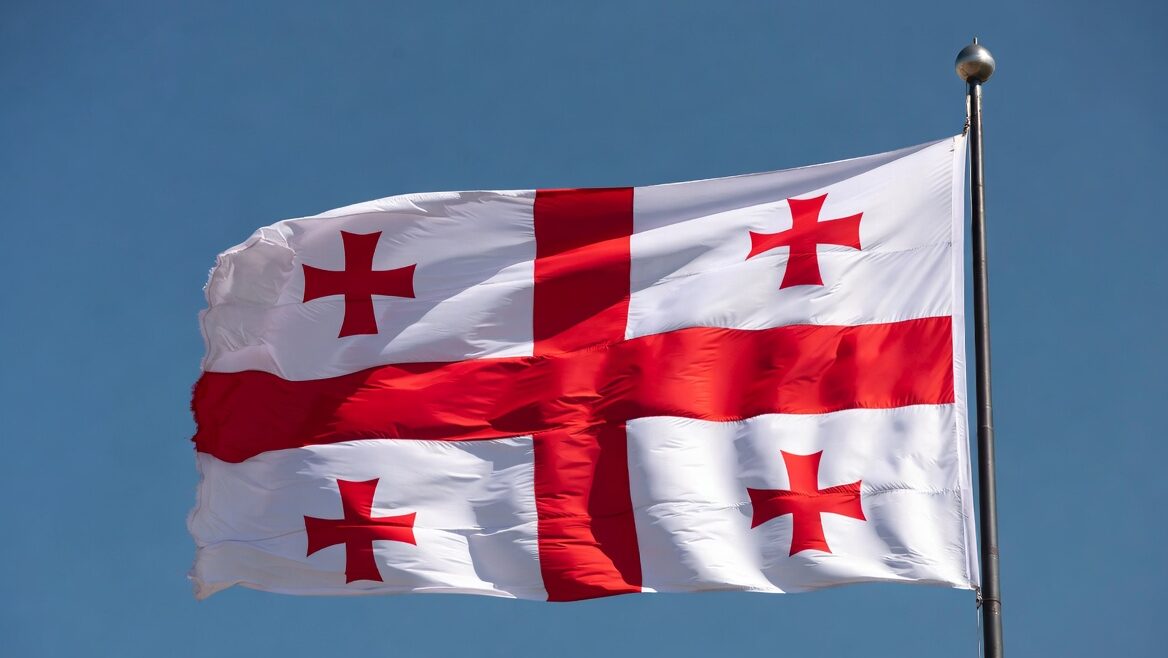
Flag of Georgia
Grok
Georgia is investigating recent blackouts as potential acts of sabotage.
The State Security Service (SSG) was responding to the sudden collapse of the energy system over the weekend of July 25 26. The blackouts affected the capital Tbilisi and several other cities.
Tbilisi’s Metro and water supply were temporarily disrupted. Reports indicate several underground trains stopped inside tunnels, prompting the evacuation of Metro passengers.
By Saturday morning, the SSG announced it was considering the possibility that the power outages may have been caused by deliberate sabotage “in order to create a threat to the national interests of Georgia.”
Parliamentary speaker Shalva Papuashvili backed the investigations as necessary, describing the double failure of the energy system as an “unusual event.” The National Energy and Water Supply Regulatory Commission of Georgia is currently running a separate investigation to determine the nationwide blackout’s exact causes.
A frustrated public’s scepticism means that incompetence and decrepit infrastructure now provide other popular explanations of what went wrong. While claims of sabotage could apply to the first national incident, regional power supplier Telasi later explained Saturday morning’s power outage as the result of a “planned preventive work.”
Energy blackouts are a growing concern across Europe, with UK health regulator the Care Quality Commission training its staff to prepare their crisis management response to unexpected breaks in the power supply. Confirmed sabotage to the electricity grid by left-wing and environmentalist extremists has become a major problem in Germany.