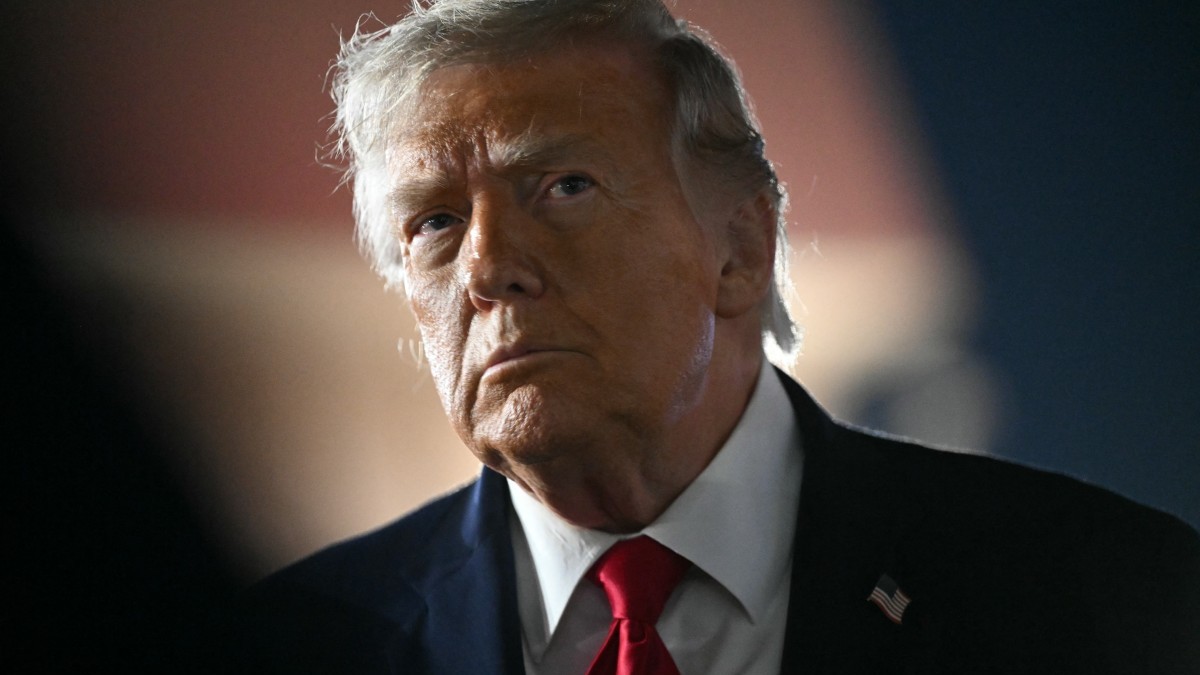
U.S. president Donald Trump speaks to the press before boarding Air Force One in New York, on June 9, 2026.
SAUL LOEB / AFP
A U.S. army helicopter was downed near Oman’s coast, prompting President Donald Trump to order fresh strikes on Iran. By Tuesday, June 9th the crew of the AH-64 Apache gunship had been rescued using a marine drone, with punitive U.S. strikes on Iran starting at around 11pm CET.
Without mentioning April’s ceasefire, White House officials briefed journalists that U.S. Central Command was targeting radar and air defence facilities along the Strait of Hormuz.
Iranian retaliation began on Wednesday, June 10th, targeting American facilities in Bahrain, Jordan, and Kuwait, using a combination of long-range missiles and UAVs. Each of these under-fire Gulf Cooperation Council members claimed to have successfully deployed air-defense systems, preventing serious harm.
Trump took to Truth Social to blame Iran for the crash—which Washington could not allow to go unanswered—but an unnamed U.S. official briefed AP that the helicopter collided with an Iranian UAV, but it remains unclear whether the collision was intentional.
While the ceasefire is clearly under strain, Trump is publicly optimistic about a regional peace deal being secured.