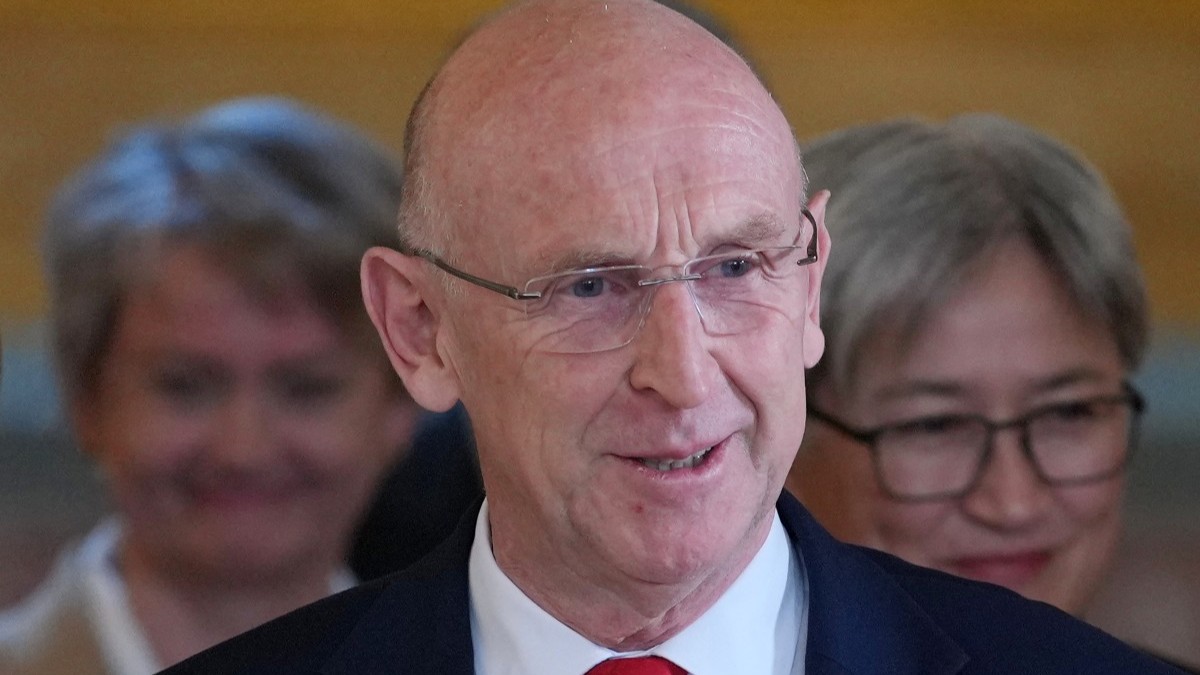
Britain’s Defence Secretary John Healey in London on June 10, 2026
KIN CHEUNG / POOL / AFP
Britain’s Defence Secretary spectacularly quit his cabinet position on Thursday, June 11th. The move by John Healey adds to the existing pressure on unpopular Prime Minister Keir Starmer.
The official basis for the departure is the long-awaited and newly published Defence Investment Plan (DIP), which Healey claimed in his resignation letter leaves him ‘no other option’ but to exit:
After explaining to you that I would not be able to accept a DIP settlement that does not give our Forces the resources they need, I am now left with no other option than to submit my resignation as your Defence Secretary.
In the background to the decision is the perceived increased threat from Russia and pressure from U.S. president Donald Trump for NATO members to pay their own way. Whereas countries such as The Netherlands appear to have committed to defence investment in a timely manner, Healey has criticised the UK’s long-term commitment to spending just 3.5% of GDP in this way by 2035. Much of the immediate spend, it is claimed, won’t be sufficient to repair and maintain existing naval and other military hardware. Healey argues that the UK
Treasury has been unwilling to commit the resources that the nation needs to defend the country at this time of rising threats.
Estimates suggest that a minimum spend of £18 billion (€20.1 billion) is needed now, just to stand still. Chancellor Rachel Reeves’ treasury offered just £13 billion (€15 billion). In February, Britain’s military chiefs warned that defence plans are becoming unworkable amid a £28 billion (€32.4 billion) funding shortfall—yet Reeves refused to reopen spending talks, despite mounting concerns over readiness.
Controversially, the final version of the DIP remains unpublished. House of Commons speaker Lindsay Hoyle, called it “an utter disgrace and an utter kick in the face” to MPs if the document comes out, as rumoured, on Friday, June 12th—when parliament is not sitting and elected representatives are away on constituency duties.