UPDATE: In a “landmark deal,” the Kingdom of Saudi Arabia (KSA) was to be permitted to develop a civilian nuclear programme—built around access to U.S. expertise. However, one day on from the idea first being publicized, U.S. president Donald Trump declared on Truth Social that it was conditional on Riyadh recognizing the State of Israel and its right to exist:
The Civil Nuclear Deal (There will be no enrichment of material!) being made between the United States Department of Energy and Saudi Arabia, which pertains only to non-military use such as the ones that Iran and UAE (and others) already have, will be approved, but is totally subject to Saudi Arabia joining the very respected and successful Abraham Accords.The United States is not opposed to Civil (Non-Enriched) Nuclear Facilities.
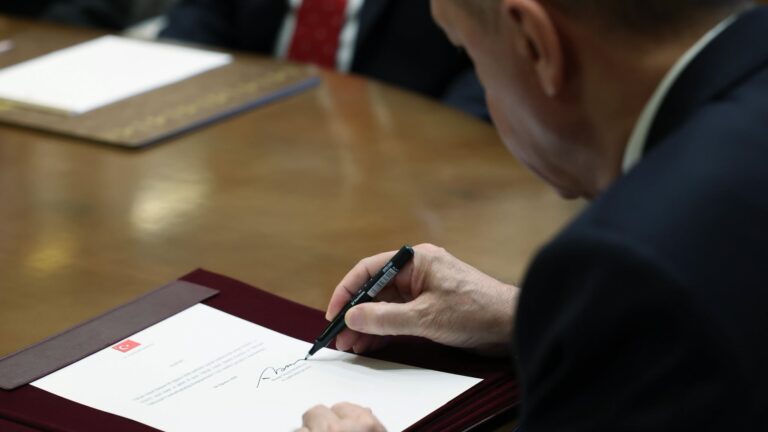
Initially, the secretive agreement, announced on Wednesday, July 22nd, was welcomed by Washington’s Department of Energy as a “peaceful nuclear co-operation agreement” providing
great access for American companies in the Saudi nuclear energy program.
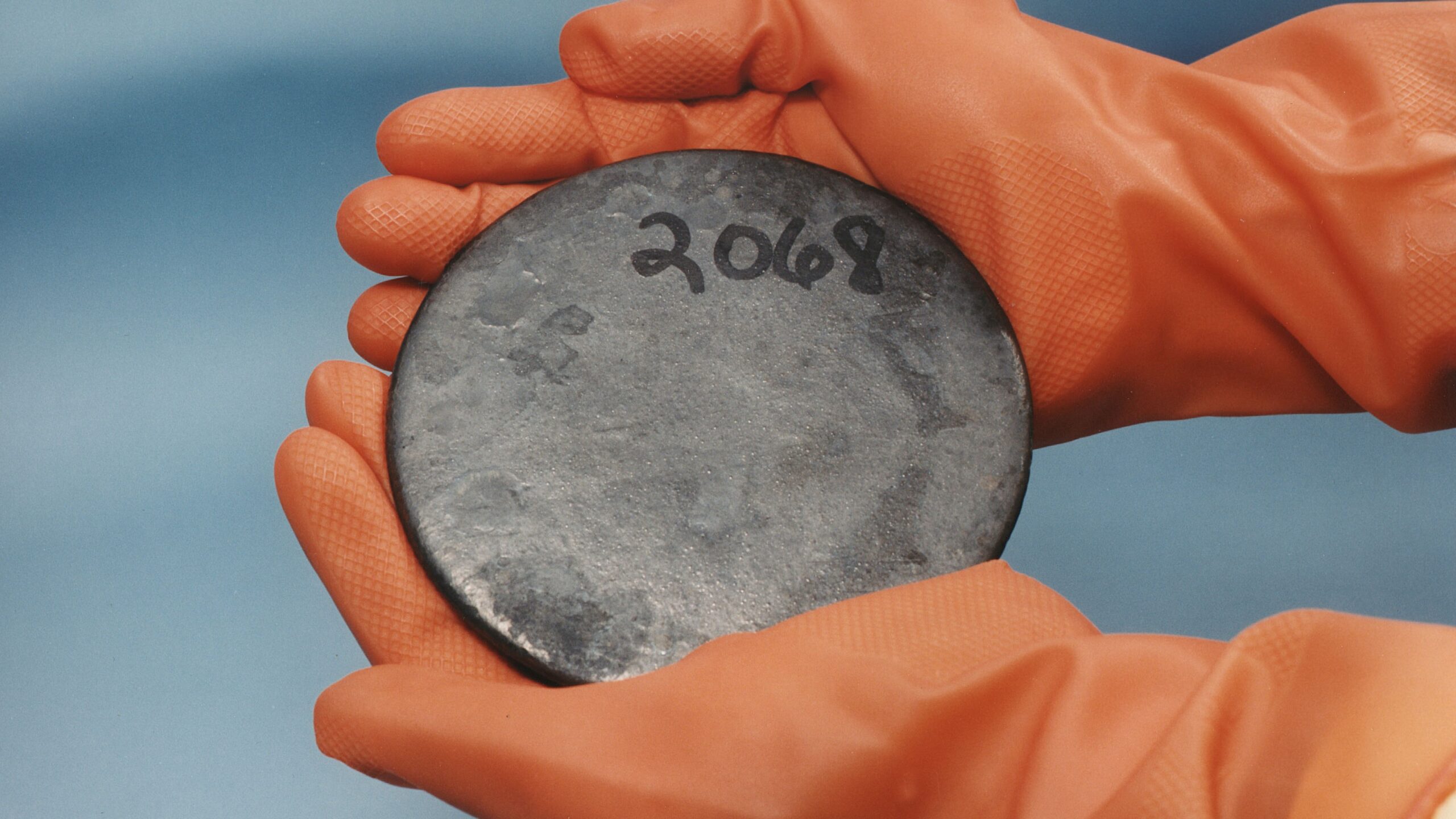
Now looking inaccurate, early reports indicated that the KSA could have been allowed to enrich uranium on its own territory—producing fuel at a U.S.-built enrichment facility—instead of relying on imports.
Critics note that if the Saudis could enrich uranium to fuel power plants, they could make nuclear bombs. Initial reports of the current deal contrasted with a previous more restrictive one between the U.S. and the United Arab Emirates negotiated by the Obama administration, which emphasised nuclear non-proliferation.
U.S. Secretary of Energy Chris Wright stated
Rest assured, these agreements uphold the highest standards of nuclear safety and nonproliferation, while relying on the world’s best nuclear technology and scientists, designed right here in the United States.
The agreement will now be submitted to Congress for review, against the backdrop of growing regional hostilities—ramped up by Yemen’s Houthi movement formally restarting its war with Saudi Arabia.