


Volodymyr Zelensky meets Ursula von der Leyen (again).
European Commission President Ursula von der Leyen has once again increased her own salary, along with those of fellow Brussels bureaucrats, despite growing financial pressures across the Union.
Retroactive to July 1st, European Union officials and commissioners will receive an additional 3% pay rise, marking the eighth increase since the beginning of 2022. Brussels staff now earn up to €26,000 per month, while Von der Leyen’s monthly basic pay rises by roughly €1,000 to a retroactive €35,800.
The 26 commissioners will receive €850 more, now reaching €29,250, on top of generous tax-free allowances.
At the end of 2024, there had already been a retroactive raise of 7.3%, followed by another 1.2% at the beginning of 2025. Altogether, salaries have risen by 22.8% since 2022. Without bonuses, the lowest base salary now stands at €3,754—€110 more than before. The maximum salary for an EU official rises by roughly €760 to a retroactive €25,986.
Even retired EU officials benefit from these increases. The 30,500 former staff members were originally entitled to 70% of their last salary, but successive pay hikes continue to raise the amount. Annual expenditure for salaries and allowances now amounts to €2.4 billion, and according to Commission calculations, it is expected to surpass €3 billion.
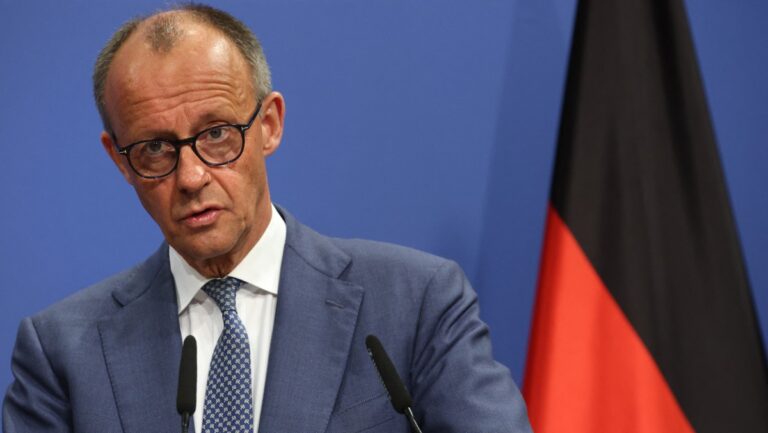
Von der Leyen’s pattern of raising salaries has continued twice a year since 2022. In comparison, current German chancellor Friedrich Merz (CDU) earns €30,200 per month. Together with the parliamentary allowance of €10,600 and additional surcharges amounting to €21,000, incumbent Merz receives just under €62,000 per month.
This continual pattern of salary hikes comes at a time when the EU is scrambling to fund aid for Ukraine. Following the suspension of U.S. support, Brussels has promised to cover Kyiv’s needs for 2026 and 2027. While Von der Leyen frames this support as a moral duty, European families are facing rising energy prices, inflation, and industrial decline.


.jpg)