Milorad Dodik
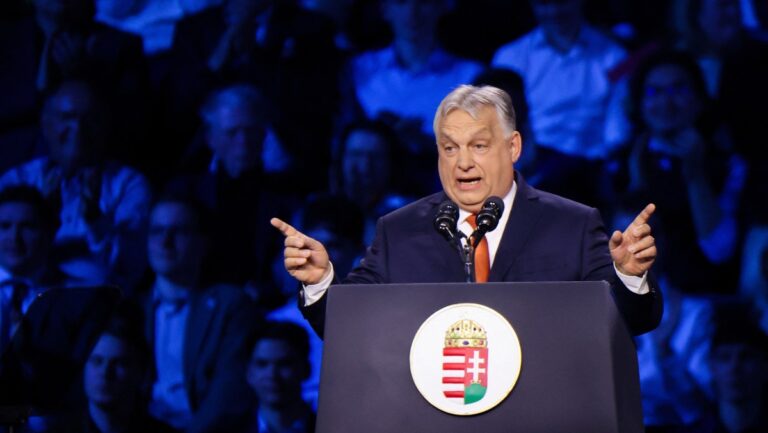
Kremlin.ru, CC BY 4.0, via Wikimedia Commons
The Central Election Commission of Bosnia and Herzegovina (BiH) has called early presidential elections in Republika Srpska—the Serb-majority political entity within BiH—for November 23rd, following the removal of longtime leader Milorad Dodik from office.
“At today’s meeting, the Central Election Commission of Bosnia and Herzegovina has decided to call and hold early presidential elections in Republika Srpska. The vote will be held on Sunday, November 23 of this year,” the commission said in a statement.
The move follows a series of legal rulings against Dodik. Earlier this month, Bosnia’s electoral commission confirmed that the Republika Srpska president had been formally stripped of his post after receiving a one-year jail sentence and a six-year ban from public office. The 66-year-old, who has led Republika Srpska since 2006, was convicted of flouting the rulings of Bosnia’s international envoy, who oversees implementation of the Dayton peace accords that ended the 1990s war.
Dodik has rejected the court’s decision, calling the verdict a “political” trial and a “blow” to the Serb entity “orchestrated by the European Union.” In 2023, he was prosecuted for passing two laws that banned the enforcement of rulings by the international high representative and Bosnia’s constitutional court within Republika Srpska. He continues to denounce the authority of High Representative Christian Schmidt, describing him as “illegal” because his appointment was not approved by the UN Security Council.
The political crisis has deepened with the resignation of Republika Srpska Prime Minister Radovan Višković, who stepped down after nearly seven years in office, leaving Dodik to call for a “national unity government.” Despite being barred from public office, Dodik has vowed to resist central institutions and said he will stage referendums. One, planned for September, will ask citizens if he should remain in office; another, in October, will test confidence in Republika Srpska’s leadership. He has also warned of a potential independence vote if more autonomy is not restored.
International observers have urged calm and support for the electoral process. The OSCE Mission to Bosnia and Herzegovina welcomed the decision to hold early elections, stressing that “upholding the constitutional order and the rule of law is non-negotiable.” It described legally grounded elections as vital for stability, democratic governance, and the interests of Republika Srpska’s citizens, while warning that any attempts to obstruct the process pose “a significant risk to the country’s stability.”