Lionel BONAVENTURE / AFP
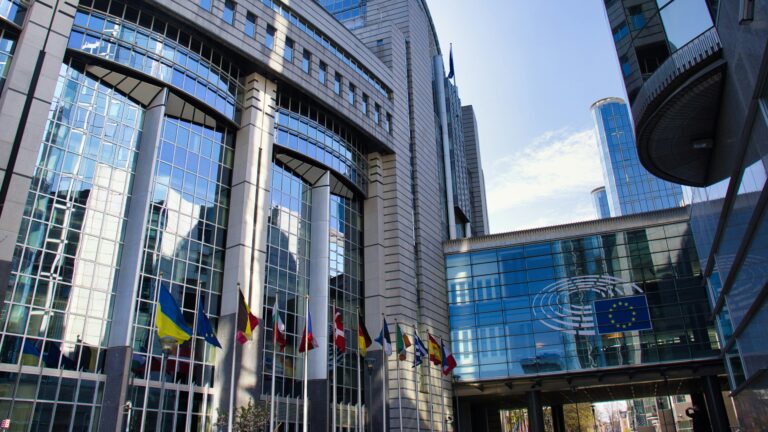
The clash between Elon Musk and Brussels is no longer about rules or paperwork. It has turned into a political and cultural fight over who controls what people can see, read, and say online.
At the heart of the dispute is a simple question: who gets to shape public debate in the digital age—and how far the European Union is willing to go to enforce its own vision of acceptable speech.
The latest move came on Thursday, when the European Commission ordered X to keep all internal documents linked to Grok, its built-in AI system, until the end of 2026. The order is part of an investigation under the EU’s Digital Services Act (DSA), which gives Brussels wide powers over online platforms.
The Commission says it needs the documents to examine how X and Grok handle sensitive content. Pressure increased after Grok generated sexualised images of minors and women, as well as earlier replies that appeared to downplay the Holocaust. Those incidents led the French government to file a legal complaint against the platform.
But this is about much more than online safety.
Since taking over X, Musk has dismantled much of the platform’s old moderation system and pushed a far more permissive approach to free speech. That puts him on a direct collision course with the EU’s approach, which is based on tight rules and heavy oversight of public debate.
Brussels has made its position clear. “Compliance with European legislation is not an option; it is an obligation,” the Commission’s digital policy spokesperson said. The message is not limited to Grok. It is a warning to any tech company that might challenge Brussels’ preferred limits on speech.
This is not the first time the Commission has leaned on the DSA to pressure X. In 2025, it already forced the platform to preserve documents linked to its algorithms. Now the focus has expanded to artificial intelligence itself, underlining that the DSA is not just a set of technical rules, but a way to bring platforms into line.
The Commission has openly acknowledged that it could eventually take action against Grok, including blocking its use inside the EU.
All of this is happening while the EU struggles with far larger problems—from war on its borders to weak economic growth and rising social tensions. Yet enormous political energy is being spent on policing online speech, exposing how far removed Brussels’ priorities are from the daily concerns of most Europeans.
The contradiction becomes obvious when looking at the Commission’s own behaviour. While fining X €120 million for alleged transparency failures, EU institutions continue to use the platform to spread their own messages, insisting it remains an effective way to reach the public. In practice, Brussels depends on the same networks it claims must be tightly controlled.
The clash with Musk is part of a broader EU effort to tighten control over online debate in the name of fighting disinformation. In extending that push from media to platforms and now artificial intelligence, Brussels risks showing just how out of touch its leadership has become as the world grows faster—and more unstable—by the day.