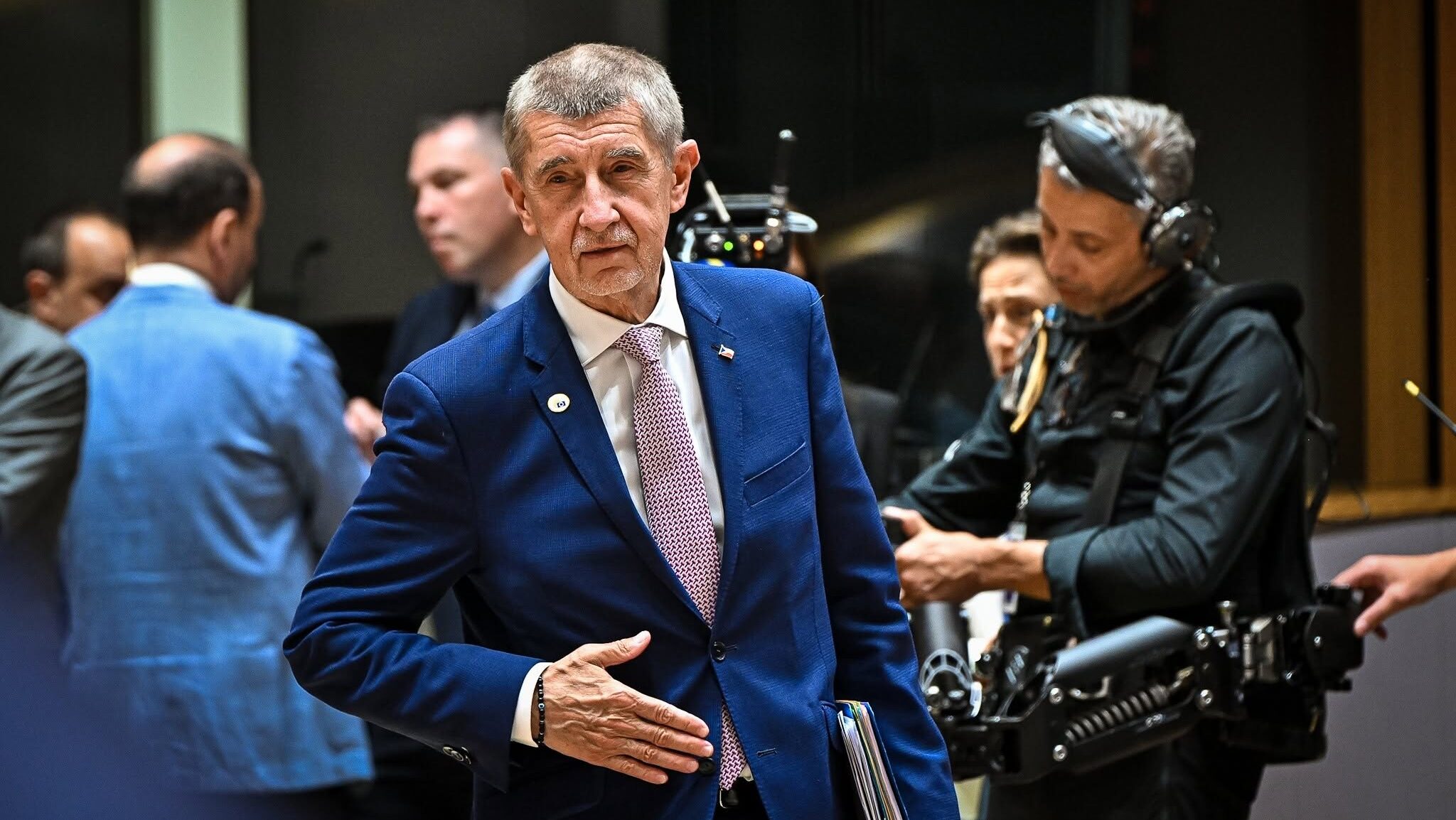
The government of Czech prime minister Andrej Babiš has revoked the previous government’s approval for the ratification of the Council of Europe’s (CoE) Istanbul Convention, effectively ending the process that began ten years ago when the Czech Republic first signed the document.
Babiš’s sovereigntist government indicated that it doesn’t plan to implement the Convention on combating gender-based violence not only because it is redundant—Czechia has enough laws against discrimination, violence, and domestic abuse—but because it fundamentally stems from harmful identity politics pitting men against women and would introduce gender ideology into national legislation.
“The Istanbul Convention’s explicit definition of gender as separate from biological sex undermines the genuine protection of women and prioritizes ideology over facts,” Ladislav Ilčić, a former Croatian MEP, explained back in 2023, when the European Parliament and Council voted to adopt the Convention at the EU level in a bid to make it mandatory for all member states, undermining democratic decisions and, in some cases, even constitutions.
The Czech Republic signed the Convention back in 2016 but didn’t start the ratification process until the previous government of Petr Fiala approved it in 2023, only for the Czech Senate to block it once more. Now, Babiš has formally revoked the approval, joining the few other CoE members that firmly decided against implementation.
At the same time, Czechia passed a new resolution stating that it will protect not only women but all victims of domestic violence equally but will not change the definition of marriage or gender identities in national law.
In the European Union, only Czechia, Slovakia, Hungary, Bulgaria, and Lithuania didn’t ratify the Convention, although all of them belong to the 45 signatories. Last year, Latvia became the first EU country whose parliament formally decided to quit the Istanbul Convention, but the country’s president refused to sign the law in order not to send “a contradictory message to international allies,” and the country remained a member.