Henry NICHOLLS / AFP
Spanish officials said at least 72 people had died during the unprecedented migrant influx into Spain’s North African enclave of Ceuta, after an estimated 60,000 people entered the territory in a matter of days. Latest reports suggest most have since returned to Morocco, although hundreds—including unaccompanied minors—are believed to remain in the enclave.
“The latest figure that we have is 72,” the Spanish government’s representative in Ceuta, Miguel Ángel Pérez Triano, told reporters. Moroccan authorities have put the number of deaths at 11.
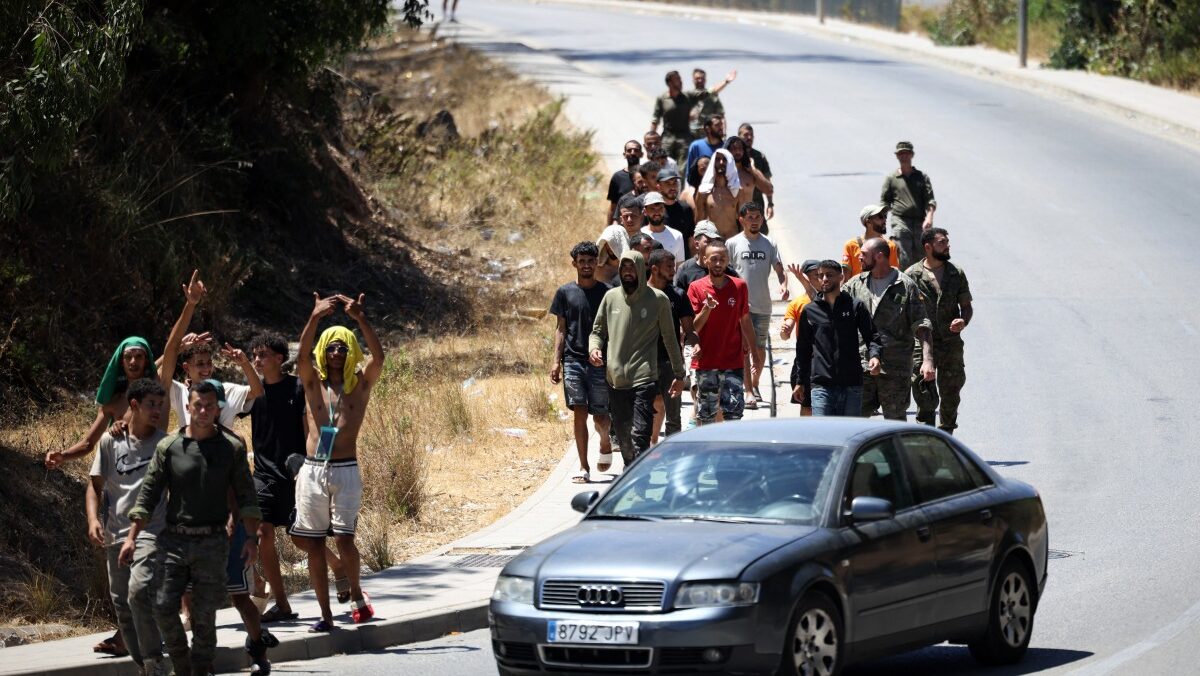
Prime Minister Pedro Sánchez’s socialist government said public order had largely been restored after most of the migrants returned voluntarily to Morocco within 48 hours. Spanish police and troops continued to detain small groups and escort them towards the border over the weekend.
Local officials had initially challenged Madrid’s claim that the crisis was over. “We are not in a state of normality, as several thousand people have to return and there is still an atmosphere of unrest and concern,” Ceuta’s president, Juan Jesús Vivas, said on Saturday. More recent reports suggest that the number remaining has since fallen to several hundred.
Unaccompanied minors were among those still stranded in Ceuta. Reporters saw groups gathered in a disused industrial area or sleeping on pavements, with some saying that they hoped to reach mainland Spain. Madrid has announced plans to distribute thousands of minors among regions with available reception capacity.
The effects of the influx remain visible across the enclave. Police and troops continue to patrol the streets, while rescue boats search the waters near the border barriers. Workers have begun clearing away piles of clothing, rubbish and other material left behind during the crossings, while buildings and property were reportedly damaged during the unrest.
The border itself was reported to be calm on Sunday, and many businesses have begun reopening as Ceuta returns to order. However, the authorities still face the task of returning those who remain, accommodating unaccompanied minors and identifying the dead from the largest mass crossing in the enclave’s history.