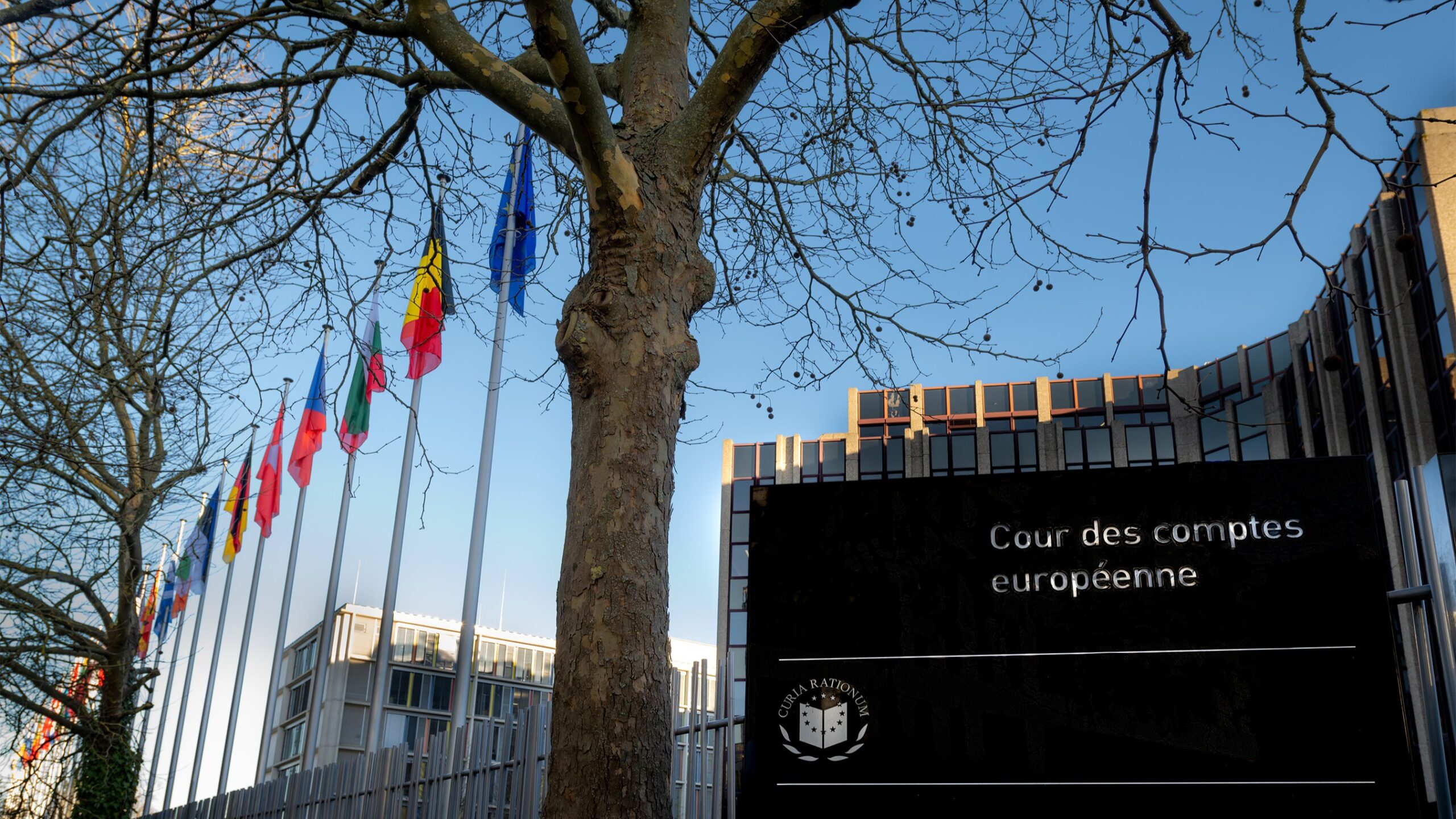
The building of the European Court of Auditors in Luxembourg
European Court of Auditors / European Union 2025
The European Court of Auditors (ECA) issued a stern warning to the European Commission over its lack of transparency in handling billions of euros directed to NGOs and lobbying groups operating under Brussels’ institutional umbrella.
A conference held yesterday in Luxembourg served as a wake-up call about a grants system that, far from serving the public interest, appears to be sustaining a network of organizations aligned with the prevailing ideology of EU institutions.
Thank you to everyone who joined the ECA Conference on Transparency!
— European Court of Auditors (@EUauditors) October 20, 2025
With 150 participants in Luxembourg and online, we discussed transparency of EU funding for NGOs, and lobbying of EU policymakers.
Watch the recording here: https://t.co/g9tSfTiGVN
According to the ECA’s latest reports, between 2021 and 2023, the Commission distributed more than €7.4 billion to NGOs, many of which are involved in political lobbying or advocacy campaigns on highly ideological issues such as climate and gender identity. The auditors emphasized that the trail of public money “remains confusing, fragmented, and in some cases, inaccessible to the average European citizen.”
“Transparency cannot be an empty slogan; it must translate into verifiable data and genuine access to information,” warned Laima Andrikienė, an ECA member, calling on the Commission to stop treating these funds “as if they were the private property of Brussels elites.”
One of the most hotly debated issues was the lack of oversight over the EU Transparency Register, which is supposed to reveal who is influencing EU decisions and with what funding. In practice, many of the registered groups receive direct financing from the Commission itself, creating—according to auditors—“a dependency relationship incompatible with the independence expected from the third sector.”
ECA Vice President Jorg Petrovič warned that the Commission “faces a serious institutional risk if it ignores these warnings.” He proposed clear thresholds for governmental oversight of NGOs, the creation of a public platform for beneficiaries, and regular audits to assess both the ideological independence and adherence to European values of recipient organizations.
In response, the Commission pledged to introduce “new mechanisms for oversight and accessibility” and promised to publish a detailed list of beneficiaries starting in 2026. However, European auditors cautioned that such promises risk being nothing more than cosmetic statements unless tangible results follow them.
While EU institutions continue to emphasize the “essential role” of NGOs in European democracy, the Court reminded them that real transparency begins with accountability. “Citizens have a right to know who is benefiting from their money and for what purposes,” said an ECA representative, stressing that excessive technocracy and opacity in Brussels have eroded public trust and fueled growing skepticism toward the EU.