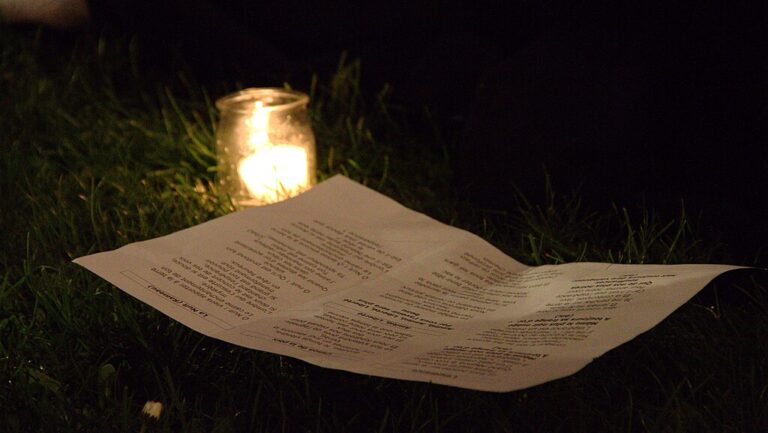
The 25th April bridge over the Tagus river in darkness following a massive power outage affecting the entire Iberian peninsula and the south of France, in Lisbon on April 28, 2025.
Patricia de Melo Moreira / AFP
When a massive power outage hit the Iberian Peninsula on April 28th, it plunged large parts of Spain into darkness and froze key industries for hours. Officially labeled a “zero energy” event, the blackout remains shrouded in mystery: no conclusive technical explanation has been made public, nor has any accountability been established. But the economic consequences are surfacing—and they are far from minor.
This week, the Ministry of Economy insisted that the total impact on the Spanish economy would be around €200 million. However, recently published corporate earnings reports contradict that estimate. Just two companies—Repsol and Iberdrola—have already reported combined losses exceeding €300 million.
In the energy company Repsol’s case, the outage forced a shutdown of its Cartagena and Puertollano refineries, with an estimated hit of €175 million. The company, led by Josu Jon Imaz, has also suffered two other recent shutdowns due to grid instability, raising serious questions about the reliability of the energy system. Imaz has already announced that the company is preparing legal action to claim damages.
The electric utility company Iberdrola, for its part, recorded an additional €110 million in complementary service costs in Spain and another €25 million in Portugal. An internal assessment concluded that the company was not responsible for the blackout and stated that any civil claims would be covered by its liability insurance.
The gap between official figures and actual data is striking. While the government downplays the scope of the incident, institutions such as CaixaBank Research estimate the impact at €400 million. The Spanish Confederation of Business Organizations (CEOE) goes even further, putting the total cost at €1.6 billion—about 0.1% of Spain’s GDP.
The incident has also taken a toll on reputations. According to a recent survey by The RepTrak Company, 22.6% of Spaniards blame the government for the blackout, compared to 20% who point to Red Eléctrica. Private energy firms, by contrast, receive less public blame: only 15.7% of respondents hold them responsible.