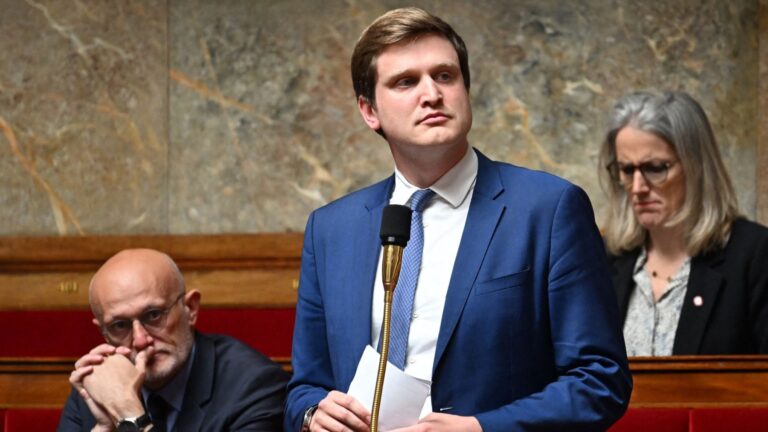
Russian President Vladimir Putin, U.S. President Donald Trump, and Ukraine’s President Volodymyr Zelensky.
Photo: Various sources / AFP
The much-anticipated April 23rd meeting in London to discuss a possible ceasefire in Ukraine fell flat. The last-minute cancellation by U.S. Secretary of State Marco Rubio, who cited “logistical problems” without further explanation, stripped the meeting, expected to be a turning point in the war, of its political weight.
The absence of special envoy Steve Witkoff further diminished the American presence, leaving only General Keith Kellogg, President Donald Trump’s personal delegate, to represent Washington. The event thus became a quiet technical exchange, devoid of announcements or breakthroughs—save for the leak of a controversial document: Trump’s proposed peace plan.
Initially discussed in Paris on April 18th and drafted after a more than four-hour meeting between Witkoff and Vladimir Putin, the proposal outlines seven points that mark a clear strategic pivot by Washington—with major concessions to Moscow and demands that are difficult for Kyiv to accept.
The proposal is viewed by Kyiv as a betrayal. Zelensky outright rejected any recognition of Russian control over Ukrainian territory. Although Ukraine’s official response has not yet been released, sources close to the government have said that “the proposal is extremely unbalanced and clearly favors Russia.”
Brussels and London, meanwhile, are capitalizing on the situation. The UK government under Keir Starmer and Ursula von der Leyen’s European Commission see this transatlantic divergence as an opportunity to strengthen European strategic autonomy under the guise of a “common defense.” However, this British alignment—encouraged by a Brussels eager to form an anti-Trump front—has met with skepticism in Paris and Berlin, where support for a more balanced, negotiated solution remains.
What worries analysts most is that, while Trump is making moves—whether his roadmap is accepted or not—European leaders have yet to produce a viable alternative of their own. Europe today is a ‘coalition of the unwilling’ — a group of actors unwilling or unable to lead or propose independent solutions not reliant on Washington’s blessing.
The war drags on, and for now, Donald Trump appears to be the only one willing to propose a way out. Whether or not his proposal succeeds will depend less on Brussels and more on what is decided between Moscow, Kyiv, and the White House. But one thing is certain: with his plan, Trump has held up a mirror to Europe that many would rather not look into.