
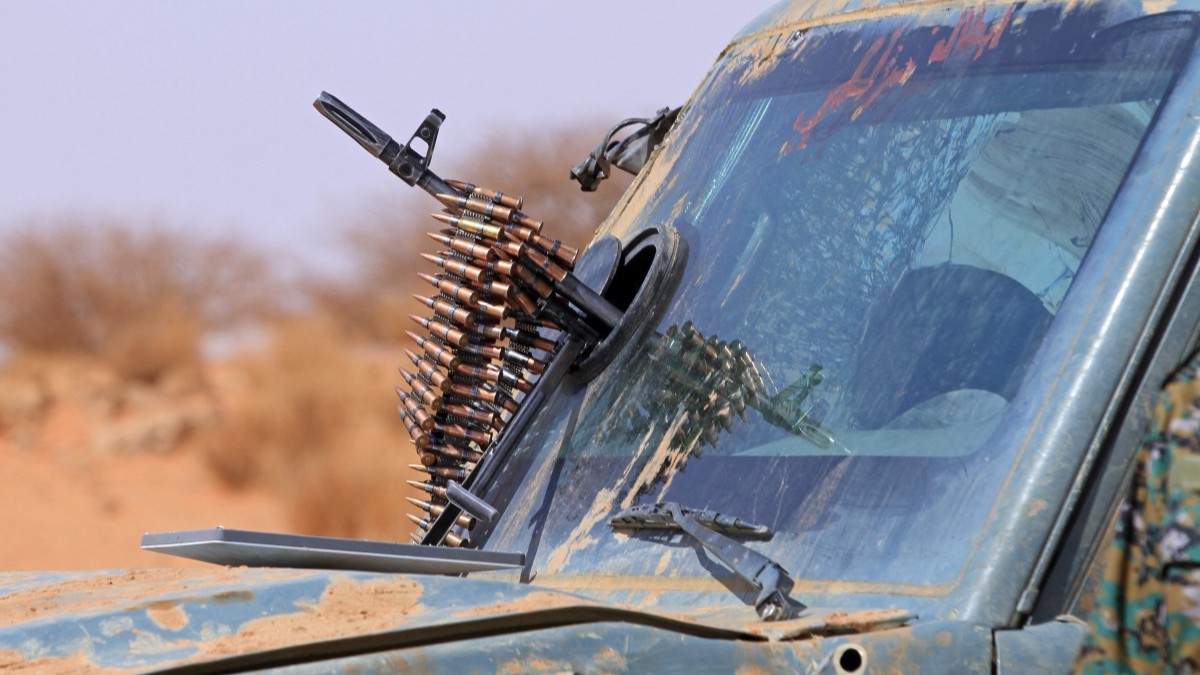
Sudan’s War Has More Than One Supply Line—Europe Must Confront Them All
Sudan needs comprehensive, uncompromising accountability that matches the true scale and geography of the war.

Sudan needs comprehensive, uncompromising accountability that matches the true scale and geography of the war.

Icelanders were offered a chair at the negotiating table. They looked at it. And decided they were perfectly comfortable standing.

Multiculturalists who dismiss concerns about Islamic or African immigration by comparing them with past hostility to Irish, Italian, or Slavic immigrants overlook the vast differences in ethnic memory and cultural distance that can make integration more difficult.
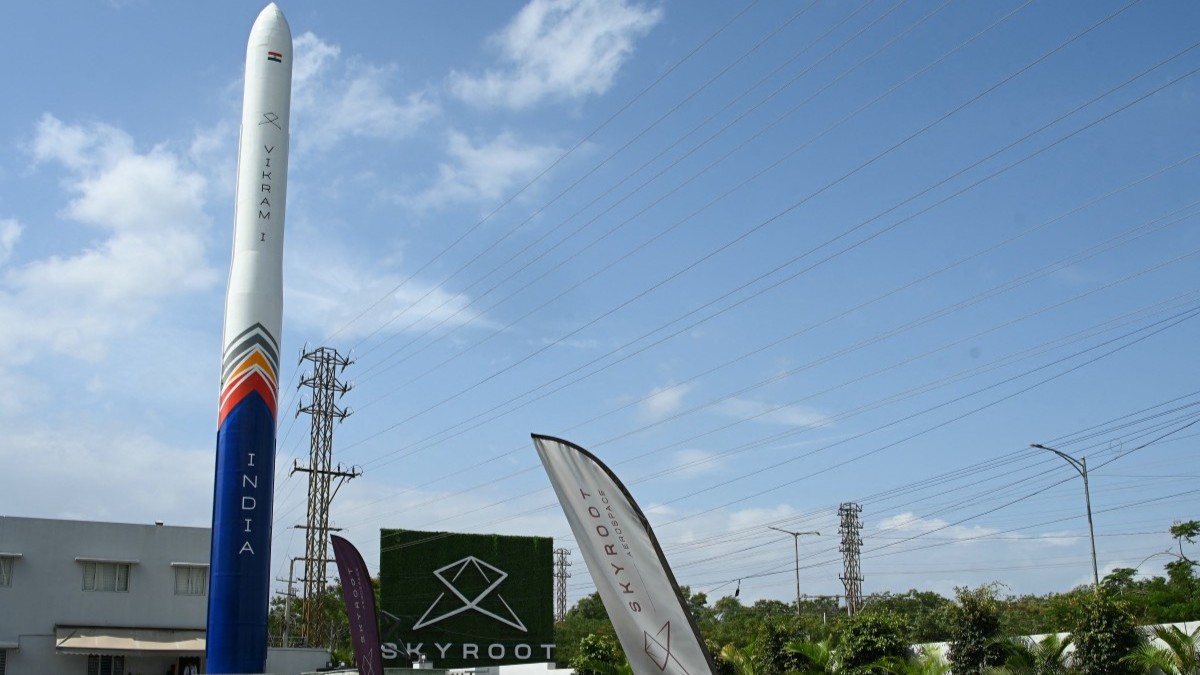
Vikram-1’s success confirms India’s entry into the private launch market just as Europe fears it may be unable to meet projected demand by the end of the decade.
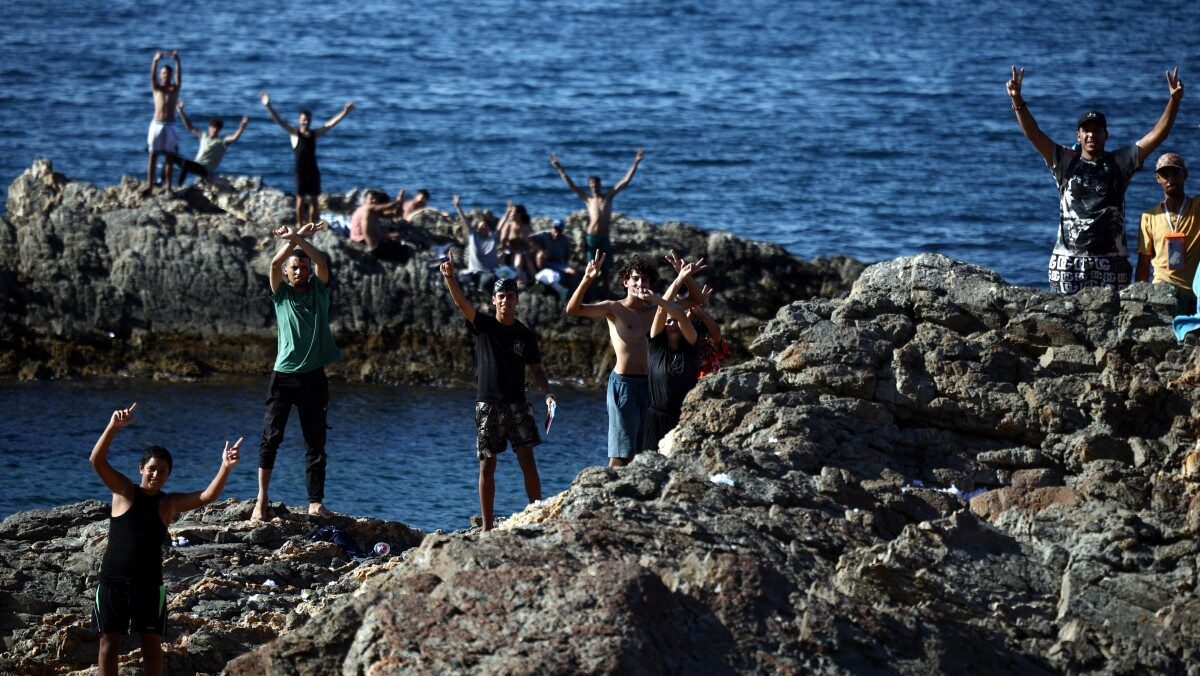
Europe may choose an extensive welfare state. It may choose extremely open immigration. But it cannot indefinitely maintain both without producing fiscal strain, political conflict, and declining public trust.
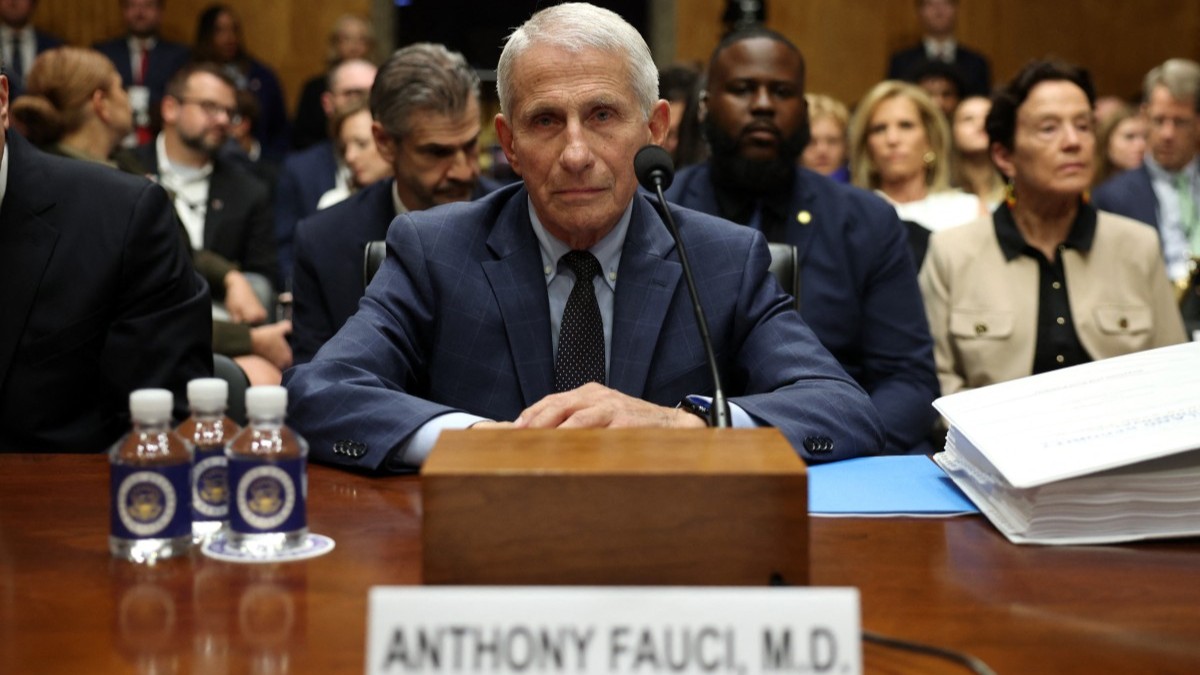
A scathing U.S. House of Representatives subcommittee report backs a probable laboratory origin for COVID-19, finds no quantitative basis for the six-foot rule, and argues that officials overstated the vaccines’ ability to prevent infection and transmission.
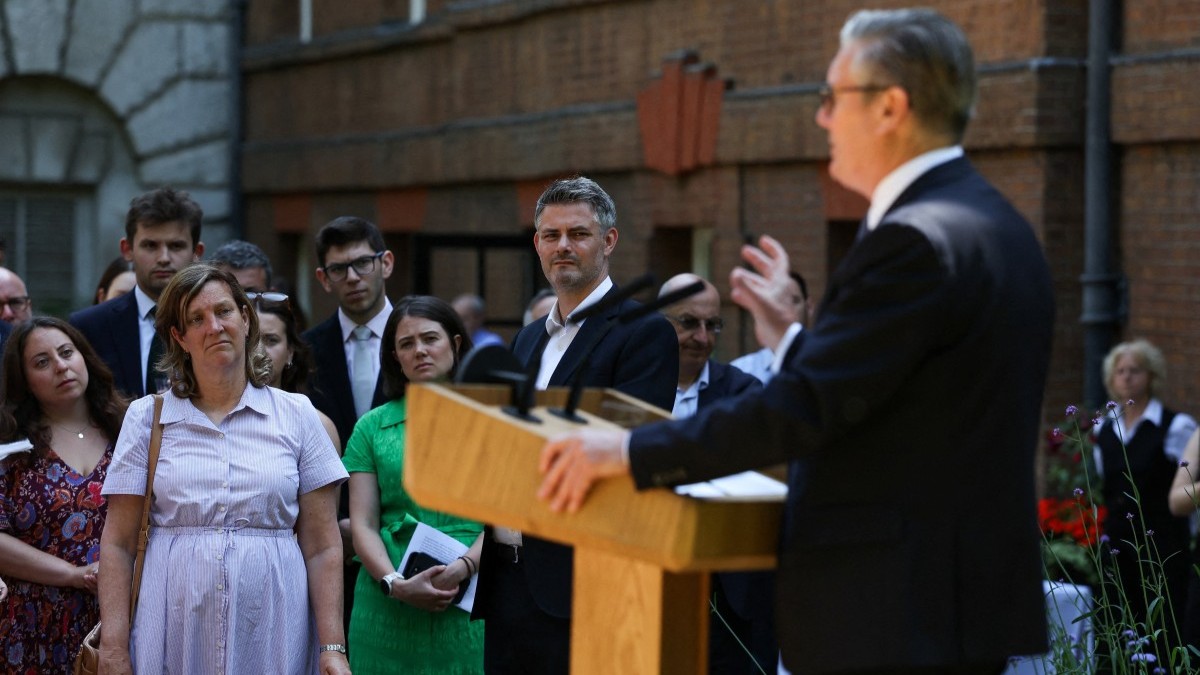
Last year large Jewish communities across different nations all experienced a rising tide of antisemitism, from verbal altercations to murder.
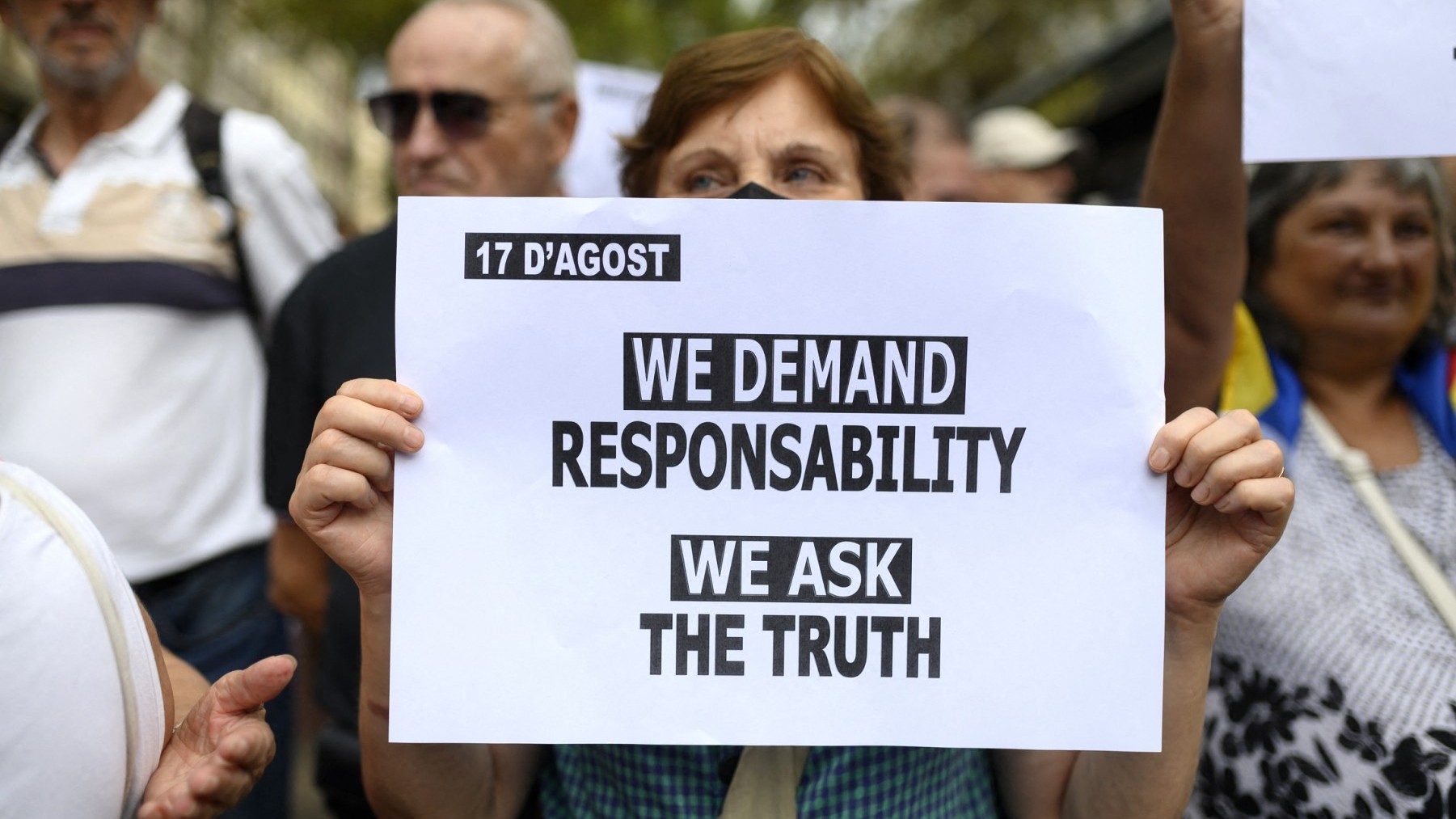
Muslim extremism is on the rise in Europe with official figures showing Islamist youth being more radicalized and taking an active part in the planning of attacks.
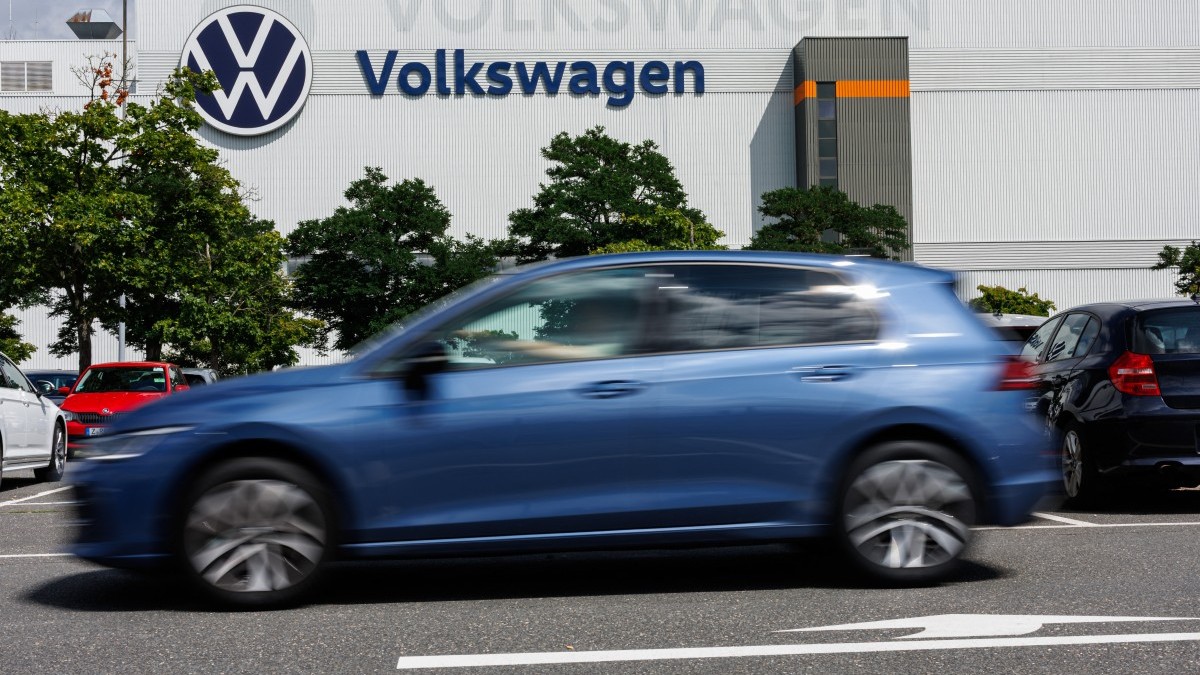
According to the CEO of the German car giant, VW’s employee headcount is both about 20% higher than that of its competitors—and too high.
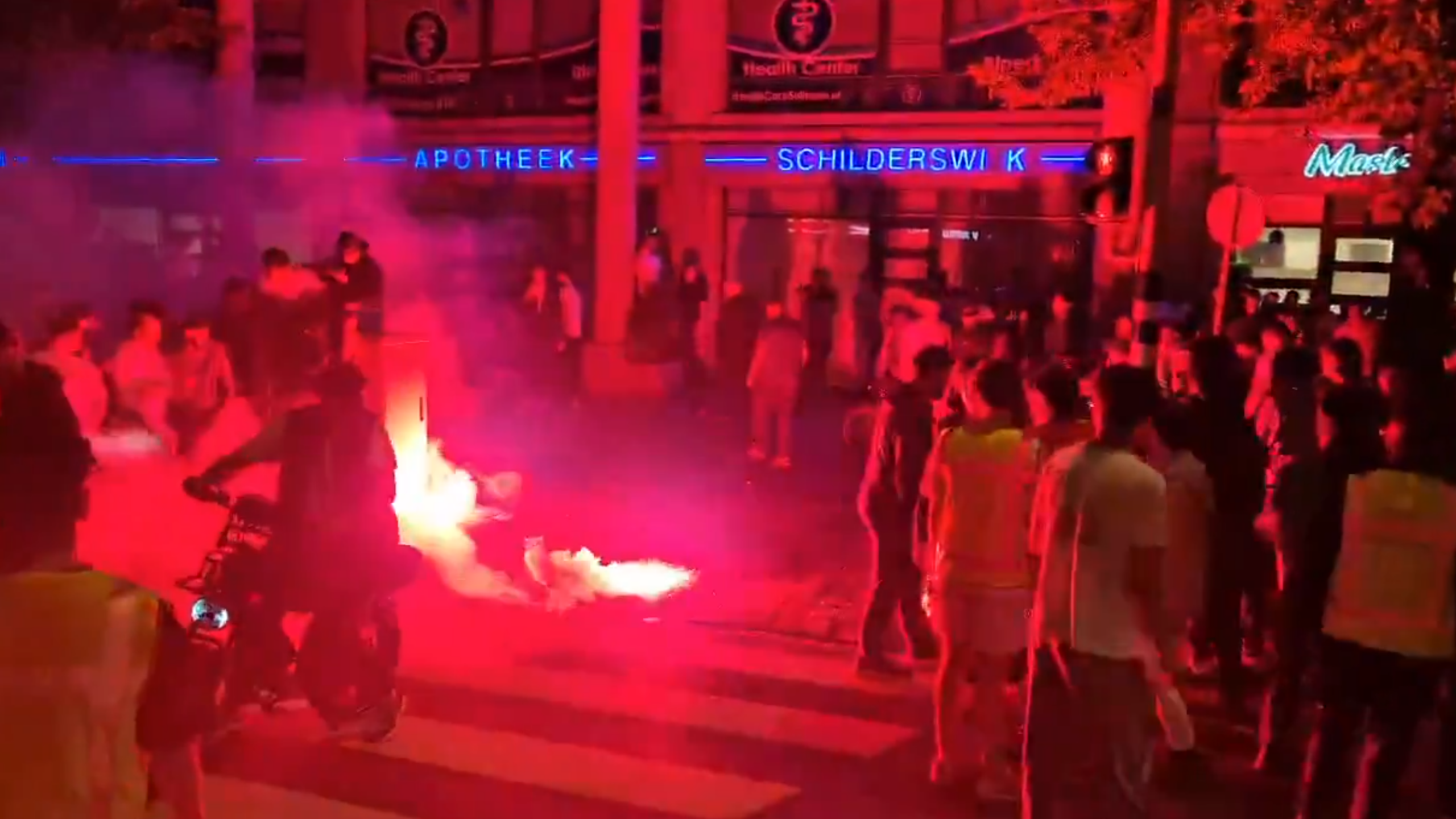
Paris deployed 20,000 police officers and gendarmes; in the British capital, riot police had to disperse the crowd.