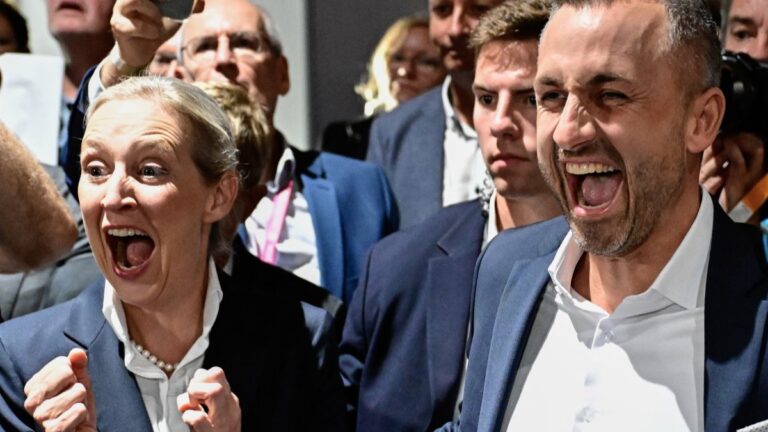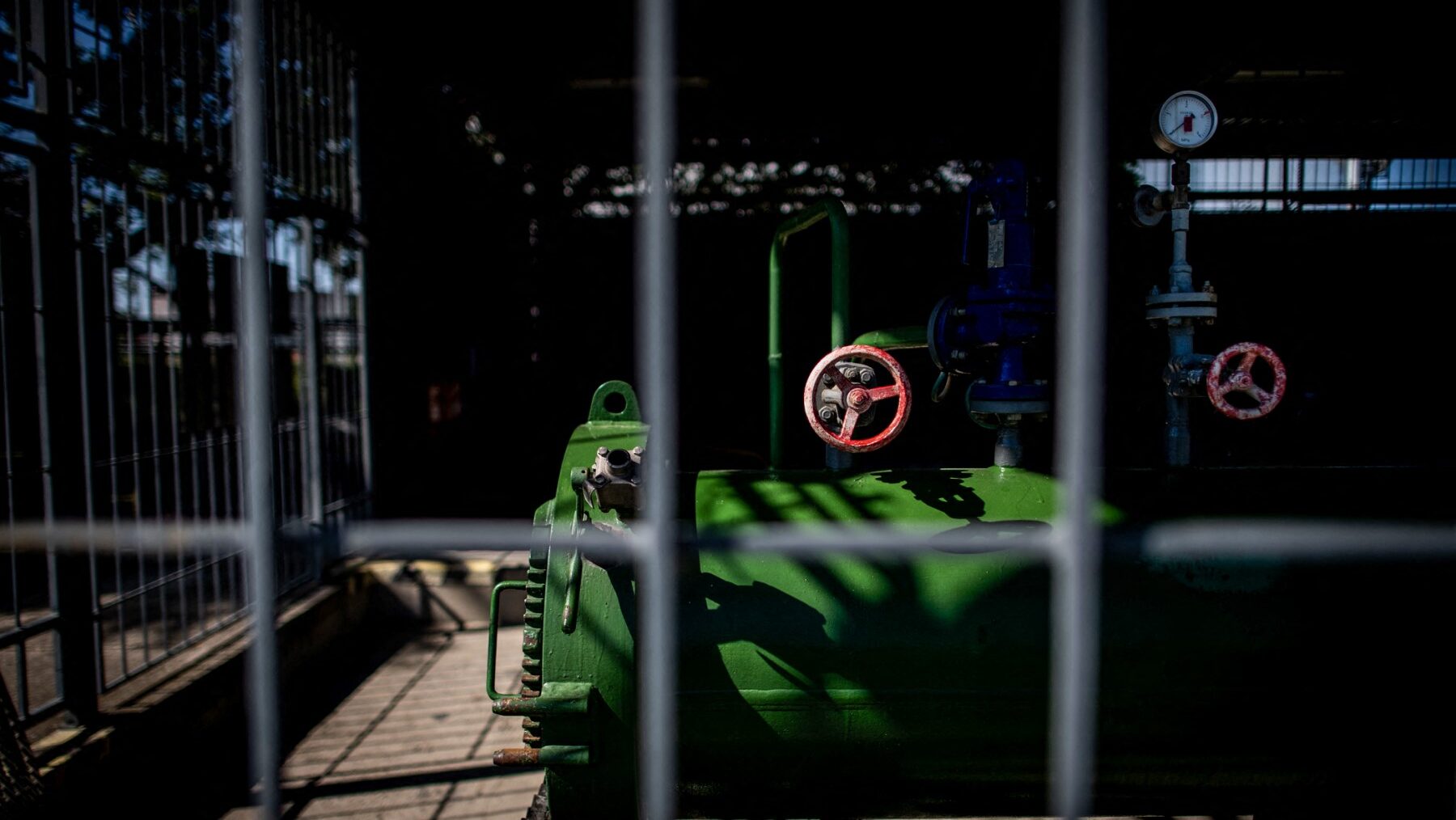
Ukraine will restart oil flows through the Druzhba pipeline on Wednesday—just days after the electoral defeat of Hungary’s prime minister Viktor Orbán and as Brussels moves to unlock a €90 billion loan for Kyiv that Budapest had long held up.
An industry source told Reuters that pumping is scheduled to begin “at lunchtime,” with Hungary’s MOL already requesting the first deliveries. The oil will be split between Hungary and Slovakia, both heavily reliant on the route and central to months of EU wrangling over the funding package.
For much of that period, the pipeline had been out of action—officially due to damage and technical constraints following a Russian strike earlier this year. This caused damage to Hungary’s economy, with Brussels appearing not to care, effectively siding with a non-EU country and enabling the opposition forces to portray the incumbent government as irrationally stubborn and desperately clinging to Russian energy. The Orbán government in fact only did what any patriotic administration would have done: blocked the €90 billion loan to Kyiv, in response to its blatant blackmail.
Now, the pipeline seems to have ‘healed’ in a miraculous way, with Orbán out of the picture.
Unsurprisingly to anyone who had been watching the theatre unfold, Ukrainian president Volodymyr Zelensky said this week that “all necessary steps on Ukraine’s side have been taken,” confirming that repairs to the pipeline were complete and that flows could resume after months of disruption.
In Brussels, the shift in tone has been equally striking. Speaking after a meeting of EU foreign ministers in Luxembourg, foreign policy chief Kaja Kallas said she expected “positive decisions” on the €90 billion loan within 24 hours, pointing to what she described as “new momentum” following the Hungarian election.
With oil now set to flow again, one of the main practical barriers to the loan has been removed. EU officials are signalling that the breakthrough could come within hours, after months of deadlock.
For Brussels, the moment is being framed as a long-awaited step forward. But after months in which both the pipeline and the funding remained frozen, the sudden convergence of solutions is likely to raise as many questions as it answers.
Similarly to the Druzhba ‘problem’ that was used as leverage against the conservative government, its domestic opponents amplified and exaggerated rumours surrounding the alleged serious pollution caused by Samsung’s Göd factory in Hungary. After months of apparent ‘leaks’ about toxic materials having been released into the environment by the South Korean company’s local battery facility, and an entire narrative built about a government that doesn’t care about the health of the citizens, a Greenpeace report has recently come out confirming that no such thing happened. Another miraculous healing. The publication of the report, again, unsurprisingly, was timed to occur after the Tisza Party’s electoral win.
With the Orbán government out of the way, the Druzhba reopens, clearing the path for one of the largest financial packages the EU has yet assembled for Ukraine.